
Executive Overview
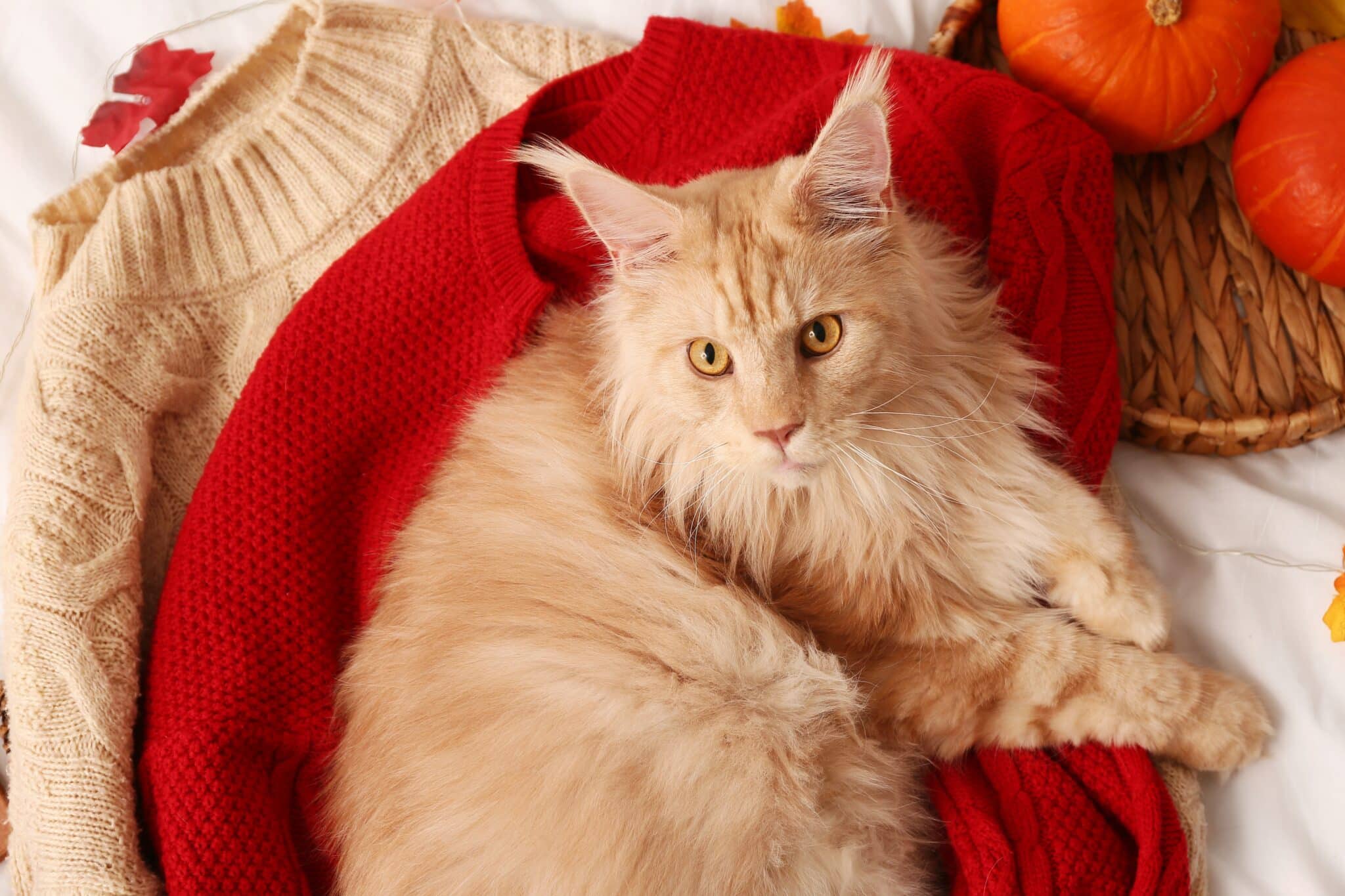
As the northern hemisphere transitions from the sweltering heat of summer to the crisp, descending temperatures of autumn, human households undergo a distinct transformation. Sweaters are retrieved from storage, central heating systems are tested, and indoor living spaces pivot toward warmth and enclosure. Yet, human beings are not the only mammals experiencing this seasonal recalibration. Domestic cats (Felis catus) exhibit profound, highly coordinated behavioral shifts as the environment cools and daylight hours contract.
Far from being merely "cute" domestic quirks, these seasonal adaptations are rooted in evolutionary biology, thermoregulation strategies, and ancient predatory instincts. From the relentless pursuit of shifting sunbeams across hardwood floors to rhythmic blanket-kneading and altered sleep architecture, the autumn behavior of the domestic cat offers a fascinating glimpse into ethology. This report provides an authoritative, in-depth examination of the physiological and psychological drivers behind why cats transform our homes into sanctuaries of cozy comfort during the fall months—and what these changes reveal about feline health and well-being.
Detailed Chronology: The Seasonal Transition of Feline Behavior
Understanding how cats respond to autumn requires mapping out the chronological and daily rhythms that dictate their lives as the seasons shift. As daylight decreases (photoperiodicity), neuroendocrine changes occur within the feline brain, altering hormone production, particularly melatonin and serotonin.
Phase 1: The Morning Sunbeam Hunt (Dawn to Mid-Morning)
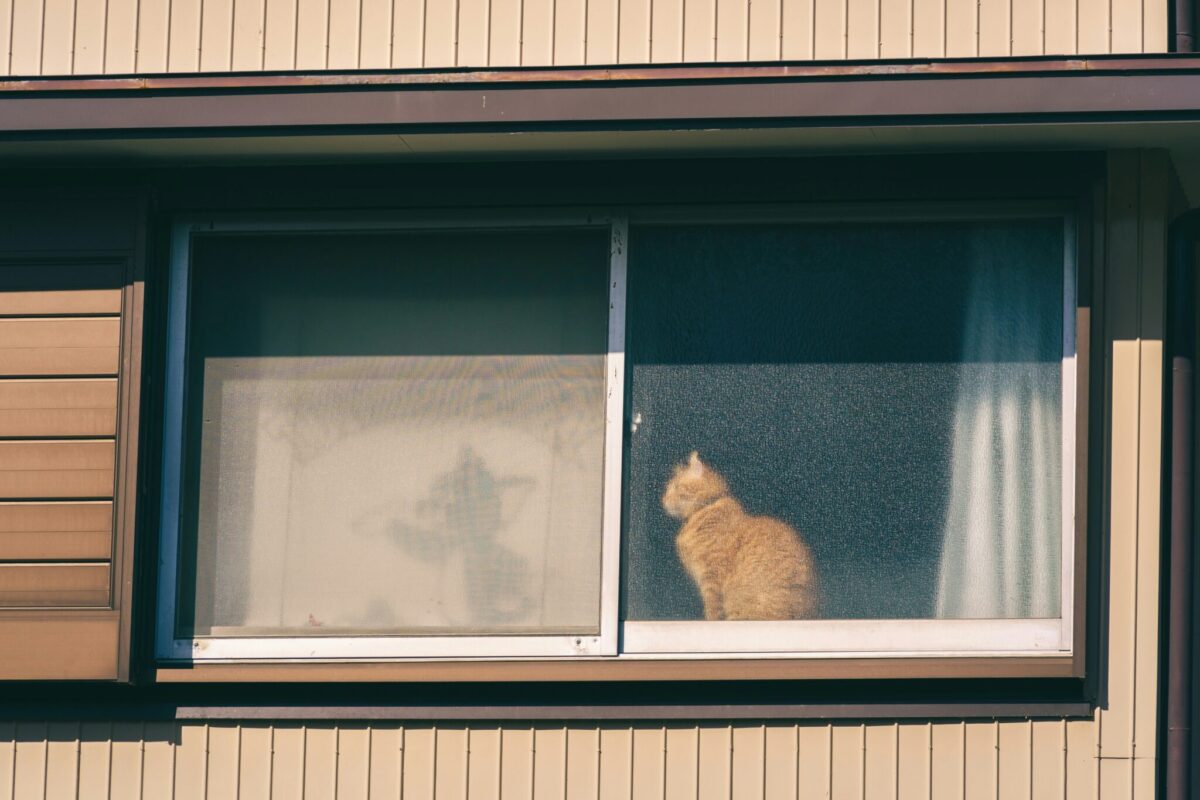
With the onset of cooler autumn mornings, ambient indoor temperatures drop, even with indoor climate controls. As the sun rises at a lower angle in the autumn sky, it projects long, distinct beams of radiant heat through windows.
- Thermoregulatory Drive: Cats are crepuscular hunters with a higher baseline body temperature than humans (typically ranging between 100.5°F and 102.5°F). When ambient temperatures decline, seeking out thermal radiation becomes a biological imperative to conserve metabolic energy.
- The Migration Pattern: Observers often note their cats systematically tracking patches of sunlight across a room, moving foot by foot as the earth rotates and the light shifts. This is not arbitrary play; it is a calculated thermal optimization strategy.
Phase 2: The Midday Slumber and Enclosed Retreats (Late Morning to Afternoon)
Cats are serial sleepers, dedicating an average of 12 to 16 hours per day—and sometimes up to 20 hours for seniors—to rest. In autumn, the nature of this sleep changes.
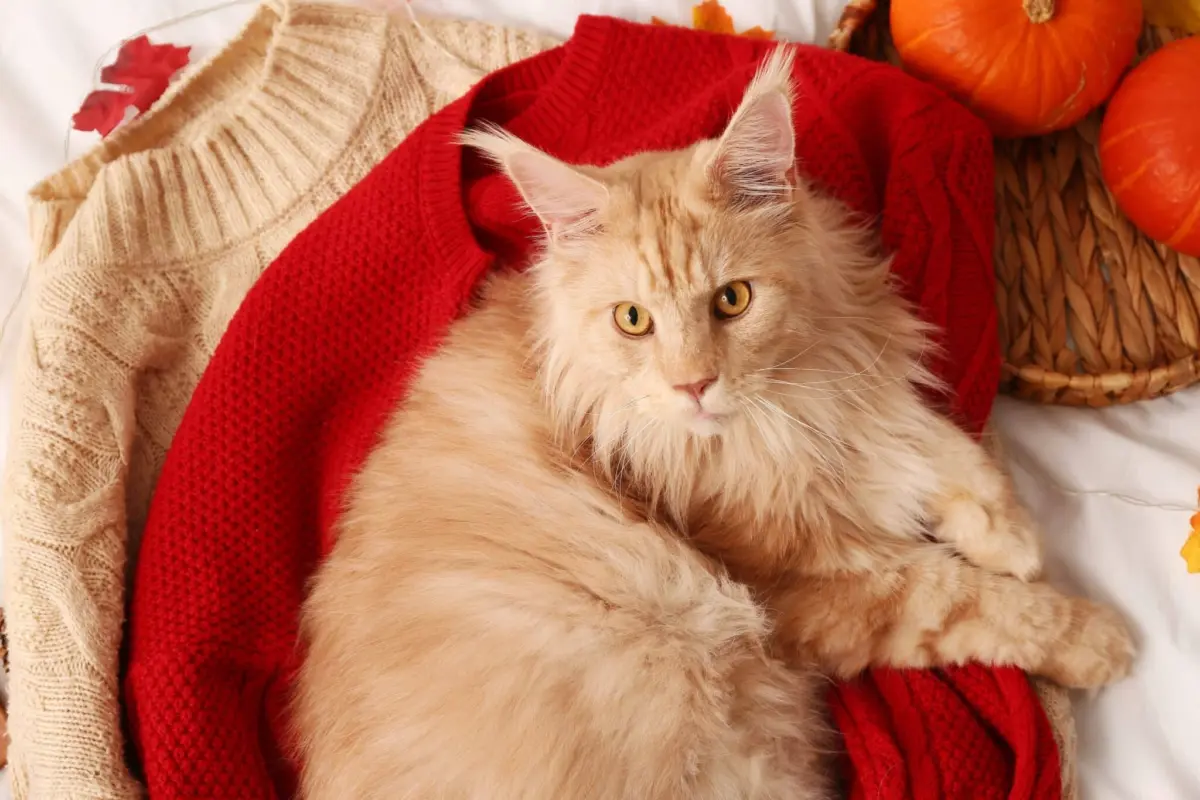
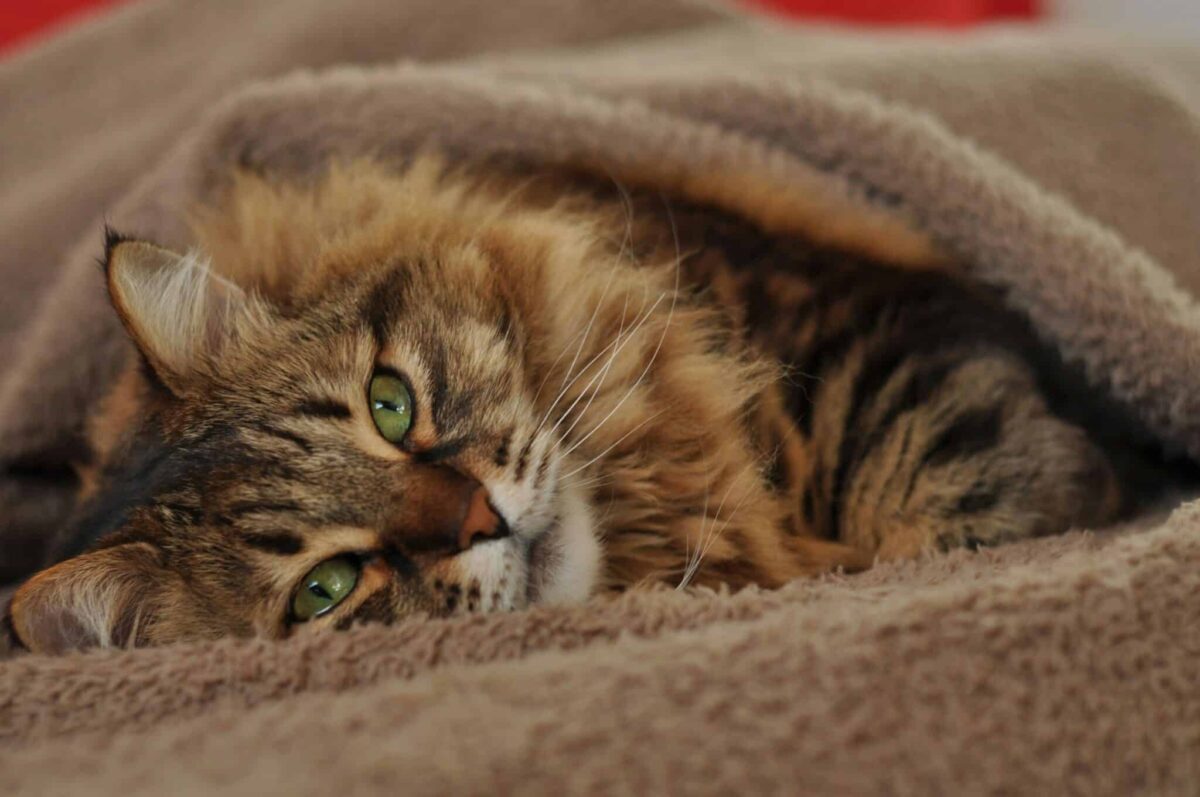
- Burrowing and Insulation: Rather than stretching out fully exposed on cool tile or bare wooden floors, cats gravitate toward high-density fabrics, fleece blankets, and enclosed spaces like covered cat beds, cardboard boxes, and laundry baskets.
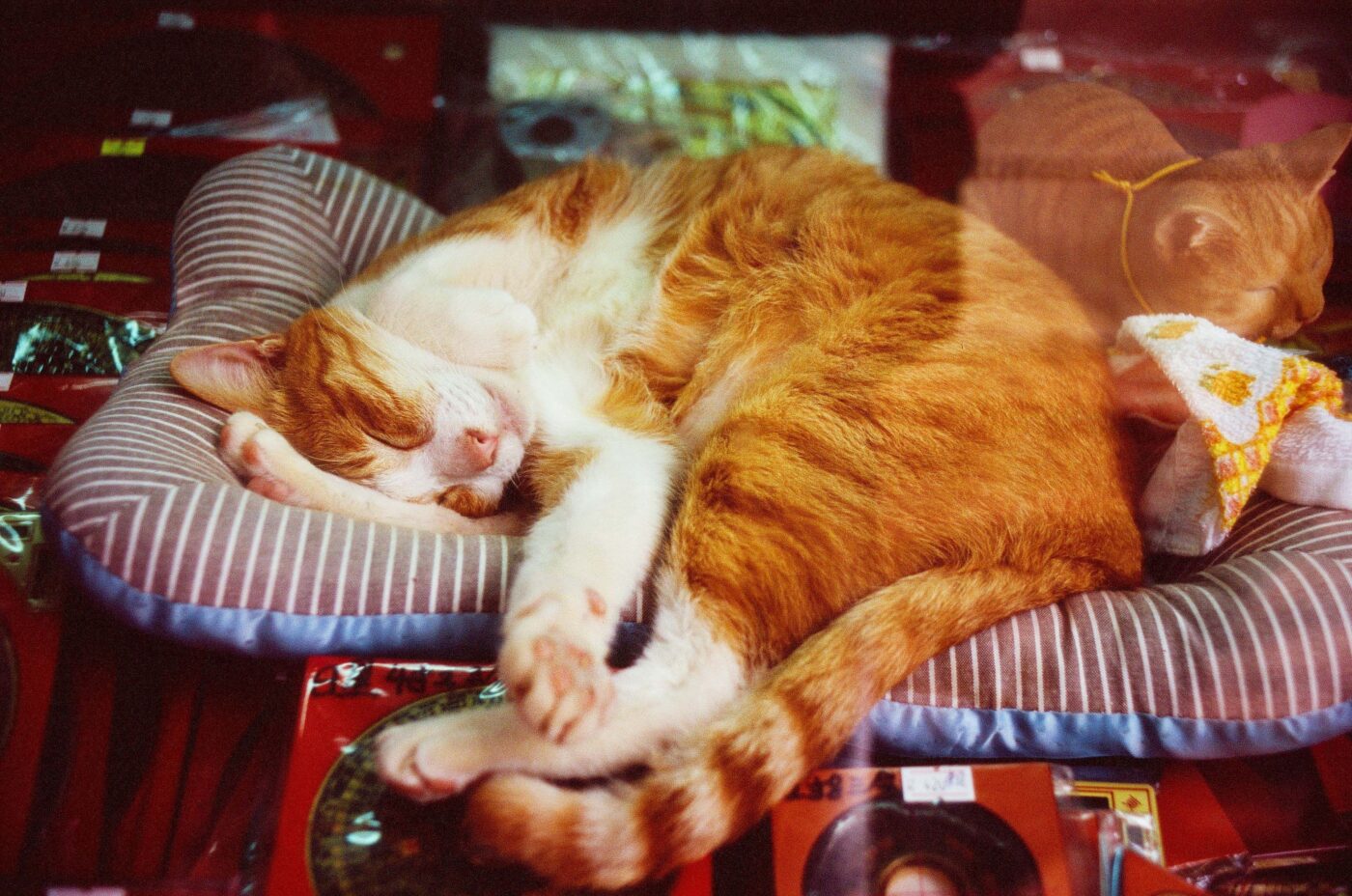
- Energy Conservation: By curling into a tight, compact "sphere," the cat minimizes its surface-area-to-volume ratio, thereby reducing heat loss. The mechanical act of burrowing captures exhaled body heat within the fabric fibers, creating a micro-climate significantly warmer than the ambient room temperature.
Phase 3: Evening Hyperactivity and Predatory Simulation (Dusk)
Paradoxically, while autumn days often induce deeper sleep and heavy lounging, they also trigger bursts of twilight energy.
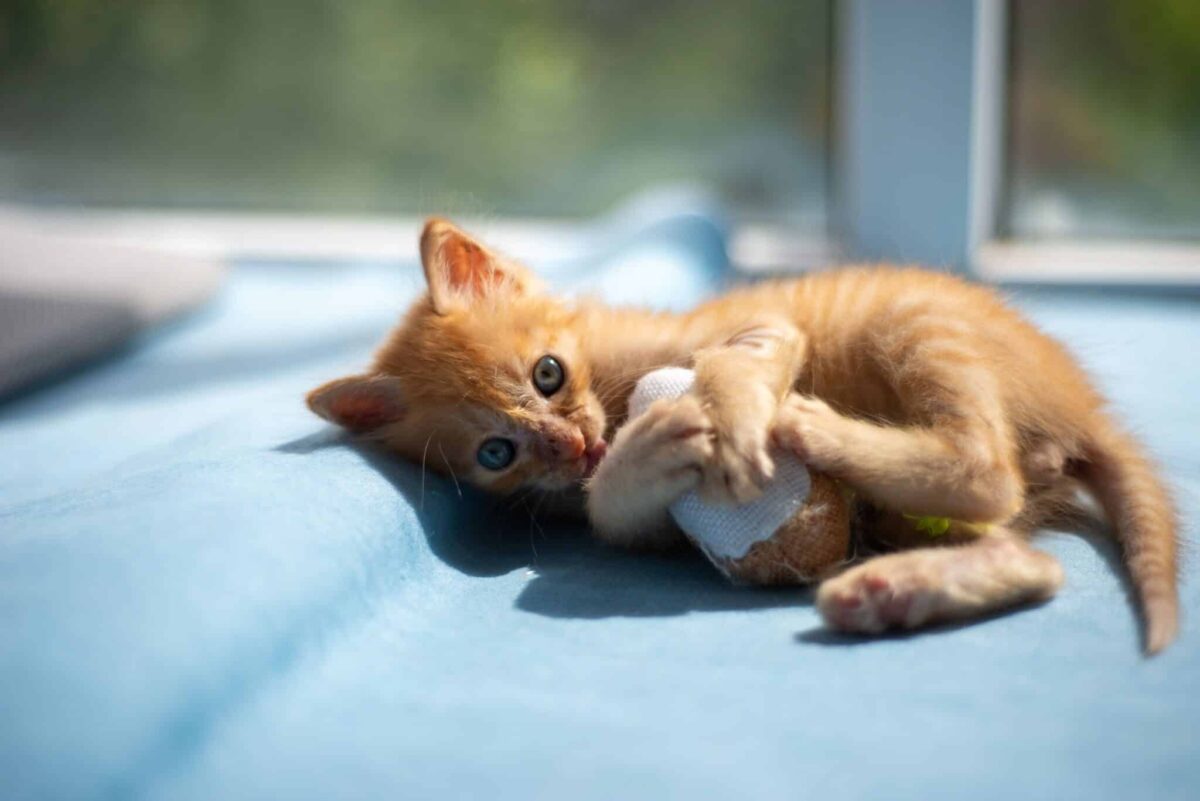
- The Crepuscular Instinct: Cooler evening air mimics the natural environment in which wild feline ancestors hunted. The crisp drop in temperature serves as an environmental cue that evening is arriving—the prime hunting hour for small felines.
- Indoor Racetracks: House cats frequently translate this surge of adrenaline into indoor sprinting, often referred to by owners as "the zoomies." Pouncing on toys, stalking shadows, and batting at dangling items fulfill deep-seated predatory motor patterns that cannot be fully suppressed by domesticity.
Phase 4: Nocturnal Companionship and Bedtime Rituals (Night)
As the household settles for the night, the cat’s relationship with its human co-habitants shifts into a phase of social thermoregulation and routine reinforcement.
- Shared Body Heat: Many cat owners notice that their feline companions suddenly become much more interested in sharing a bed or resting directly on human legs as the nights grow chilly.
- Predictable Anchors: Cats rely heavily on environmental predictability. The shift in human schedules—earlier evenings indoors, television watching, and reading—creates stable temporal cues that cats quickly integrate into their nightly routines.
Supporting Context & Metrics: The Science of Feline Thermoregulation
To fully comprehend the autumn transformation of the house cat, one must examine the biological and environmental metrics that govern their existence.
1. Thermoneutral Zone (TNZ)
The Thermoneutral Zone is the temperature range in which an animal does not need to expend extra metabolic energy to maintain its core body temperature.
- The Feline Threshold: For a domestic cat, the TNZ typically sits between 86°F and 100°F (30°C to 38°C) when they are resting and completely relaxed.
- The Autumn Deficit: Most human-habitable indoor environments are maintained between 68°F and 72°F (20°C to 22°C). Consequently, standard autumn indoor temperatures are well below the feline TNZ. This thermal deficit explains why cats actively seek out external heat sources—blankets, sunbeams, computer towers, and human laps—to bridge the gap and prevent unnecessary caloric expenditure.
2. Behavioral Thermoregulation Mechanics
Lacking the sweat glands that humans rely on (cats only possess sweat glands on their paw pads), and unable to pant efficiently like dogs except under extreme stress or heat, cats rely almost entirely on behavioral thermoregulation.
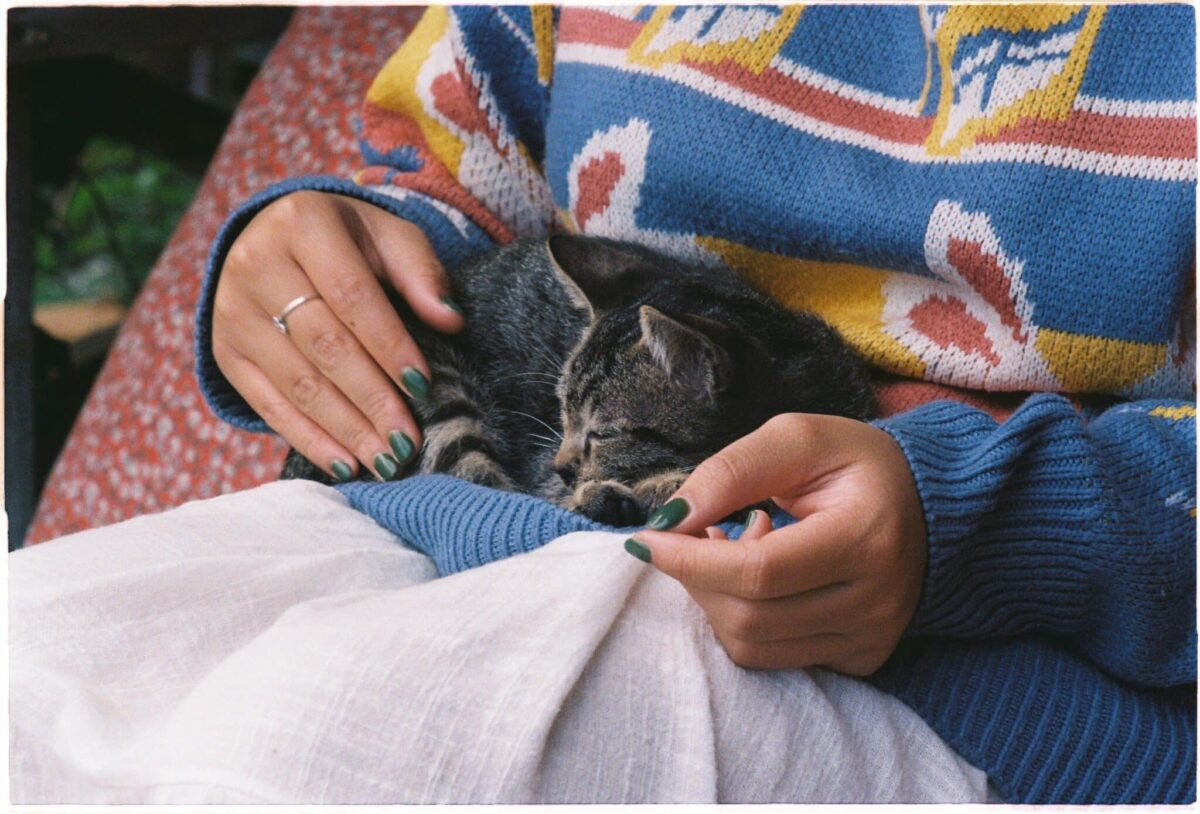
- Postural Adjustments: Expanding the body (splooting) to release heat in summer gives way to the "cat loaf" and tight ball formations in autumn.
- Huddling and Social Thermoregulation: In multi-cat households, autumn frequently brings about "cuddle puddles," where cats pile on top of one another to pool their body heat, reducing individual heat loss exponentially.
3. The Mechanics of Kneading (Pilling)
One of the most characteristic autumn behaviors is rhythmic kneading—colloquially known as "making biscuits."
- Neoteny: This tactile behavior is a direct retention of kittenhood instincts, where nursing kittens knead the mother’s mammary glands to stimulate milk flow.
- Glandular Activation: The underside of a cat’s paws contains scent glands. Kneading soft blankets deposits pheromones, marking the territory as secure, comfortable, and safe. When combined with purring, kneading releases endorphins, reducing stress and inducing a deep state of relaxation.
Official Statements & Expert Perspectives
Animal behaviorists, veterinarians, and ethologists emphasize that autumn behavioral changes should be viewed through a holistic lens of health, comfort, and instinct.
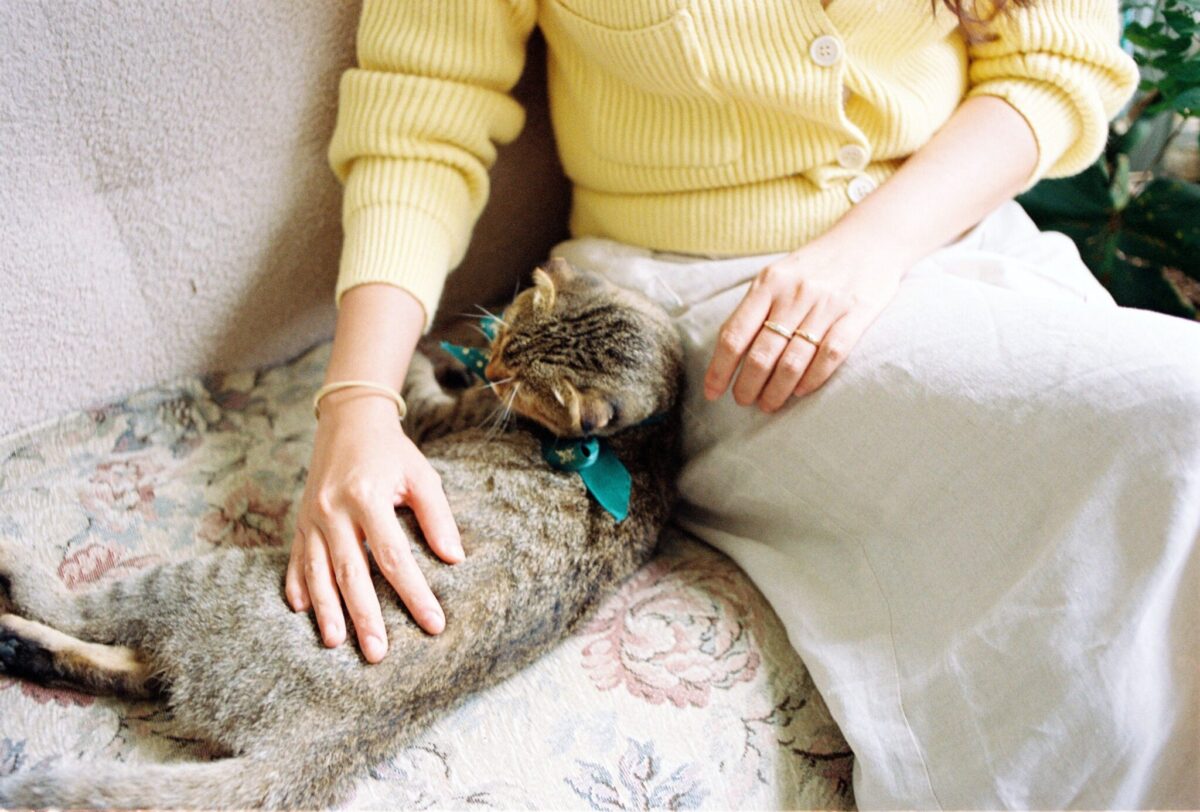
"When the weather turns cool, we often project human emotions onto our pets, assuming they are simply being extra affectionate because they love us more in the fall," notes Dr. Sarah Henderson, a leading feline practitioner and ethologist. "While the bond is certainly real and profound, the primary driver is biological. A cat curling up on your lap is engaging in a sophisticated form of environmental engineering. They are seeking thermal equilibrium, security, and the predictable comfort of a routine they have mapped out over years."
Veterinary neurologists and researchers studying photoperiodicity point out that indoor cats, despite living in climate-controlled environments, retain ancient genetic programming linked to seasonal shifts.
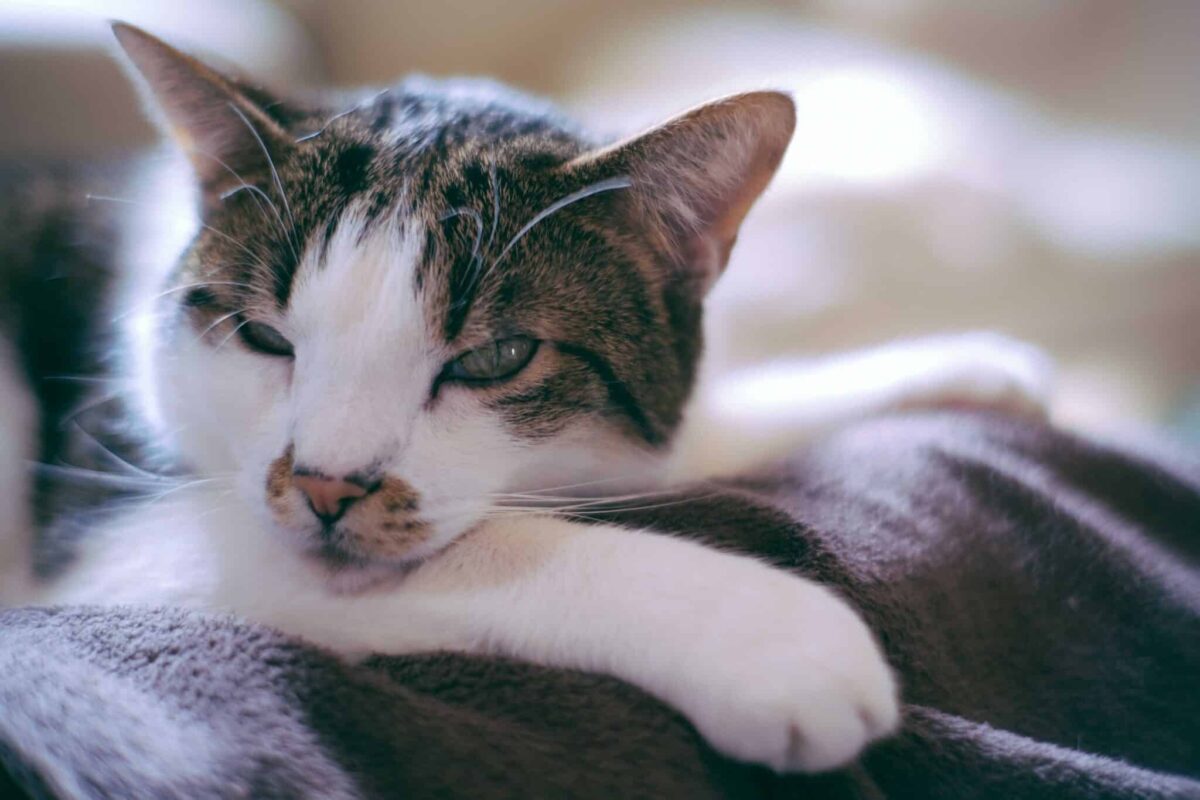
"Even indoor cats possess internal calendars," states Dr. Marcus Vance, Professor of Comparative Animal Behavior. "Shorter daylight hours signal physiological shifts in hormone levels. While they don’t hibernate like bears or migrate like birds, their activity budgets shift. You see an increase in resting and sleep duration, paired with bursts of high-intensity play during twilight hours when their wild ancestors would have actively stalked prey under low-light autumn conditions."
Furthermore, animal welfare organizations stress that recognizing these seasonal shifts is crucial for preventive healthcare. As older cats spend more time sleeping on soft surfaces in autumn, veterinarians report an uptick in diagnoses related to osteoarthritis and joint stiffness, as the cooler air exacerbates joint inflammation.
Future Outlook: Enhancing Indoor Feline Well-Being in Cooler Months
As climate volatility increases and urban housing trends lean toward compact indoor living, understanding and optimizing the domestic environment for felines during autumn and winter will become increasingly critical for pet owners.
1. Environmental Enrichment for the Indoor Autumn
Pet care technology and interior design are rapidly evolving to accommodate the natural instincts of indoor cats during colder months. The future of feline care points toward:
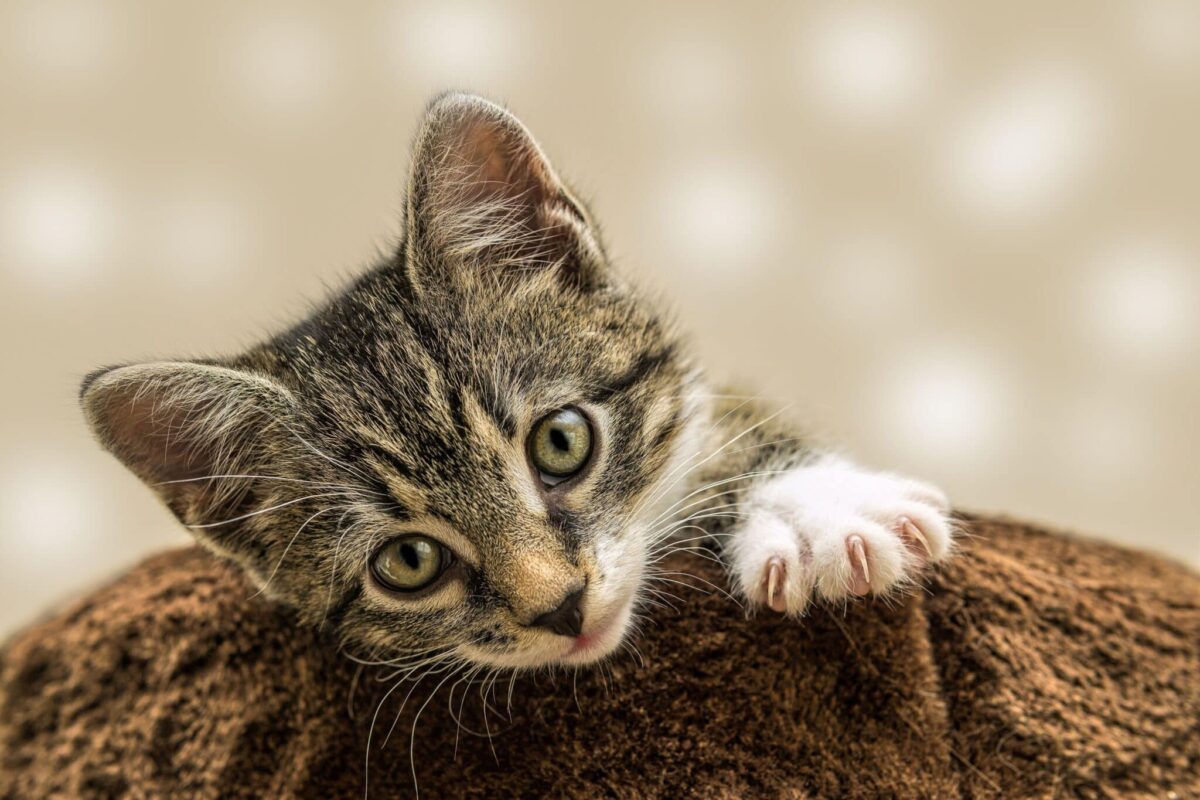
- Thermostatic Pet Ecosystems: The proliferation of self-warming cat beds utilizing heat-reflecting metallic layers, as well as low-voltage heated pads designed specifically for pets, allowing cats to maintain their thermoneutral zone safely without relying solely on human laps or dangerous heating appliances.
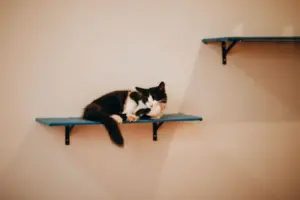
- Vertical Architecture: As outdoor exploration declines due to inclement autumn weather, vertical territory (wall-mounted shelves, multi-level cat trees positioned by expansive windows) will play an essential role in preventing feline boredom and lethargy.
2. Preventive Veterinary Care and Seasonal Health Monitoring
Veterinary medicine is shifting toward proactive, season-specific wellness checks.
- Arthritis Management: Because cooler autumn air increases joint discomfort in geriatric cats, future veterinary protocols will likely emphasize early autumn screenings for degenerative joint disease, allowing interventions—such as nutraceuticals, pain management, and environmental modifications—to be implemented before winter sets in.
- Nutritional Adjustments: Understanding that cats naturally expend more energy maintaining core body temperatures in colder months (or conversely, pack on fat layers in response to ancient survival cues) will lead to more precise, seasonally tailored nutritional guidelines provided by veterinarians.
Conclusion
The arrival of autumn signals far more than just falling leaves and dropping temperatures for our feline companions. It initiates a complex, beautifully orchestrated symphony of biological responses, survival instincts, and comfort-seeking behaviors. By understanding the profound science behind why cats chase sunbeams, burrow into fleece blankets, knead soft fabrics, and seek out human companionship during chilly evenings, owners can better provide for their pets. Ultimately, these quiet, cozy autumn rituals strengthen the unique bond between human and cat, turning the colder months into a season of shared warmth, peace, and mutual comfort.