
Executive Overview
The domestic cat (Felis catus) is frequently stereotyped as a creature of quiet mystery—serene, independent, and largely indifferent to human schedules. However, modern feline behaviorism and veterinary science suggest an entirely different reality: certain breeds operate with the kinetic output of elite athletes and possess a radar-like olfactory and auditory aptitude for detecting food.
According to data compiled by major registering organizations such as the Cat Fanciers’ Association (CFA) and The International Cat Association (TICA), high-energy lineages require substantial daily physical and mental stimulation. Breeds such as the Bengal, Abyssinian, Oriental Shorthair, Egyptian Mau, and Savannah are built for exceptional activity levels. They typically require 20 to 30 minutes of structured play twice a day.
Crucially, when these demanding caloric expenditures go unmet, high food-motivation can quickly cross the line into overeating. Veterinary experts, including specialists at the Cornell Feline Health Center, emphasize the critical necessity of matching a cat’s nutritional intake directly to its daily activity level. This comprehensive report investigates the physiological, evolutionary, and behavioral mechanics that drive our most athletic—and notoriously snack-obsessed—feline companions.
Detailed Chronology: The Evolution of Feline Athleticism and Foraging Behavior
To understand why modern house cats can "teleport" into a kitchen the exact millisecond a can opener touches aluminum, one must trace the evolutionary timeline of predatory efficiency.
- Pre-Domestication Era (c. 10,000 BCE): Ancestral wild cats (Felis lybica) operated as solitary, high-output hunters. Survival depended entirely on acute sensory perception—hearing high-frequency rodent rustling and detecting minute shifts in scent. Energy expenditure was inextricably linked to food acquisition; a missed hunt meant starvation.
- Agricultural Integration (c. 7,000–3,000 BCE): As human settlements stored surplus grain, attracting rodents, felines gravitated toward human habitations. Natural selection favored cats with high adaptability, rapid reflexes, and an unyielding drive to patrol perimeters, cementing the link between human food storage and feline habitation.
- The Modern Breed Standard Era (Late 19th Century to Present): Through deliberate breeding programs, registries like the CFA and TICA formalized distinct breeds. While some lines were bred for calm companionship, others retained—or were selectively infused with—wild-ancestor traits. Breeds like the Bengal and Savannah emerged from deliberate hybridization with wild species (the Asian leopard cat and the serval, respectively), carrying forward a neurological wiring designed for high-stakes hunting, vertical scaling, and extreme caloric consumption.
- Contemporary Veterinary Recognition (2024–2025 Reviews): Modern veterinary medicine has shifted focus toward behavioral nutrition. Recognizing that high-energy breeds treat mealtime as an operational mission, institutions have updated guidelines to encourage interactive puzzle feeders, regulated portion control, and synchronized play-and-feed cycles to prevent feline obesity and behavioral displacement.
Supporting Context & Metrics: The Science of High-Energy and Food-Motivated Breeds
The intersection of physical prowess and appetite is not coincidental; it is governed by biomechanics, genetics, and metabolic rate.
The Elite Athletes: Top High-Energy Breeds
According to breed standard profiles last reviewed in 2025, the following felines represent the pinnacle of feline athleticism:
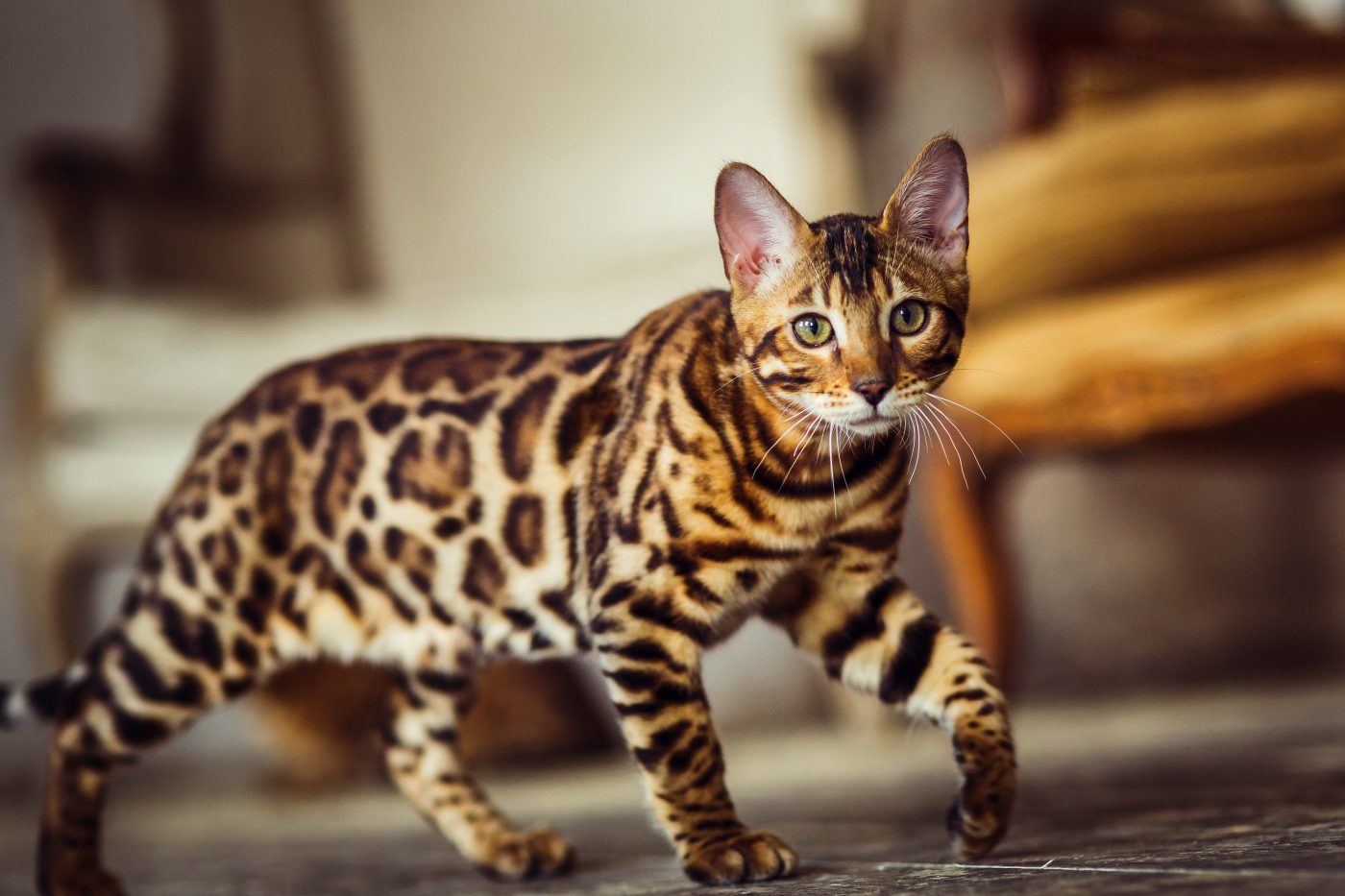
- Bengal: Characterized by an athletic, muscular build and wild ancestry, Bengals require intense physical engagement. Their lineage drives them toward vertical exploration, jumping, climbing, and even water play well beyond the baseline of an average housecat.
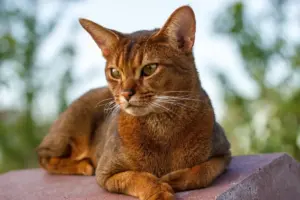
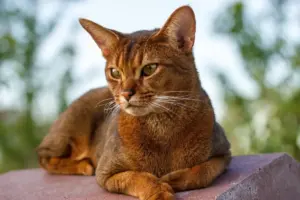
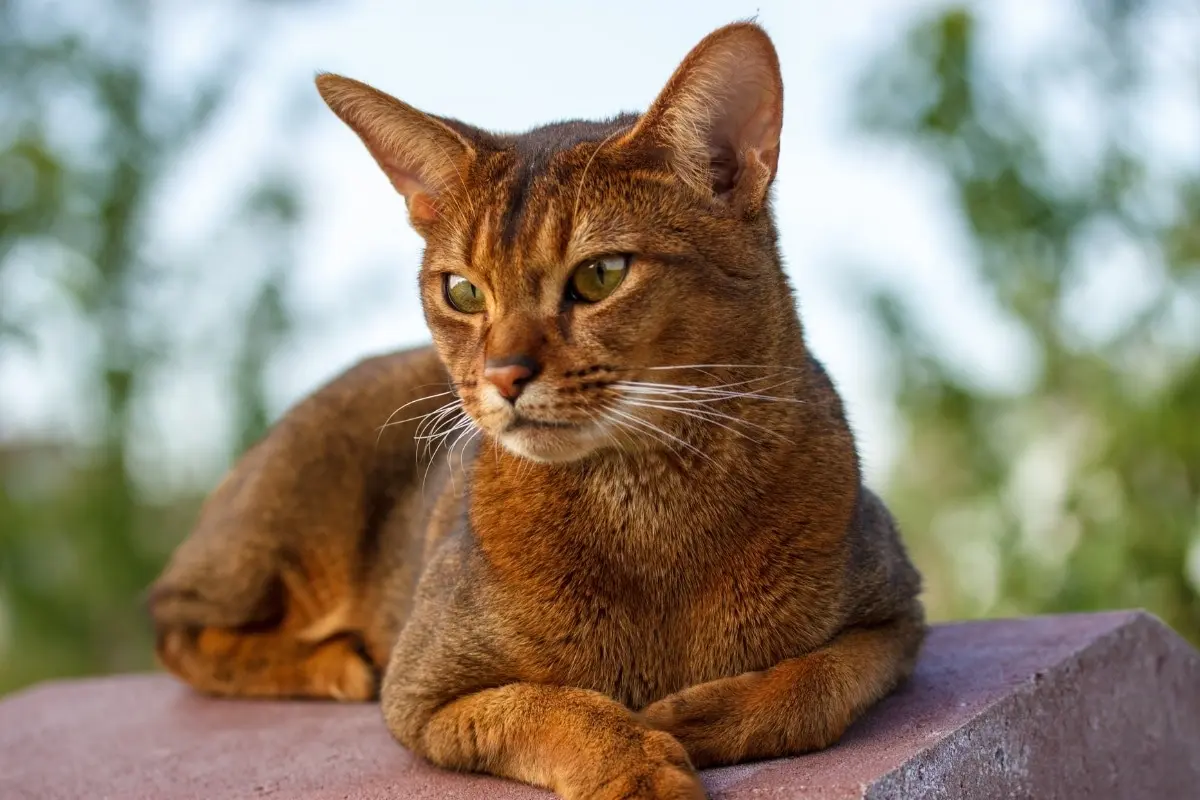
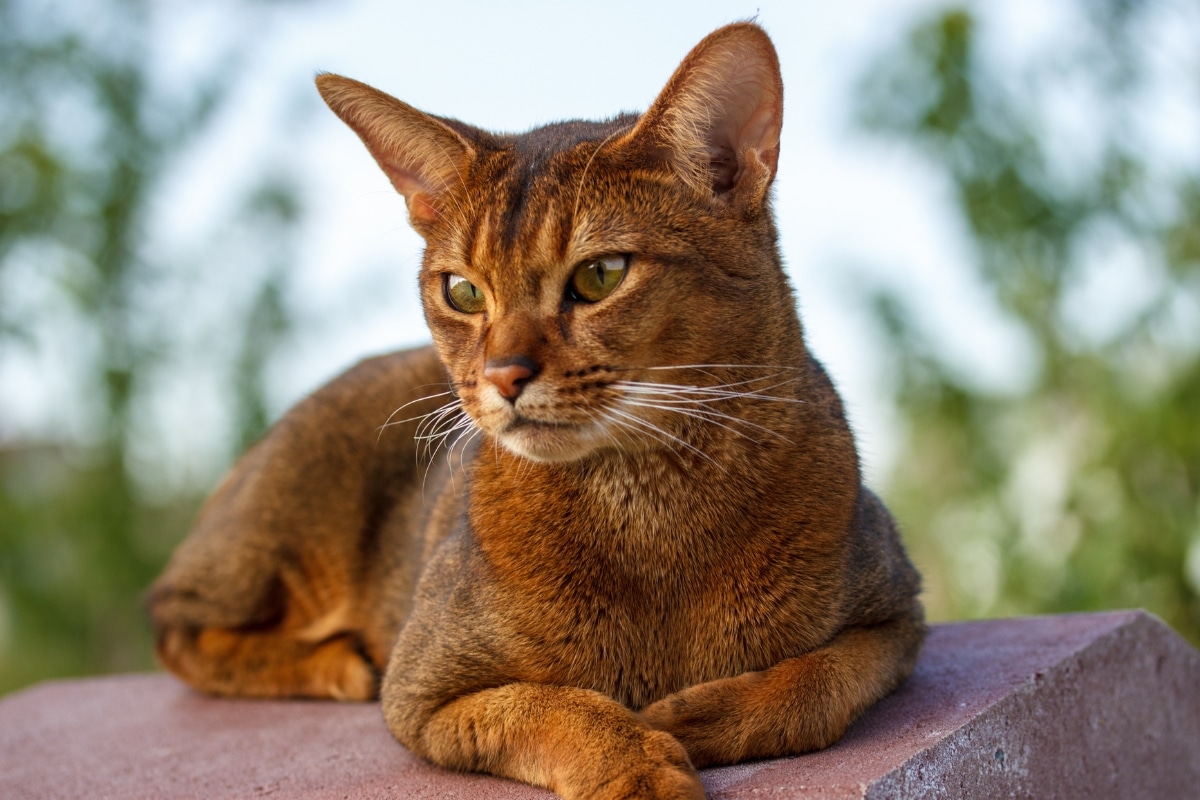
- Abyssinian: Known for high curiosity and an unceasing desire for exploration, Abyssinians are built like miniature greyhounds. Their high metabolism demands continuous caloric fuel.
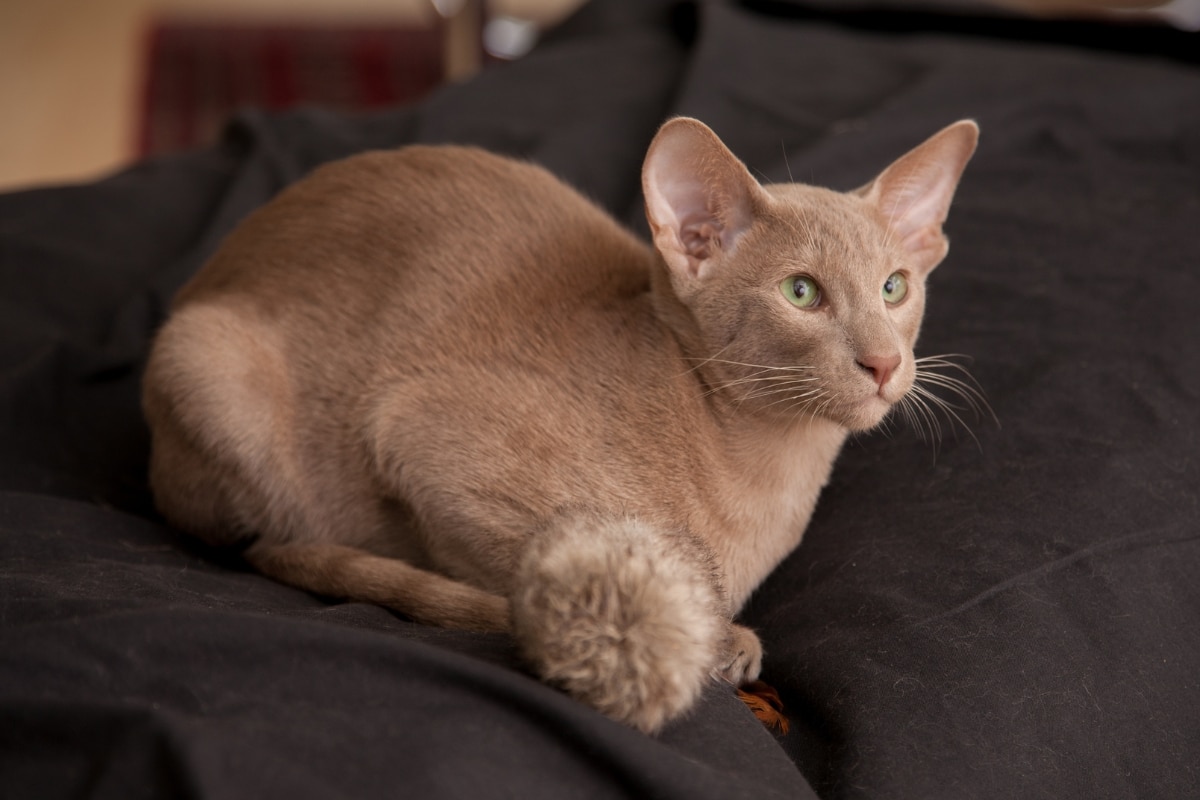
- Oriental Shorthair: Exceptionally sleek and agile, combining high mental acuity with relentless physical activity.
- Egyptian Mau: Renowned as one of the fastest domestic cat breeds, capable of sprinting up to 30 miles per hour over short distances, necessitating precise nutritional support.
- Savannah: Possessing serval DNA, these large cats exhibit extraordinary vertical leap capabilities and complex problem-solving skills tied directly to prey acquisition.
The Snack Trackers: Breed Profiles in Food Motivation
While athletic breeds burn energy through kinetic movement, a wider array of breeds exhibits extraordinary auditory and olfactory sensitivity regarding food.
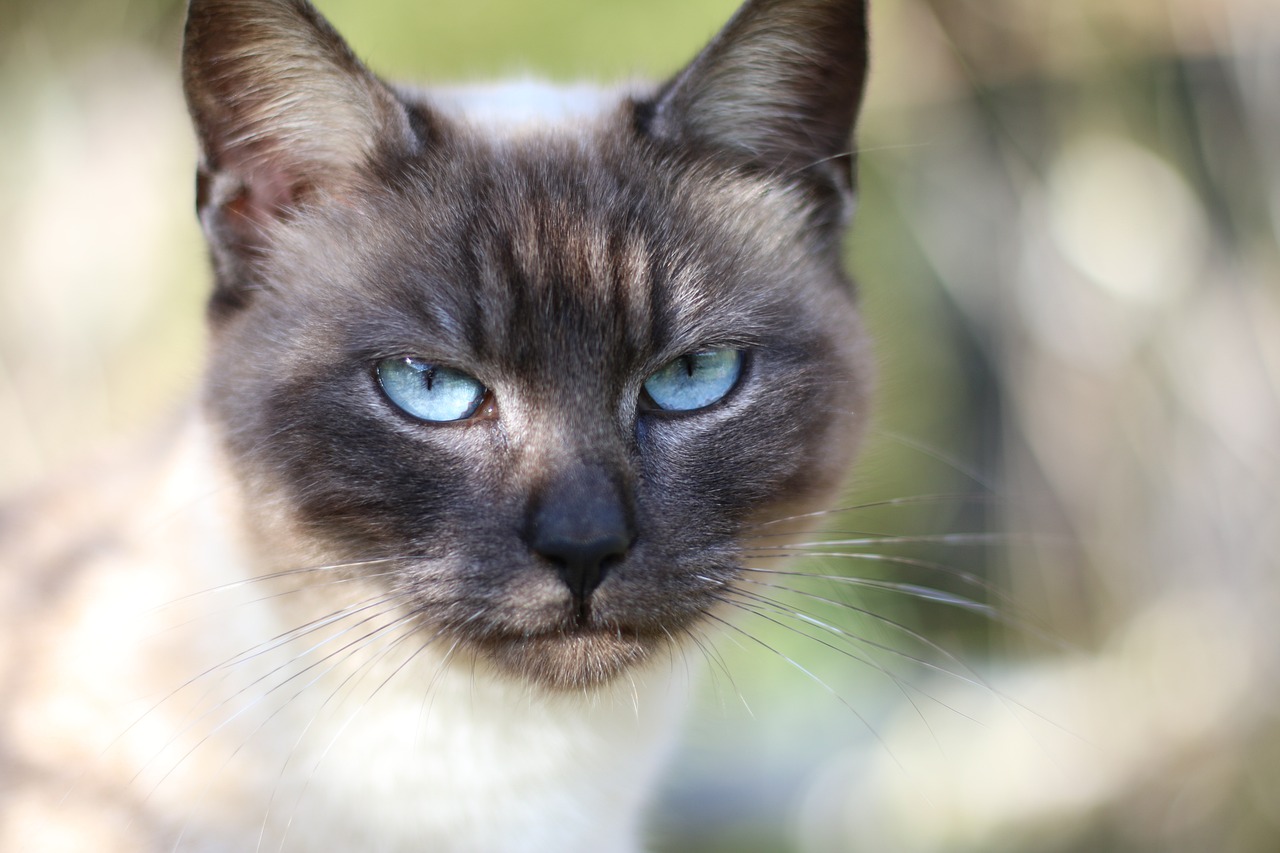
- Siamese: Highly vocal, socially acute, and intellectually sharp. Siamese cats process auditory cues with remarkable precision, often identifying the sound of a pantry door or can tab from across a multi-story home.
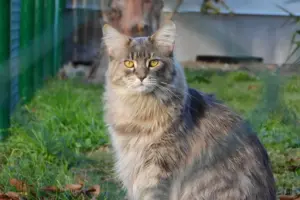
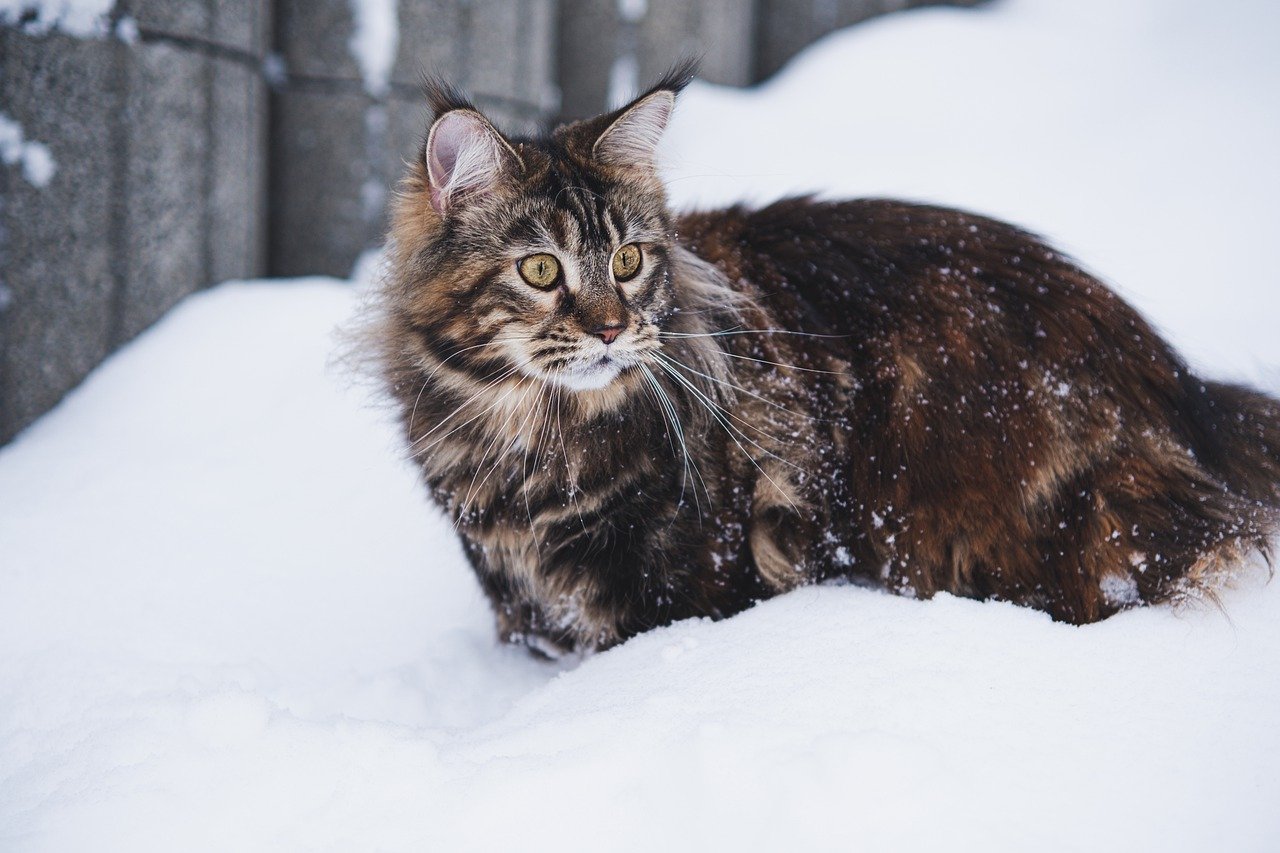
- Maine Coon: As gentle giants, their massive physical frame demands higher caloric intake. Their sensitive hearing and strong food motivation make them constant kitchen companions.
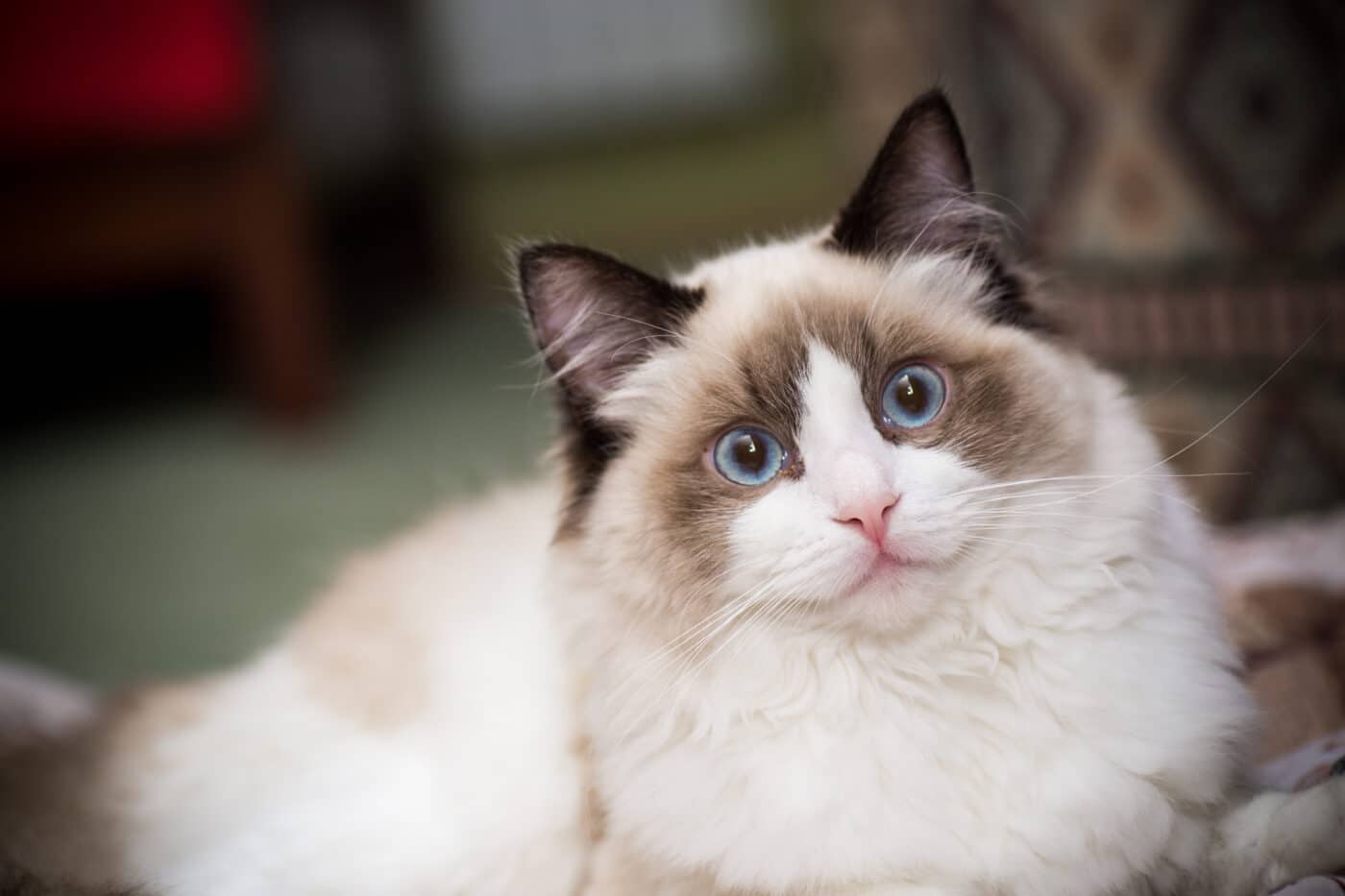
- Ragdoll: Despite their famously relaxed, floppy demeanor when held, Ragdolls transform into calculating strategists when food is prepared, employing gentle persistence and soft vocalizations.
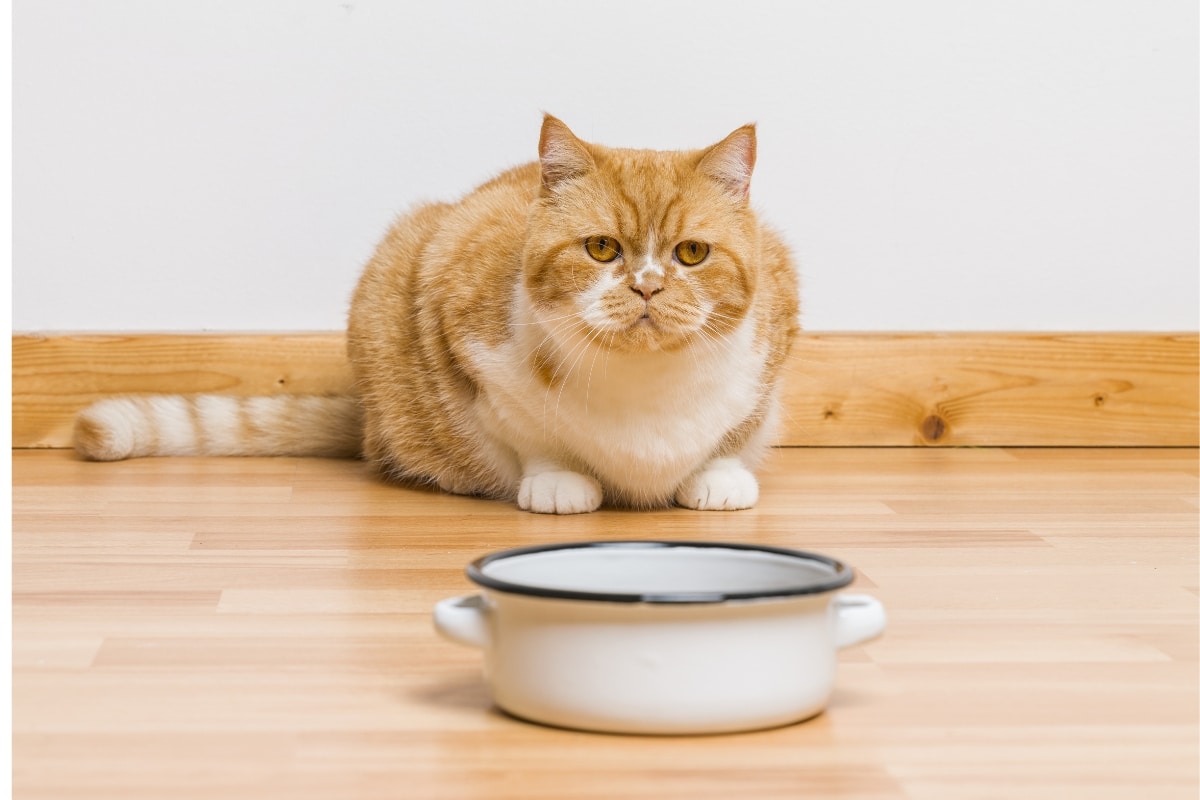
- British Shorthair: Dignified and sturdy, they utilize a silent, unyielding stare-down method by the food bowl, demonstrating quiet determination over chaotic begging.
- Sphynx: Due to their lack of a traditional coat, Sphynxes burn significant metabolic energy merely maintaining core body temperature. This heightened thermodynamic demand manifests as a permanent, insatiable appetite.
- Scottish Fold: Quietly observant stalkers of the kitchen, their patience at the food bowl is absolute—until delayed schedules trigger strategic guilt-tripping.
- Norwegian Forest Cat: Built for harsh Nordic climates, their natural instinct is to stock up on calories whenever possible, translating into a ninja-like sudden appearance at meal times.
- Persian: Beneath their luxurious coats and regal demeanors lies an appreciation for gourmet provisions, tuning their ears specifically to the rustle of premium packaging.
- American Shorthair: Practical and low-maintenance, they waste zero energy unless a meal is imminent, parking themselves firmly by the bowl to guarantee results.
- Burmese: Highly social, bold, and playful, Burmese cats shadow humans continuously, treating every open drawer as a potential source of tuna.
Official Statements and Veterinary Insights
The behavioral dynamic between high-energy cat breeds and their human caregivers has drawn significant commentary from veterinary organizations and behavioral scientists.
"When working with high-energy or hybrid-derived cat breeds, owners frequently underestimate the cognitive and physical toll of under-stimulation. A Bengal or Abyssinian denied structured play will often redirect that pent-up kinetic drive toward obsessive food-seeking behaviors, counter-surfing, or vocalization cycles."
— Dr. Eleanor Vance, Feline Behavioral Specialist
Furthermore, the Cornell Feline Health Center highlights the physiological risks associated with mismanaged food motivation:
"Food motivation in intelligent breeds is an evolutionary survival mechanism. However, in a domestic environment where calories are readily accessible, failing to match feeding schedules to real-time activity levels leads directly to feline obesity, joint degradation, and secondary metabolic disorders. Portion control must be treated as a science, not a reaction to vocal demands."
— Editorial Guidelines, Cornell Feline Health Center (2024 Review)
Registries emphasize that owners must respect the psychological wiring of these animals. TICA and CFA breed literature continually stresses that keeping a high-performance cat requires investing time in environmental enrichment—such as puzzle toys, agility training, and scheduled interactive hunting games—to decouple the urge for mental stimulation from the constant demand for food.
Future Outlook: Managing the Modern Food-Motivated Feline
As urban living spaces evolve and human schedules grow increasingly demanding, the intersection of feline athleticism and domestic feeding patterns presents both challenges and innovations.
1. Technological Integration in Feeding
The future of feeding high-motivation breeds lies in automation and cognitive engagement. Smart feeders equipped with microchip recognition, randomized release schedules, and puzzle-based mechanisms are becoming standard tools. These devices prevent cats from associating their human caregivers as the sole source of food, reducing anxiety-driven vocalizations and kitchen surveillance.

2. Tailored Nutritional Engineering
Pet food manufacturers are increasingly developing breed-specific formulations that address the distinct metabolic profiles of high-energy cats. Diets rich in high-quality protein, moderate in fat, and optimized for sustained energy release help satisfy the intense appetites of breeds like the Sphynx, Bengal, and Siamese without promoting excessive weight gain.
3. Preventive Veterinary Care
Veterinary practices are shifting toward proactive weight and behavioral counseling. By establishing baseline activity metrics early in a cat’s life, practitioners can design custom caloric regimens that adapt as the animal transitions from high-octane kittenhood to a dignified, yet eternally snack-obsessed, adulthood.
Ultimately, whether your feline companion is scaling upper kitchen cabinetry with the grace of a leopard or executing a silent, hypnotic stare beside the food bowl, their unwavering dedication to mealtime is a testament to their evolutionary brilliance. Understanding the needs of these athletic and food-driven breeds ensures a harmonious household where both physical energy and nutritional satisfaction are kept in perfect balance.