
ATLANTIC COUNTY, N.J. — September 28, 2026 — In the wake of a ferocious, late-September nor’easter that battered the Mid-Atlantic coastline with relentless wind, torrential rain, and dangerous storm surges, animal welfare organizations have mobilized a comprehensive emergency response. Alley Cat Allies, a preeminent national advocacy and rescue organization, immediately dispatched its specialized Rapid Response Team to Atlantic County, New Jersey. The mission: to safeguard, assess, and provide critical life-saving interventions for cats and kittens caught in the path of severe coastal flooding.
The storm, which prompted regional state-of-emergency declarations and mandatory evacuation orders in low-lying communities, transformed coastal roadways into waterways and knocked out power grids across multiple municipalities. While human residents grappled with property protection and evacuation protocols, animal advocates turned their immediate attention to the vulnerable feline populations—both housed pets and outdoor community cats—left exposed to the elements.
Executive Overview
The September 2026 nor’easter served as a severe reminder of the environmental vulnerabilities facing coastal animal populations. As storm systems intensify due to changing climate patterns, localized flooding presents an immediate, life-threatening hazard to animals lacking immediate shelter.
Upon touchdown in Atlantic County, Alley Cat Allies’ Rapid Response Team established a multi-pronged intervention strategy:
- Immediate Reconnaissance: Direct assessment of well-known community cat colonies, such as the famous Atlantic City Boardwalk Cats.
- Search and Rescue Operations: Active patrols through heavily flooded neighborhoods to locate displaced, trapped, or stranded felines.
- Strategic Partnerships: Close collaboration with the Humane Society of Atlantic County and regional veterinary infrastructure to guarantee emergency medical triage, short-term boarding, and nutritional support.
- Financial Mobilization: Establishment of a dedicated disaster relief grant to absorb the cascading costs of emergency veterinary care, feed distribution, and long-term shelter recovery.
Through decades of foundational work in the region—encompassing Trap-Neuter-Return (TNR) programs, caregiver networks, and veterinary outreach—Alley Cat Allies was uniquely positioned to transition from routine community support to active disaster management within hours of the storm’s peak.
Detailed Chronology of the Crisis and Response
The Storm Strikes: Escalating Conditions in Atlantic County
The weather system materialized days prior, gathering strength over the Atlantic before slamming into the New Jersey coastline. By the time the storm peaked, wind gusts had reached hazardous speeds, driving high tides well past sea walls and inundating beachfront thoroughfares. Municipalities enacted localized states of emergency as stormwater overwhelmed drainage systems, turning intersections into impassable lakes and cutting off electricity to thousands of homes and businesses.
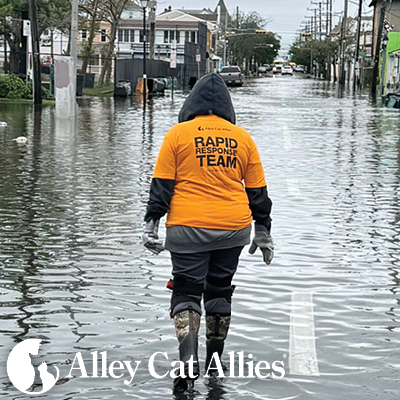
As emergency management agencies issued evacuation notices for vulnerable zones, animal welfare advocates immediately recognized the elevated risk to outdoor animals. Felines residing outdoors—including managed community cat colonies and unowned strays—faced immediate hypothermia, drowning hazards, and trauma from flying debris or collapsing structures.
The First Wave: Securing the Atlantic City Boardwalk Cats
With wind-driven rain still lashing the shoreline, the Alley Cat Allies Rapid Response Team prioritized its first operational objective: the historic Atlantic City Boardwalk Cats. These feline colonies, closely monitored and fed by local caregivers under established TNR frameworks, are high-visibility symbols of the city’s compassionate animal management.
Deploying directly to the boardwalk, responders conducted thorough health and safety checks. Despite the punishing elements, the team confirmed a reassuring reality: the Boardwalk Cats had successfully weathered the initial meteorological onslaught.
"Our team immediately headed to the Atlantic City Boardwalk to check on the Boardwalk Cats, assess their condition, and provide them with food," field reports indicated. "All are safe and doing well."
Search and Rescue in the Submerged Neighborhoods
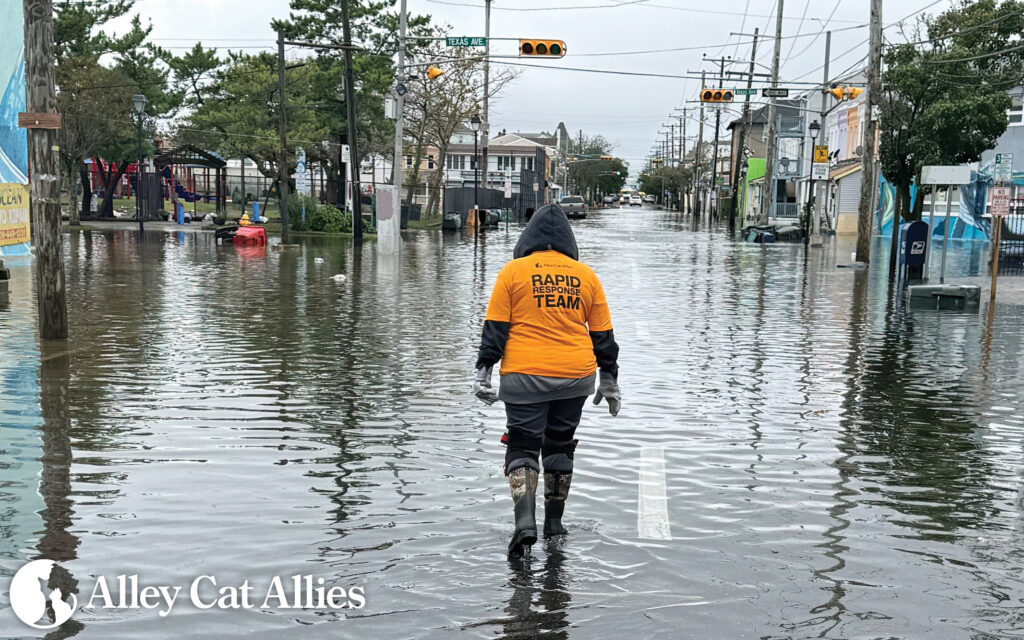
Following the confirmation of the boardwalk colonies’ safety, the focus shifted inward to the flooded residential and commercial districts of Atlantic County. Navigating waterlogged streets required caution, specialized equipment, and a deep understanding of feline ethology.
Cats are renowned for their survival instincts. Driven by centuries of evolutionary adaptation, felines facing rising waters instinctively seek elevated ground—scaling rooftops, climbing vehicle chassis, hiding within higher structural levels of abandoned buildings, or navigating into dense overhead brush. Consequently, many cats successfully evade immediate drowning, only to find themselves marooned without food, clean water, or protection from subsequent temperature drops.
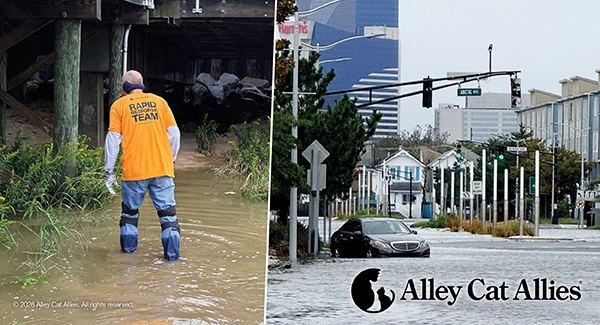
Responders combed through water-impacted sectors, distributing feed stations and checking hidden alcoves where displaced cats might have sought refuge. While immediate visual sightings of distressed cats were initially limited by the high water levels, animal protection experts emphasized that the true aftermath of a natural disaster often unfolds over days rather than hours.
Supporting Context & Metrics: Infrastructure as a Lifeline
The effectiveness of Alley Cat Allies’ rapid deployment in New Jersey was not a matter of chance; it was the direct result of decades of sustained infrastructural investment in Atlantic County.
The Power of Established Networks
For years, Alley Cat Allies has partnered with local stakeholders, municipal leaders, and compassionate volunteers to build a robust safety net for New Jersey’s cats. Key pillars of this infrastructure include:
- Trap-Neuter-Return (TNR): Stabilizing community cat populations humanely, ensuring healthier, more resilient outdoor cat colonies.
- Affordable Veterinary Access: Lowering economic barriers to sterilization, vaccination, and basic medical care.
- No-Cost Food Banks: Partnering with regional caregivers to maintain steady nutritional supplies, which proves vital when normal supply chains are disrupted by severe weather.
When a natural disaster strikes, organizations attempting to build an operational network from scratch face insurmountable delays. Because Alley Cat Allies had already cultivated deep community ties, trusted caregiver networks, and established communication channels with regional shelters, they bypassed administrative bottlenecks. They were able to deploy resources directly to the front lines on day one.
Mobilizing the Disaster Relief Grant
Recognizing that the financial burden of post-disaster veterinary medicine can overwhelm local shelters and individual rescuers, Alley Cat Allies formally established a specialized disaster relief grant. This funding vehicle is specifically structured to underwrite:
- Emergency Veterinary Triage: Treating injuries sustained from flood debris, lacerations, chemical contamination from urban runoff, and severe hypothermia.
- Emergency Boarding: Securing temporary housing facilities for displaced pets and community cats whose primary feeding stations or shelters were destroyed.
- Nutritional Replenishment: Supplying bulk food to caregivers and partner shelters experiencing supply shortages due to localized infrastructure failures.
Official Statements and Institutional Collaboration
The magnitude of coastal flooding events necessitates unprecedented levels of inter-agency cooperation. Alley Cat Allies has worked hand-in-hand with regional institutions to ensure no animal falls through the cracks of the emergency response framework.
The Humane Society of Atlantic County Partnership
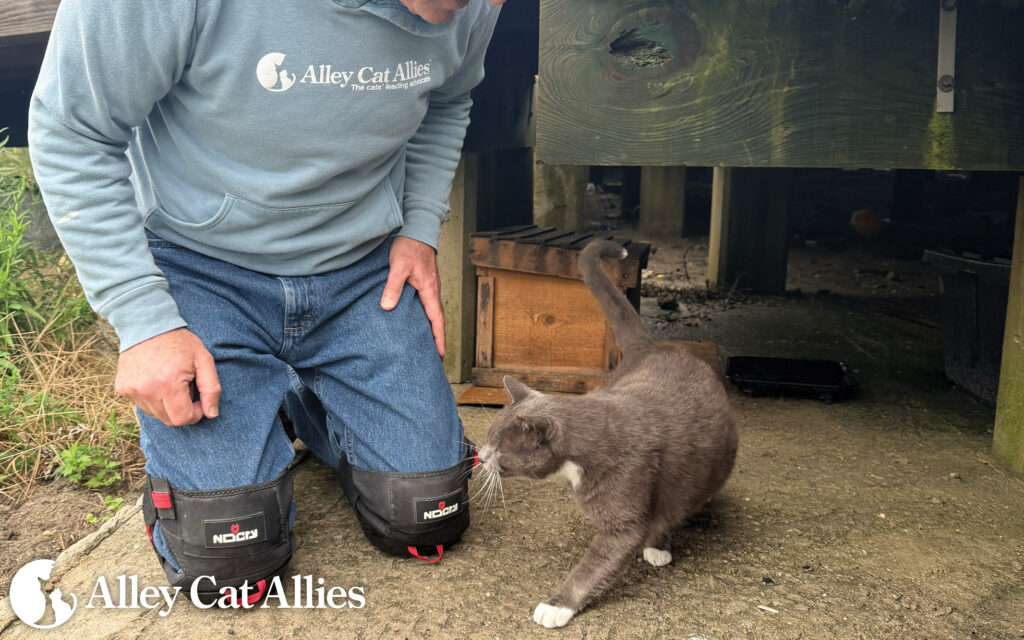
A cornerstone of the 2026 storm response is the seamless coordination between Alley Cat Allies and the Humane Society of Atlantic County, alongside local veterinary clinics. This coalition functions as an integrated emergency medical network.
While field teams patrol the water-impacted zones to extract or feed stranded animals, partner veterinary facilities maintain operational readiness to receive critical-care patients.
"We are connected with the Humane Society of Atlantic County and veterinary clinics in the area and stand ready to provide immediate veterinary treatment, emergency boarding, and food for cats affected by the storm," organizational spokespersons reiterated. "Cats may continue to emerge throughout the week, and we have established a special disaster relief grant to cover costs of their care."
Animal behaviorists and shelter directors note that displaced cats frequently remain in hiding until floodwaters fully recede and human activity settles into a predictable routine. As a result, rescue teams anticipate an influx of calls from residents discovering hungry, disoriented, or mildly injured felines in the days following the storm’s physical departure.
Future Outlook & Emergency Preparedness
While the immediate crisis along the Atlantic County coast is being actively managed, the September 2026 nor’easter underscores a broader, systemic challenge: the increasing frequency and severity of extreme weather events. As climate volatility reshapes coastal ecosystems, animal advocacy organizations are pivoting aggressively toward proactive preparedness education.
Empowering Communities: The Cat Emergency Kit
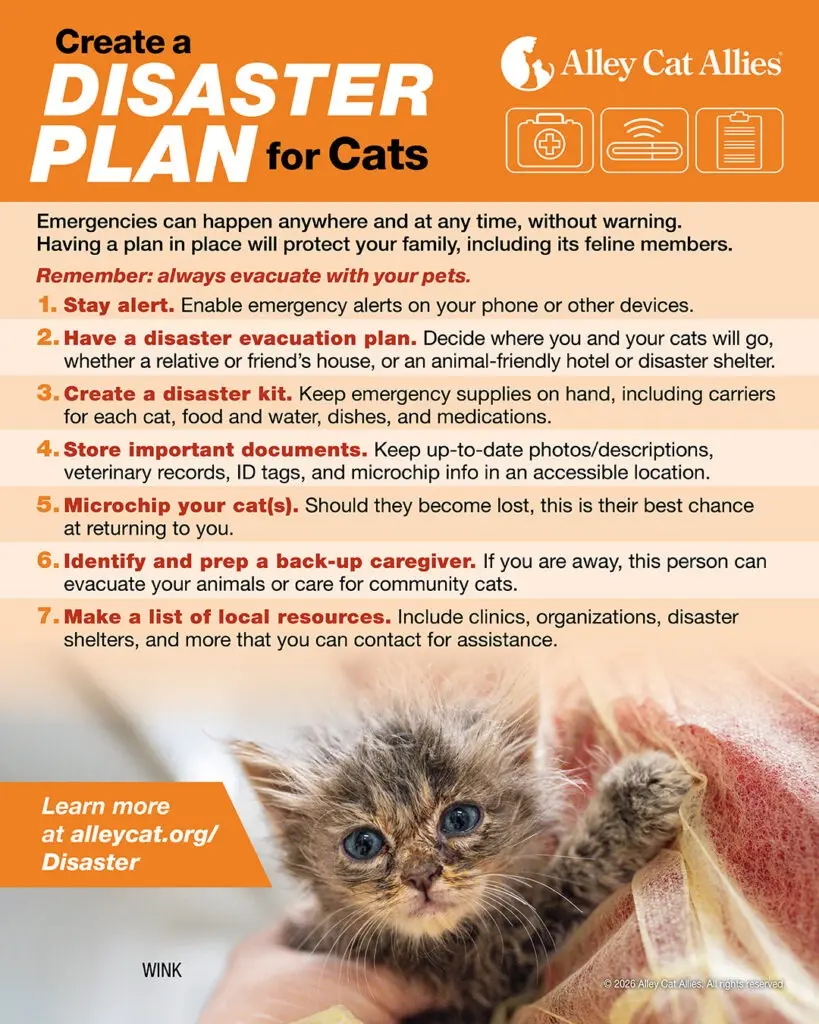
Disaster mitigation begins long before a storm makes landfall. Alley Cat Allies has amplified its nationwide public education campaigns, urging pet owners and community cat caregivers to integrate animals into comprehensive family emergency plans.
Emergency management experts recommend that all households with cats take foundational precautions:
- Build a Cat Emergency Kit: Assemble a portable waterproof container containing at least a two-week supply of canned and dry food, bottled water, a manual can opener, clean litter and a portable pan, waste disposal bags, and necessary medications.
- Identification and Documentation: Ensure all cats wear safety collars with up-to-date tags and are microchipped with current contact information. Keep digital and physical copies of vaccination records and ownership documents in a waterproof pouch.
- Establish Evacuation Protocols: Identify pet-friendly hotels, emergency shelters, or out-of-town relative networks well in advance. Never leave a cat behind during a mandatory evacuation order; animals left loose outdoors face exponential risks during floods and storms.
- Know Local Resources: Maintain contact lists for local animal control, humane societies, and national rescue organizations operating in the region.
How the Public Can Support Ongoing Relief
The financial and logistical demands of disaster response extend far beyond the initial days of a weather event. Alley Cat Allies continues to call upon the public, donors, and animal advocates to sustain its relief operations in New Jersey and other disaster-prone regions across the United States.
Contributions directly fund the deployment of field equipment, medical treatments for injured wildlife and felines, food distribution networks, and the long-term rehabilitation of storm-damaged community cat shelters.
To support Alley Cat Allies’ ongoing disaster response initiatives, or to access comprehensive emergency preparedness guides for pet families and community cat caregivers, visit alleycat.org/disaster or contribute directly at secure.alleycat.org.