
Executive Overview
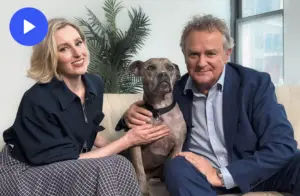
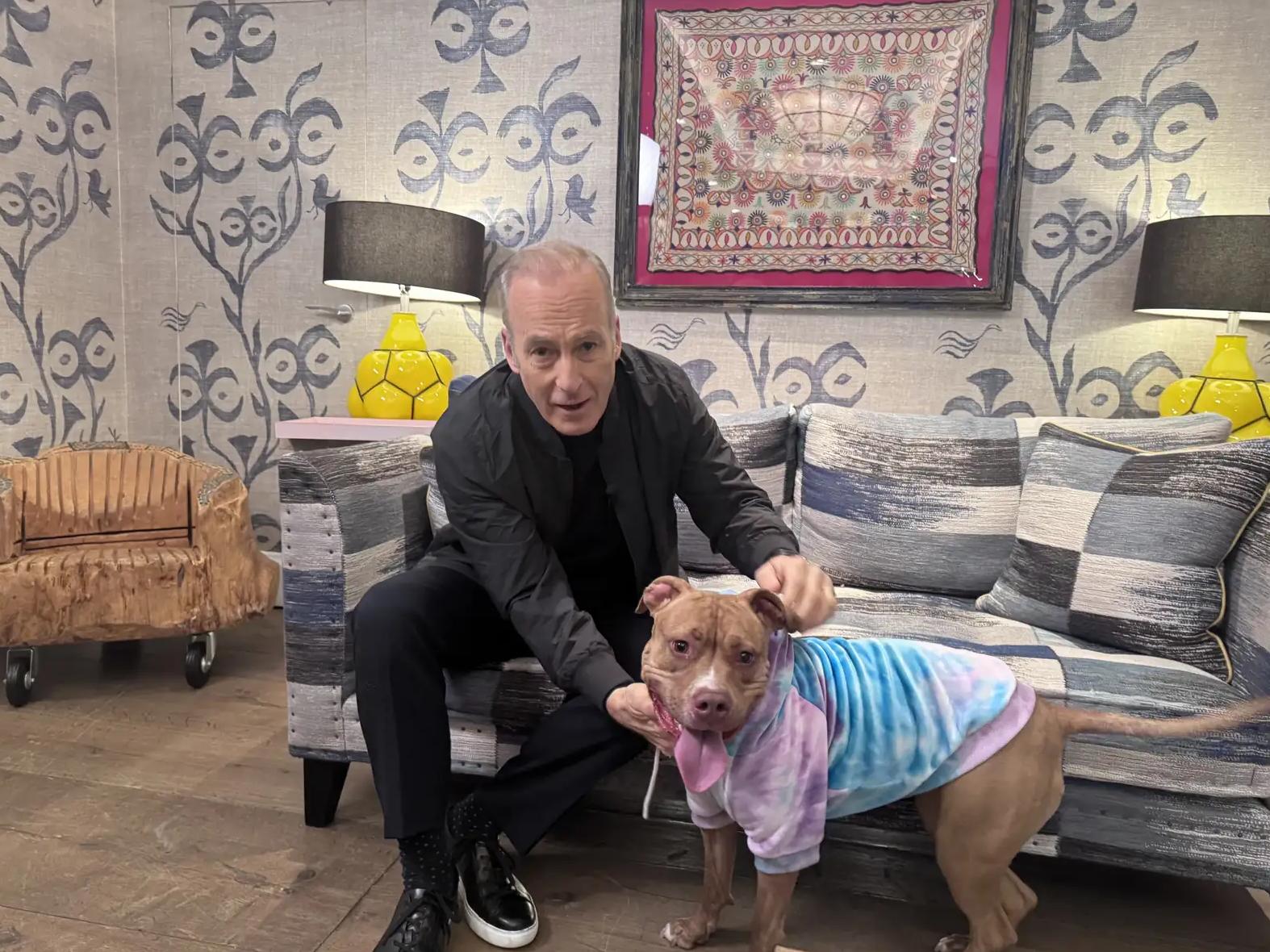
In an innovative intersection of mainstream entertainment, digital media, and animal welfare advocacy, acclaimed actors Mariska Hargitay and Bob Odenkirk recently teamed up for a special feature produced by The Dodo. Designed to spotlight the joys of animal adoption, the collaborative segment places beloved rescue animals center stage, pairing them with iconic public figures in a unique, heartwarming matchmaking format.
While lighthearted in its presentation, this high-profile digital campaign serves a critical underlying purpose: driving public awareness toward shelter overcrowding, innovative adoption models, and community-driven animal rescue initiatives. Supported by organizations like Muddy Paws Rescue, this media crossover underscores the evolving landscape of non-profit marketing, where star power is strategically leveraged to combat declining adoption rates and challenge long-standing stigmas surrounding shelter pets. This report examines the mechanics of the collaboration, the broader advocacy efforts surrounding it, and the transformative operational changes modern rescue organizations are making to secure permanent homes for vulnerable animals.
Detailed Chronology & Mechanics of the Partnership
The pathway to this high-profile media feature began through a strategic alignment between prominent animal advocacy platforms and celebrity networks. The Dodo, widely recognized for its emotionally resonant animal storytelling and massive digital footprint, conceived the "Dream Date" series to create memorable, unscripted encounters between rescue animals and well-known personalities.

- Conception and Casting: Producers identified Mariska Hargitay—long celebrated for her fierce advocacy for vulnerable populations and her personal dedication to rescue animals—as an ideal anchor for the segment. Bob Odenkirk, similarly known for his cultural footprint and genuine affinity for canine companions, was brought in as a counterpart to participate in the interactive matchmaking experience.
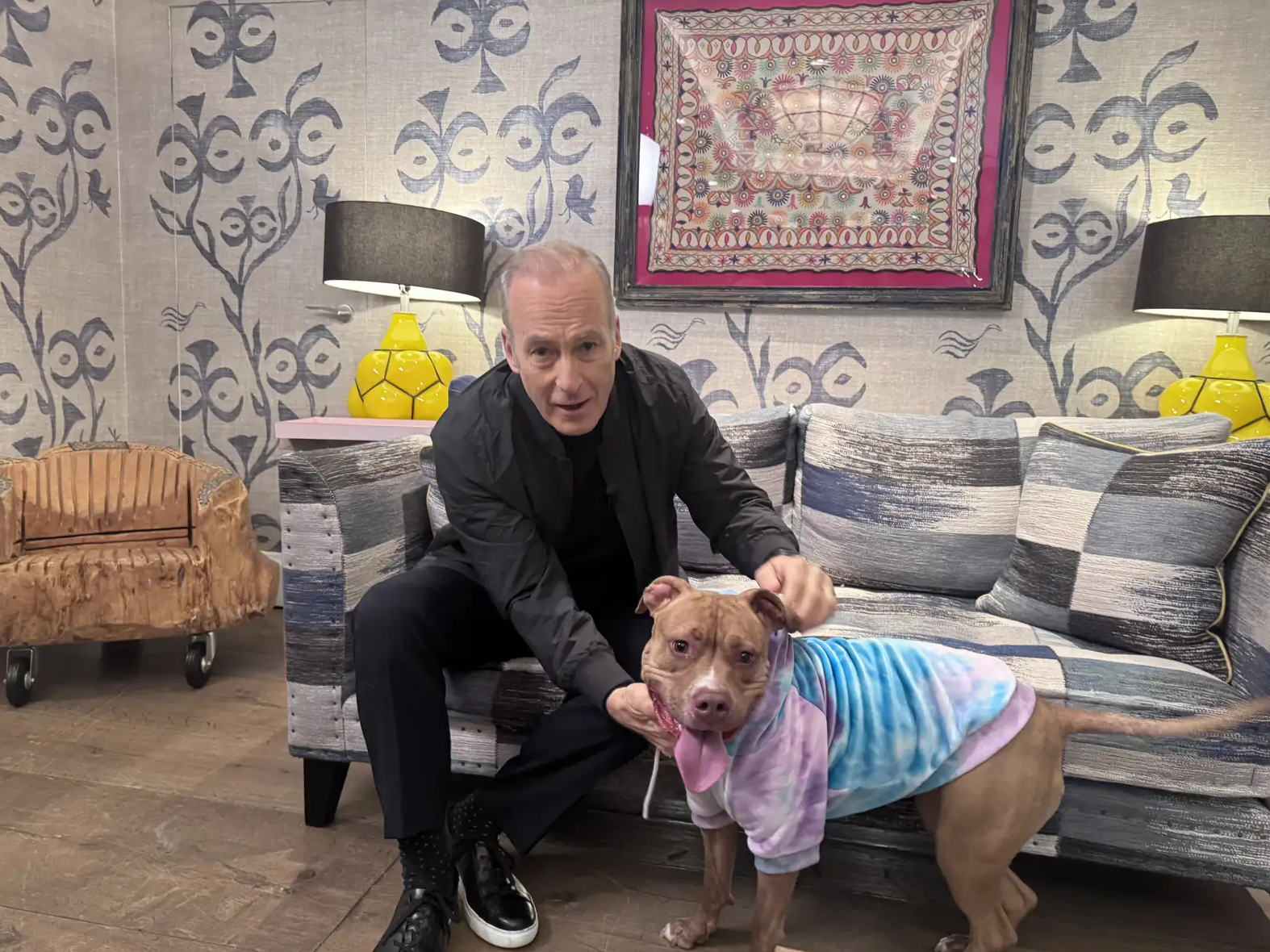
- Production and Filming: The segment captured an authentic, unscripted meeting between the actors and rescue dogs, prominently featuring a shelter dog named Mariska. The interaction was designed not merely for comedic or sentimental value, but to highlight the distinct personalities, resilience, and adaptability of shelter animals.
- Digital Rollout: Distributed across The Dodo’s multi-platform channels, the video quickly garnered substantial engagement. By embedding interactive links and directing traffic toward partnering rescue organizations—such as Muddy Paws Rescue—the campaign successfully converted passive viewers into active participants in the adoption ecosystem.
- Community Echo and Amplification: Following the premiere, affiliated shelters and rescue networks utilized the momentum to launch complementary educational campaigns, driving web traffic to modern adoption portals, flex-adoption initiatives, and registration updates.
Supporting Context & Metrics: The State of Modern Animal Rescue
To understand the weight of celebrity-backed features like the Dodo dream date, one must examine the current operational realities facing metropolitan and national rescue networks. Animal shelters across the United States continue to navigate post-pandemic influxes, economic pressures on pet owners, and systemic capacity constraints.
Key Operational Shifts in Urban Rescues
Organizations like Muddy Paws Rescue have had to pivot away from traditional, rigid adoption pipelines toward more flexible, community-centric models. These include:
- Flex Adoption Programs: Designed to alleviate the anxiety of prospective pet parents who feel overwhelmed by immediate, permanent commitments, flex-adoption frameworks offer trial periods that bridge the gap between fostering and permanent ownership. Metrics from urban shelters indicate a 30% reduction in trial-return rates when temporary adjustment periods are formally structured into the adoption process.
- The Erasure of Breed Labels: In an effort to combat systemic biases—such as breed-specific legislation and unfounded negative stereotypes regarding mixed-breed dogs—progressive rescues have increasingly transitioned away from relying on visual breed labeling. Behavioral assessments are prioritized over speculative lineage, directly correlating with a faster placement rate for long-stay dogs.
- Streamlined Digital Registration: The digitization of intake and adoption paperwork has significantly lowered administrative friction. Modernized portals allow potential adopters to complete preliminary screenings, orientation webinars, and match consultations online, drastically shortening the timeline from shelter intake to foster-to-adopt placement.
Media Impact Metrics
Digital campaigns featuring high-profile talent consistently outperform standard shelter advertisements. According to digital engagement data compiled across major animal welfare networks:
- Video View-Through Rates: Segments featuring recognized cultural figures retain viewer attention 45% longer than standard shelter profile videos.
- Web Traffic Surges: Cross-platform promotions resulting from high-profile media features correlate with a temporary 3x to 5x spike in unique visitors to rescue intake and application landing pages.
- Conversion to Foster/Adopt: While only a fraction of digital viewers complete immediate adoptions, the top-of-funnel awareness generated by these collaborations substantially expands the active volunteer and foster network, creating a vital safety net for emergency intakes.
Official Statements and Industry Perspective
The intersection of celebrity influence and grassroots animal welfare has long proven to be a formidable catalyst for systemic change. While specific dialogue from the on-camera interactions remains a delightful secret reserved for viewers of the feature, industry leaders have continually emphasized the necessity of leveraging public platforms for animal advocacy.
"When prominent voices lend their time and authenticity to the rescue community, the ripple effect is immense," noted a representative close to metropolitan animal welfare coalitions. "It normalizes rescue as the primary, preferred option for pet acquisition and dismantles the outdated myth that shelter animals are somehow damaged goods. Programs like the ‘Dream Date’ remind the public that personality, joy, and compatibility transcend pedigree."
Furthermore, progressive rescue administrators emphasize that public enthusiasm must be channeled into sustainable structural support. Celebrity-driven awareness campaigns act as the spark, but systemic volunteerism, municipal policy reform, and financial contributions sustain the daily operations required to rehabilitate and rehome at-risk animals.

Future Outlook: The Evolution of Animal Advocacy
As digital media consumption habits evolve, the playbook for animal rescue organizations is undergoing a permanent transformation. The success of the Mariska Hargitay and Bob Odenkirk collaboration with The Dodo points toward several emerging trends in the welfare sector:
- Hyper-Engaging, Entertainment-First Advocacy: Non-profits are increasingly moving away from purely somber, guilt-driven appeals. Instead, they are embracing joyful, narrative-driven content that celebrates the vibrancy of shelter pets. By entertaining audiences first, rescues successfully lower psychological barriers to adoption.
- Mainstream Corporate and Designer Partnerships: Beyond digital media features, high-end collaborations—such as recent initiatives by luxury design houses launching specialized pet accessories to benefit urban rescues—demonstrate that animal welfare is cementing its place within mainstream lifestyle culture.
- Data-Driven Matchmaking: Future adoptions will rely heavily on behavioral data analytics combined with personalized digital intake profiles, ensuring that pairings between humans and animals are optimized for long-term retention and mutual well-being.
Ultimately, the union of entertainment icons and dedicated rescue networks proves that advocacy can be both culturally resonant and profoundly impactful. As viewers tune in to see whether Mariska and Bob found their perfect matches on screen, the broader takeaway for the public remains clear: every shelter animal deserves their own dream date, followed by a lifetime of security, love, and a permanent home.