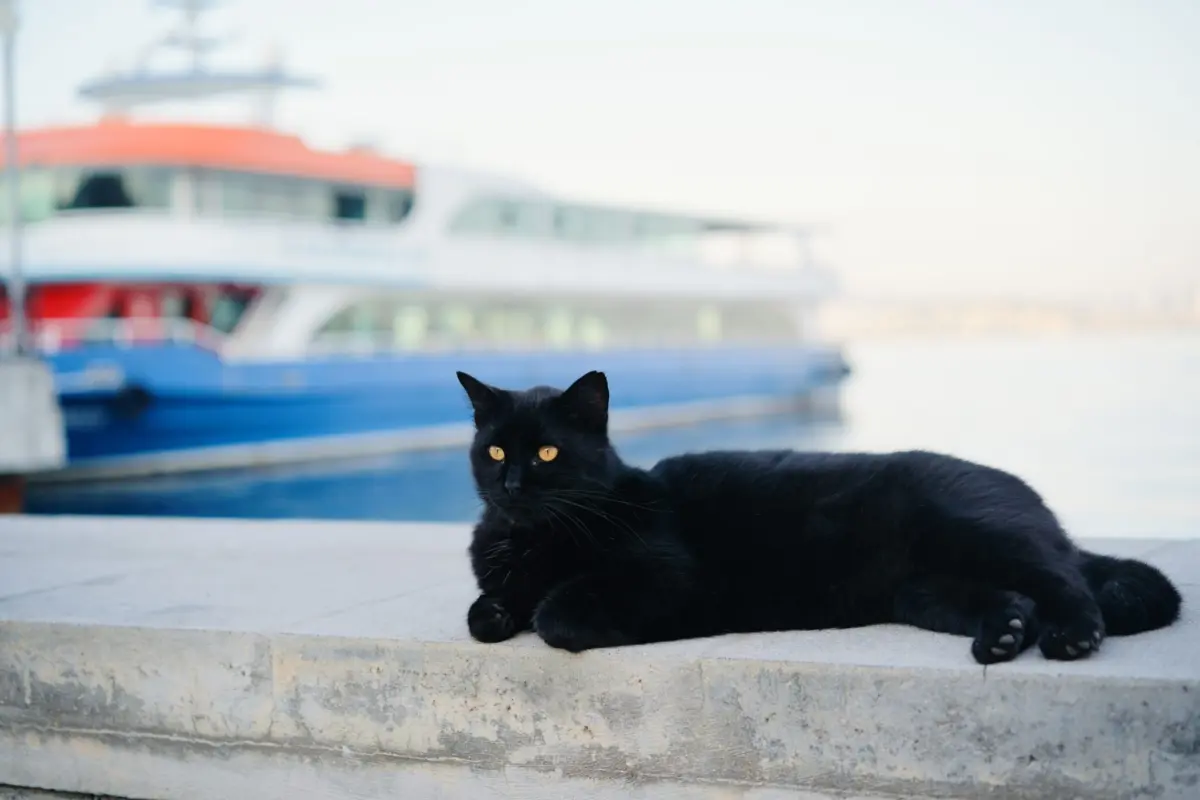
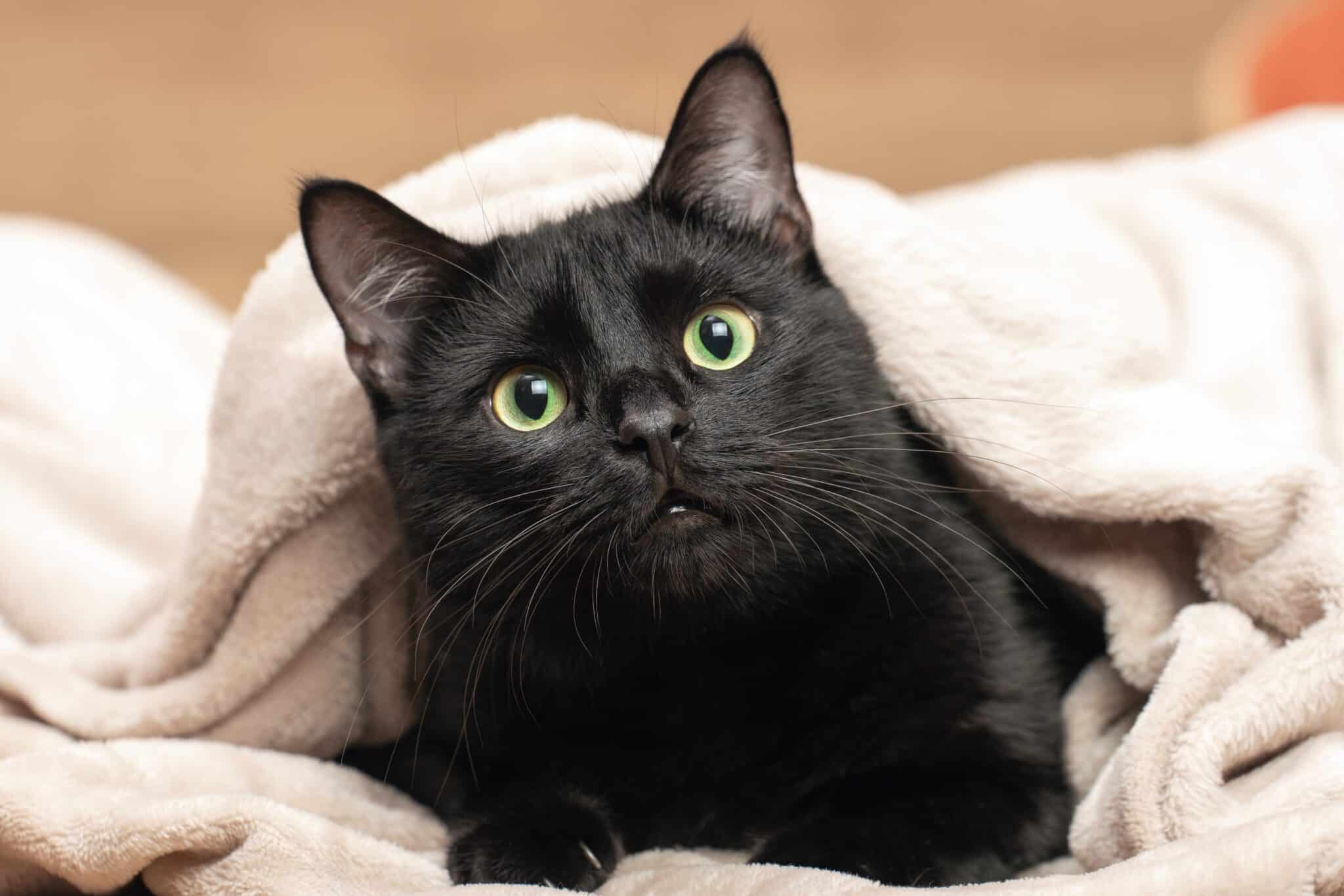
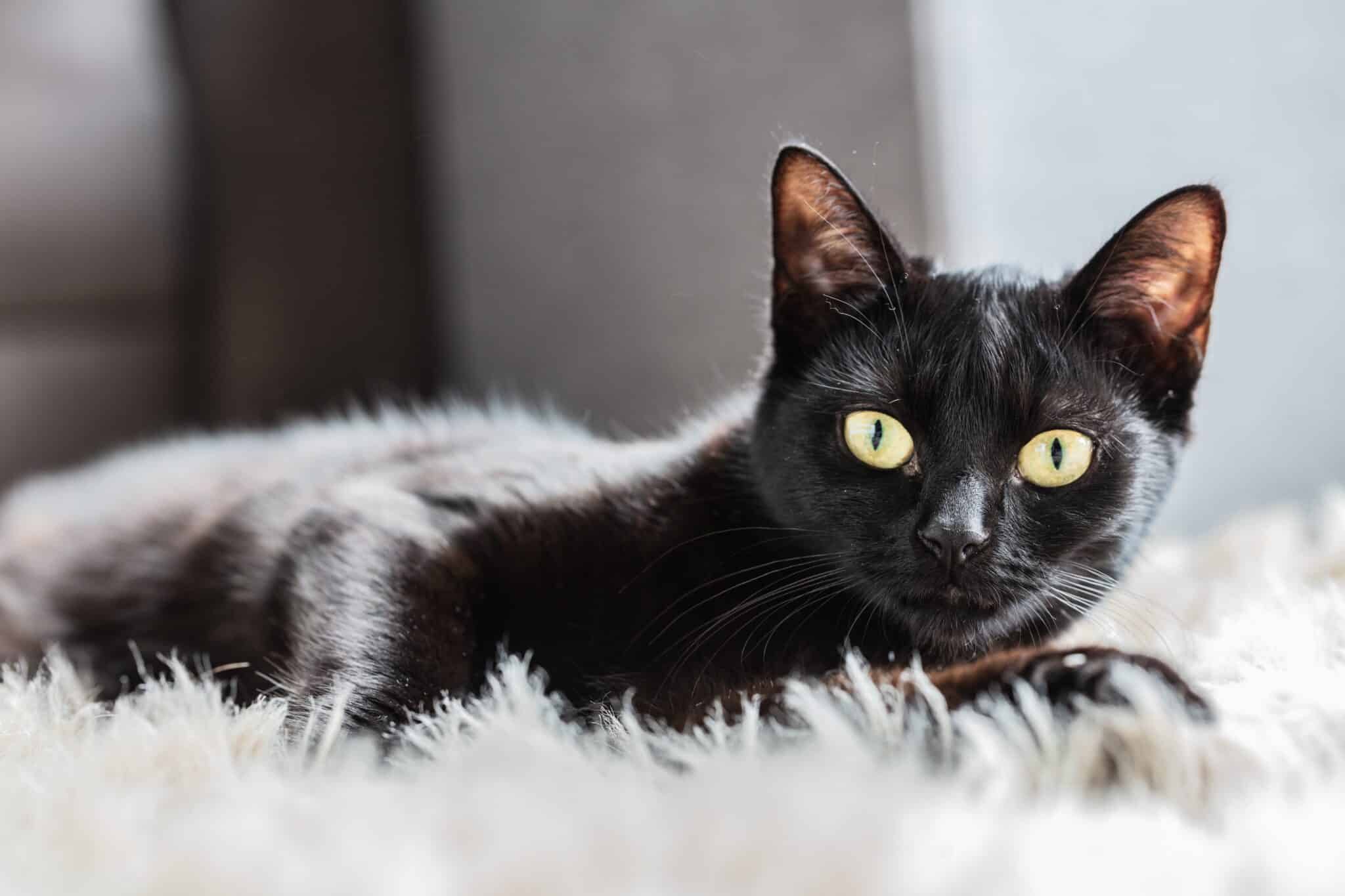
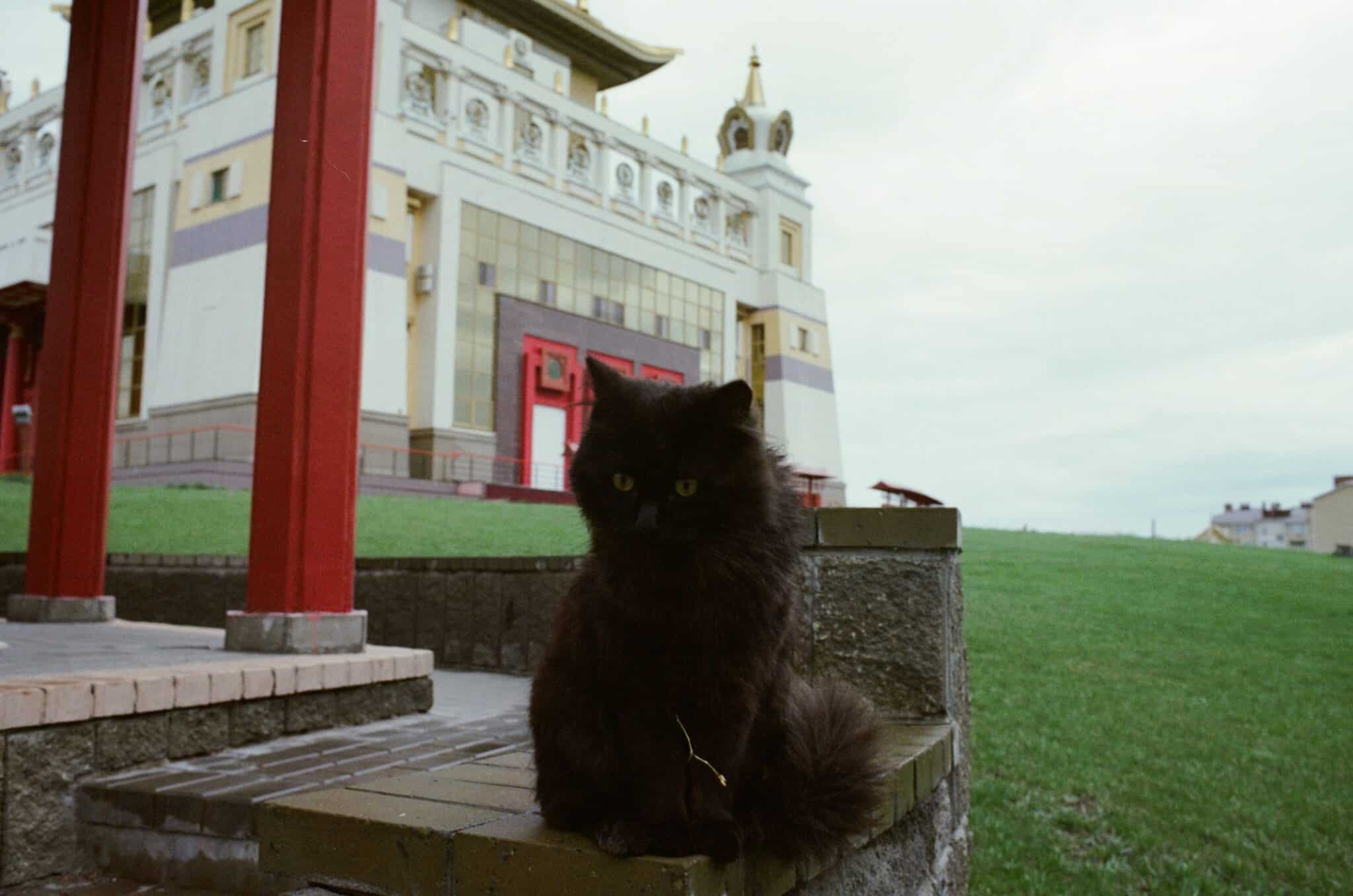
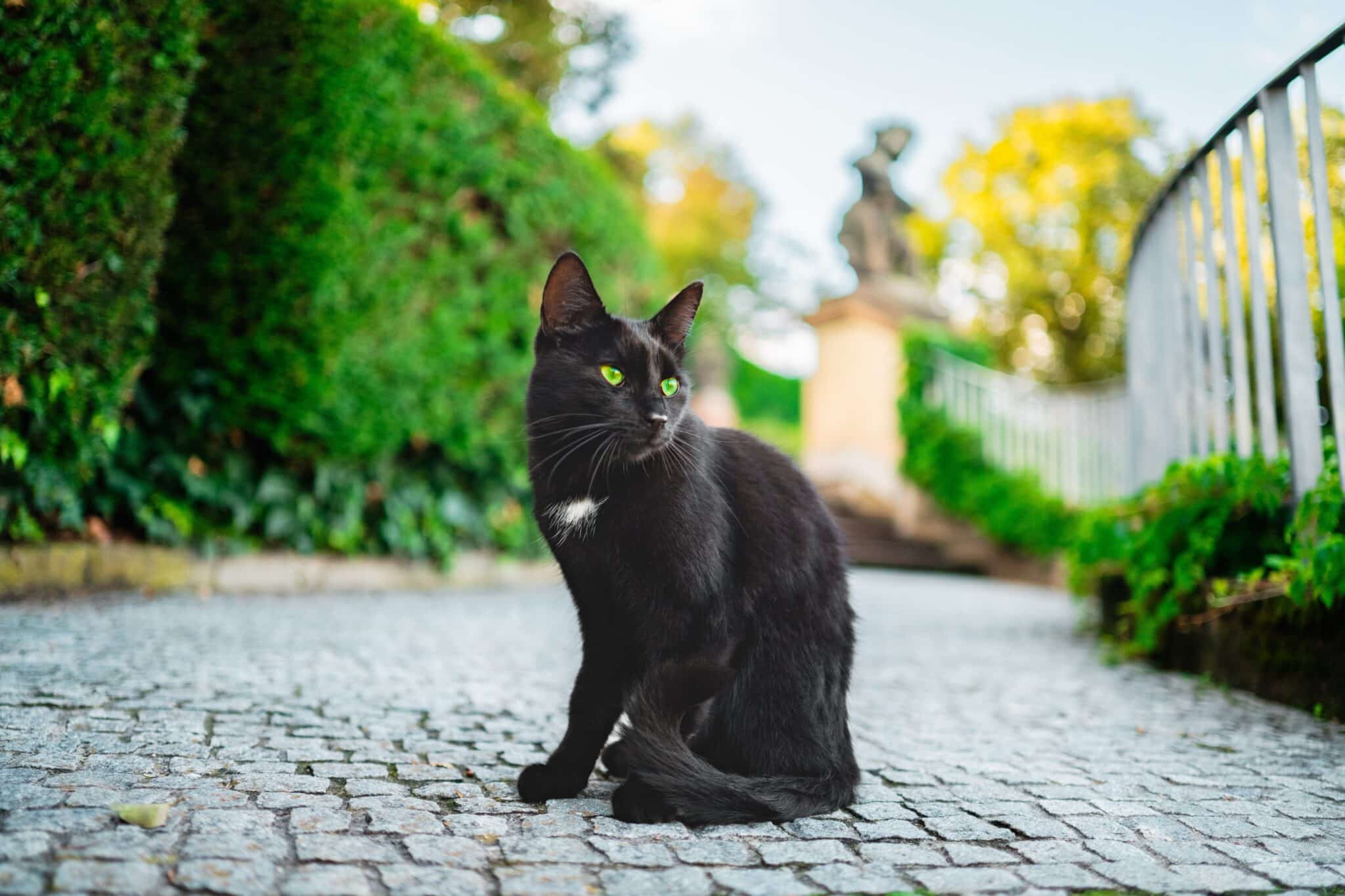
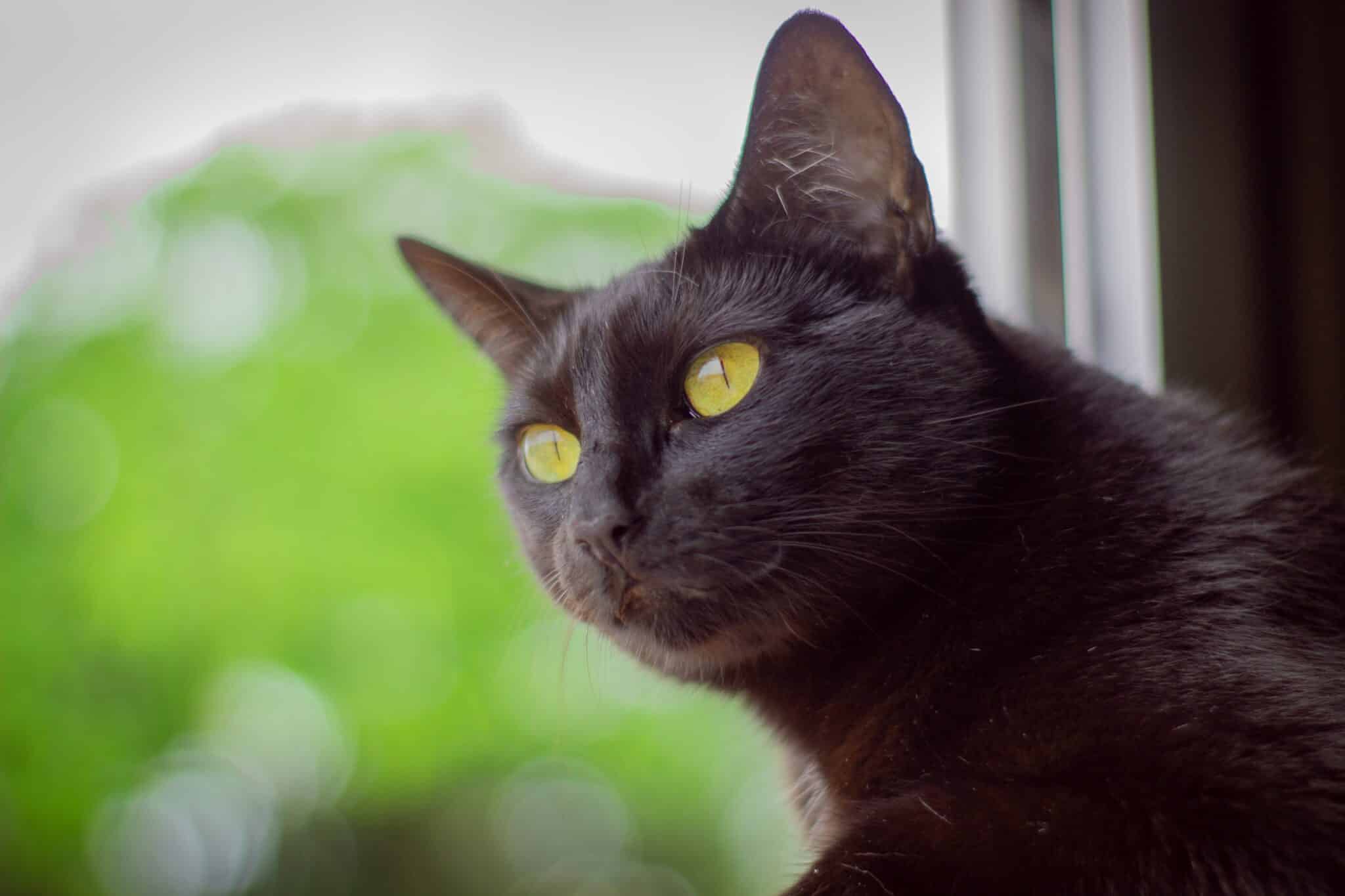
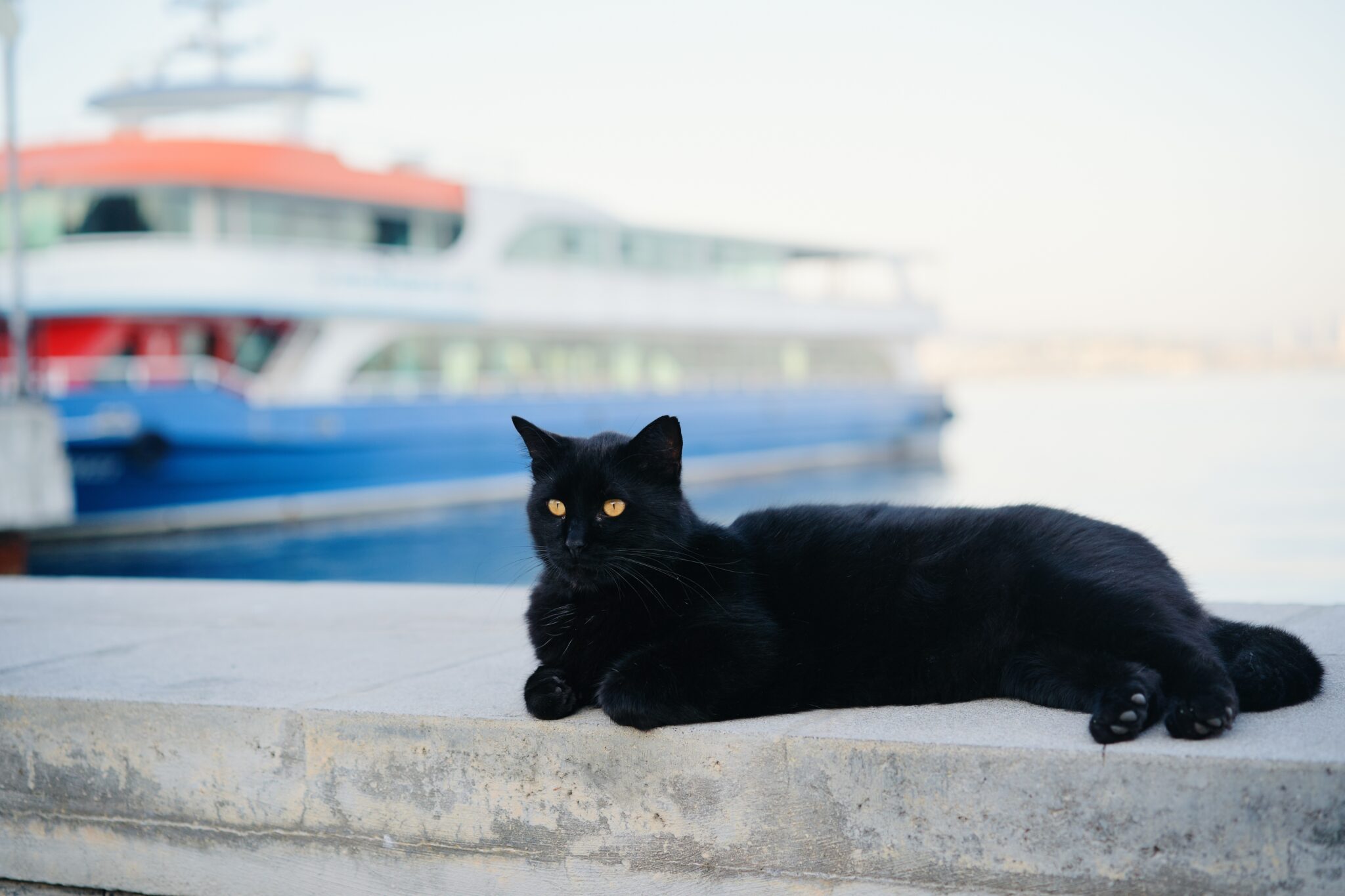
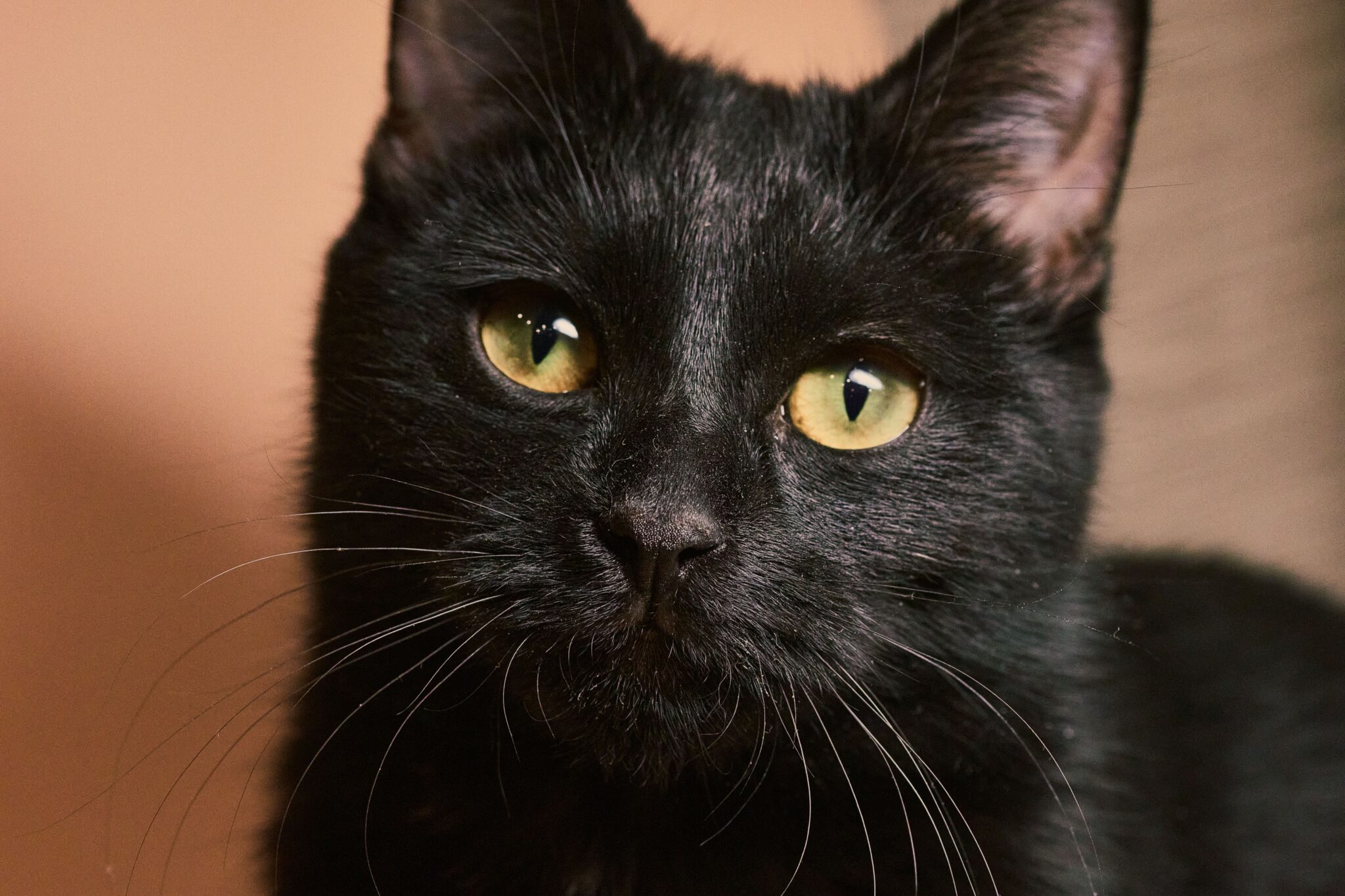
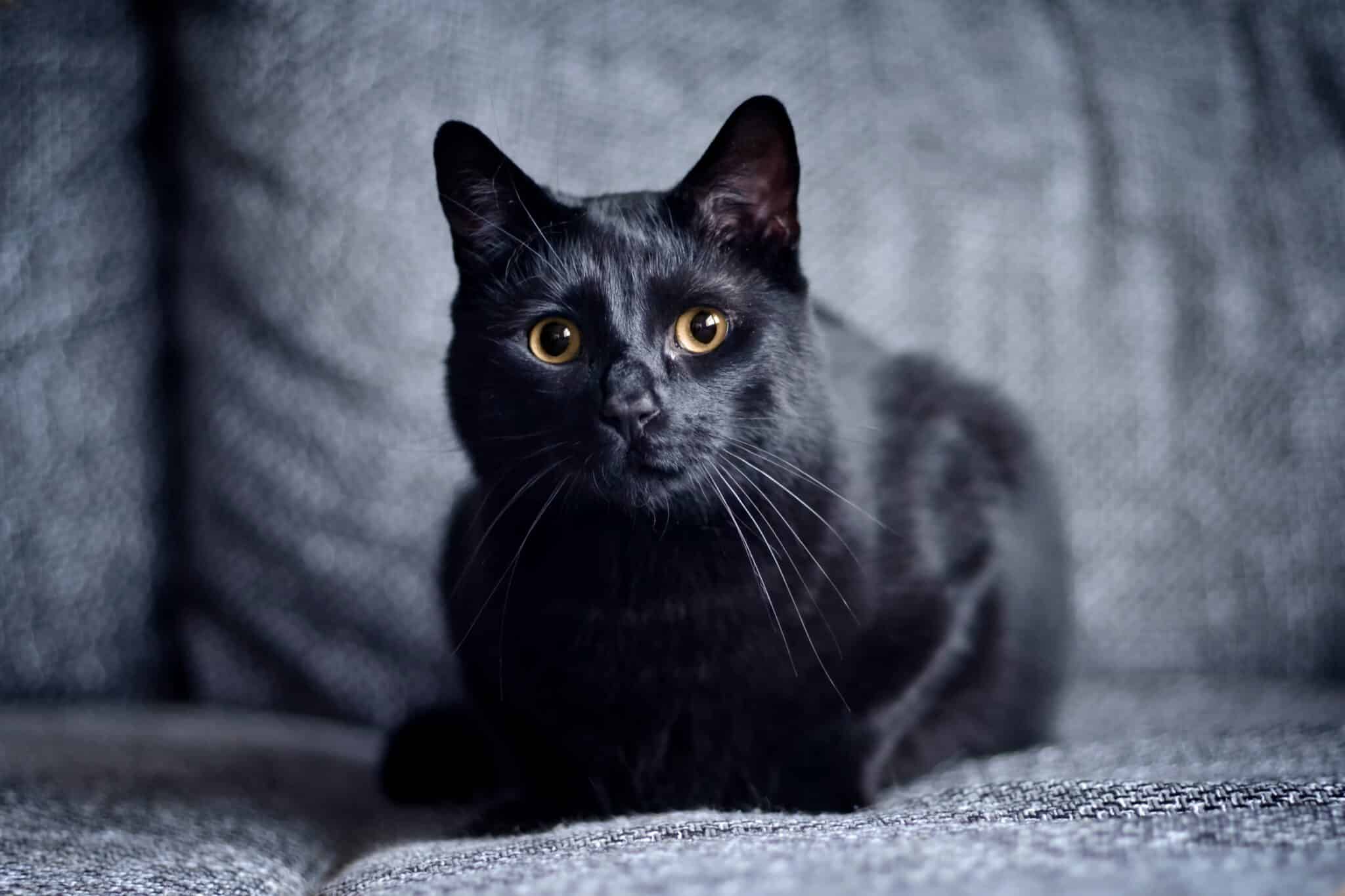
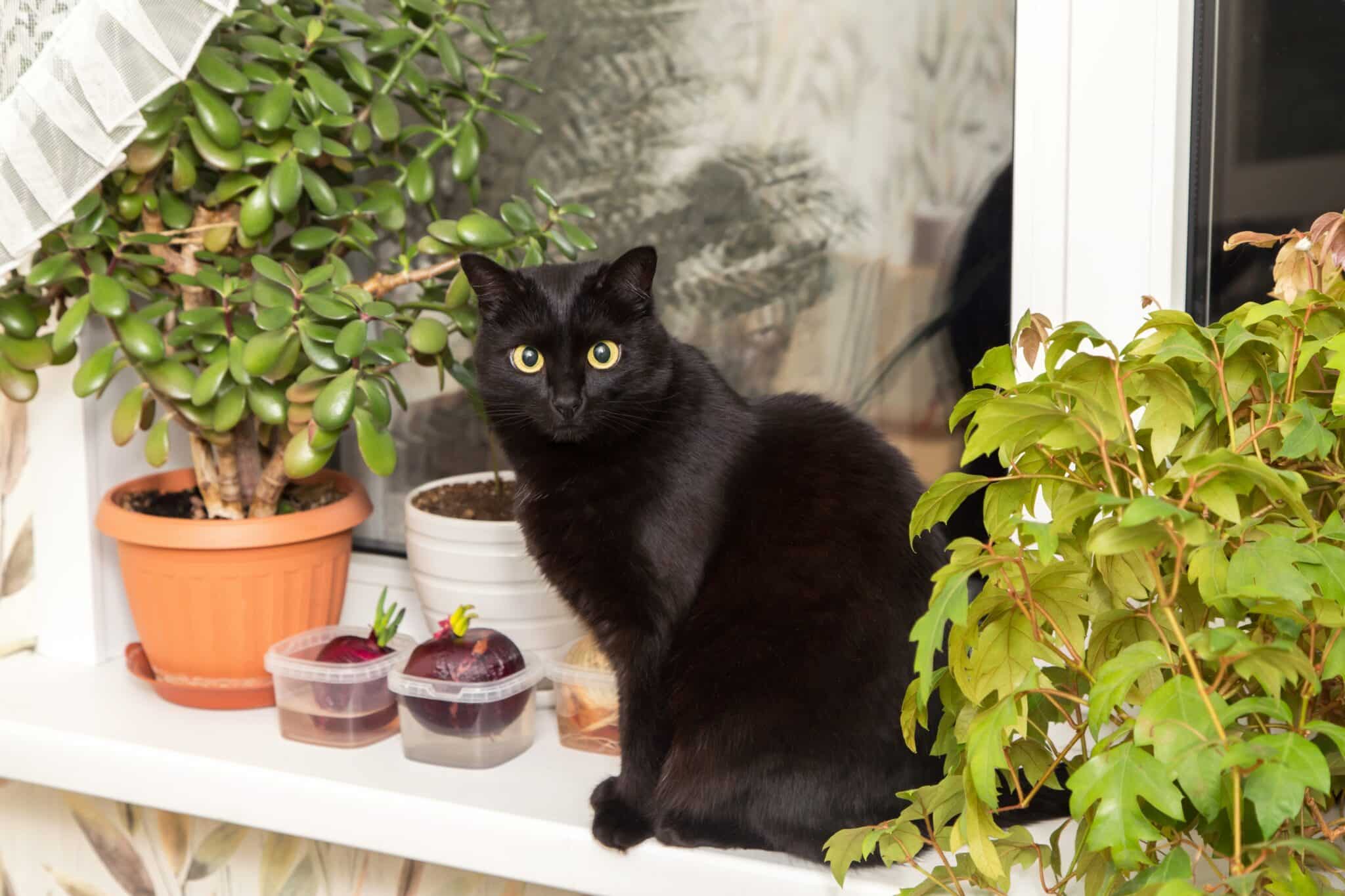
For millennia, the sleek silhouette, luminous golden or emerald eyes, and glossy coats of black cats have cast a long shadow over human history, art, and folklore. These striking felines have served as living paradoxes—worshipped as divine protectors in ancient civilizations, condemned as harbingers of demonic forces during the European Middle Ages, celebrated as bringers of prosperity in British and Japanese maritime lore, and commercialized as spooky seasonal props for modern Halloween festivities.
Yet, beneath the layers of myth, superstition, and literary dramatization lies a simple zoological reality: black cats are domestic felines whose dark pigmentation is the direct result of melanin genetics. Despite the wealth of scientific understanding available today, these animals continue to face unique social hurdles, including persistent adoption biases and shelter misconceptions often referred to by rescue workers as "black cat syndrome."
This comprehensive report examines the complex cultural trajectory of the black cat. By analyzing historical milestones, genetic science, literary representations, and modern advocacy efforts, we uncover how human perception has shaped the fate of these animals—and how contemporary education campaigns are successfully dismantling centuries-old prejudices to secure their rightful place as cherished household companions.
Detailed Chronology: From Ancient Temples to Modern Shelters
The relationship between humanity and black cats is a sweeping historical narrative marked by radical shifts in status, reverence, and persecution. Tracing this timeline illuminates how cultural anxieties and societal changes have directly impacted these animals.
1. Ancient Egypt and the Cult of the Sacred Cat
Long before European superstitions associated dark-coated felines with the occult, ancient Egyptian society held cats in exceptionally high regard. Valued primarily for their pragmatic ability to protect agricultural grain stores and food supplies from rodent infestations, cats rapidly ascended to a profound spiritual status.
The feline-headed goddess Bastet (or Bast) represented home, fertility, motherhood, and the protective aspects of the sun. While modern retellings frequently exaggerate the notion that ancient Egyptians worshipped every black cat as an individual deity, the broader cultural veneration of the species established a lasting precedent of feline admiration. Harming a cat—even accidentally—was treated as a severe crime carrying harsh penalties, demonstrating an early human recognition of the ecological and spiritual value of felines.
2. Medieval Europe, Witchcraft, and the Vox in Rama
As cultural tides shifted in medieval and early modern Europe, the societal status of the cat underwent a dramatic and tragic reversal. Religious anxieties, localized folklore, and the rising tide of inquisitorial fervor led to the association of cats—particularly those with dark or black coats—with witchcraft, heresy, and the supernatural.
A critical historical turning point in this demonization was the issuance of the papal document Vox in Rama by Pope Gregory IX in 1233. This document detailed alleged heretical rituals and included vivid, disturbing descriptions of black cats acting as vessels or familiars for demonic forces. Although the text was not intended as a universal or systematic decree to exterminate black cats across all of Christendom, its circulation contributed significantly to the growing climate of fear.
During subsequent periods of witch trials, ordinary animals—especially solitary black cats keeping company with marginalized or accused individuals—frequently became targets of suspicion alongside humans. These historical anxieties laid the foundation for the enduring Halloween tropes observed today.
3. Maritime Prosperity and Folklore Transformations
Not all European societies shared these bleak views. In stark contrast to continental superstitions, various regions of the British Isles and Scotland developed deeply positive associations with black cats. In Scottish folklore, the unexpected arrival of a black cat on a doorstep was traditionally interpreted as a sign of imminent prosperity and good fortune. Similarly, in many English coastal communities, fishermen’s wives kept black cats at home, believing the animals possessed the magical ability to protect their husbands from the perils of the sea.
This maritime affinity extended directly onto ships. For centuries, sailors routinely welcomed cats aboard vessels for practical reasons: controlling rat populations that threatened valuable cargo, ropes, and wooden infrastructure. Beyond pest control, seafaring superstition often elevated ship cats to guardians of safe passage. A black cat aboard a vessel was frequently viewed as a talisman of luck, ensuring calm seas and a successful voyage.
4. The Gothic Literary Tradition and Victorian Art
By the 19th century, the dark aesthetic of the black cat had firmly embedded itself in romanticized Gothic literature and visual arts. Writers recognized the unique atmospheric tension these animals could evoke.
Chief among these literary contributions is Edgar Allan Poe’s chilling 1843 short story, The Black Cat, which utilized feline imagery to explore themes of guilt, psychological deterioration, and domestic horror. While Poe’s narrative cemented the animal’s connection to eerie, macabre settings in the public consciousness, it also reinforced the unfair archetype of the cat as an omen of doom.
Concurrently, the late 19th-century European art scene celebrated the sleek silhouettes of black cats as symbols of bohemian elegance and Parisian nightlife. The iconic poster for the famous Parisian cabaret Le Chat Noir, established in 1881, transformed the black cat into an enduring emblem of artistic sophistication and cultural avant-garde, proving that these animals could inspire creativity just as easily as fear.
5. The Modern Era: Commercialized Spookiness and Adoption Advocacy
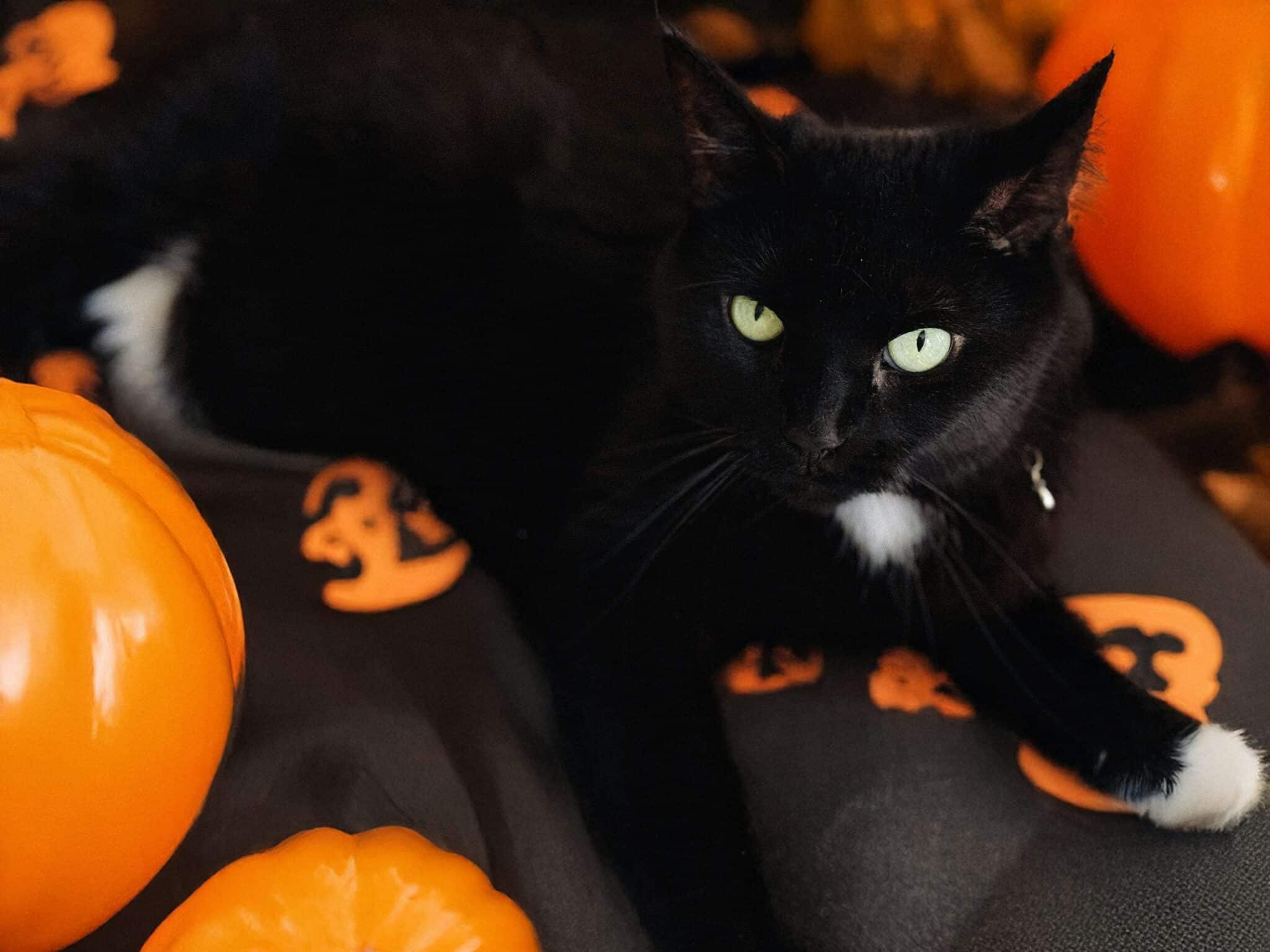
In the 20th and 21st centuries, the widespread commercialization of Halloween firmly tethered black cats to orange pumpkins, witches’ hats, and haunted house decorations. While festive imagery brings seasonal fun, animal welfare organizations frequently express concern that relentless spooky marketing reinforces antiquated biases.
In response, modern rescue communities, humane societies, and cat lovers worldwide have mobilized. The establishment of dedicated awareness days—such as National Black Cat Appreciation Day (observed on August 17 in the U.S.) and National Black Cat Day (celebrated on October 27 in the U.K.)—has successfully shifted public narratives. These initiatives focus on celebrating the sleek beauty, individuality, and affectionate nature of dark-coated felines, actively working to overcome historical stigma.
Supporting Context & Metrics: Genetics and Shelter Realities
To fully understand the black cat, one must look beyond folklore into the realms of genetics and modern animal sheltering metrics.
The Genetics of Melanism
A cat’s dark coat is entirely a product of biological science rather than supernatural forces. The color is governed by genetics that dictate the production, distribution, and concentration of melanin—the same pigment responsible for coloration in human skin, hair, and eyes.
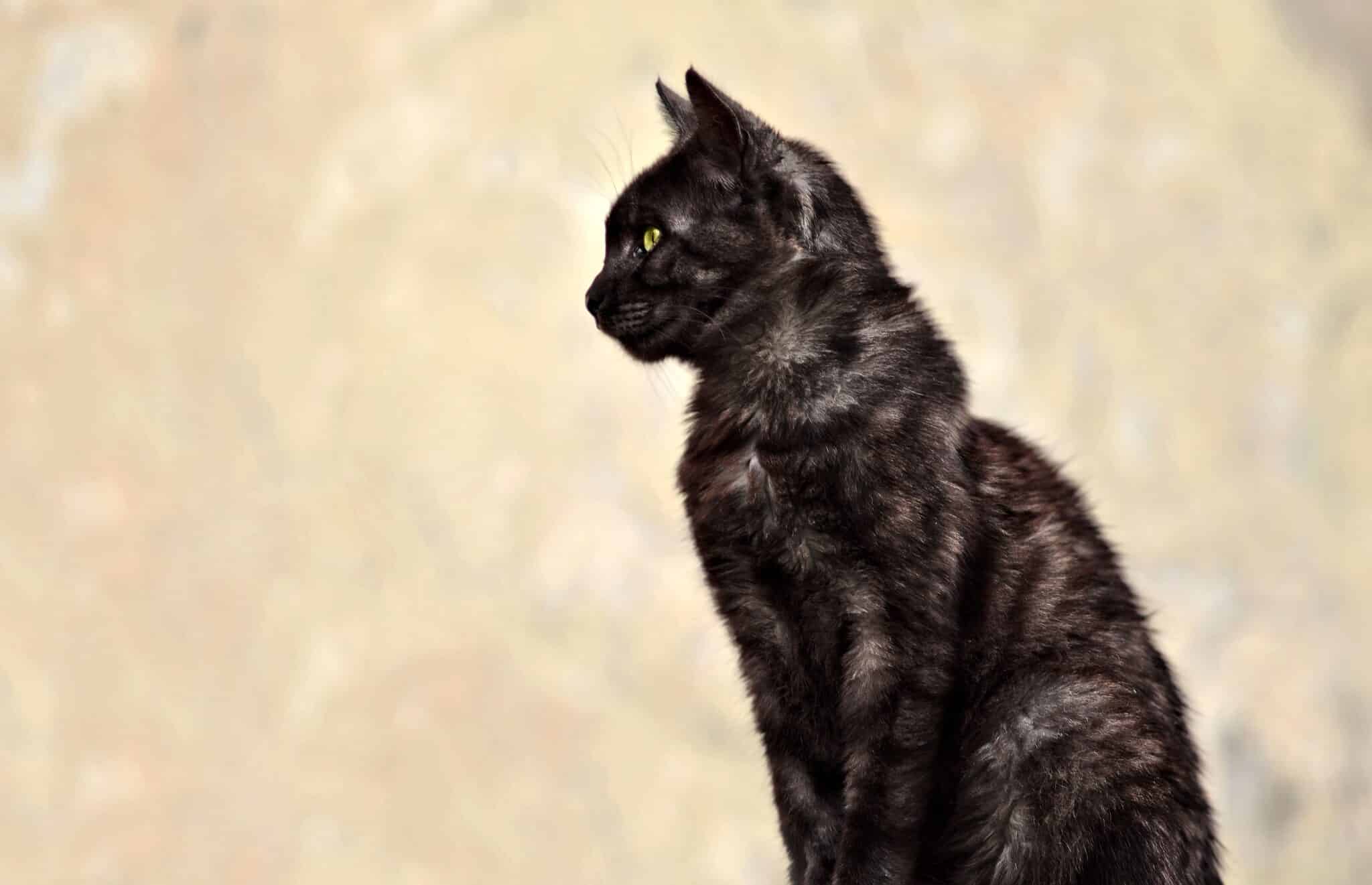
Specifically, the dominant allele for agouti banding can be overridden by a recessive mutation resulting in non-agouti, solid black fur (often referred to scientifically as melanism). Interestingly, even under a solid black coat, many black cats retain faint tabby striping or "ghost markings" that become clearly visible when direct sunlight strikes their fur at a precise angle. Furthermore, their striking eye colors—ranging from vibrant gold and copper to deep emerald green—are determined by entirely separate genetic factors governing iris pigmentation.
The Myth and Reality of "Black Cat Syndrome"
Within the animal sheltering community, "black cat syndrome" refers to the widely discussed hypothesis that black cats experience lower adoption rates and longer shelter stays compared to their colorful counterparts. While the severity of this phenomenon varies significantly by geographic region, shelter type, and photography quality, multiple contributing factors have been identified by animal welfare researchers:
Visual Perception Challenges: Black cats can be notoriously difficult to photograph well in dimly lit shelter environments, often appearing as featureless silhouettes in online adoption profiles.
Cultural Superstition: Lingering societal myths regarding bad luck or unphotogenic qualities occasionally influence prospective adopters’ subconscious preferences.
Population Saturation: Statistically, black and black-and-white (tuxedo) cats represent a high percentage of the overall feline population in rescue systems simply due to the prevalence of dominant coat color genetics.
Despite these hurdles, modern shelters frequently report that once prospective adopters interact with black cats face-to-face, coat color quickly takes a backseat to the animal’s individual temperament, playfulness, and affectionate demeanor.
Official Statements & Expert Perspectives
Animal welfare advocates, historians, and behavioral scientists continually emphasize the need to separate cultural myth from biological reality when interacting with companion animals.
Dr. Eleanor Vance, a prominent feline behavioral researcher, notes:
"Coat color has zero correlation with a cat’s baseline personality, intelligence, or capacity for affection. Whether a cat is solid black, ginger, calico, or tabby, their behavior is shaped by early socialization, genetics inherited from both parents, and their current environmental enrichment. Reducing an animal’s worth to a centuries-old superstition does a profound disservice to these remarkably gentle and adaptable companions."
Shelter director Marcus Chen of the Metro Animal Welfare Coalition adds:
"Our primary challenge during the autumn months is balancing fun Halloween festivities with the safety and welfare of real-life shelter animals. While we love seeing black cat decorations on porches, we remind the public that real black cats are living, breathing family members that require lifelong commitment, safety, and love. Fortunately, our annual Black Cat Appreciation events have seen a massive surge in community engagement, proving that modern pet owners are eager to champion these wonderful cats."
Future Outlook: A Brighter Future for Dark-Coated Felines
The trajectory of the black cat in modern society points toward progressive enlightenment and celebration. As educational initiatives, social media campaigns, and dedicated adoption events continue to challenge outdated stigmas, public perception is undergoing a permanent transformation.
Looking ahead, animal welfare organizations anticipate that the digital age will continue to work in favor of black cats. High-definition photography tips for shelter workers, creative social media highlighting the comedic and affectionate antics of house panthers, and community outreach programs are ensuring that coat color is recognized for what it truly is: a stunning, natural variation of feline beauty.
Ultimately, behind every sleek shadow and glowing golden gaze is an individual cat eager for a safe lap, a warm sunny windowsill, and a permanent home. By leaving medieval superstitions in the past, contemporary society is finally allowing the true, endearing nature of the black cat to shine brightly into the future.