
Executive Overview
Investing in cosmetic dentistry—whether through professional teeth whitening or customized porcelain veneers—represents a significant commitment of both personal finances and time. The initial reward is undeniable: a radiant, symmetrical smile that instantly boosts confidence, alters personal interactions, and creates a lasting first impression. However, the true test of cosmetic dental work does not happen in the dentist’s chair on the day of the procedure; it happens over the months and years that follow, as daily life reasserts itself.
Coffee breaks, red wine dinners, nocturnal teeth grinding, and the occasional missed flossing session all pose continuous challenges to the longevity of cosmetic enhancements. Without a deliberate strategy for preservation, the bright sheen of whitening treatments can fade, and the margins of porcelain veneers can become vulnerable to staining, decay, and structural compromise.
This comprehensive analysis explores the critical intersection between cosmetic enhancement and preventive dentistry. Far from being an afterthought, routine preventive care acts as the structural foundation that preserves cosmetic dental investments. By examining the biological mechanisms of tooth discoloration, the mechanics of veneer wear, and the strategic protocols required to maintain optimal oral health, patients can transition from a cycle of reactive repairs to a proactive model of long-term smile preservation.
Detailed Chronology: The Lifecycle of a Cosmetic Smile
To understand why preventive care is indispensable, it is helpful to trace the lifecycle of a cosmetic dental procedure from its initial consultation to its long-term maintenance.
Phase 1: The Initial Assessment and Foundation Building
Long before a single drop of whitening gel is applied or a veneer is bonded, the success of cosmetic dentistry depends entirely on the health of the underlying biological structures. A qualified cosmetic and general dentist must first evaluate the structural integrity of the teeth, the health of the periodontal tissues (gums), and the dynamics of the patient’s bite (occlusion).
- Pre-existing Conditions: Undetected decay or mild gingivitis must be resolved prior to cosmetic treatment. Applying veneers over compromised tooth structure or whitening teeth in the presence of active gum disease can lead to rapid failure of the cosmetic materials.
- Bite Analysis: Evaluating how the upper and lower teeth meet prevents future mechanical stress, which is the primary cause of porcelain chipping and debonding.
Phase 2: The Transformation and Immediate Post-Procedure Period
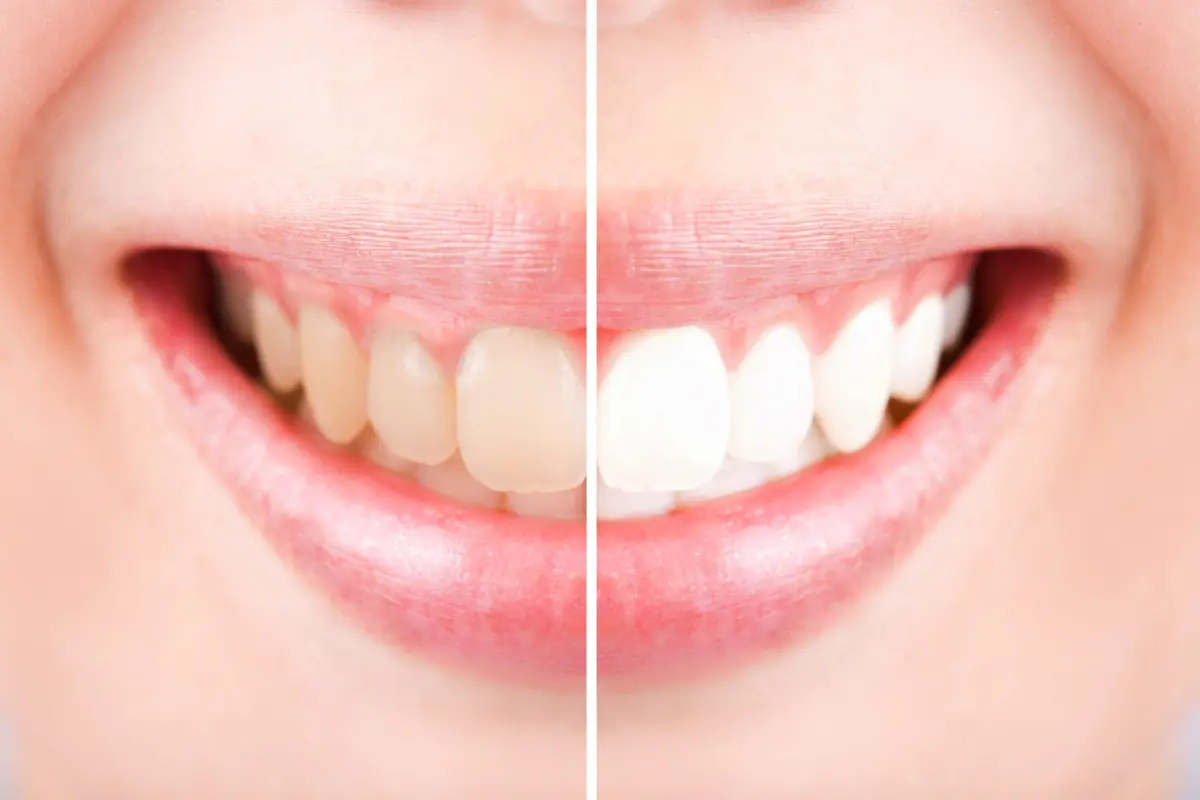
During the procedure itself, patients experience the immediate gratification of their investment. Teeth are several shades brighter, or asymmetrical, stained, and misaligned teeth are concealed behind flawless, translucent porcelain shells.
- The Honeymoon Phase: For the first few weeks, patients are hyper-aware of their new smile. They tend to brush more meticulously, avoid staining agents, and strictly adhere to post-care guidelines.
- The Return to Routine: Gradually, normal dietary and lifestyle habits resume. Morning coffee, evening red wine, and busy work schedules take precedence, setting the stage for environmental stressors to interact with both natural enamel and dental restorations.
Phase 3: The Medium-Term Threat Matrix (Months 6 to 36)
As time passes, the micro-environment of the oral cavity begins to impact the cosmetic work. This is where the divergence between a well-maintained smile and a neglected one becomes painfully apparent.
- Plaque Accumulation and Margin Staining: While high-quality porcelain veneers are exceptionally stain-resistant, the microscopic cement line (margin) where the veneer meets the natural tooth is susceptible to plaque accumulation. If daily hygiene lapses, this margin can discolor, creating an unsightly dark outline around the veneer.
- Enamel Regression: For those who underwent whitening, natural chromogens found in food and beverages gradually re-penetrate the microscopic pores of the enamel. Without periodic maintenance, teeth slowly revert toward their original baseline shade.
- Periodontal Changes: Natural aging and minor gum recession can expose the root surfaces of teeth or the upper edges of veneers, altering the aesthetic harmony of the smile line.
Phase 4: Long-Term Preservation vs. Premature Replacement
In the years following treatment, the cumulative effect of preventive care determines whether a patient enjoys their smile for a decade or more, or faces costly replacements within a few short years. Consistent professional oversight ensures that minor shifts in bite alignment, micro-fractures, or localized enamel wear are caught and managed before they necessitate invasive interventions.
Supporting Context & Metrics: The Biological and Material Realities
Maintaining cosmetic dental work requires a clear understanding of the materials involved and the biological factors that threaten them.
The Material Science of Porcelain Veneers vs. Natural Teeth
Porcelain is a non-porous ceramic material, meaning it does not absorb pigments from coffee, tea, tobacco, or dark berries the way natural tooth enamel does. However, the surrounding tooth structure is porous. When patients fail to maintain consistent hygiene, the exposed natural teeth darken or stain, while the veneers retain their original brightness, resulting in an uneven, unnatural appearance.
Furthermore, porcelain possesses high compressive strength but limited tensile strength. Unconscious bruxism (teeth grinding or clenching during sleep) exerts immense pressure—often exceeding 250 pounds of force per square inch—on the teeth. Without a protective nightguard, this mechanical stress leads inexorably to micro-cracking, chipping, or complete debonding of the porcelain restoration.
The Dynamics of Tooth Discoloration
According to clinical overviews on tooth discoloration, stains are categorized into two primary types:
- Extrinsic Stains: Occur on the outer surface of the teeth due to dietary habits, tobacco use, and poor plaque control. These are primarily managed through professional cleanings and surface polishing.
- Intrinsic Stains: Occur within the dentin (the inner layer of the tooth) as a result of aging, trauma, certain medications (such as tetracycline), or excessive fluoride exposure during tooth development.
Whitening treatments target intrinsic and deep extrinsic stains by utilizing peroxide-based bleaching agents that penetrate the enamel. However, because these agents do not permanently alter the chemical composition of the tooth, natural re-staining is an inevitable biological process that requires strategic maintenance.
Comparative Analytical Framework: Preventive vs. Reactive Care
To fully grasp the economic and physiological value of maintaining cosmetic dental work, consider the following comparative breakdown:
| Approach | Clinical Definition & Actions | Impact on Whitening and Veneers | Long-Term Prognosis & Cost-Efficiency |
|---|---|---|---|
| Preventive Care Model | Regular professional cleanings (every 6 months), comprehensive periodontal exams, daily soft-bristled brushing and flossing, customized nightguards for bruxism, and dietary stain management. | Extends the longevity of whitening results; minimizes the risk of marginal decay, staining, gum recession, and structural fractures around veneers. | High Efficiency: Preserves the initial investment, reduces the need for emergency treatments, and maintains optimal oral health. |
| Wait-and-See Model | Skipping routine dental exams, relying solely on home brushing, ignoring minor tooth sensitivity, neglecting nighttime clenching, and avoiding professional cleanings until pain occurs. | Accelerated staining of natural teeth relative to veneers; increased risk of gum disease leading to recession; higher incidence of marginal breakdown. | Low Efficiency: Frequently leads to premature veneer replacement, root canals, crowns, and significantly higher cumulative financial costs. |
| Unsupervised DIY Approach | Frequent use of aggressive over-the-counter whitening strips, highly abrasive charcoal or whitening toothpastes, and lack of professional oversight. | Can strip or thin remaining enamel, severely increase tooth sensitivity, create uneven color disparities around existing dental work, and irritate soft tissues. | Moderate Risk: Offers short-term aesthetic gains at the expense of long-term dental health and structural integrity. |
Official Guidelines and Expert Insights
Dental authorities and public health organizations universally emphasize that cosmetic excellence cannot be decoupled from foundational oral health.
The CDC Perspective on Adult Oral Health
The Centers for Disease Control and Prevention (CDC) highlights that daily oral hygiene practices—including thorough brushing with fluoride toothpaste, daily interdental cleaning (flossing), and routine professional evaluations—are essential in preventing periodontal disease and dental caries. In the context of cosmetic dentistry, healthy gums are non-negotiable. If periodontal disease sets in, the gums recede, exposing the vulnerable root surfaces and the critical margins where veneers meet the natural tooth. This not only compromises aesthetics but also threatens the structural security of the restoration.
The Role of the General and Cosmetic Dentist
A skilled general and cosmetic dentist operates as both an architect and a custodian. While cosmetic training allows them to design a symmetrical, brilliant smile, their foundational training in general dentistry ensures that the biological ecosystem supporting that smile remains robust.
Professional cleanings remove mineralized calculus (tartar) that manual toothbrushes cannot eliminate at home. Hygienists utilize specialized ultrasonic instruments to clean around the delicate margins of veneers without scratching the porcelain surface. Furthermore, routine dental exams utilize advanced diagnostic imaging to detect sub-surface decay beneath restorations—issues that are completely invisible to the naked eye during home inspections.
Future Outlook: The Evolution of Smile Maintenance
As dental technology continues to advance, the future of maintaining cosmetic dentistry is shifting toward predictive, personalized care models.
Emerging Diagnostic Technologies
The integration of artificial intelligence and digital intraoral scanners into routine dental practices is revolutionizing preventive care. Modern clinics can now create precise 3D digital models of a patient’s mouth during routine check-ups. By comparing these scans over time, algorithms can detect microscopic shifts in tooth alignment, subtle signs of enamel wear, or early-stage marginal breakdown long before symptoms become apparent to the patient.
Biocompatible Maintenance Protocols
Future maintenance protocols are placing a heavier emphasis on minimally invasive preventive agents. Remineralizing pastes containing nano-hydroxyapatite are gaining traction as a way to strengthen natural enamel surrounding restorations without the sensitivity often associated with traditional bleaching agents. Additionally, smart nightguards embedded with pressure sensors are being developed to provide real-time data to dental professionals regarding nocturnal bruxism severity, allowing for more precise interventions to protect porcelain veneers.
Shifting the Paradigm: From Stress to Sustainable Care
Ultimately, the future of maintaining a radiant smile lies in psychological reframing. Patients no longer need to view their cosmetic dental work as a fragile asset that requires living in constant anxiety over a cup of coffee or a missed flossing routine.
Instead, the modern paradigm champions consistent, low-stress preventive habits. By partnering with an experienced general and cosmetic dentist, adopting a sustainable home-care routine, and committing to bi-annual preventive exams, individuals can ensure that their financial and personal investment in their smile yields dividends for decades to come. Your smile is designed to be lived with, enjoyed, and proudly displayed—and with the right preventive foundation, it will continue to shine long into the future.