
Executive Overview
The notion that cats are fundamentally aloof, solitary creatures has long been dismantled by behavioral science and the lived experiences of millions of pet owners. While felines certainly express affection differently than their canine counterparts—favoring subtle head bumps, quiet proximity, and rhythmic purring over exuberant displays—certain breeds exhibit a distinctly high degree of people-oriented sociability.
Understanding the genetic and behavioral drivers behind these affectionate breeds allows prospective owners to align their lifestyle with the right feline companion. From the energetic, high-octane engagement of the Abyssinian to the serene, couch-bound loyalty of the Persian, feline affection spans a wide spectrum of expressions. This comprehensive report investigates the specific traits, environmental requirements, and care considerations of the world’s most affectionate cat breeds, offering an authoritative roadmap for feline companionship.
Detailed Chronology & Evolution of Human-Feline Bonds
The domestic cat’s journey from a solitary desert hunter (Felis lybica) to a deeply integrated household companion is a masterclass in co-evolution. Archaeological findings suggest that the relationship began roughly 10,000 years ago in the Fertile Crescent, where wildcats were drawn to early agricultural settlements by the abundance of rodents.
- The Early Agricultural Partnership (c. 8000 BCE – 3000 BCE): Cats played a utilitarian role, protecting grain stores. During this period, selection pressure favored felines that could tolerate human proximity without excessive aggression.
- The Egyptian Domestication Era (c. 2000 BCE): Cats transitioned from functional mousers to sacred household members. Art and artifact records from ancient Egypt show felines sitting beneath chairs and sharing living quarters, laying the groundwork for selective breeding based on temperament.
- The Modern Breed Standardization (Late 19th Century – Present): The Victorian era marked the birth of formal cat fancy and organized cat shows. Breeders began isolating specific physical traits alongside behavioral characteristics, cultivating distinct lines—such as the Siamese, Persian, and Abyssinian—not just for their aesthetics, but for their specialized social dynamics with humans.
Through centuries of gradual domestication, human-oriented breeds emerged with an intensified capacity for social attachment, effectively bridging the gap between wild independence and domestic devotion.
Supporting Context & Metrics: Decoding Feline Sociability
To objectively evaluate why certain breeds bond more intensely with humans, feline behaviorists look at several measurable parameters: vocalization frequency, dependency thresholds (risk of separation anxiety), spatial proximity tolerance, and play drive.
| Breed | Primary Affection Style | Vocalization Level | Exercise/Enrichment Needs | Grooming Requirements |
|---|---|---|---|---|
| Abyssinian | Active involvement, shadowing | Low-Moderate | High (Puzzle toys, climbing) | Low (Short coat) |
| Ragdoll | Lap resting, limp relaxation | Low | Moderate | Moderate-High |
| Maine Coon | Quiet companionship, chirping | Moderate | High | High |
| Siamese | Vocal commentary, shadowing | Very High | Very High (Mental stimulation) | Low |
| Sphynx | Thermal seeking, blanket nesting | Moderate | High (Skin care, warmth) | High (Bathing/Skin wipe) |
| Scottish Fold | Quiet proximity, gentle presence | Low | Low-Moderate | Moderate |
| Persian | Sedentary lounging, couch sharing | Very Low | Low | Very High (Daily brushing) |
| Turkish Angora | Active play, high-perch observation | Moderate | High | Moderate |
| Norwegian Forest Cat | Gentle tracking, balanced presence | Low | High (Climbing structures) | High (Seasonal shedding) |
| Bombay | Persistent shadowing, lap sitting | Low-Moderate | Moderate | Low |
| Devon Rex | Shoulder perching, playful bonding | Moderate | High | Low-Moderate |
| Cornish Rex | Athletic cuddling, close contact | Moderate | High | Low |
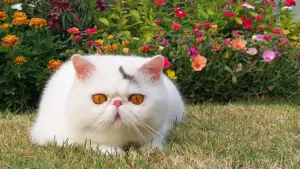
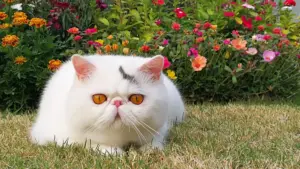
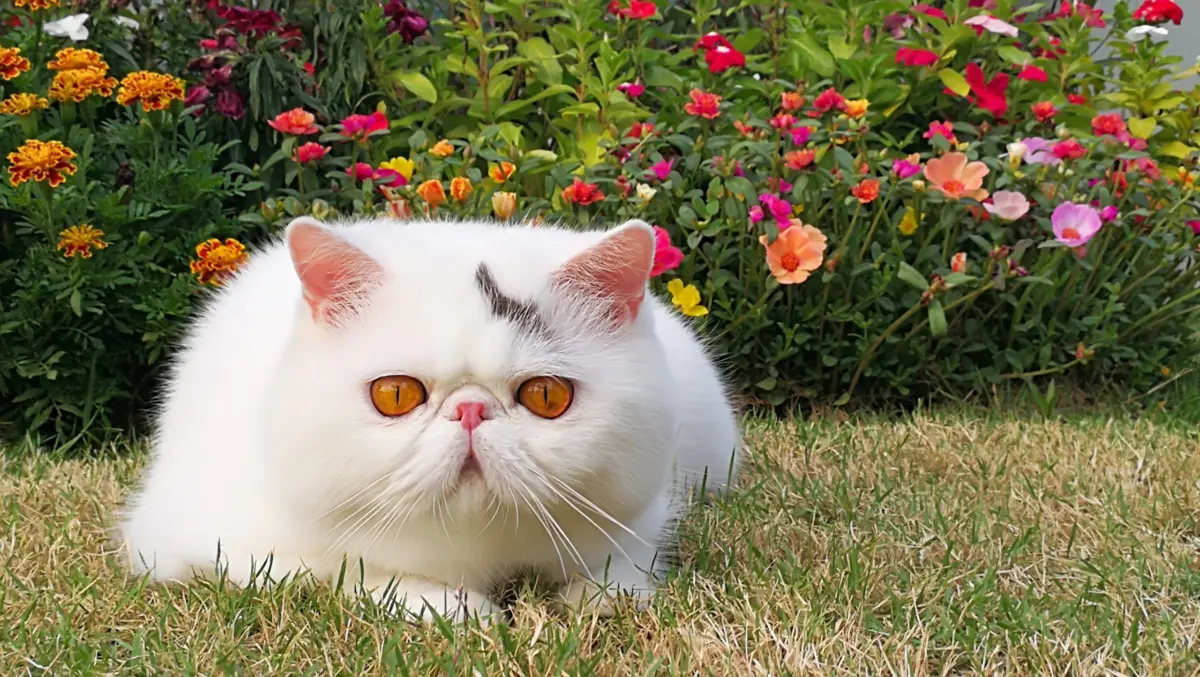
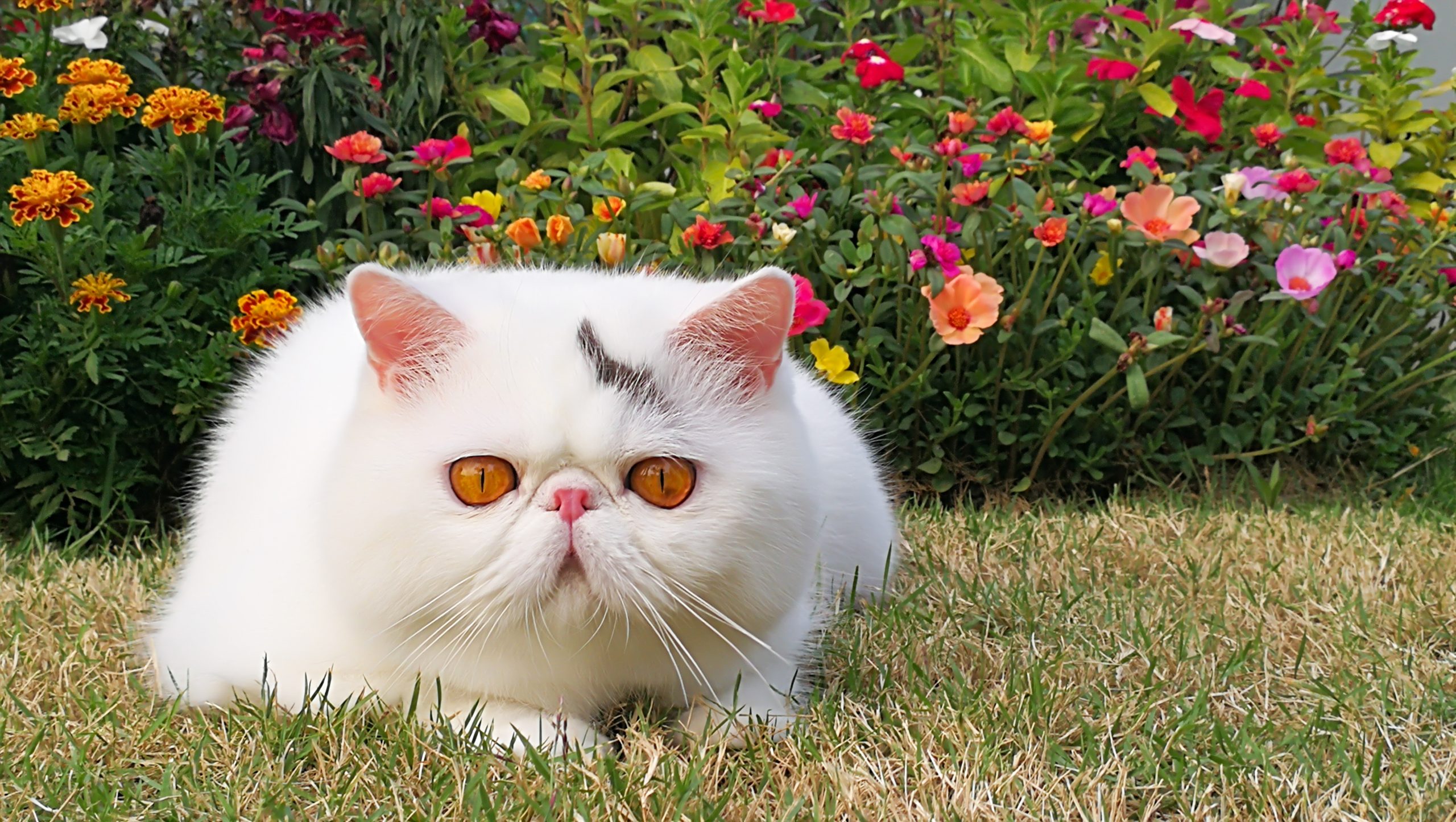
| Exotic Shorthair | Relaxed companionship, quiet loyalty | Very Low | Low-Moderate | Moderate |
| American Shorthair | Door greeting, stable routine presence | Low | Moderate | Low |
| Oriental Shorthair | Highly vocal, demanding integration | Very High | Very High | Low |
Comprehensive Breed Profiles: The Paragon of People-Oriented Cats
1. The Abyssinian: The Curious Adventurer
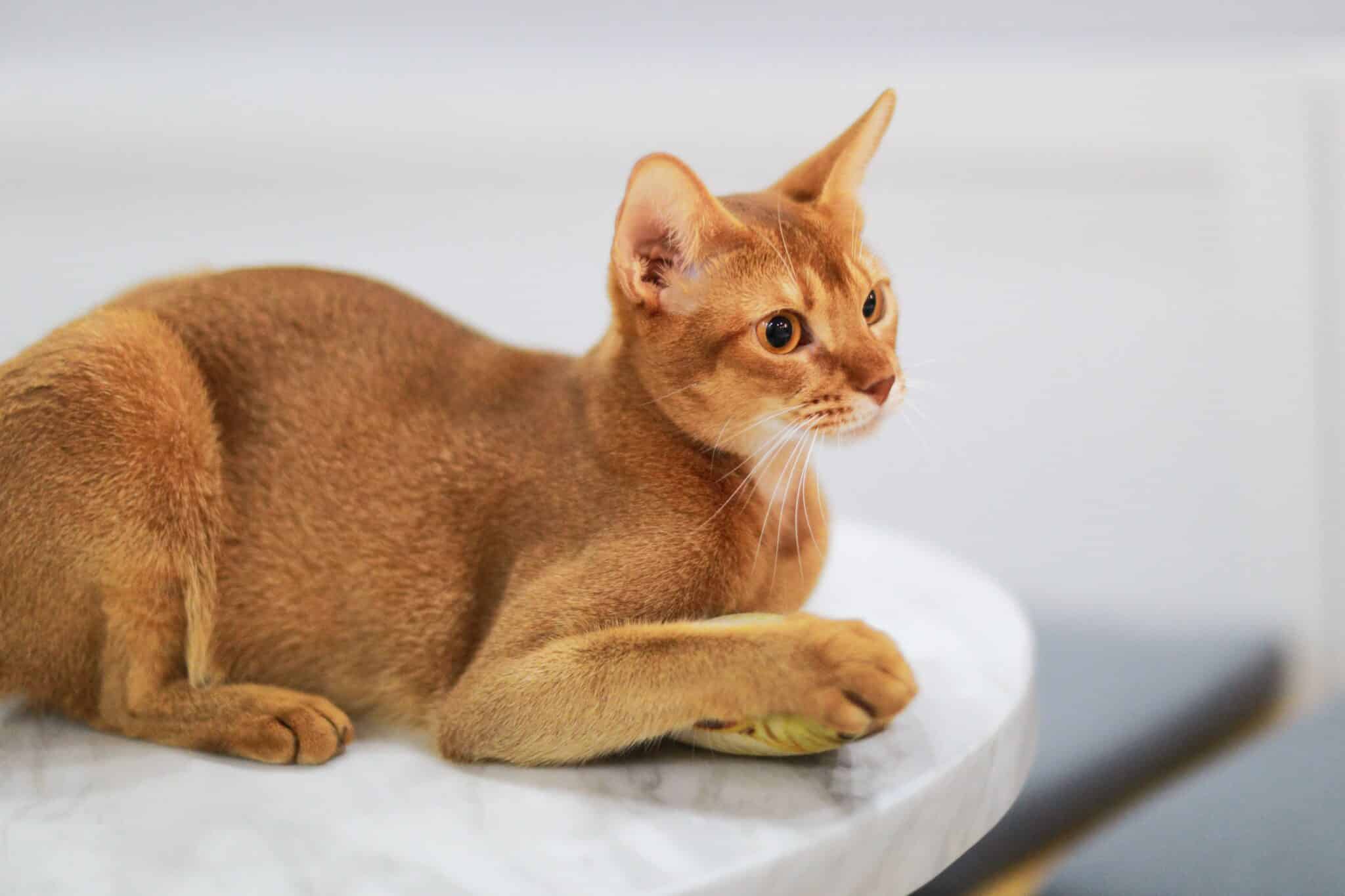
Abyssinians are celebrated for their sleek, ticked coats, large alert ears, and boundless curiosity. Rather than demonstrating affection through extended periods of static cuddling, an Abyssinian shows love through participation. They act as domestic supervisors, following their humans from room to room, investigating home projects, and perching nearby. They require robust environmental enrichment—including tall climbing trees and puzzle feeders—to prevent behavioral stagnation.
2. The Ragdoll: The Ultimate Gentle Giant
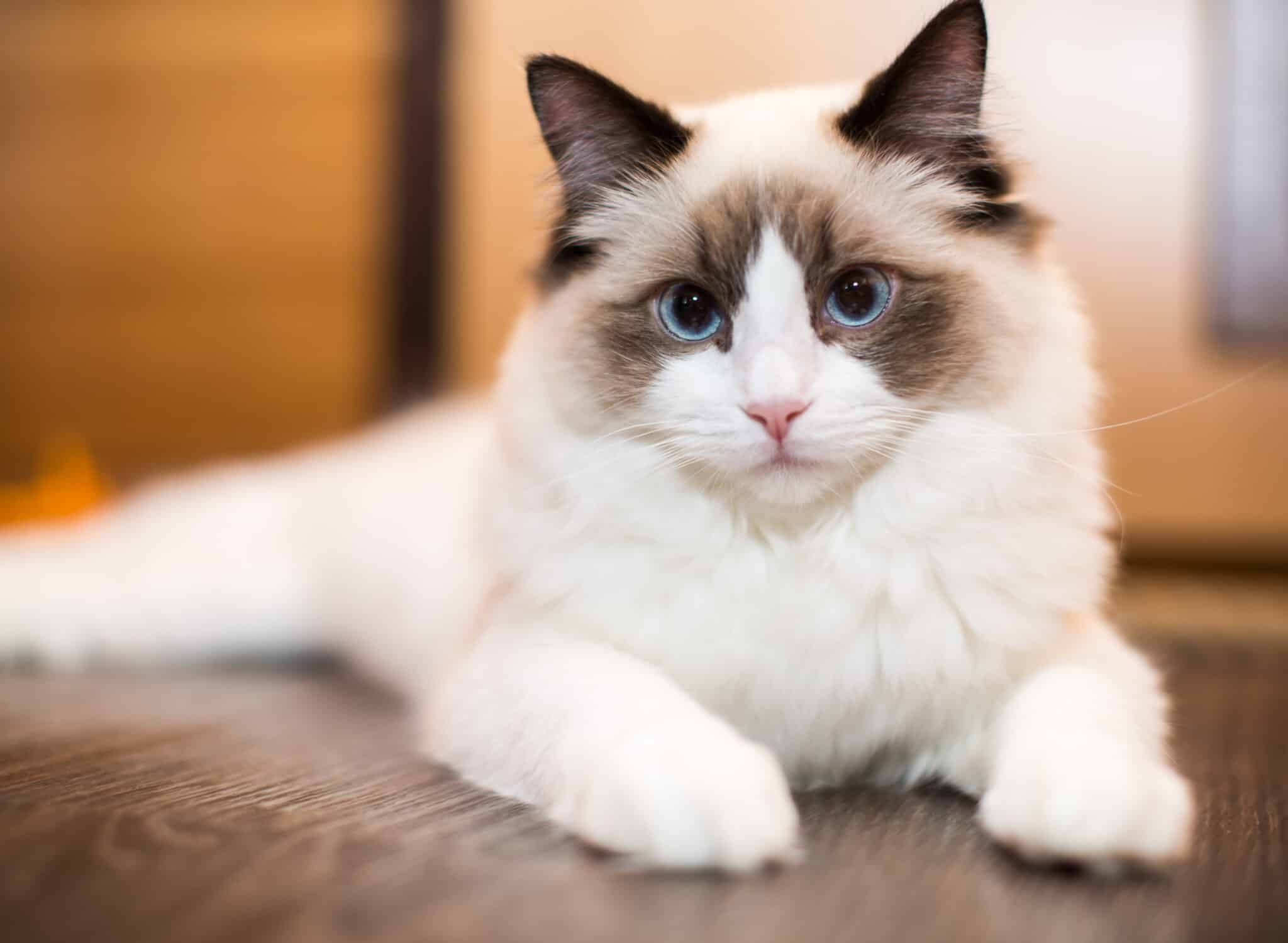
Earning their name from their tendency to go completely limp when held, Ragdolls are the epitome of lap-loving devotion. These striking blue-eyed cats are intensely family-oriented, often greeting owners at the door with soft trills and an enthusiastic stretch. While they crave physical closeness, their semi-long coats require routine brushing to prevent matting, ensuring their physical health matches their serene temperament.
3. The Maine Coon: The Majestic Companion
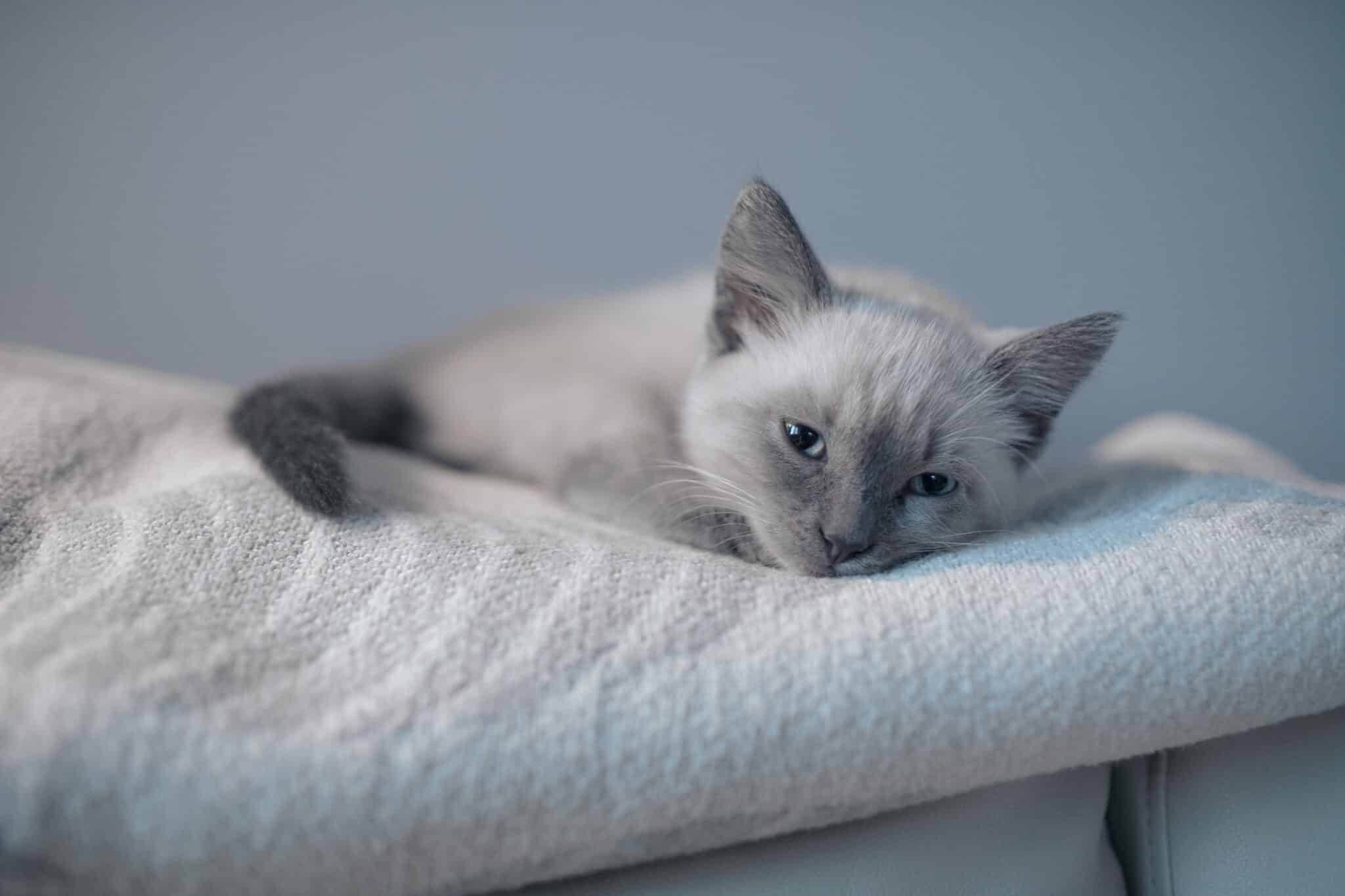
As North America’s native natural breed, Maine Coons combine immense physical stature with a remarkably sweet, dog-like disposition. They prefer quiet companionship, frequently supervising kitchen activities or resting near the family hearth. Eschewing the need for constant lap time, they communicate through unique chirps and trills, offering a balanced mix of independence and deep-seated loyalty.
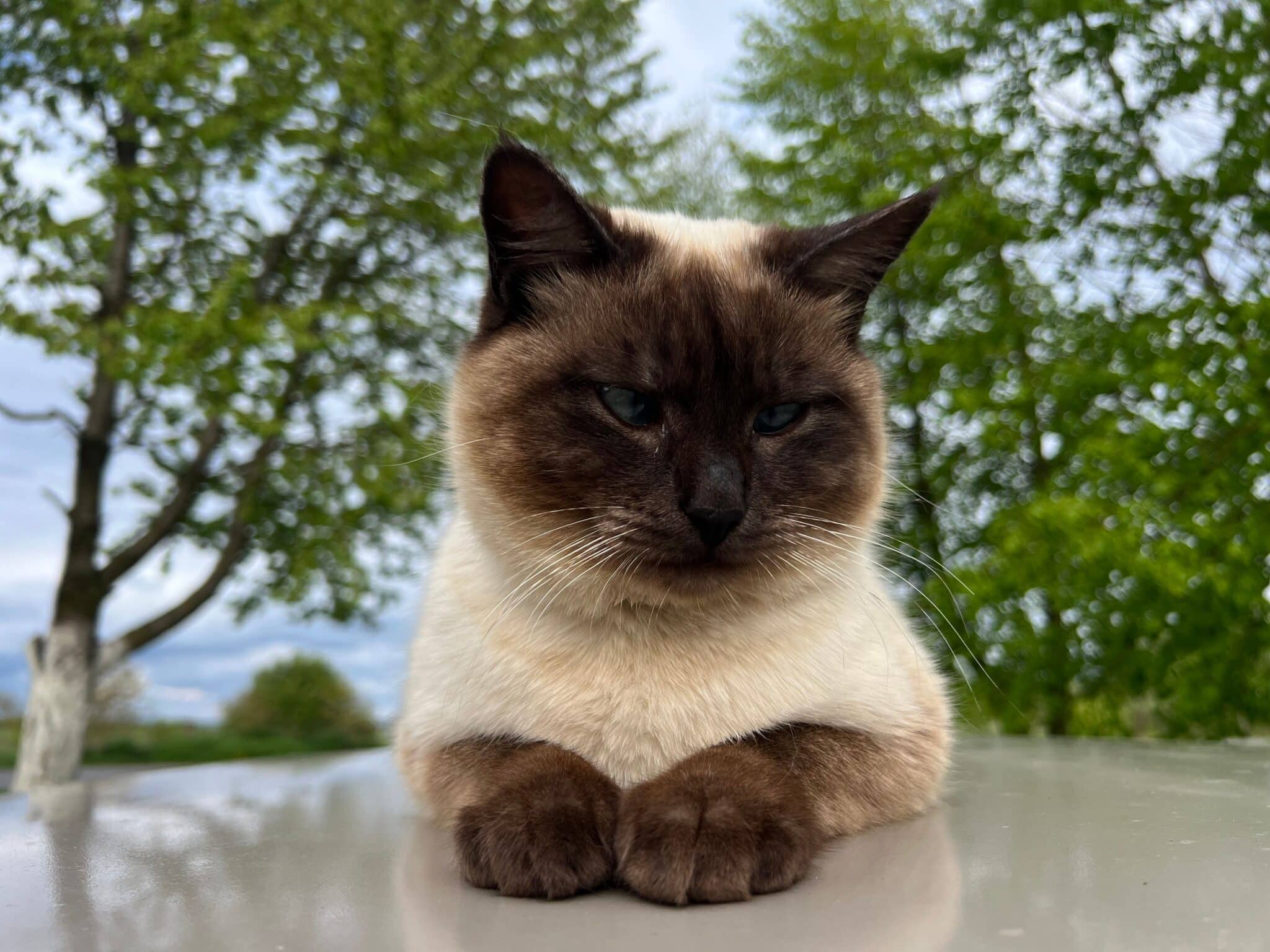
4. The Siamese: The Expressive Conversationalist
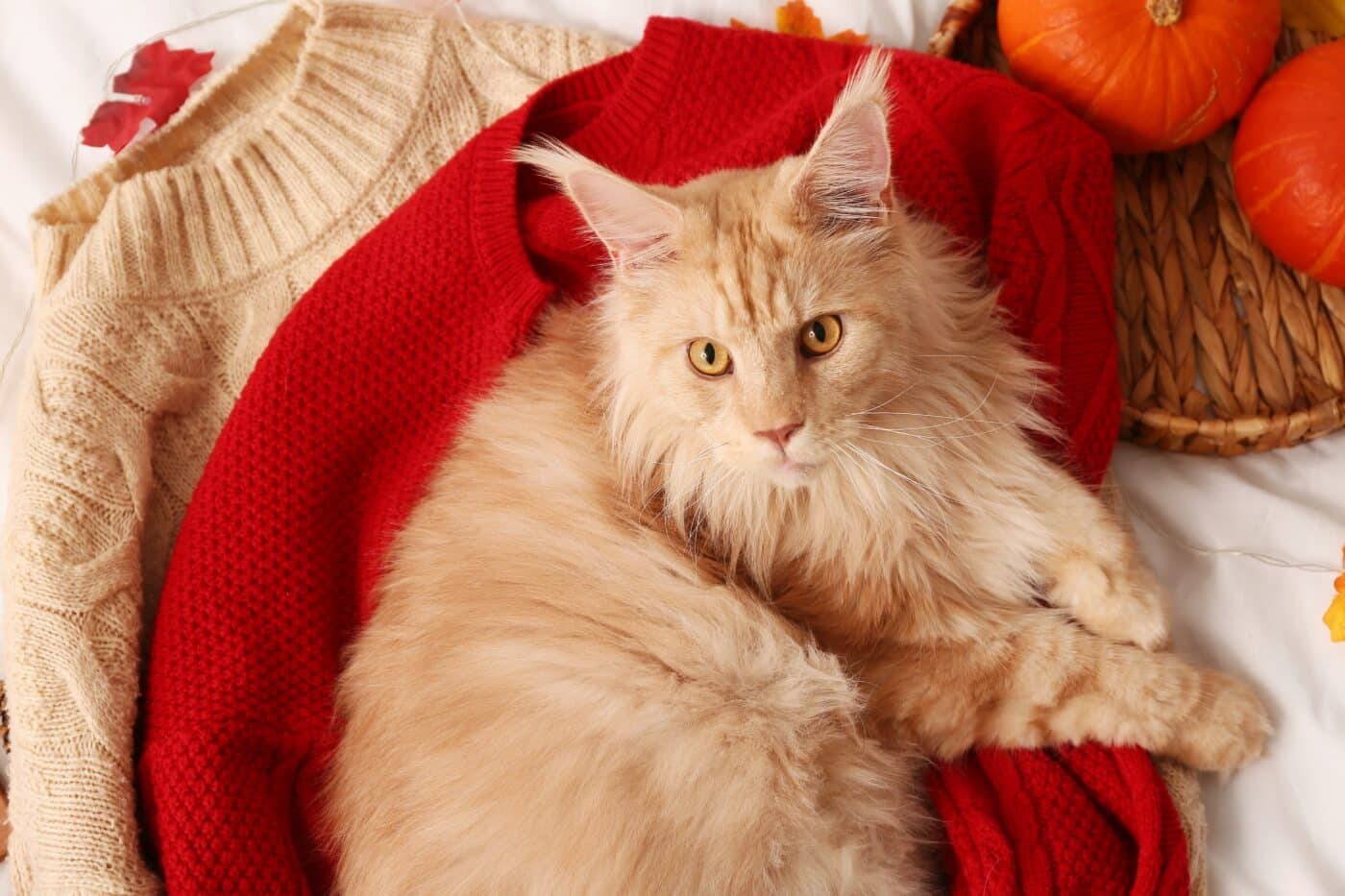
Siamese cats are legendary for their striking color points and their uninhibited vocalizations. They demand total integration into household affairs, providing a running commentary on daily routines. Due to their high emotional intelligence and profound attachment to their human families, Siamese cats do not tolerate long periods of isolation well, requiring active engagement and interactive play sessions to thrive.
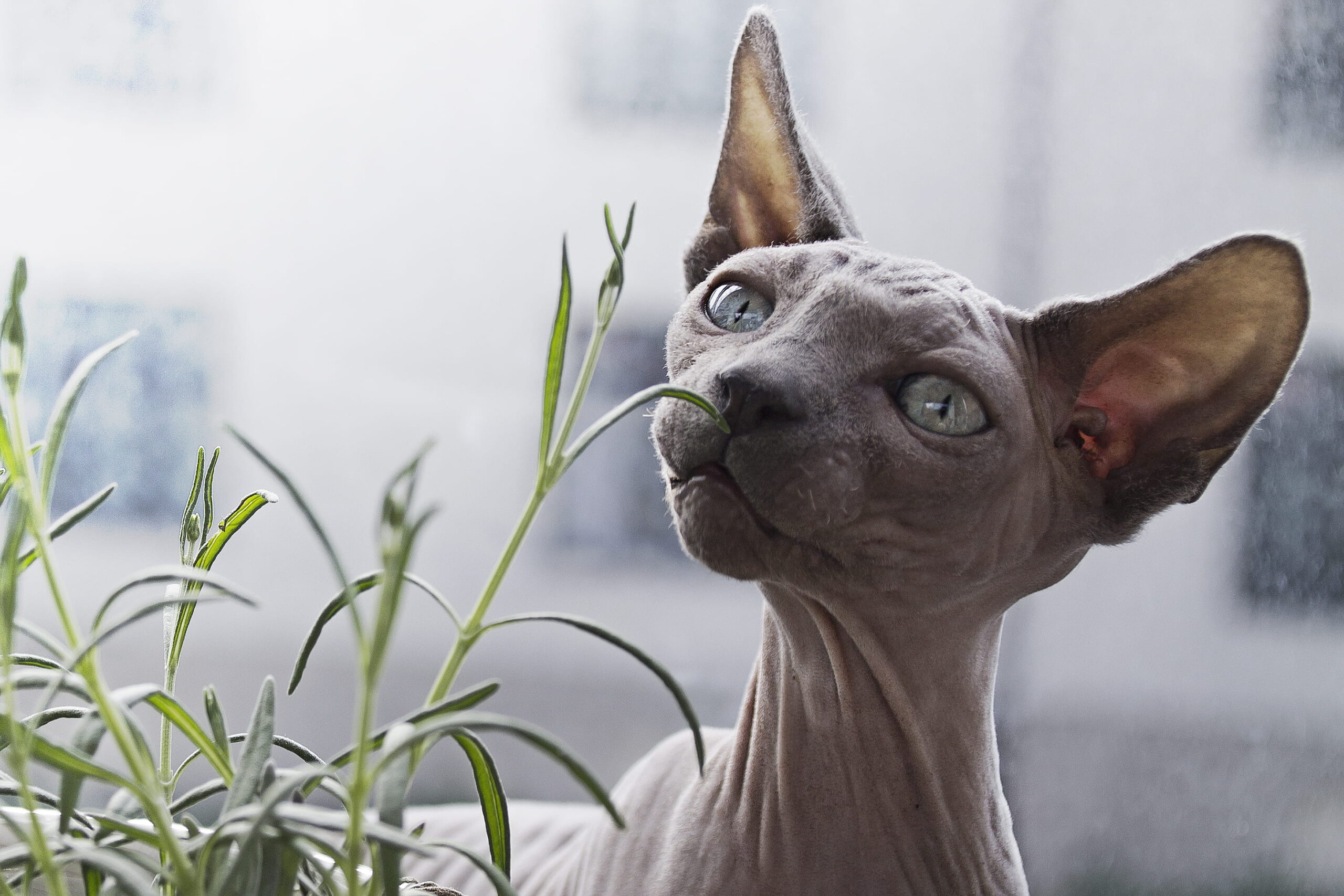
5. The Sphynx: The Warm-Seeking Heatseeker
Lacking a traditional fur coat, the hairless Sphynx relies heavily on human proximity for thermal regulation. This physiological necessity translates into an intensely affectionate personality. Sphynxs are famous for diving beneath blankets, climbing onto shoulders, and baking in human laps. Beyond affection, owners must commit to specialized skin care regimens, including regular wiping to remove natural oils.
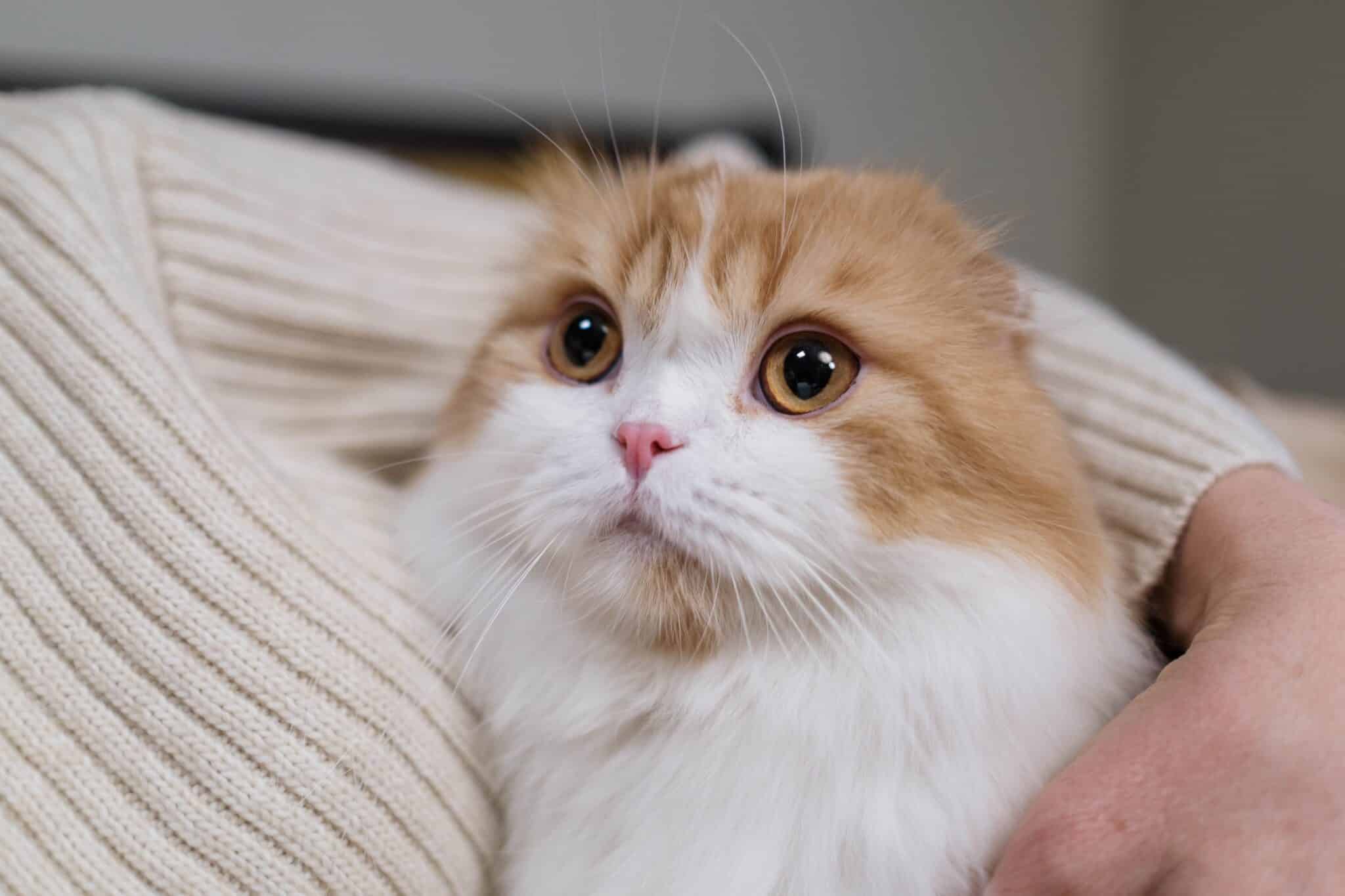
6. The Scottish Fold: The Quiet Observer
Recognizable by their folded ears and rounded countenances, Scottish Folds offer a peaceful, understated brand of affection. They are content simply sharing the same room, maintaining a calm physical proximity without demanding excessive attention. Prospective owners must note that the genetic mutation causing folded ears is linked to osteochondrodysplasia, making responsible sourcing and stringent veterinary oversight mandatory for this breed.
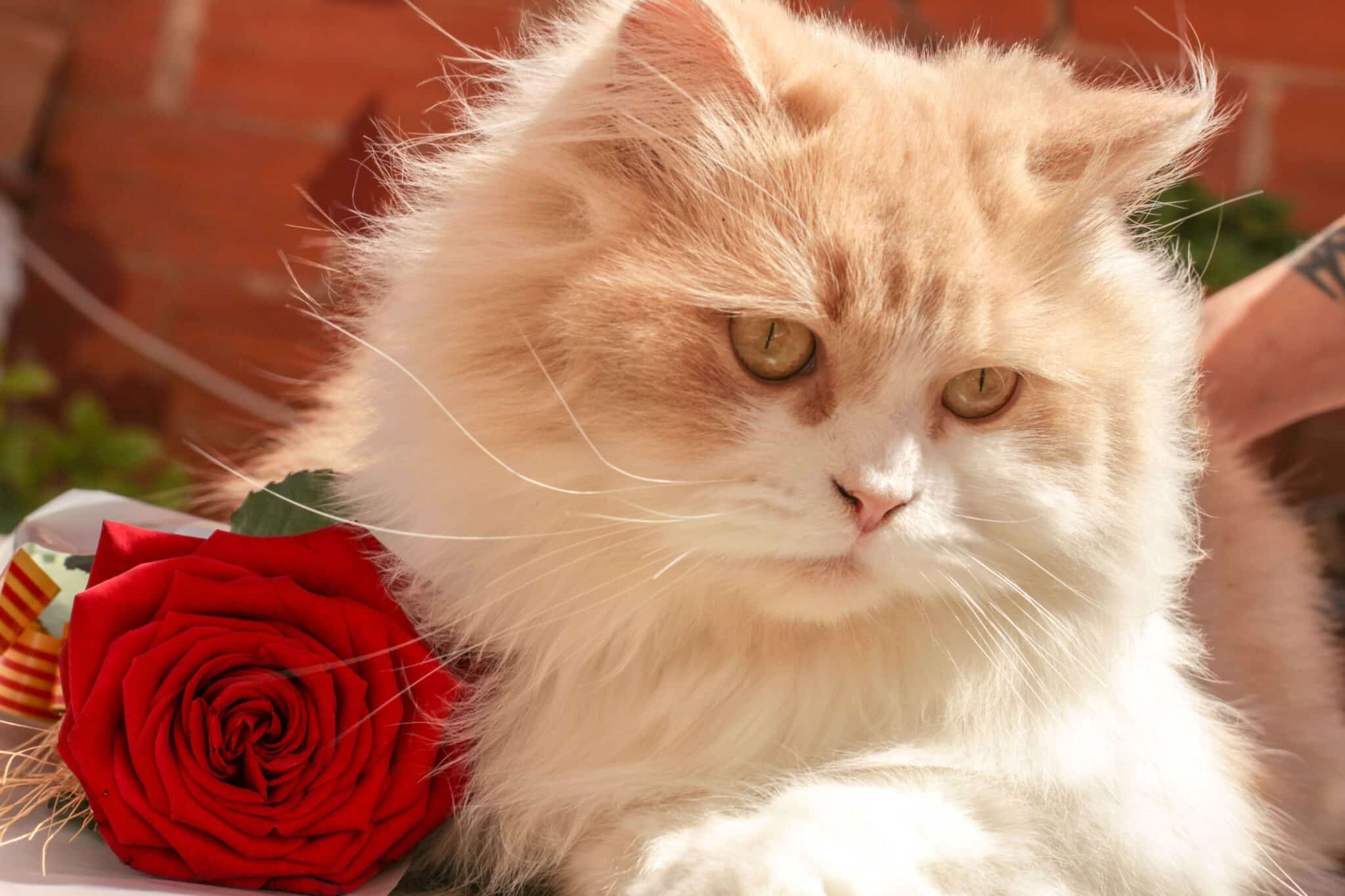
7. The Persian: The Aristocratic Lounger
The Persian represents the pinnacle of serene indoor companionship. With luxurious coats and flat facial structures, Persians prefer a quiet, predictable domestic environment. Their affection is expressed through calm lounging on a favorite sofa or accepting gentle chin scratches during a tranquil afternoon. Their long coats necessitate rigorous daily maintenance to prevent severe dermatological issues.
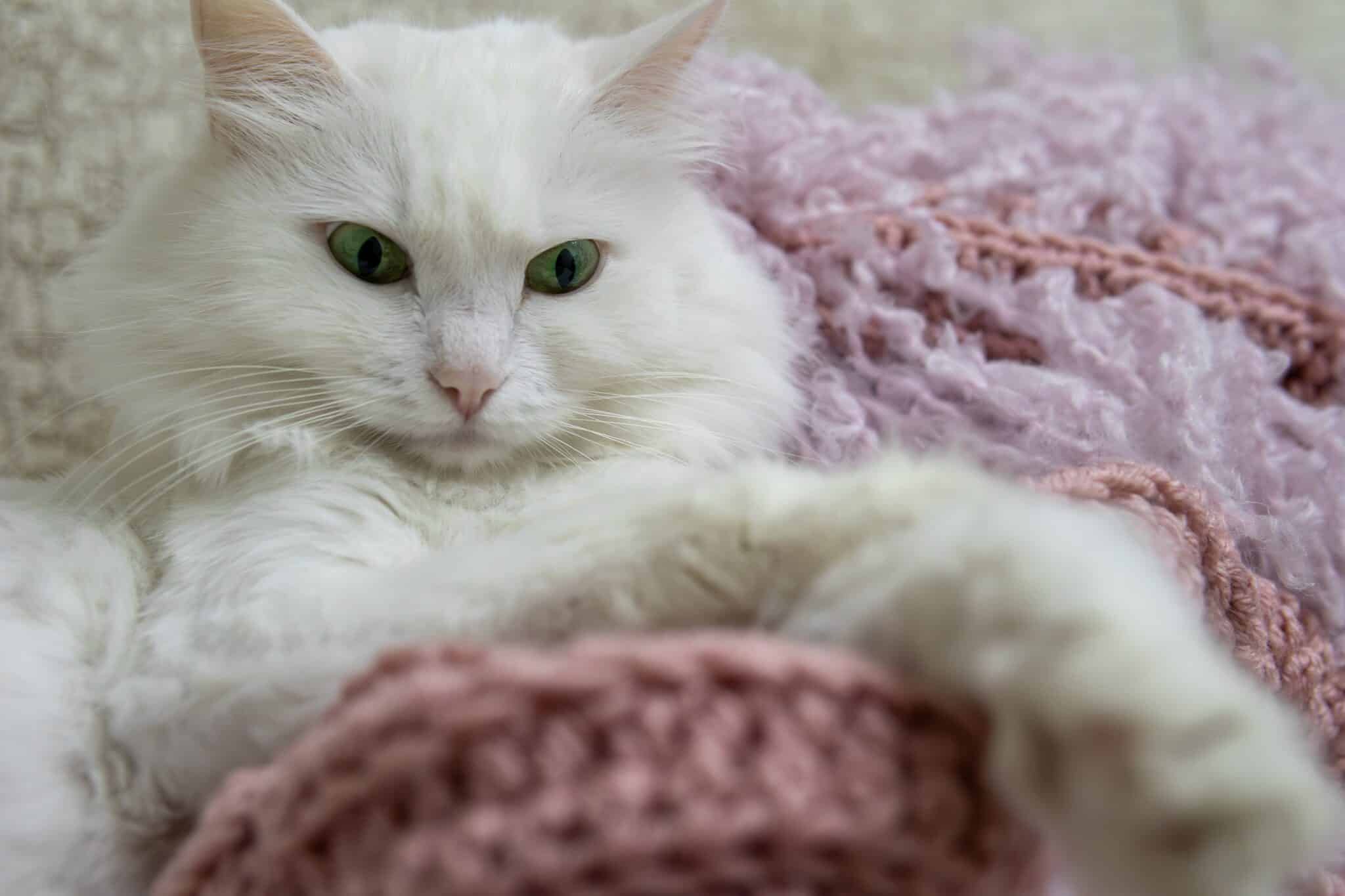
8. The Turkish Angora: The Agile Intellectual
Turkish Angoras are agile, intelligent felines with silky coats and an enduring playful streak. They form tight bonds with their chosen humans, often balancing high-perch observation with bursts of interactive play. Their affectionate nature is underscored by an independent spirit that appreciates both mental stimulation and cozy cuddle sessions.
9. The Norwegian Forest Cat: The Rugged Forest Noble
Adapted to harsh Nordic climates, the Norwegian Forest Cat pairs a rugged, water-repellent double coat with a gentle, trusting personality. They enjoy tracking household activities and sharing quiet moments. Though independent, they forge profound emotional ties through predictable daily routines and respectful handling.
10. The Bombay: The Miniature Panther
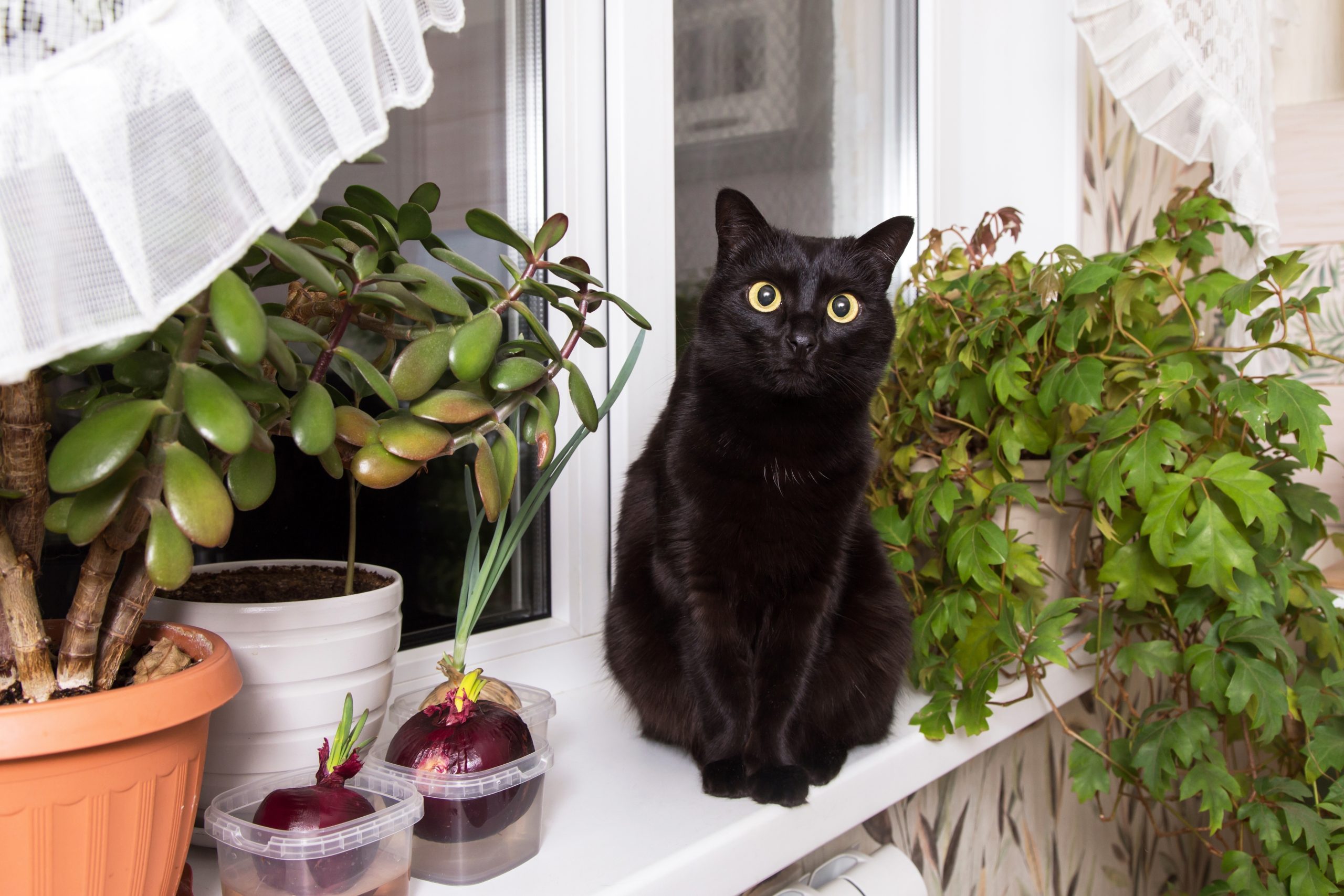
Boasting a jet-black coat and brilliant copper eyes, the Bombay looks wild yet possesses a thoroughly domestic, people-oriented heart. Often described as velcro cats, Bombays are persistent shadows that follow their owners from task to task, easily transitioning from playful chases to deep lap-sitting sessions.
11. The Devon Rex: The Mischievous Pixie
Characterized by oversized ears, a suede-like wavy coat, and a playful persona, the Devon Rex is an exceptionally tactile breed. They frequently seek out shoulders, laps, and direct skin contact. Their high intelligence and high energy require dedicated mental challenges, ensuring their affectionate outbursts are matched by adequate play opportunities.
12. The Cornish Rex: The Velvet Acrobat
Featuring a slender frame and a coat of soft, close-lying waves, the Cornish Rex is an athletic companion that loves being at the center of household activity. Their affection often manifests as energetic sprints followed immediately by long, warm naps against their human’s side.
13. The Exotic Shorthair: The Plush Homebody
The Exotic Shorthair offers the placid, affectionate personality of the Persian paired with a low-maintenance, dense short coat. They are relaxed companions who enjoy quiet evenings and gentle physical contact, making them ideal for owners seeking a low-key, affectionate friend.
14. The American Shorthair: The Adaptable Working Heritage Cat
Built for stamina and adaptability, the American Shorthair balances independence with steadfast loyalty. They greet owners at the threshold and choose vantage points that allow them to monitor the household, offering a stable, low-maintenance brand of companionship.
15. The Oriental Shorthair: The Demanding Extrovert
Closely related to the Siamese, the Oriental Shorthair comes in hundreds of color patterns but shares the same intense social requirements. They demand to be heard and involved in every domestic activity, making them intensely rewarding for owners who desire a hyper-engaged feline partner.
Official Statements & Behavioral Insights
According to leading feline behavioral experts and veterinary associations, understanding individual cat personality is just as critical as analyzing breed tendencies.
Dr. Anita Harrison, a noted feline ethologist, notes:

"Breed predisposition gives us a blueprint, but it is not a guarantee. The single most significant predictor of an affectionate cat is early, positive socialization during the critical kittenhood window between two and nine weeks of age. Felines that experience gentle, consistent human handling during this phase retain a lifelong trust in people, regardless of their genetic background."
Veterinary organizations also emphasize that forced handling can damage the human-animal bond. Respecting a cat’s physical boundaries—allowing them to initiate contact and honoring tail-swishing or skin-rippling warnings as signs to withdraw—ultimately encourages deeper, more authentic affection.
Future Outlook & Responsible Ownership
As the pet care landscape evolves, our appreciation for the emotional inner lives of cats continues to deepen. The future of feline companionship points toward enriched indoor environments, fear-free veterinary practices, and a greater cultural shift away from viewing cats as "low-maintenance" pets toward recognizing them as sensitive, highly relational beings.
For prospective cat parents, choosing an affectionate breed is only the first step. Providing proper nutrition, environmental enrichment tailored to the breed’s activity level, and patient, respectful interaction ensures that the bond formed between human and feline will be resilient, rewarding, and lifelong. Whether you share your home with the vocal enthusiasm of a Siamese or the quiet dignity of a Norwegian Forest Cat, the sweetest cat love is built on a foundation of mutual trust and respect.