
Executive Overview
In the quiet rhythms of suburban life, profound legacies are often forged not in corporate boardrooms or political arenas, but on back porches, in quiet neighborhoods, and through the daily, unheralded acts of kindness shown to the most vulnerable among us. This is the story of John, a dedicated social studies teacher, a consummate extrovert, a purveyor of endless dad jokes, and—most importantly—a fierce, lifelong protector of cats.
When John passed away, he left behind more than just cherished memories with his wife of 42 years, Deb; he left an enduring blueprint for compassion. Through a thoughtfully structured estate plan, John chose to include Alley Cat Allies, the premier global engine for feline advocacy and protection. His decision ensures that his lifelong dedication to safeguarding community cats will ripple outward, funding lifesaving initiatives, Trap-Neve-Return (TNR) programs, and educational outreach on a global scale.
This article examines John’s remarkable journey from a man who mistakenly believed he was allergic to felines to a self-described "permissive cat daddy." Through the reflections of his wife, Deb, we explore the intersection of personal empathy and organized animal advocacy. Furthermore, this piece places John’s legacy within the broader sociological context of modern animal sheltering, highlighting the vital role that planned giving, community-led care, and grassroots education play in reshaping the landscape of animal welfare in the 21st century.
Detailed Chronology: From Accidental Allergy to Unwavering Devotion
The Misconception of the "Cat Allergy"
For the early chapters of his adult life, John lived under a common misapprehension: he believed he was fundamentally allergic to cats. In a household where animals might easily have been written off due to perceived physical incompatibilities, fate had other plans.
As Deb recalls with fondness, the turning point in John’s relationship with the feline world occurred three decades ago. It began not with a deliberate adoption, but with a stray cat that simply decided John was its chosen human.
"Interestingly enough, John thought for years that he was allergic to cats! Then 30 years ago, we had a stray show up and get attached to John," Deb shared.
This initial encounter dismantled years of assumptions. The biological barrier John thought existed vanished in the face of genuine animal affection. It was the catalyst for a transformation that would define the rest of his life, turning a hesitant observer into an ardent protector.
The Era of "Puddy Cat" and Beyond
A decade and a half later, another stray crossed their threshold, solidifying John’s transformation into a devoted caregiver. Drawing on a whimsical love for classic Warner Brothers animation, John christened the newcomer "Puddy Cat."
Puddy Cat—affectionately known as "Pud"—became an integral member of the household for an impressive sixteen and a half years. This long-term stewardship provided John with firsthand insight into the emotional depth, resilience, and unique personalities of cats. It laid the emotional groundwork for what would eventually expand beyond his own four walls and out into the wider neighborhood.
The Teacher, the Extrovert, and the Cat Daddy
Professionally, John spent his days shaping young minds as a social studies teacher. Described by those who knew him best as a "consummate extrovert," he brought warmth, humor, and engagement into the classroom. His students loved him deeply—even if they occasionally groaned at his relentless barrage of dad jokes.
This same nurturing, patient energy translated seamlessly into his interactions with animals. Within his domestic sphere, John embraced the affectionate moniker of a "permissive cat daddy." Whether he was spoiling indoor pets or looking out for the outdoor cats in his community, his empathy knew no bounds. Inspired by a close neighbor, John spent decades actively feeding, monitoring, and protecting several community cats that roamed their shared neighborhoods, ensuring they were safe from the elements and looked after with dignity.
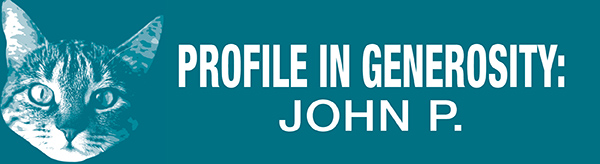
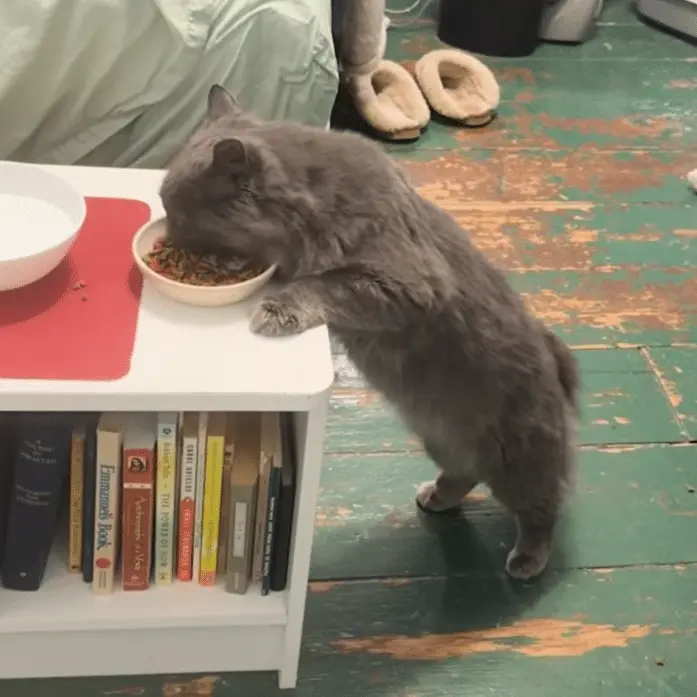
At the time of his passing, John’s immediate circle of feline dependents included Gray, their cherished indoor-outdoor companion, alongside four distinct community cats who relied on his daily rounds: Miss Kitty, Sylvestra, Mini, and Loper.
Supporting Context & Metrics: The Philosophy of Planned Giving and Community Cat Protection
The Power of Planned Giving in Animal Welfare
John’s decision to include Alley Cat Allies in his estate plans is part of a growing, vital movement known as planned giving or legacy giving. In the non-profit sector, planned gifts—such as bequests in wills, charitable gift annuities, and trust designations—are the bedrock of long-term organizational sustainability.
While day-to-day donations keep shelters stocked and immediate rescue operations running, planned gifts build the financial architecture required for systemic, generational change. According to philanthropic data, legacy gifts allow organizations like Alley Cat Allies to:
- Scale Global Operations: Expand advocacy campaigns beyond domestic borders to establish international protections for community cats.
- Fund Policy Reform: Invest in legal and legislative lobbying to overturn outdated, lethal municipal ordinances regarding feral and stray cat populations.
- Sustain Educational Infrastructure: Develop robust public awareness curricula that teach humane coexistence, debunk myths about outdoor cats, and promote evidence-based population management.
By directing a portion of his estate to Alley Cat Allies, John ensured that his personal act of feeding four neighborhood cats would be exponentially magnified, protecting countless cats and kittens worldwide for years to come.
Trap-Nev-Return (TNR): The Science of Compassion
At the core of Alley Cat Allies’ mission—and championed wholeheartedly by supporters like Deb and John—is Trap-Neuter-Return (TNR). For decades, traditional municipal approaches to outdoor cats relied on catch-and-kill policies, which were not only inhumane but fundamentally ineffective due to a phenomenon known as the "vacuum effect." When cats are removed from an area, new cats simply move in to take advantage of available food sources, keeping populations high.
TNR breaks this cycle through a humane, scientific framework:
- Trap: Community cats are humanely trapped using specialized box traps.
- Neuter/Spay: The cats are sterilized by licensed veterinarians, vaccinated against rabies, and often ear-tipped (the universal sign of a sterilized community cat) for identification.
- Return: The cats are returned to their outdoor homes where they live out their lives naturally, free from the stress of constant reproduction and the dangers of overpopulated shelters.
TNR stabilizes cat populations, eliminates nuisance behaviors associated with mating (such as yowling and spraying), and dramatically improves the health and welfare of the cats. Deb’s vocal support for TNR echoes the growing scientific consensus that humane education and sterilization are the only ethical, sustainable solutions to community cat management.
Official Statements and Personal Reflections
The narrative of John’s life and legacy is best told through the words of those who walked beside him. In a deeply moving correspondence with Alley Cat Allies, Deb reflected on the 42 years she shared with her husband, capturing the essence of a man whose heart was expansive enough to embrace both human students and neighborhood strays.
"I am grateful that organizations like Alley Cat Allies exist," Deb stated, emphasizing the critical importance of national and international advocacy groups in supporting grassroots animal lovers.
Deb’s letter serves as a testament to the fact that animal advocacy is rarely a solitary endeavor; it is sustained by partnerships, shared values, and the comfort of knowing that organizations are fighting the larger battles on behalf of individual caregivers.
Alley Cat Allies representatives have repeatedly highlighted how legacy donors like John represent the lifeblood of the movement. These individuals do not merely give financial support; they impart a philosophy of universal empathy. John’s legacy proves that one does not need to run a massive shelter to make a global impact; a lifetime of quiet, consistent local kindness, backed by strategic estate planning, can resonate across the world.
Future Outlook: Continuing John’s Mission
As we look toward the future of animal welfare, the challenges facing community cats remain significant. Urban sprawl, shifting climate patterns, and municipal budget constraints often threaten funding for humane animal services. However, the roadmap laid down by advocates like John provides a clear path forward.
The Role of the Everyday Advocate
John’s story dismantles the myth that effective animal advocacy requires extraordinary wealth or professional specialization. He was a social studies teacher who simply paid attention to the world around him. He noticed a neighbor feeding cats, chose to participate, adjusted his long-held assumptions about allergies, and opened his heart to animals in need.
The future of feline protection depends on replicating John’s community-level awareness on a mass scale. When ordinary citizens take responsibility for the outdoor cats in their alleys, backyards, and corporate parks, the burden on municipal shelters is drastically reduced.
How You Can Make a Lifesaving Impact
John’s story invites every reader to consider their own legacy. Whether through daily acts of community care, active support of TNR programs, or long-term estate planning, every individual has the power to shape a more humane world for animals.
Alley Cat Allies provides numerous pathways for supporters to leave a lasting mark:
- Bequests and Planned Gifts: By including Alley Cat Allies in a will or trust (EIN #52-1742079, CFC #10964), donors ensure that their passion for animal protection endures beyond their lifetime.
- Direct Contributions: Immediate financial gifts support frontline rescue operations, emergency veterinary care, and educational campaigns.
- Community Education: Spreading awareness about the efficacy of TNR helps shift public policy away from lethal control and toward coexistence.
To learn more about how you can give today, visit alleycat.org/Donate.
To explore the profound impact of planned giving and secure a legacy like John’s, visit alleycat.org/PlannedGiving or call dedicated support specialists directly at 866-309-6207.
Conclusion
John’s journey from a man who thought he was allergic to cats to a "permissive cat daddy" and global legacy donor is a powerful reminder of how capacity for love can expand over time. His 42 years with Deb, his dedication to his students, and his unwavering protection of Gray, Miss Kitty, Sylvestra, Mini, Loper, and Puddy Cat paint a portrait of a life well-lived.
Though John is no longer here to share his dad jokes or check on his neighborhood cats, his spirit lives on. Through his foresight in estate planning, his compassion has outlived him, establishing a permanent bulwark of protection for cats and kittens worldwide. In honoring John, we are reminded of the profound truth at the heart of all animal advocacy: every act of kindness matters, and love, once set into motion, echoes infinitely.