
Executive Overview
For generations, the Platte River has cut a vital, shimmering path across the North American continent, serving as an irreplaceable anchor for the environment, agriculture, and human civilization in Nebraska and the broader Midwest. Globally renowned for hosting the breathtaking annual migration of hundreds of thousands of Sandhill Cranes—one of the last great wildlife spectacles on Earth—the river is frequently viewed through a narrow ecological lens. Yet, to define the Platte solely by its avian visitors is to overlook its profound, multi-faceted role as a foundational pillar of regional health, municipal prosperity, and economic vitality.
From acting as a natural water-filtration system to serving as the literal lifeblood of Nebraska’s multi-billion-dollar agricultural sector, the Platte River operates as a complex, dynamic lifeline. Its waters recharge the vast underground aquifers upon which rural and urban populations alike depend for daily drinking water, industrial operations, and crop irrigation. Furthermore, the river’s surging seasonal flows and thriving adjacent wetlands drive a robust tourism and outdoor recreation economy, drawing hunters, anglers, and nature enthusiasts from across the globe while simultaneously providing natural flood-mitigation defenses that protect homes, infrastructure, and local livelihoods.
Despite its ubiquity in everyday Nebraska life, the immense value of the Platte River is frequently taken for granted. Its silent, continuous delivery of ecosystem services—ranging from water purification to climate resilience—would be astronomically expensive, if not practically impossible, to replicate through engineered infrastructure. As climate variability increases and competitive demands for water resources intensify, a comprehensive understanding of how the Platte River interweaves ecological health with human prosperity has never been more critical. This report provides an in-depth examination of the Platte River’s multifaceted contributions, exploring its hydrology, its economic footprint, its protective natural mechanisms, and the critical imperative of keeping water flowing through its historic channel.
Detailed Chronology: The Evolution and Stewardship of the Platte
To fully comprehend the contemporary significance of the Platte River, one must trace its historical trajectory from a wild, braided prairie stream to a heavily managed, highly contested, and deeply appreciated hydrological corridor.
Pre-Settlement and Indigenous Reliance
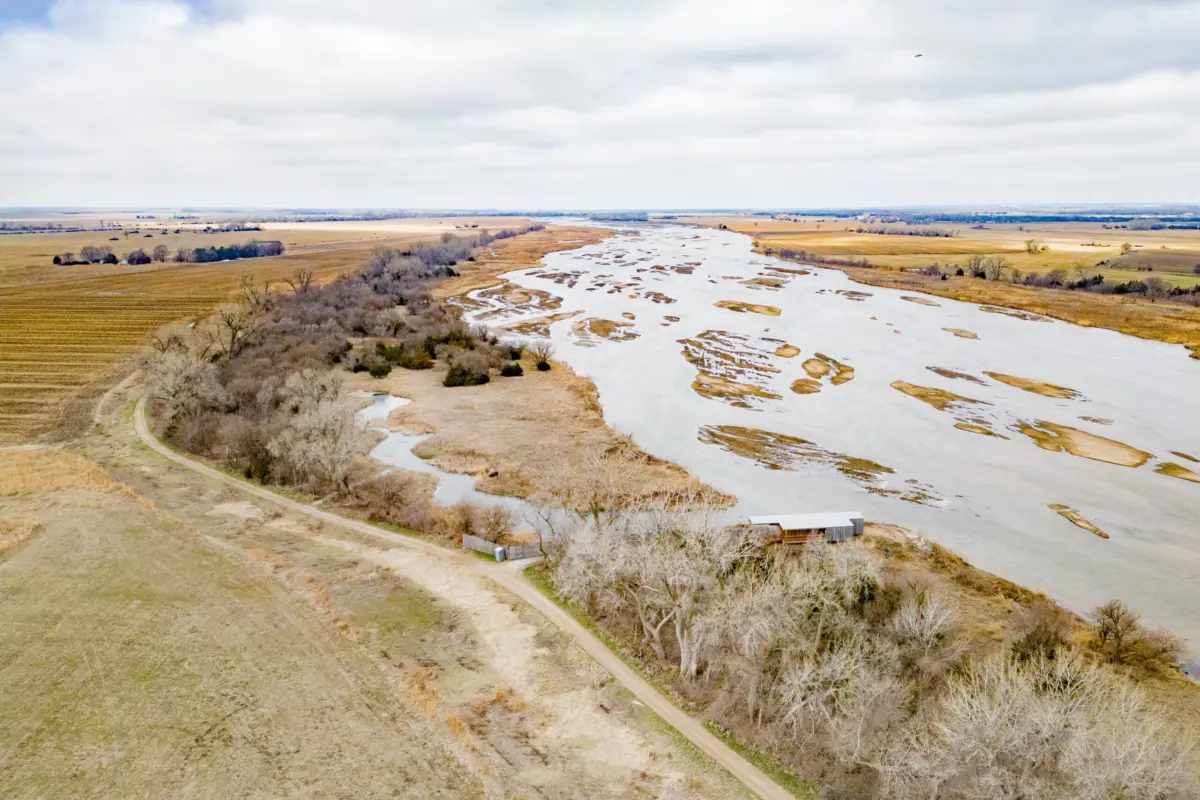
Long before European settlers forged paths along its muddy banks—utilizing the historic Oregon, California, and Mormon trails carved alongside the river—Indigenous nations such as the Pawnee, Otoe, and Lakota relied on the Platte for sustenance, navigation, and camp placement. The river’s name, derived from the French word for "flat," accurately describes its wide, shallow, and braided character. Historically, the Platte functioned as an untamed hydrological force, subject to massive spring snowmelt surges from the Rocky Mountains that reshaped its sandbars, scoured its channels, and periodically inundated the surrounding floodplain, thereby depositing rich, fertile sediment across the Nebraska plains.
The Era of Agricultural Expansion and Engineering
As westward expansion accelerated in the 19th and 20th centuries, the economic potential of the Platte River system triggered sweeping anthropogenic interventions. Recognizing the semi-arid nature of central and western Nebraska, visionary farmers, policymakers, and engineers sought to harness the river’s waters to unlock agricultural productivity.
- Late 19th to Mid-20th Century: The construction of upstream storage reservoirs, diversion dams, and intricate canal systems began. Major federal and state irrigation projects transformed the Platte River basin into one of the most productive agricultural regions in the United States.
- The 20th-Century Paradigm Shift: For decades, water management focused heavily on extraction and flood control, often at the expense of instream flows and downstream ecological health. The construction of dams choked the natural sediment load and altered peak flow timings, leading to the narrowing of the active river channel and the overgrowth of woody vegetation on former sandbars.
- The Late 20th Century to Present: A growing scientific and regulatory consensus emerged regarding the interconnectedness of surface water and groundwater. Milestone agreements, such as the Platte River Recovery Implementation Program (PRRIP) established in the 2000s, marked a paradigm shift toward collaborative, science-based adaptive management. Today, stakeholders ranging from agricultural cooperatives to conservation groups work in tandem to balance human consumption needs with the ecological imperatives of minimum instream flows, redefining the chronology of the river from an era of unchecked exploitation to an era of holistic, integrated stewardship.
Supporting Context & Metrics: The Science of the Platte
The resilience of Nebraska’s communities and ecosystems is underpinned by quantifiable ecological functions performed daily by the Platte River watershed. Understanding the metrics of these natural services reveals the high stakes involved in effective river management.
Hydrological Mechanics: Groundwater Recharge and Aquifer Sustenance
The Central Platte region overlies critical hydrogeological formations that supply water to millions of users. The relationship between the river and underlying aquifers is direct and dynamic:
$$textHigh Streamflow longrightarrow textPercolation through Riverbed & Soils longrightarrow textAquifer Recharge$$
During periods of elevated streamflow, water moves downward through the sandy riverbed and adjacent alluvial soils, actively replenishing the groundwater supplies that act as a strategic reserve during extended dry years and drought cycles.
- Municipal Reliance: Over 85% of Nebraskans rely on groundwater for municipal drinking water. Without the continuous recharge provided by the Platte and its tributaries, municipal water tables would experience precipitous drops.
- Agricultural Security: Irrigation wells throughout the Platte Valley depend on stable water tables to sustain crop yields. The river acts as an underground savings account, depositing moisture during wet seasons that farmers draw upon during peak growing months.
Wetland Filtration and Water Quality Metrics
The wetlands flanking the Platte River serve as living water-treatment plants. As agricultural runoff containing nitrogen, phosphorus, and sediment flows toward the river, these transitional zones intercept and filter the contaminants.
- Nutrient Abatement: Wetland vegetation and microbial action absorb excess nutrients, preventing eutrophication and algal blooms downstream.
- Cost-Effective Purification: Maintaining natural wetlands drastically reduces the capital expenditures that municipal water treatment facilities would otherwise incur to achieve comparable drinking water purity standards.
Economic Impact and Recreation Metrics
The Platte River basin is an economic engine driven in large part by eco-tourism, recreation, and agriculture.
- The Crane Trust Economy: Each spring, the Central Platte River hosts approximately 500,000 Sandhill Cranes, alongside millions of other waterfowl. This phenomenon draws tens of thousands of wildlife tourists from all fifty states and dozens of foreign nations.
- Direct Economic Contribution: Tourism associated with the Central Platte wildlife viewing, hunting, and fishing pumps tens of millions of dollars annually into local economies, supporting lodging, dining, guide services, and retail employment in rural communities like Kearney, Grand Island, and Gibbon.
Flood Mitigation and Channel Dynamics
Hydrologists emphasize that allowing room for higher streamflow is not merely an ecological luxury, but a vital infrastructure protection strategy.
- Sediment Transport: High-volume flows possess the kinetic energy required to scour built-up sediment and invasive woody vegetation from the river channel.
- Channel Widening: Scouring widens the active channel, providing a broader footprint for future floodwaters to dissipate safely across undeveloped floodplains, thereby shielding residential and commercial properties from catastrophic inundation.
Official Statements and Expert Perspectives
To capture the complex policy, scientific, and community dimensions of the Platte River, leading voices from conservation, hydrology, and local governance provide critical insights into its ongoing management.
Dr. Elena Vance, Senior Hydrologist at the Midwest Water Research Institute, underscores the fundamental linkage between surface water and human infrastructure:
"We often conceptualize rivers as things that flow past our communities, but the Platte is essentially a dynamic extension of our municipal and agricultural water grid. When we protect the integrity of the river’s natural flow regime, we are actively securing the tap water for nearly a million people and preserving the sub-surface reserves that keep our rural economies afloat. Disconnecting the river from its floodplain is a hydrological error we can no longer afford to make."
Marcus Lindstrom, Director of the Central Nebraska Economic Development and Tourism Board, highlights the symbiotic relationship between ecological conservation and local commerce:
"The economic vitality of our region is inextricably tied to the health of the Platte River. People travel thousands of miles to witness the spring crane migration or to hunt and fish along the valley. When the river is healthy, our wetlands function at their peak, attracting abundant waterfowl and vibrant tourism traffic. It is a direct economic multiplier for local small businesses, hotels, and restaurants."
Sarah Jenkins, a regional floodplain manager and civil engineer, addresses the crucial role of river dynamics in disaster mitigation:
"For decades, there was a tendency to constrict rivers, attempting to force them into narrow, predictable channels. However, hydrology dictates that rivers need room to breathe. Allowing episodic, higher-volume flows to course through the Platte is our best defense against catastrophic flooding. High flows scour out choking vegetation and sediment, effectively resetting the channel and giving floodwaters a safe place to expand without threatening human lives and property."
Future Outlook: Challenges and Sustainable Pathways
As the Platte River looks toward the mid-21st century, it faces a convergence of mounting pressures, including climate variability, shifting precipitation patterns in the Rocky Mountains, increasing agricultural competition, and municipal growth. Navigating these challenges will require proactive, collaborative, and science-driven strategies.
1. Integrating Climate Resilience into Water Management
Changing climate dynamics threaten to alter the timing and volume of snowmelt in the Rockies, potentially leading to earlier, more volatile spring runoffs followed by prolonged summer low-flow periods. Future management must prioritize flexible water-storage mechanisms, conjunctive use management (optimizing the joint use of surface water and groundwater), and upstream conservation practices designed to smooth out hydrological extremes.
2. Preserving Instream Flows for Multifunctional Benefits
The historical false dichotomy between "water for the environment" and "water for human use" is rapidly dissolving. Future policy frameworks must recognize that keeping adequate water in the river inherently benefits both domains:
- Ecologically, minimum instream flows maintain habitat connectivity, support native fish species, and sustain the wetlands that purify drinking water.
- Economically, those same flows ensure aquifer recharge, support recreational industries, and dilute agricultural and municipal return flows to maintain downstream water quality.
3. Collaborative Watershed Governance
The long-term health of the Platte River cannot be secured by any single entity; it demands continued, transparent collaboration among state agencies, Natural Resources Districts (NRDs), agricultural producers, conservation organizations, and municipal leaders. Programs that incentivize voluntary water-leasing, rotational irrigation, and wetland restoration will be vital instruments in maintaining balance across the basin.
Conclusion
The Platte River is far more than a scenic backdrop or a seasonal resting place for migrating birds; it is the fundamental infrastructure upon which Nebraska’s prosperity, ecological integrity, and quality of life are built. From recharging the aquifers that quench our thirst to supporting the agricultural engine that feeds the nation, and from driving rural tourism economies to safeguarding our communities from destructive floods, the Platte performs invaluable services that would be impossible to replace. Recognizing, valuing, and actively protecting the continuous, life-giving flow of the Platte River is an essential investment in the sustainable future of Nebraska and the wider American heartland.