
Executive Overview
Across the vast, ecologically diverse landscapes of the American Southwest, local conservation groups serve as the frontline defenders of native wildlife, fragile riparian corridors, and arid-land biomes. The Audubon Southwest region—encompassing twelve independent chapters operating synergistically across Arizona and New Mexico—represents a powerful nexus of community science, environmental advocacy, and habitat restoration. Recent updates from regional chapters illustrate a multifaceted approach to ecological stewardship, ranging from cutting-edge avian tracking and two decades of urban conservation to emergency response initiatives and legislative-adjacent hazard mitigation.
In an era defined by accelerating climate pressures, habitat fragmentation, and biodiversity loss, the work performed by these decentralized chapters has never been more critical. Whether mobilizing students in Silver City to track the declining Pinyon Jay, celebrating twenty years of community-driven bird education in Phoenix’s East Valley, persevering through historic flooding in northern Arizona, or launching life-saving campaigns to eradicate hidden industrial hazards in the Sonoran Desert, Audubon Southwest chapters demonstrate that effective conservation is inherently local. This report provides an in-depth examination of current chapter highlights, analyzing the methodologies, community impacts, and broader ecological implications of their ongoing initiatives.
Detailed Chronology of Regional Chapter Initiatives
The current wave of conservation activity across Arizona and New Mexico highlights the diverse challenges and creative solutions characterizing modern regional ecology. From educational workshops to emergency resilience and infrastructure reform, local chapters are actively shaping the environmental landscape.
November 13: Pinyon Jay Community Science Training in Silver City
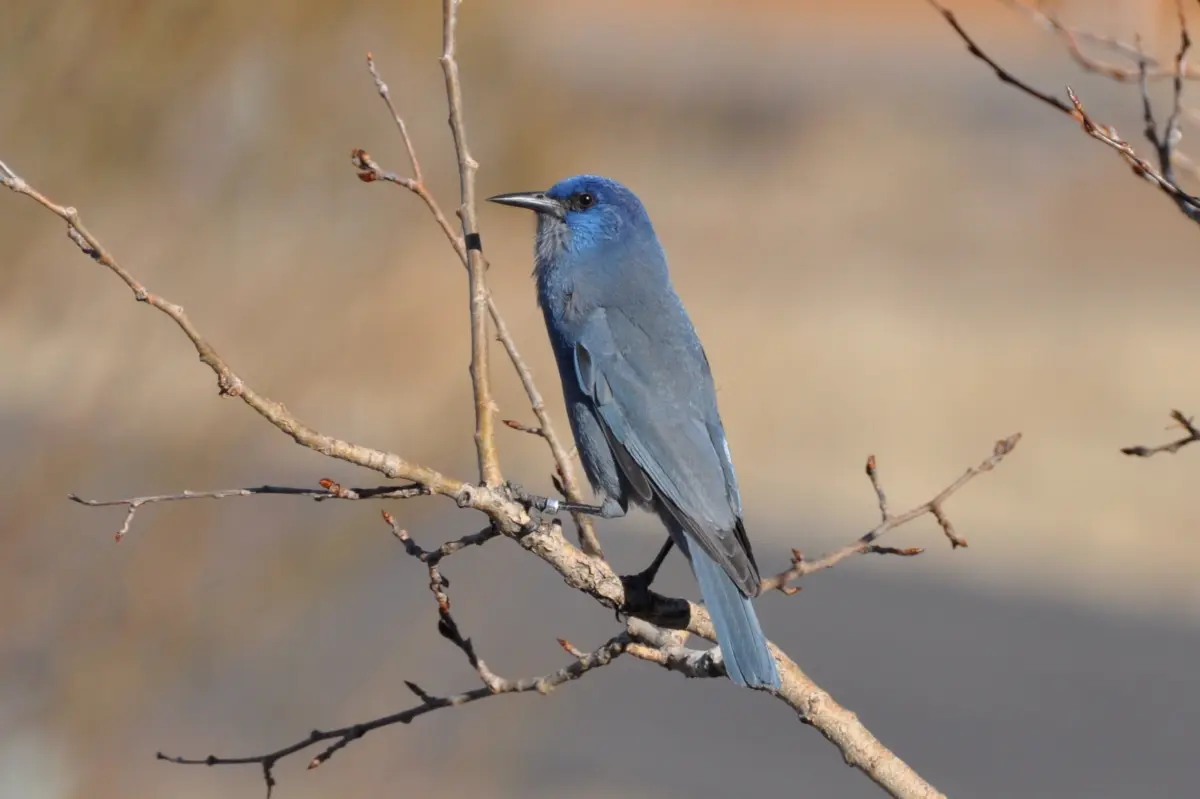
The Bird Alliance of Southwestern New Mexico is spearheading a vital community science initiative aimed at understanding and mitigating the precipitous decline of the Pinyon Jay (Gymnorhinus cyanocephalus), often colloquially referred to as the "blue crow." On November 13, the chapter will host an intensive evening classroom session in the Silver City area, bringing together students from the region’s newest campus chapter and local residents.
The curriculum focuses heavily on Pinyon Jay natural history, flock dynamics, foraging behaviors, and the critical role these corvids play in pinyon-juniper woodland regeneration. Crucially, the training provides hands-on instruction on how participants can utilize their smartphones to record and report avian sightings directly to centralized ornithological databases. By leveraging citizen-contributed data via platforms utilized by the Great Basin Bird Observatory and the Cornell Lab of Ornithology, researchers gain access to real-time population metrics across vast geographic tracts that would otherwise be impossible for professional biologists to monitor comprehensively. No prior ornithological experience is required for attendees, though organizers have requested RSVPs to accommodate venue capacities.
Celebrating Two Decades of Impact: Desert Rivers Audubon Society
In Phoenix’s East Valley, the Desert Rivers Audubon Society is marking a major organizational milestone: twenty years of continuous environmental leadership and community engagement. Founded in 2006, the chapter has carved out a distinct reputation for its innovative bird education programs and its signature "Plants for Birds" initiatives.
Central to Desert Rivers’ community outreach is its annual "Tour de Bird" event, an immersive program that invites residents to tour wildlife-friendly home gardens throughout the metropolitan area. The tour not only showcases sustainable xeriscaping and native plant selection but also fosters a localized network of gardeners who share advice, exchange ideas, and cultivate urban habitats that welcome migratory and resident bird species.
To commemorate its twentieth anniversary, the chapter released a special-edition, magazine-style newsletter. This commemorative publication features an in-depth cover story on the Pinyon Jay, bridging the gap between local urban gardening practices and broader regional conservation crises.
Resilience in Northern Arizona: Overcoming Flood Recovery
The resilience of Southwest conservationists was tested dramatically following severe meteorological events during the final week of October. A historic soaking brought torrential downpours to northern Arizona, resulting in significant localized flooding, property damage, and infrastructural strain.
Despite the logistical hurdles and personal hardships experienced by members and chapter leadership, the Northern Arizona Audubon Society announced that its scheduled November events will proceed as planned. Chapter organizers have emphasized the importance of maintaining community momentum while urging attendees to check the updated event schedule online. Furthermore, participants are strongly encouraged to RSVP for upcoming field trips and meetings, ensuring that trip leaders can maintain direct lines of communication should lingering trail damage or road closures necessitate sudden logistical adjustments. The broader regional community has extended solidarity and support to all residents and ecosystems affected by the autumn deluges.
Eradicating "Death Pipes" in the Sonoran Desert: Tucson Bird Alliance
Perhaps the most physically hazardous ecological trap facing desert wildlife is the ubiquitous, yet frequently overlooked, phenomenon known as the "death pipe." Across the arid West, thousands of miles of hollow industrial infrastructure—ranging from abandoned mining claims and old fencing to open-ended property markers—dot the landscape. These vertical, hollow pipes act as inescapable pitfall traps for birds, reptiles, and small mammals that climb inside and subsequently find themselves unable to scale the smooth interior walls.
The Tucson Bird Alliance, working in tandem with state agencies, conservation partners, and local volunteers, has escalated its campaign to eliminate these silent wildlife killers. In collaboration with the Arizona Game and Fish Department, the chapter has helped produce and distribute informational video media to raise public awareness of the hazard. The remediation process is direct yet labor-intensive: volunteers locate open pipes and either permanently cap them or fill them with concrete to prevent wildlife entry. In addition to capping death pipes, the alliance is actively engaged in landscape-scale wire and fence removal projects across the Tucson area, removing obsolete livestock barriers that routinely entangle raptors, mule deer, and other native fauna.
Supporting Context & Metrics: The Ecological Imperatives
To fully appreciate the significance of these localized initiatives, one must examine the broader environmental metrics and ecological vulnerabilities defining the Audubon Southwest territory.
The Pinyon Jay Crisis
The Pinyon Jay has emerged as a focal species for regional conservation concern. Once numbering in the millions across the interior West, Pinyon Jay populations have experienced steep, long-term declines—estimated by some avian conservation groups to exceed 80% over the past half-century. This downward trajectory is driven primarily by the large-scale degradation and clearing of pinyon-juniper woodlands, compounded by severe droughts, catastrophic wildfire regimes exacerbated by climate change, and large-scale utility and energy development.
Because Pinyon Jays are mutualistic seed dispersers responsible for planting vast swaths of pinyon pine forests, their decline triggers a cascading ecological failure. When jays disappear, the reproductive capacity of pinyon pines diminishes, altering the structural integrity of entire woodland biomes. The community science training offered by the Bird Alliance of Southwestern New Mexico is therefore not merely a localized educational event, but a vital data-gathering mechanism designed to inform federal and state wildlife management strategies.
Urban-Rural Interface and Habitat Fragmentation
The growth of metropolitan centers like the Phoenix East Valley and Tucson presents unique challenges and opportunities for avian conservation. Urban sprawl fragments historical migration corridors, introduces light and noise pollution, and increases mortality rates through window collisions and domestic pet predation.
However, as demonstrated by the Desert Rivers Audubon Society’s "Plants for Birds" and "Tour de Bird" programs, urban environments also hold immense potential for ecological remediation. By transforming suburban backyards into native-plant micro-habitats, urban residents can collectively establish functional green infrastructure that supports migratory stopovers and resident bird populations. Quantifying the cumulative impact of these residential sanctuaries is an ongoing focus for urban ecologists studying desert biodiversity hotspots.
Industrial Hazards in Arid Landscapes
The desert landscape is a palimpsest of historical human enterprise, bearing the physical scars of 19th- and 20th-century mining, ranching, and mineral exploration. Uncapped mining claims and hollow fencing posts—the aforementioned "death pipes"—represent a persistent, preventable source of wildlife mortality.
According to wildlife biologists, open pipes act as ecological sinks, luring cavity-seeking species such as Western Screech-Owls, Ash-throated Flycatchers, and various desert rodents into fatal enclosures. Because these pipes are often located in remote, rugged terrain, volunteer-driven remediation efforts orchestrated by groups like the Tucson Bird Alliance are indispensable. Mobilizing citizens to locate, document, and seal these hazards accelerates cleanup timelines far beyond what underfunded state and federal agencies can achieve independently.
Official Statements and Leadership Perspectives
Leadership across the Audubon Southwest network emphasizes that grassroots empowerment and cross-sector collaboration are foundational to overcoming contemporary conservation hurdles.
Reflecting on the milestone anniversary of Desert Rivers Audubon, regional advocates have noted that the longevity of these chapters is a testament to the dedication of local volunteers. "When Desert Rivers was founded twenty years ago, the vision was to bring bird education directly into the fabric of the East Valley community," noted a regional conservation strategist. "Today, that vision has evolved into tangible habitat restoration and a deep public consciousness regarding the interconnectedness of our desert ecosystems."
Regarding the ongoing work in southern New Mexico, organizers of the Pinyon Jay Community Science Training underscore the democratization of ecological research. "Professional ornithologists cannot be everywhere at once," stated a representative from the Bird Alliance of Southwestern New Mexico. "By equipping students, hikers, and local residents with the tools to log sightings via smartphones, we transform every community member into an effective biological monitor. The data flowing from these local sessions feeds directly into macro-level conservation planning."
On the industrial hazard front, representatives from the Tucson Bird Alliance have repeatedly stressed the urgency of community participation in infrastructure remediation. "Death pipes are a completely avoidable tragedy," a project coordinator emphasized. "Every cap we place on a pipe, every foot of redundant wire fence we pull from the desert floor, represents an immediate, quantifiable reduction in wildlife mortality. We invite all community members who care about Sonoran Desert wildlife to join our volunteer ranks and help us neutralize these hidden traps."
Future Outlook: Strategic Directions for Audubon Southwest Chapters
As Audubon Southwest and its twelve independent chapters look toward the future, strategic priorities are crystallizing around three core pillars: climate adaptation resilience, technological integration in citizen science, and targeted habitat connectivity.
Scaling Community Science through Mobile Technology
The integration of smartphone applications into grassroots conservation—exemplified by the Silver City Pinyon Jay training—represents a blueprint for future engagement. Moving forward, regional chapters plan to expand digital literacy workshops, bridging demographic divides to ensure that diverse communities can participate in ecological data collection. This crowdsourced data stream will increasingly serve as an early-warning system for tracking shifts in avian migration patterns, range contractions, and disease outbreaks among vulnerable populations.
Enhancing Urban Biodiversity Corridors
Urban chapters in Arizona and New Mexico are poised to scale up their engagement with municipal planners, developers, and residential HOAs. By advocating for native landscaping ordinances, dark-sky lighting policies, and wildlife-friendly architectural standards, chapters like Desert Rivers and Tucson Bird Alliance aim to weave ecological corridors directly into the fabric of expanding cities. The success of residential garden tours proves that public appetite for wildlife-friendly living is robust and capable of driving substantive environmental change at the neighborhood level.
Proactive Hazard Mitigation and Policy Advocacy
Beyond physical cleanup efforts, regional chapters are increasingly turning their attention upstream to prevent environmental hazards at their source. This includes advocating for legislative and regulatory reforms that compel mining companies and public land users to properly cap exploratory drill holes and remove obsolete infrastructure before abandoning leases. By combining boots-on-the-ground volunteer muscle with rigorous policy advocacy, the Audubon Southwest network aims to secure systemic protections for the region’s iconic wildlife.
In conclusion, the current activities of Audubon chapters in New Mexico and Arizona illustrate the vital, irreplaceable role of decentralized, community-based conservation. From educating the next generation of citizen scientists and celebrating decades of urban wildlife advocacy to repairing flood-damaged infrastructure and sealing deadly industrial relics, these chapters embody the resilience, dedication, and proactive spirit required to safeguard the natural heritage of the American Southwest for generations to come.