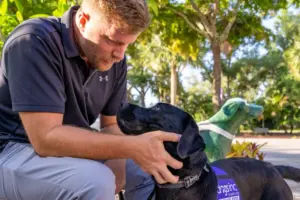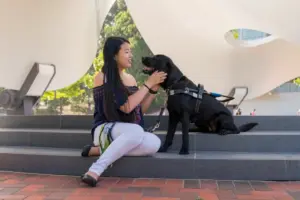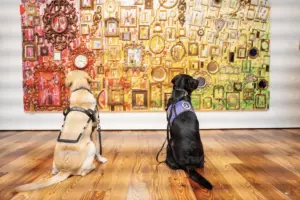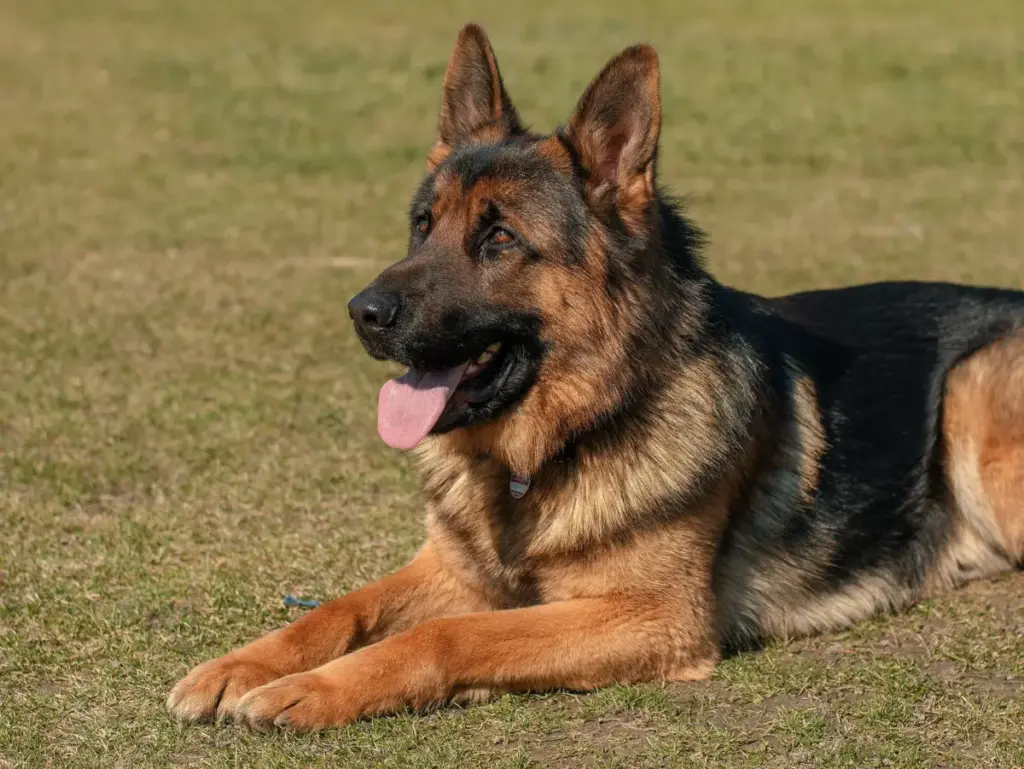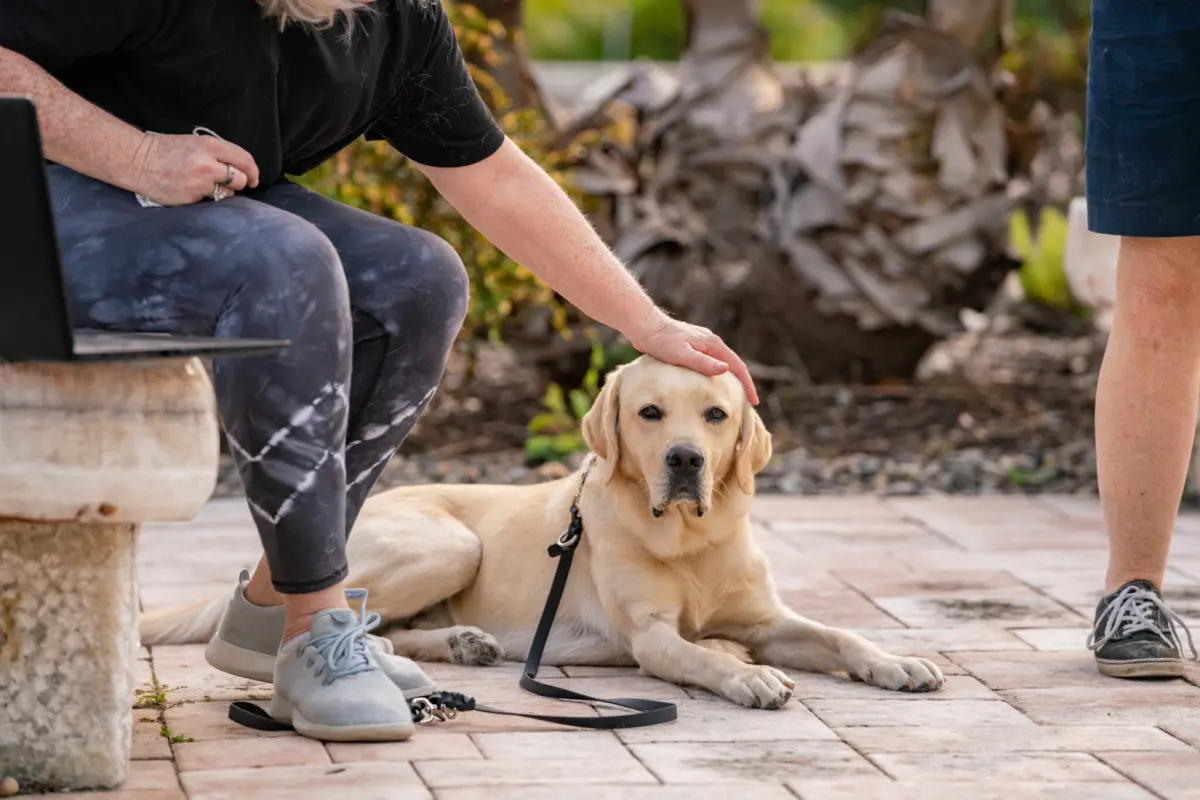

In bustling public spaces—from crowded airport terminals and winding supermarket aisles to high-end restaurants and serene healthcare facilities—it is entirely common to encounter a service dog. These remarkable animals naturally project an aura of absolute calm, hyper-focus, and friendly composure. For the average passerby, the immediate instinct to smile, offer a gentle pat, or murmur a soft "good boy" or "good girl" is a deeply human reaction rooted in a universal love for animals.
However, beneath this veneer of tranquility lies a critical professional truth: a working service dog is not a traditional family pet, nor is it a casual public companion. These animals are highly trained, specialized working partners whose primary mandate is to ensure the safety, mobility, and independence of individuals living with disabilities.
When well-meaning bystanders attempt to interact with, pet, or distract a service dog, they unwittingly disrupt a sophisticated chain of communication, trust, and situational awareness. Far from being a harmless gesture of affection, unsolicited interaction can compromise a dog’s focus, potentially jeopardizing the health, safety, and autonomy of its handler.
Mastering proper service dog etiquette is not merely a matter of canine politeness; it is a fundamental pillar of public accessibility and disability inclusion. By exploring the legal definitions, the physiological and psychological impacts of distraction, the nuances of team etiquette, and the responsibilities of public establishments, society can foster an environment where handlers and their working dogs navigate the world safely and with dignity.
Detailed Chronology: The Evolution and Modern Standards of Service Dog Partnerships
To fully understand the necessity of proper etiquette around service dogs, it is helpful to examine the historical development of assistance animals and how societal awareness has transformed over the decades.
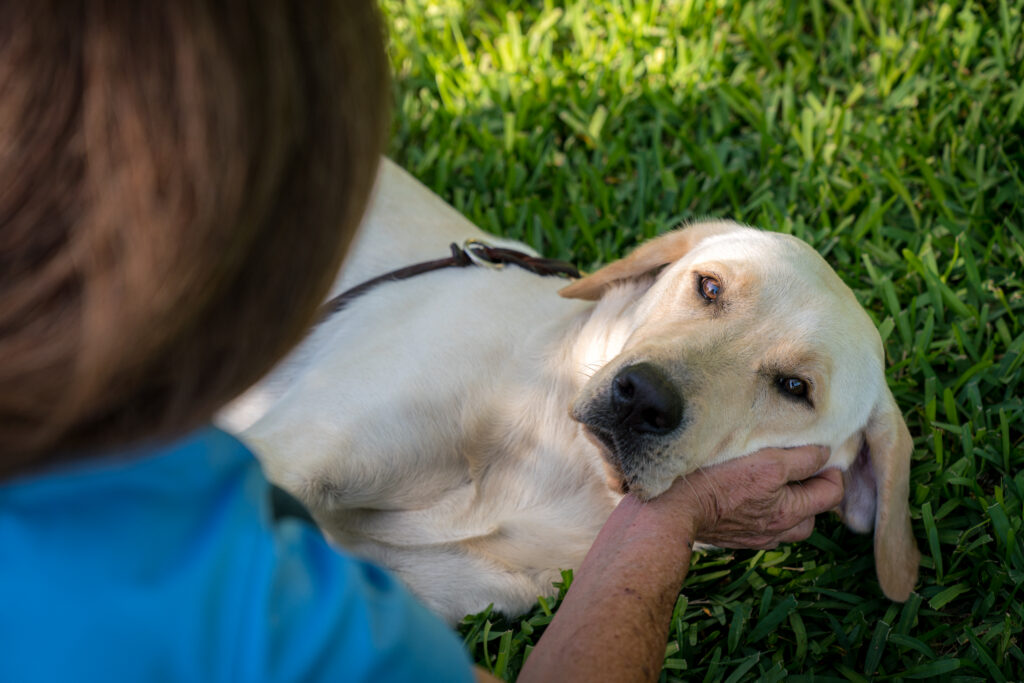
The Mid-20th Century: The Rise of Organized Assistance
While animals have aided humans with physical limitations for centuries, the modern service dog movement formally crystallized following World War I. Returning veterans with visual impairments catalyzed the establishment of the first formalized guide dog training institutions in Europe and, subsequently, the United States. During this era, the public perception of an assistance dog was largely confined to guide dogs for the blind. These early partnerships required strict public discipline, establishing the foundational rule that working dogs must be ignored while on duty.
The Late 20th Century: Legislative Recognition and Expansion
As the disability rights movement gained momentum throughout the 1970s and 1980s, the scope of assistance animals broadened dramatically. Dogs were increasingly trained to assist individuals with mobility challenges, hearing impairments, and seizure disorders.
A watershed moment arrived with the passage of the Americans with Disabilities Act (ADA) of 1990 in the United States. For the first time, federal legislation explicitly codified the rights of individuals with disabilities to be accompanied by their service animals in all areas where the general public is permitted. This legal framework shifted service dogs from a specialized curiosity into recognized, protected working professionals within civil society.
The 21st Century: Diversification of Roles and the Proliferation of Public Education
In contemporary society, the taxonomy of service animals has expanded far beyond physical guidance. Modern service dogs are trained for psychiatric support (such as mitigating symptoms for individuals with post-traumatic stress disorder), autism assistance, severe allergy detection, and medical alert tasks (including monitoring blood sugar drops for diabetics or cardiac episodes).
Along with this expansion came a sharp rise in public visibility—and, consequently, public interaction challenges. As dogs became ubiquitous in commercial and public spaces, educational campaigns spearheaded by organizations like Dogs Inc emerged to teach the public how to coexist respectfully with working canine teams. Today, public etiquette is viewed as an essential component of modern civic accessibility, ensuring that the legal rights granted to handlers are supported by respectful social behavior.
Supporting Context & Metrics: The Anatomy of a Working Partnership
To appreciate why public interference poses such a severe risk, one must examine what constitutes a service dog under federal guidelines, the rigorous nature of their training, and the mechanics of their daily tasks.
Legal Definition and Scope (ADA Standards)
Under the ADA, a service dog is strictly defined as a dog that has been individually trained to do work or perform tasks for the benefit of an individual with a disability, including a physical, sensory, intellectual, or mental disability.
Crucially, the law distinguishes between true service dogs and other categories of animals:
- Service Dogs: Trained to perform specific tasks directly related to the handler’s disability.
- Emotional Support Animals (ESAs): Animals that provide comfort through companionship, but are not trained to perform specific tasks under ADA guidelines and do not possess the same public access rights.
- Therapy Dogs: Animals that provide psychological or physiological therapy to individuals other than their handlers (often in hospitals or schools) and likewise lack public access rights under the ADA.
The Rigorous Training Pipeline
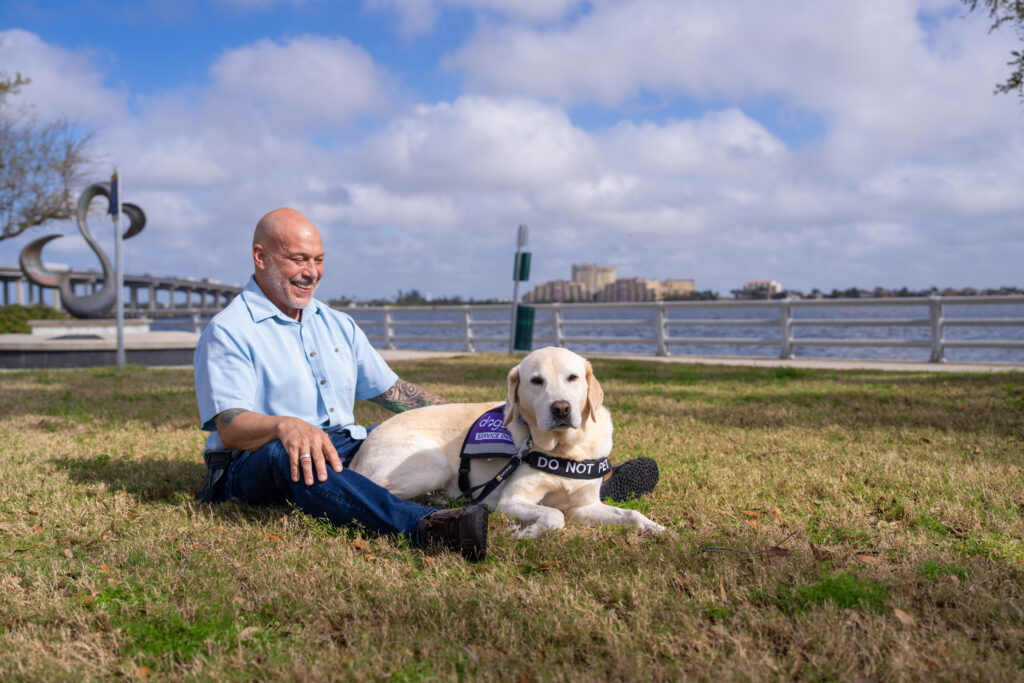
Service dogs undergo years of meticulous socialization, obedience, and task-specific training before being placed with a handler. From puppyhood, these dogs are conditioned to remain indifferent to external stimuli—loud noises, crowded environments, dropped food, and adoring strangers.
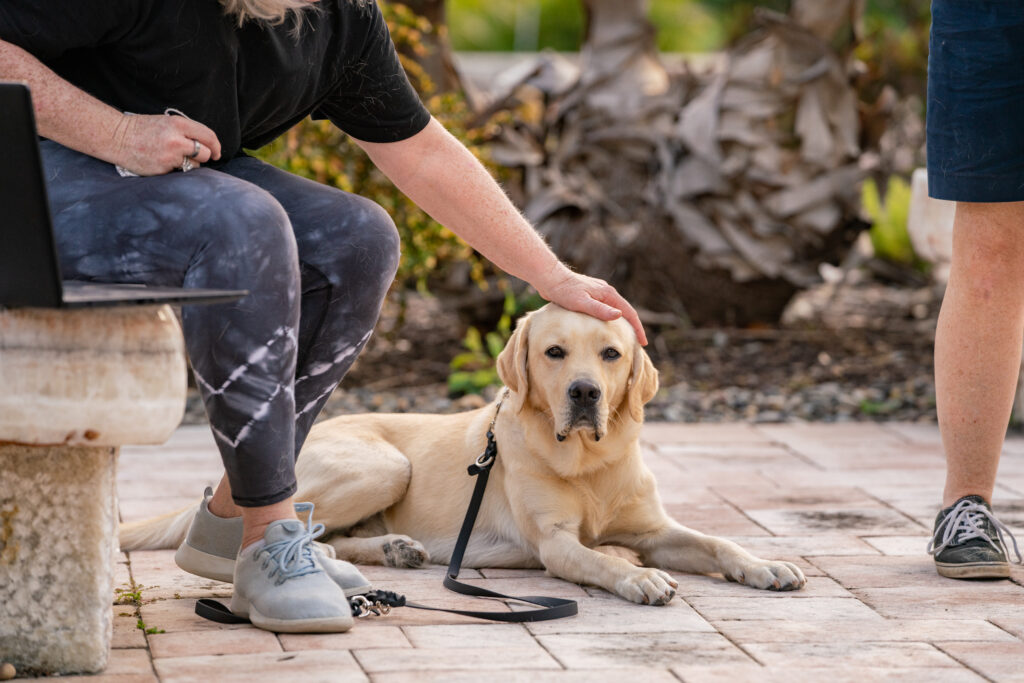
However, this extensive conditioning does not render them robots. Even the most elite service dog remains an animal with natural instincts. When a member of the public calls out, whistles, tosses a treat, or reaches out to pet the dog, they directly challenge the animal’s hard-earned conditioning.
Physiological and Practical Impacts of Distraction
When a service dog is distracted, the immediate consequences can range from minor inconvenience to catastrophic danger:
- Interrupted Medical Alerts: Dogs trained to detect chemical shifts in a handler’s body (such as spikes in cortisol or drops in blood glucose) rely on continuous focus. A momentary distraction could cause the dog to miss an early warning sign of a medical emergency.
- Compromised Mobility and Navigation: Guide dogs and stability support dogs must constantly evaluate physical terrain, traffic patterns, and obstacles. If a dog turns its head to acknowledge a stranger offering a pat, the handler—who may rely entirely on the dog’s directional stability—can be thrown off balance, trip, or walk into a hazard.
- Loss of Task Execution: Retrieving dropped items, opening heavy doors, or providing deep pressure therapy during a panic attack all require split-second timing and undivided attention.
Official Statements & Expert Perspectives on Public Etiquette
Advocacy groups, mobility experts, and service dog training organizations maintain a unified stance regarding public interactions. The overarching consensus can be summarized in a single, golden rule of etiquette: Always ask first, and respect the answer.
The "Talk to the Person, Not the Dog" Doctrine
Disability advocates frequently emphasize the phrase "Talk to the person, not the dog." When members of the public bypass the handler to address, baby-talk, or gesture at the animal, it objectifies the handler and diminishes their autonomy.
"A service dog is an extension of an individual’s independence and personal space," notes an advocacy spokesperson from Dogs Inc. "When people interact with the dog without permission, they are essentially inserting themselves into a private medical relationship. The focus must always remain on the human being."
The Multi-Faceted Nature of Handler Preferences
Not every handler responds to interaction requests the same way. Every service dog team operates under unique circumstances:

- Off-Duty Moments: Some handlers may permit polite interaction when the dog’s harness or vest is removed and they are explicitly resting or off-duty.
- High-Alert Situations: Other handlers must maintain strict, zero-interaction policies at all times to preserve the animal’s working mindset.
Because preferences vary wildly, the onus is always on the public to seek explicit permission before initiating any contact. If a handler politely declines—a common occurrence given how frequently these teams are interrupted throughout a single day—bystanders must accept the response gracefully without pressuring or questioning the handler.
Common Missteps and Best Practices in Public Spaces
In daily life, well-intentioned individuals frequently commit errors that compromise service dog teams. Recognizing these missteps is the first step toward corrective behavior.
What to Avoid Around Service Dogs
- Making Direct Eye Contact or Whistling: High-pitched noises, kissing sounds, or exaggerated facial expressions capture a dog’s attention, pulling its focus away from its handler.
- Offering Food or Treats: Feeding a working dog is dangerous. Beyond breaking their focus, it can interfere with strict dietary regimens, trigger severe food allergies, or encourage begging behaviors that ruin a dog’s professional training.
- Allowing Pet Dogs to Approach: Pet owners frequently let their leashed or unleashed dogs rush up to service dogs. This can startle the working dog, provoke defensive reactions, or cause a dangerous breach in the handler’s security zone.
- Asking Intrusive Medical Questions: Under the ADA, businesses are legally restricted to asking only two questions ("Is the dog a service animal required because of a disability?" and "What work or task has the dog been trained to perform?"). Private citizens have no right to interrogate handlers about their medical histories.
Guidelines for Specific Audiences
1. Parents and Educators
Children are naturally drawn to dogs, making public encounters teachable moments. Adults should guide children to admire the animal from a distance and explain simply: "That dog is working right now and has an important job to do, so we must give them space." Instilling this respect early fosters a more inclusive, empathetic society.
2. Business Owners and Employees
Staff members in retail, hospitality, and healthcare settings should treat service dog teams like any other valued patron. Employees should avoid making a fuss over the animal, drawing unnecessary attention to the team, or demanding medical documentation beyond the legal threshold. A welcoming, neutral demeanor ensures the team can conduct their business in peace.
Future Outlook: Building a More Inclusive and Aware Society
As public education initiatives continue to expand, the future outlook for service dog partnerships points toward greater societal awareness, enhanced legal protections, and a deeper cultural respect for personal boundaries.
Organizations like Dogs Inc are leading the charge by leveraging digital campaigns, community outreach programs, and strategic corporate partnerships to educate the public before encounters happen in the wild. The goal is to move past the novelty of seeing a dog in a grocery store or airplane cabin and toward a normalized environment where working teams can move invisibly and safely through their daily routines.
Furthermore, advancements in training methodologies and increased availability of mobility support tools mean that service dogs will continue to play an irreplaceable role in human independence. As society becomes more attuned to the nuances of invisible disabilities—such as PTSD, neurological conditions, and medical vulnerabilities—the necessity of protecting the concentration of assistance animals becomes even more pronounced.
Summary: A Little Respect Goes a Long Way
Ultimately, interacting with a service dog boils down to basic human courtesy and empathy. The next time you spot a calm, focused Labrador or Golden Retriever wearing a harness in a public square or terminal, pause for a moment to appreciate the profound partnership unfolding before you.
Resist the urge to pet, whistle, or distract. Give the team physical and mental space, direct your attention to the human being if communication is necessary, and always ask permission before crossing boundaries. By respecting the workspace of a service dog, you become an active participant in preserving the safety, freedom, and dignity of the person who relies on them every single day.