
Executive Overview
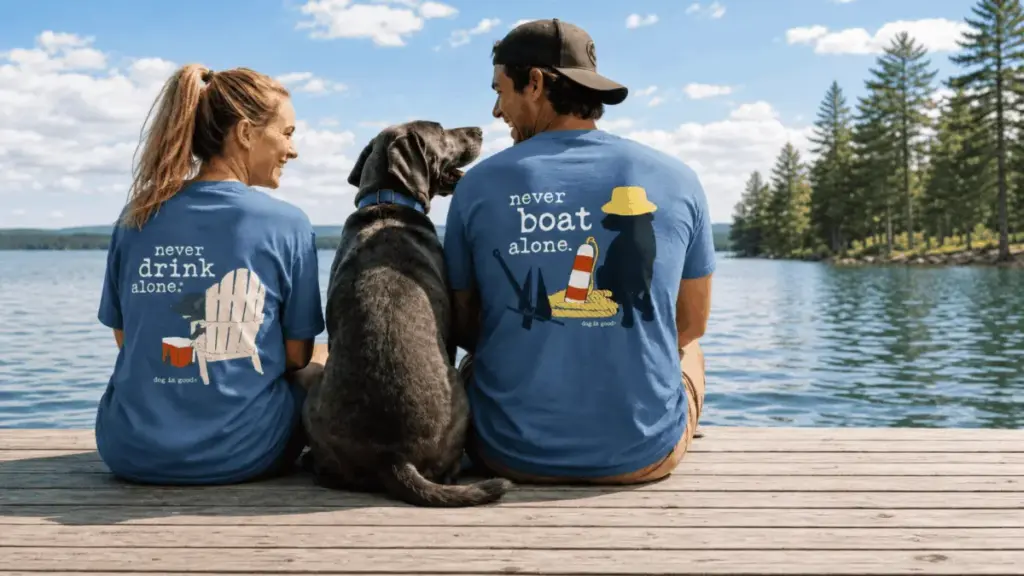
Long before the advent of agriculture, the establishment of permanent settlements, or the written word, humanity forged its most enduring alliance with the animal kingdom. Often heralded as "man’s best friend," the domestic dog (Canis lupus familiaris) occupies a singular place in human history, culture, and biology. Archaeological excavations have revealed canine remains interred alongside humans in graves dating back an astonishing 14,000 years. Across recorded history and prehistoric sites alike, dogs have appeared in ancient artwork on every continent, secured prominent roles in global mythologies, and served as frontline participants in hunting, guarding, livestock management, and day-to-day companionship.
Today, the global canine population is more numerous and morphologically diverse than at any other point in history. Spanning a vast spectrum from the diminutive Chihuahua—small enough to be carried in a handbag—to the towering Great Danes that can stand waist-high to an adult, modern dogs represent an unprecedented evolutionary canvas.
Yet, this staggering diversity begs a fundamental question: How did such an extraordinary range of forms and functions arise during roughly 15,000 years of shared evolution?
In his landmark book, First Dogs: Hunter-Gatherers and their Canine Companions from Prehistory to the Present (Routledge), renowned archaeologist Professor Peter Mitchell challenges traditional narratives of canine domestication. Rather than depicting a straightforward process of human subjugation where early humans simply captured and tamed wild wolves, Mitchell presents a nuanced, gradual, and reciprocal process. According to this perspective, humans and ancestral canids initially entered into their relationship as relatively equal participants.
Hunter-gatherer communities played a pivotal role in this co-evolutionary dynamic, embedding dogs into their societies long before other animals or plants were brought under close human control. As these relationships took root across disparate global landscapes, dogs acquired specialized biological and behavioral characteristics tailored precisely to the environments, lifestyles, and economic strategies of the human societies they accompanied.
Detailed Chronology: The Slow Path from Wild Canid to Domestic Companion
Understanding the journey from wild wolf to domestic dog requires dismantling the popular misconception that domestication was a single, abrupt event. Professor Mitchell emphasizes that the transition was protracted, complex, and deeply embedded in the lifeways of prehistoric hunter-gatherers.
The Equal Partnership of Early Foragers
Traditional theories often frame domestication as a top-down enterprise wherein dominant humans exerted control over submissive animals. However, archaeological and behavioral evidence suggests a more collaborative origin. Long before the agricultural revolution, early human foragers and opportunistic canids shared overlapping ecological niches. Both were apex or cooperative hunters targeting similar prey.
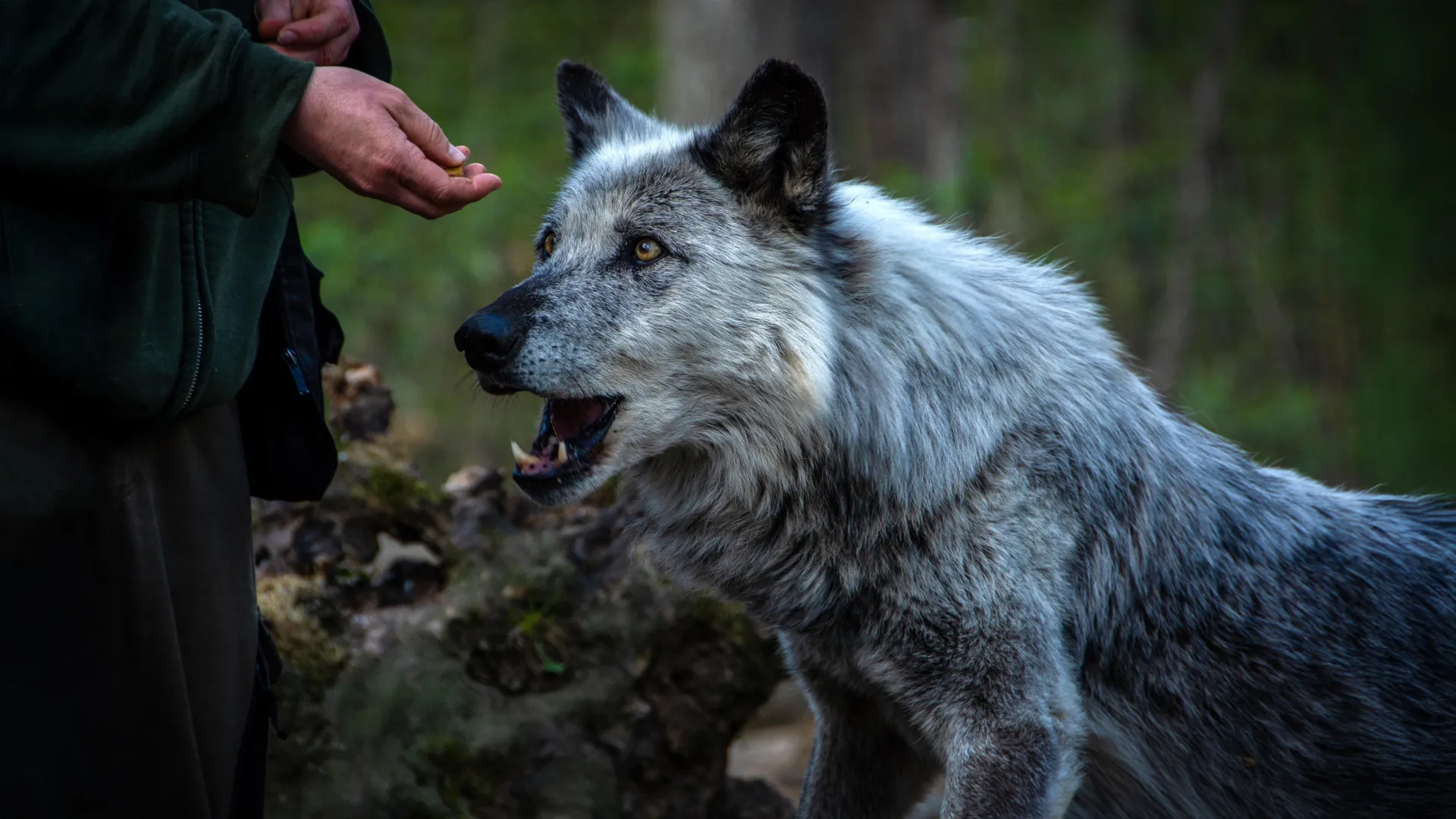
As these species orbited one another, mutual tolerance blossomed into active cooperation. Wolves benefited from the scraps and carcasses left behind by human hunters, while humans gained an early-warning system against larger predators and an invaluable tracking asset. This partnership was forged on relatively equal footing. As Professor Mitchell notes: "The connections between dogs on the one paw and people dependent on wild plant and animal resources on the other are ancient, diverse, and profound."
Global Diversification Across Latitudes
As human populations migrated across the globe, carrying their canine companions with them, environmental pressures began to carve distinct physiological traits into the canine genome. From the sub-zero expanse of the Arctic Circle to the humid, dense canopies of tropical rainforests, dogs transformed dramatically.
- Cold-Climate Adaptations: In northern latitudes, natural and human-guided selection favored compact bodies, thick multi-layered coats, and metabolic efficiency to conserve heat.
- Heat-Tolerance Traits: Conversely, dogs accompanying equatorial and tropical hunter-gatherers evolved leaner frames, longer limbs, and shorter coats designed to dissipate heat efficiently.
- High-Altitude Physiology: On the Tibetan Plateau, dogs and human populations underwent parallel evolutionary trajectories. Researchers have identified specialized genetic variants in Tibetan dogs that enable them to thrive in oxygen-poor (hypoxic) environments—adaptations mirroring those found in native human populations inhabiting the same high-altitude zones.
The Rise of Specialized Regional Breeds
As human cultures diversified, so too did the functional roles assigned to dogs, directly shaping their physical development.
Arctic Survival Partners
In the extreme environments of the Arctic, Indigenous communities engineered a symbiotic survival system centered on dog sledding. Archaeological remains from the region reveal profound skeletal modifications. Canines from these sites exhibit pronounced patterns of vertebral stress and robust, thick limb bones capable of withstanding the relentless physical strain of traversing jagged ice fields and hauling heavy loads.
Stable isotope analysis of ancient bones further illustrates the intimacy of this bond. In coastal Arctic sites, humans and dogs frequently shared identical diets dominated by marine mammals and fish, underscoring the dog’s status not merely as a tool, but as an integral member of the household survival unit.
Tropical and Forest Hunters
In stark contrast to their Arctic counterparts, dogs in the rainforests of South America and Southeast Asia followed an evolutionary path optimized for agility. Remaining smaller and lighter, these dogs excelled at navigating dense undergrowth and trailing fast-moving prey through difficult terrain. Ethnographic records show that Indigenous groups actively managed this process, carefully selecting promising puppies and occasionally introducing wild canid genetics to reinforce specific hunting attributes.
Cultural and Textile Producers
Dog morphology was not shaped by climate and hunting needs alone; cultural practices also left an indelible mark. Along the Northwest Coast of North America, certain Indigenous communities selectively bred specialized dogs featuring long, woolly coats. These animals were maintained not for transportation or hunting, but for their hair, which was harvested and spun into luxurious ceremonial blankets. Elsewhere, dogs became central figures in religious rites and funerary practices, where specific phenotypic traits were elevated due to their symbolic and spiritual weight.
The Role of Disease as an Evolutionary Filter
Environmental adaptation and cultural preference were counterbalanced by biological constraints, most notably vector-borne diseases. Recent research highlights how regional pathogens restricted the geographic expansion of early canine populations.
In sub-Saharan Africa, for instance, diseases such as trypanosomiasis and ehrlichiosis posed severe physiological hurdles for temperate-origin canids. This pathological barrier helps explain why dogs arrived in certain tropical and southern latitudes relatively late, or why they remained less numerous there compared to temperate zones. Consequently, disease served as a powerful selective agent, determining where canine lineages could successfully take root.
Colonial Expansion and Genetic Replacement
The modern canine landscape bears the heavy footprint of recent history. During centuries of global colonial expansion, European dog breeds were transported worldwide, frequently displacing and absorbing older, localized indigenous lineages.
Despite this large-scale genetic replacement, stubborn traces of ancient dog DNA survive in regional populations today. These genetic echoes provide modern scientists with critical windows into the pre-colonial history of human-canine interaction.
Supporting Context & Metrics
To fully appreciate the scope of canine evolution, researchers rely on a multidisciplinary framework combining archaeology, paleogenomics, and stable isotope analysis.
- Timeline Depth: Domesticated canine remains appear reliably in the archaeological record starting approximately 14,000 to 15,000 years ago, predating the domestication of cattle, pigs, and sheep by millennia.
- Morphological Range: Modern selective breeding has produced weight variations spanning nearly two orders of magnitude—from sub-2-kilogram Chihuahuas to 80-kilogram Mastiffs and Great Danes.
- Genetic Convergence: Studies on high-altitude canine populations, particularly on the Tibetan Plateau, demonstrate that dogs achieved high-altitude physiological resilience through genetic pathways strikingly similar to those of their human counterparts, highlighting convergent evolution under extreme environmental stress.
- Dietary Integration: Isotopic data from prehistoric sites confirm that in many hunter-gatherer societies, canine diets closely mirrored human trophic levels, reflecting shared access to local food webs.
Official Statements & Expert Insights
Professor Peter Mitchell’s work underscores that the history of the dog is, fundamentally, the history of humanity. Summarizing the protracted nature of domestication, Mitchell remarks:
"The process whereby grey wolves became dogs is ongoing, not one marked by a single threshold event. It was likely both long and drawn out."
Addressing the reciprocal nature of the bond, Mitchell emphasizes the mutualistic origins of the relationship:
"The relationship thus constructed has been a joint effort, if one where, especially in the West and over recent centuries, humans have increasingly come to dominate in determining its shape and direction. Nevertheless, the way dogs and humans relate—and have related—to each other has value precisely because of their mutual, complex entwinement with each other."
This perspective shifts the narrative away from human mastery toward a model of shared destiny, wherein both species altered one another’s evolutionary trajectories.
Future Outlook
As genetic sequencing technologies advance and archaeological techniques become increasingly refined, our understanding of canine evolution continues to sharpen. Future research is poised to unlock finer details regarding the regional micro-adaptations of ancient dogs and the precise genetic mechanisms that allowed them to transition from wild carnivores to domesticated companions.
At the same time, the relationship between humans and dogs faces new modern pressures. Urbanization, climate change, and habitat loss alter the daily realities for millions of working and companion dogs worldwide. Yet, the foundational resilience and adaptability that allowed canids to follow humans out of Pleistocene forests and across frozen tundras remain intact.
Ultimately, the story of the dog is not merely a chapter in zoology; it is a mirror reflecting the ingenuity, adaptability, and social complexity of humankind itself. By tracing the paw prints of the past, researchers are gaining a profound appreciation for an alliance that reshaped the globe—and continues to define what it means to be human.