
Executive Overview
As summer temperatures regularly breach the 100-degree mark across the country, pet owners face a recurring seasonal challenge: keeping their canine companions cool, hydrated, and safe from heat-related illnesses. While humans can easily reach for air conditioning, cold beverages, and frozen desserts, dogs rely heavily on their human caretakers to regulate their body temperatures and prevent dangerous overheating.
To combat the sweltering heat, the recipe development team at Tails.com, in collaboration with veterinary experts, has released a curated collection of canine-friendly frozen treat recipes—affectionately known as "pupsicles." Designed to be simple, economical, and crafted from everyday kitchen staples, these recipes provide a vital tactical advantage in canine heat management.
Beyond merely offering culinary novelty, these frozen treats serve a functional physiological purpose. According to veterinary professionals, controlled consumption of ice and frozen enrichment items can significantly lower a dog’s core body temperature and encourage hydration in pets that are otherwise reluctant to drink sufficient water.
This comprehensive report examines the physiological risks of canine overheating, reviews four expert-formulated pupsicle recipes, outlines critical safety precautions regarding toxic ingredients, and explores commercial alternatives designed to simplify summer pet care.
Detailed Chronology & Context: The Rising Need for Canine Summer Safety
The urgency surrounding canine summer safety has escalated over the past decade as global temperature records continue to tumble. Historically, pet care advice during summer focused primarily on limiting walks during peak daylight hours and leaving water bowls in shaded areas. However, modern veterinary science emphasizes proactive environmental and nutritional management.
The Physiology of Canine Cooling
Unlike humans, who possess millions of sweat glands spread across their entire body surface, dogs have a very limited capacity to perspire. Canines primarily cool themselves through panting—a process that evaporates moisture from the respiratory tract—and, to a much lesser extent, via sweat glands located in the paw pads.
When ambient temperatures and humidity soar, panting becomes significantly less effective. If a dog’s internal temperature rises above the normal range of 101°F to 102.5°F, they are at immediate risk for heat exhaustion, which can rapidly progress to heatstroke—a medical emergency with a high mortality rate.
The Evolution of Enrichment Feeding
In response to these thermal challenges, the pet care industry has witnessed a paradigm shift toward behavioral and nutritional enrichment. Frozen treats, once an occasional table scrap, have evolved into sophisticated tools for veterinary behavioral health and thermal regulation.
In recent summers, organizations like Tails.com and specialized pet publications have spearheaded initiatives to educate pet owners on transforming everyday dog-safe produce into targeted cooling solutions. By freezing nutrient-dense fruits, vegetables, and low-sodium broths, owners can extend the time it takes for a dog to consume a treat, thereby prolonging the cooling effect on the animal’s digestive tract and oral cavity.
Veterinary Insights: Debunking Myths and Establishing Safety Protocols
Before introducing any new dietary item—especially frozen goods—into a dog’s routine, pet owners must understand the physiological boundaries established by veterinary medicine.
Dispelling the Ice Myth
A persistent urban legend among pet owners posits that giving dogs ice or frozen items will cause gastric torsion (bloat) or damage their teeth. However, Dr. Sean, Head Vet at Tails.com, explicitly refutes this claim. According to veterinary consensus, ice and frozen treats are entirely safe and serve as an excellent mechanism to lower a dog’s body temperature, particularly for dogs that lack natural interest in drinking plain water.
Nevertheless, veterinary professionals emphasize two non-negotiable safety caveats:

- Supervision is Mandatory: Large chunks of ice or rigid frozen items pose a choking hazard, particularly for smaller breeds, puppies, or enthusiastic "gulpers" who attempt to swallow treats whole.
- Portion Control: Frozen treats must complement, not replace, a balanced, complete daily diet. Many fruits and peanut butter products, while healthy, carry significant caloric and sugar loads that can lead to canine obesity if mismanaged.
The Recipes: Four Expert-Formulated Pupsicles for Summer
To provide practical relief during heatwaves, Tails.com has formulated four distinct pupsicle recipes. Each recipe utilizes accessible ingredients, requires minimal culinary preparation, and prioritizes canine safety.
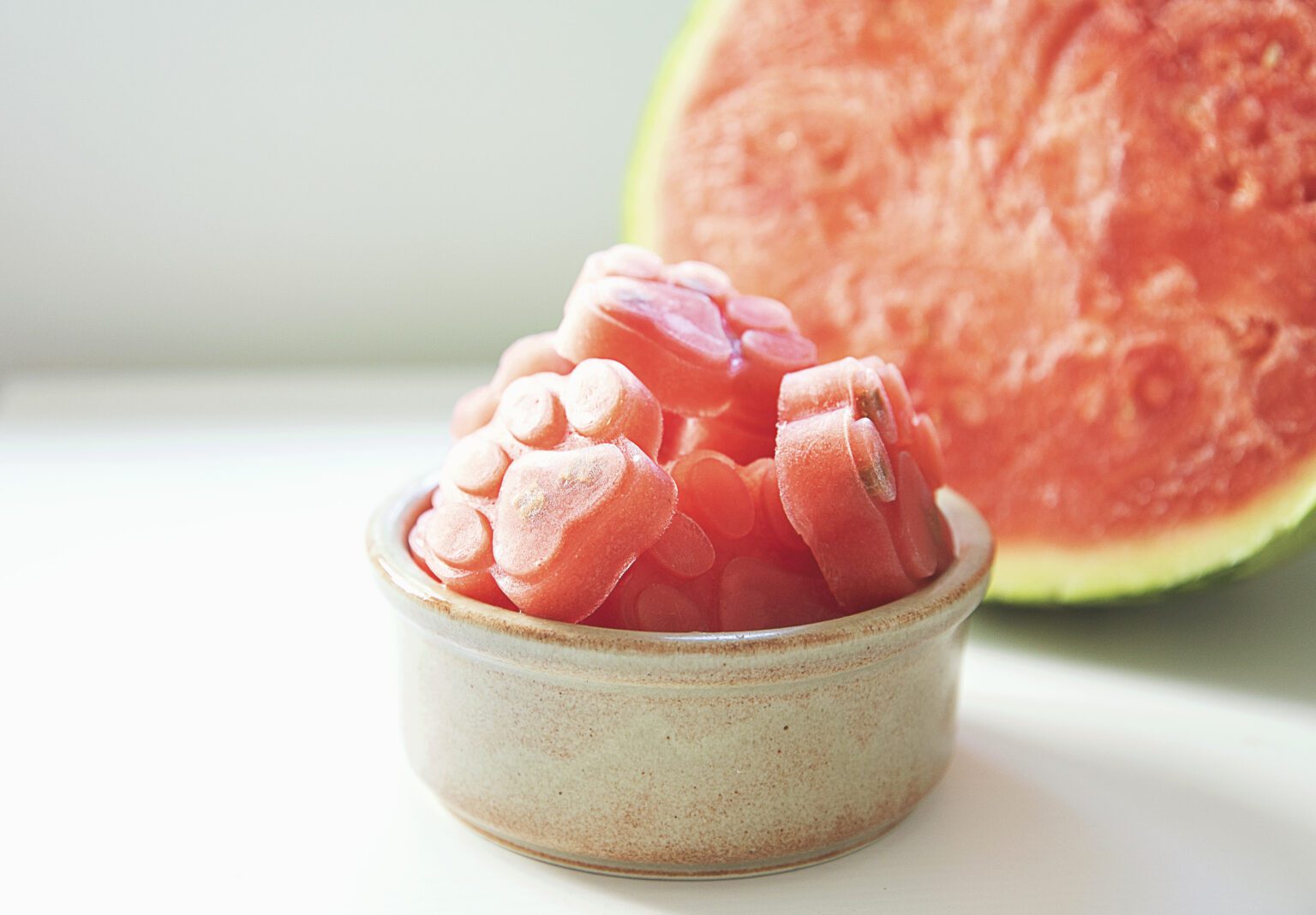
1. The Watermelon Refresher
Watermelon has emerged as a premier summertime ingredient for both humans and dogs. Boasting a water content of approximately 92%, it is exceptionally hydrating, rich in essential vitamins (such as Vitamin A, B6, and C), and remarkably low in calories.
- Yield: Approximately 8 cubes (depending on tray dimensions).
- Core Ingredient: 1 cup fresh watermelon (with all seeds and rinds completely removed).
Preparation Protocol:
- Cube the seedless and rindless watermelon.
- Utilize a food processor, hand blender, or a blunt kitchen tool (such as the end of a rolling pin) to purée the melon until entirely smooth.
- Optional: Incorporate a small splash of water to extend the volume of the batch if preparing larger quantities.
- Pour the liquid mixture into silicone ice cube trays or specialized molds.
- Freeze until solid.
Nutritional Note: While watermelon is a low-calorie option, it does contain natural fruit sugars (fructose). It should be served strictly as an occasional treat to prevent gastrointestinal upset.
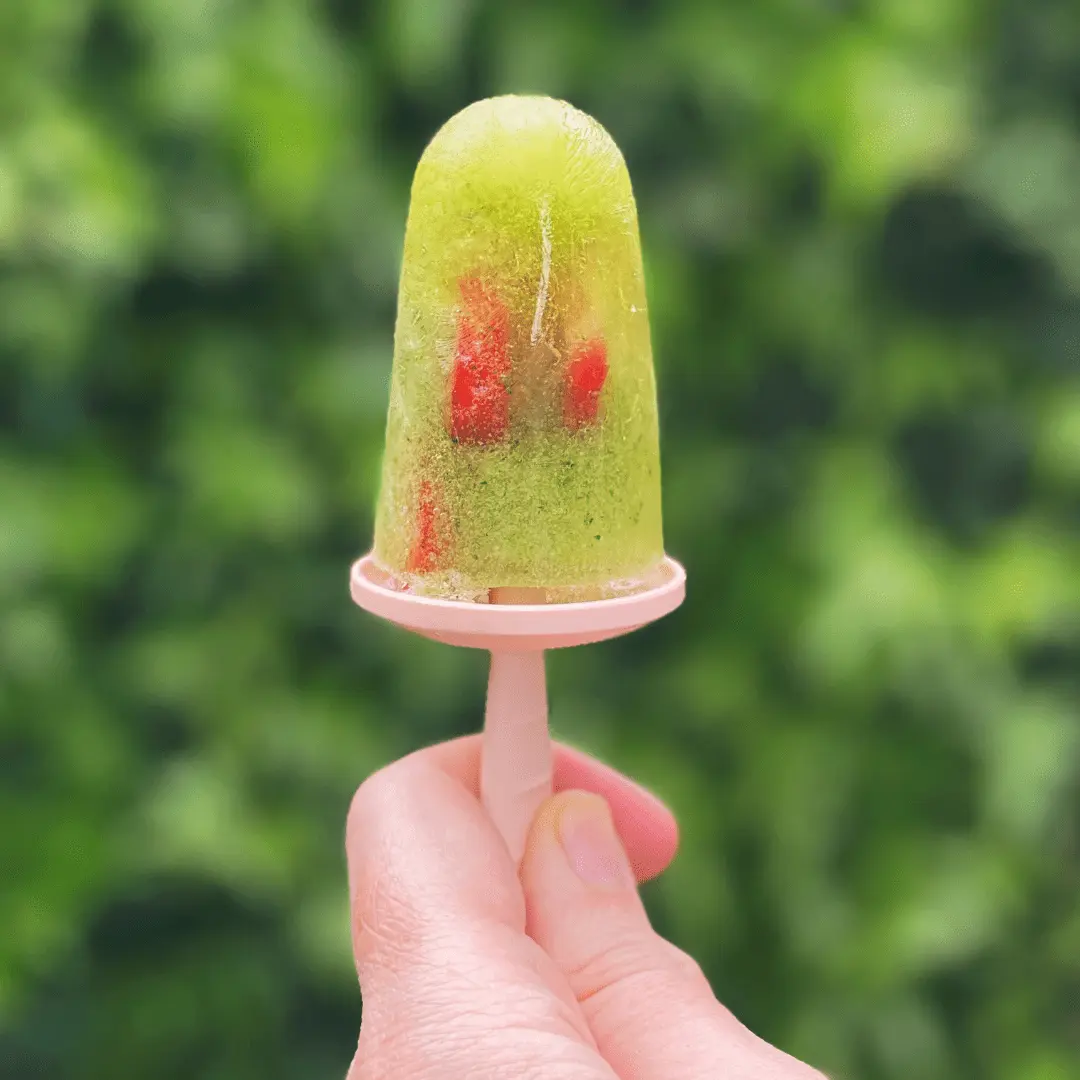
2. The Strawberry and Cucumber Cooler
For a sophisticated flavor profile that delivers maximum hydration with minimal caloric impact, this botanical blend is unmatched. Cucumber provides high water and silica content, while mint aids in freshening canine breath.
- Yield: 4 large pupsicles or 10 to 12 standard ice cubes.
- Ingredients:
- ½ cup fresh cucumber
- ¼ cup fresh strawberries, thinly sliced
- 2 small fresh mint leaves
- 1 cup water
Preparation Protocol:

- Combine the cucumber, mint leaves, and water in a blender, processing until fully liquefied.
- Pour the green botanical mixture into your chosen ice cube tray or mold compartments.
- Suspend a thin slice of fresh strawberry directly into the center of each individual section.
- Transfer the tray to the freezer and allow it to set overnight.
3. Fido’s Favorite: Peanut Butter and Banana Ice Cream
A beloved staple within the canine community, this rich and creamy treat mimics human ice cream while remaining entirely adapted to canine nutritional needs. It can be served frozen inside a hollow rubber toy (such as a Kong), spread across a textured silicone lick-mat, or dished out in traditional scoops.
- Yield: 3 to 4 standard scoops.
- Ingredients:
- 1 ripe banana (riper bananas are sweeter and easier to mash)
- 1 heaped tablespoon of peanut butter (strictly xylitol-free)
- 2 heaped tablespoons of dairy-free yogurt, plain kefir, or plain water
Preparation Protocol:
- Peel the banana entirely, ensuring no fibrous skins remain (as they are difficult for dogs to digest).
- In a mixing bowl, thoroughly mash the banana alongside the peanut butter and yogurt/kefir until a smooth, uniform consistency is achieved.
- Spoon the resulting mixture into a freezer-safe container.
- Freeze until solid, then scoop and serve.
Critical Health Warning: Owners must meticulously verify that any peanut butter utilized is 100% free of Xylitol. Xylitol is a common artificial sweetener utilized in sugar-free and organic nut butters. Ingesting even minuscule amounts of xylitol can trigger rapid, catastrophic hypoglycemia (low blood sugar) and acute liver failure in dogs.
4. The Dental-Defense Chicken and Apple Pupsicle
Combining dental hygiene with thermal relief, this innovative recipe transforms a standard frozen treat into a functional dental chew holder.
- Yield: 4 pupsicles.
- Ingredients:
- ½ cup low-sodium chicken stock
- 1 canine dental chew stick
- ¼ of a fresh apple (pips and core completely removed)
Preparation Protocol:
- Mix the low-sodium chicken stock and allow it to cool completely to room temperature.
- Finely dice the apple quarter, ensuring zero apple seeds are present (apple pips contain trace amounts of cyanide, which is toxic to dogs).
- Distribute the diced apple pieces evenly across small plastic cups, ramekins, or individual molds.
- Pour the cooled chicken stock over the apple pieces.
- Stretch pieces of cellophane or plastic wrap tightly across the top of each container, cutting small slits to insert the dental chew sticks vertically, holding them firmly in place as makeshift popsicle handles.
- Freeze overnight. Once solid, use the dental chew stick to extract and hold the pupsicle during feeding.
Supporting Context & Metrics: Analyzing Canine Heat Vulnerability
To contextualize the importance of these summer interventions, consider the following environmental and physiological metrics regarding canine heat stress:

- Ambient Temperature Thresholds: Asphalt and concrete surfaces absorb solar radiation rapidly. When ambient air temperature reaches 85°F, asphalt surfaces can measure an alarming 135°F—hot enough to cause severe paw pad burns in less than 60 seconds. Pupsicles offer a way to keep dogs stationary and cooled indoors or in shaded yards during these peak asphalt-danger hours.
- Hydration Deficits: Studies in veterinary emergency medicine indicate that working and companion dogs often fail to consume adequate free water during high-exertion summer days, leading to sub-clinical dehydration that compromises kidney function and thermoregulation. High-moisture enrichment treats like the Watermelon Refresher bridge this hydration gap effectively.
- Caloric Equilibrium: Treats should never account for more than 10% of a dog’s daily caloric intake. Incorporating low-calorie vegetables like cucumber and water-dense fruits allows owners to maximize the psychological and physical benefits of treating without risking canine weight gain.
Commercial Alternatives: The Pupsicle Starter Kit
For pet owners with demanding schedules who lack the time to source fresh produce, blend ingredients, and manage freezing trays, commercial avenues provide a streamlined solution.
Products such as the Pupsicle Starter Kit by Cooper’s Treats, available via major online retailers like Amazon, eliminate kitchen preparation entirely. The system is designed for maximum convenience:
- Usage Mechanism: Owners simply add water to a pre-measured Pupsicle Mix, pour the liquid into the provided silicone ice cube mold, and freeze.
- Kit Contents: The standard starter package includes one jar of Turkey and Cinnamon Pupsicle Mix, one jar of Beef and Cheddar Pupsicle Mix, and a specialized paw-and-bone-shaped silicone mold.
These commercial mixes offer standardized nutritional profiles and guaranteed shelf-stable ingredient sourcing, ensuring that busy pet parents can still provide reliable thermal enrichment during severe heatwaves.
Future Outlook: The Intersection of Nutrition, Veterinary Science, and Pet Welfare
As global weather patterns continue to present prolonged heat events, the pet care landscape must adapt. The integration of veterinary guidance into consumer pet recipes—exemplified by the partnership between nutritional developers like Tails.com and veterinary professionals—represents a positive evolution in responsible pet ownership.
Looking ahead, industry analysts project a continuous expansion in the functional pet food and enrichment sector. Future innovations are expected to feature advanced electrolyte-infused freezing bases, probiotic-enhanced dairy alternatives, and smart-cooling apparatuses designed specifically to monitor canine internal temperatures in real time.
For now, however, the grassroots application of kitchen-crafted pupsicles remains one of the most accessible, cost-effective, and affectionate ways for owners to safeguard their dogs against the elements. By adhering to strict ingredient safety protocols—such as avoiding xylitol, apple pips, and excess sodium—pet owners can transform an ordinary summer afternoon into a safe, refreshing, and deeply rewarding experience for their four-legged companions.