
Executive Overview
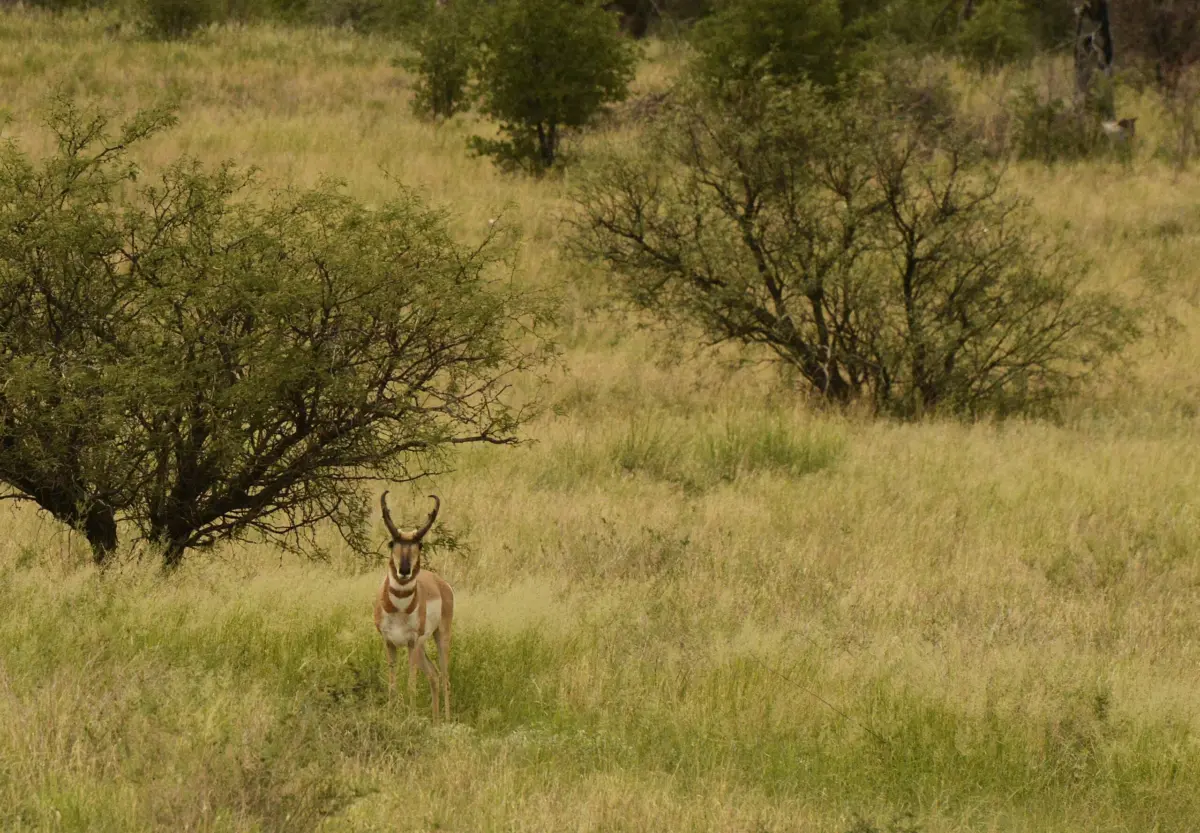
Summer in the rugged borderlands of southeastern Arizona is a season of dramatic, life-giving transformation. As monsoon storms roll off the majestic Huachuca Mountains, torrential rains shatter the oppressive desert heat, delivering a collective sigh of relief across the sweeping expanse of the Sonoita Plain. The arid landscape responds almost instantaneously. A staggering surge of ecological productivity ripples through the habitat, prompting migratory birds, native mammals, and specialized flora to burst into activity. Amidst this seasonal awakening, a select group of early-career scientists eagerly steps into the field, launching intensive research campaigns designed to decode the complex mechanics of Sky Island ecosystems.
To spotlight these vital investigations, the National Audubon Society’s Appleton-Whittell Research Ranch has announced its annual Research Fellow Webinar Series. Scheduled for September 11, 18, and 25, from noon to 1 p.m. Mountain Standard Time, the virtual event opens a window into the cutting-edge work being performed by the ranch’s latest cohort of fellows.
The fellowship program is rooted in a rich history of conservation stewardship. Each year, the Research Ranch awards three promising early-career scientists with complimentary on-site lodging and targeted financial assistance. In exchange, these researchers advance the foundational vision established by founders Frank and Ariel Appleton: to study, protect, and ultimately leave the land in a healthier, more resilient condition than they found it. This year’s cohort features three dedicated graduate researchers tackling some of the most pressing ecological challenges facing the American Southwest: the intertwined fates of fire regimes and culturally vital Emory oaks; the precarious recovery of the threatened Chiricahua leopard frog; and the looming threat of woody plant encroachment on rapidly declining grassland bird populations.
Detailed Chronology and Program Mechanics
The path from field research to public engagement is a cornerstone of the Appleton-Whittell Research Ranch fellowship. Operating within a delicate transition zone where the Sonoran Desert, the Chihuahuan Desert, the Sierra Madre, and the Rocky Mountains converge, the ranch serves as an invaluable outdoor laboratory. The upcoming webinar series is structured across three consecutive Wednesdays in September, providing an accessible, deeply informative platform for conservationists, academics, and nature enthusiasts alike.
September 11: Alexia Markoutsis on Madrean Oak Woodlands and Fire Dynamics
Kicking off the series on September 11, Alexia Markoutsis will present her research titled “Flame to Sprout: Understanding fire and Emory Oak dynamics in Madrean oak woodlands.” Markoutsis, a master’s student in Northern Arizona University’s Lab of Conservation Ecology, focuses her lens on the Emory oak (Quercus emoryi).
During the presentation, Markoutsis will unpack a century of compounding pressures—including shifts in land management, historical overgrazing, and aggressive fire suppression policies—that have dramatically altered the oak woodlands south of the Huachuca Mountains. Her research specifically investigates how prescribed burns interact with historical management practices and persistent fungal pathogens to dictate the health and resilience of this emblematic southwestern tree.
September 18: Max Roberts on the Chiricahua Leopard Frog
On September 18, the spotlight shifts to aquatic ecosystems and amphibian conservation. Max Roberts, a first-year Ph.D. student working with the University of Arizona Frog Project through the School of Natural Resources and the Environment, will present “The Biology and Conservation of the Chiricahua Leopard Frog in the Madrean Sky Islands of Southeast Arizona.”
Roberts’s research centers on the Chiricahua leopard frog (Lithobates chiricahuensis), a species listed as threatened under the Endangered Species Act since 2002. Facing a relentless compounding of threats—including catastrophic habitat loss, the introduction of aggressive invasive species, and deadly amphibian pathogens—these frogs have experienced severe population contractions across their historic range. Roberts’s webinar will explore the biology of the species, evaluate ongoing collaborative recovery efforts, and detail his own field data collection designed to guide future management actions in southeastern Arizona.
September 25: Cameron Tescher on Grassland Birds and Mesquite Encroachment
The webinar series concludes on September 25 with Cameron Tescher’s presentation, “Grassland Birds and Mesquite Encroachment: Literature Review and Avian Response to Mesquite Removal in the Santa Rita Experimental Range.” Tescher, a master’s student at the University of Arizona, addresses what is widely recognized as one of the most critical avian crises in North America: the precipitous decline of grassland bird guilds.
Driven primarily by woody plant encroachment—where native and non-native trees and shrubs invade open, grass-dominated plains—historic avian habitats are vanishing. Tescher’s presentation will synthesize current scientific literature regarding woody species removal and share empirical data gathered from breeding and wintering bird surveys conducted before and after mesquite (Neltuma spp.) removal operations at the Santa Rita Experimental Range, located just twenty miles northwest of the Research Ranch.
Supporting Context & Ecological Metrics
To fully appreciate the gravity of the research being showcased, one must understand the unique geography and ecological fragility of the Appleton-Whittell Research Ranch. Spanning thousands of acres of protected grassland and oak savanna, the ranch operates as a living sanctuary. However, it is embedded within a broader regional landscape undergoing rapid environmental stress.
The Ecological Stakes of the Madrean Sky Islands
The Madrean Sky Island archipelago—characterized by isolated mountain ranges rising abruptly from desert lowlands—represents a biodiversity hotspot of global significance. This topography creates compressed elevational life zones, allowing tropical and temperate species to exist in close proximity. Yet, this very proximity makes the region exceptionally vulnerable to climate change, altered hydrological cycles, and shifting wildfire regimes.
- Emory Oak Vulnerability: The Emory oak is not merely a dominant canopy species; it is an ecological keystone and a resource of immense cultural significance to Indigenous peoples and local communities. Markoutsis’s research addresses a critical knowledge gap: how low-intensity prescribed fire can be reintroduced safely to clear accumulated fuels without permanently damaging root crowns or exacerbating pathogen vulnerability.
- Amphibian Crisis Metrics: The plight of the Chiricahua leopard frog underscores the fragility of southwestern aquatic habitats. Historically ranging across stock tanks, cienegas, and perennial streams throughout Arizona, New Mexico, and parts of Mexico, the species has vanished from a staggering percentage of its historic localities. Conservation benchmarks depend heavily on identifying disease-resilient populations and restoring reliable stock pond hydroperiods.
- Avian Population Pressures: According to continental conservation assessments, grassland birds have suffered steeper, more consistent population drops than any other North American bird guild over the last fifty years. The invasion of velvet mesquite and other woody shrubs alters foraging dynamics, increases predation risk by providing perches for raptors, and displaces native bunchgrasses essential for ground-nesting species. Tescher’s work on the Santa Rita Experimental Range provides critical empirical data to help land managers determine whether mechanical or chemical mesquite removal can successfully restore viable avian communities.
Official Statements and Institutional Perspectives
The success of the Appleton-Whittell Research Ranch fellowship model relies on deep institutional partnerships, academic rigor, and a shared commitment to mentorship.
Speaking on the overarching mission of the ranch, Audubon representatives emphasize that the property was never intended to be locked away from science; rather, it was established as an active arena for inquiry. Frank and Ariel Appleton envisioned a landscape where human observation and scientific research would guide ethical land stewardship. By providing free housing and logistical support to early-career investigators, the ranch removes financial barriers that often prevent talented graduate students from conducting remote, long-term fieldwork in southeastern Arizona.
The academic institutions backing this year’s fellows have similarly praised the collaborative framework:
- Northern Arizona University’s Lab of Conservation Ecology noted that Alexia Markoutsis’s work exemplifies the applied nature of modern conservation science, bridging historical land-use analysis with actionable forestry and fire management strategies.
- The University of Arizona School of Natural Resources and the Environment highlighted Max Roberts’s dedication to amphibian recovery, pointing out that field-based graduate research is the absolute lifeblood of regional endangered species management.
- The Sonoran Joint Venture, Arizona Game and Fish Department, and Tucson Bird Alliance have all lent operational and collaborative support to Cameron Tescher. Beyond his ornithological metrics, Tescher has drawn widespread praise for his active commitment to making field biology and birding more inclusive, accessible, and welcoming to underrepresented communities in conservation. As part of this initiative, he has successfully recruited and trained diverse cohorts of field technicians to assist with rigorous breeding and wintering bird surveys.
Future Outlook: Empowering the Next Wave of Conservationists
As anthropogenic pressures, climate volatility, and habitat fragmentation continue to challenge southwestern ecosystems, the role of institutions like the Appleton-Whittell Research Ranch becomes increasingly indispensable. The challenges documented by Markoutsis, Roberts, and Tescher—fire suppression, invasive pathogens, amphibian decline, and shrub encroachment—are not isolated local anomalies; they are symptoms of broader, systemic environmental shifts playing out across western North America.
The Research Fellow Webinar Series offers far more than a routine academic seminar; it serves as a public beacon for hopeful, science-backed land management. By training and platforming early-career scientists, the National Audubon Society ensures that the conservation movement remains dynamic, innovative, and deeply rooted in empirical reality.
Conservationists, researchers, students, and community members interested in learning about these future leaders and the ecosystems they protect are encouraged to secure their digital seats. Registration for the September 11, 18, and 25 webinars is currently open through online mobilization platforms.
Sign up today to engage directly with the minds shaping the future of southwestern conservation, and discover how ongoing research is actively working to leave the Sonoita Plain and its surrounding Sky Islands healthier, more resilient, and better protected than ever before.