
Executive Overview
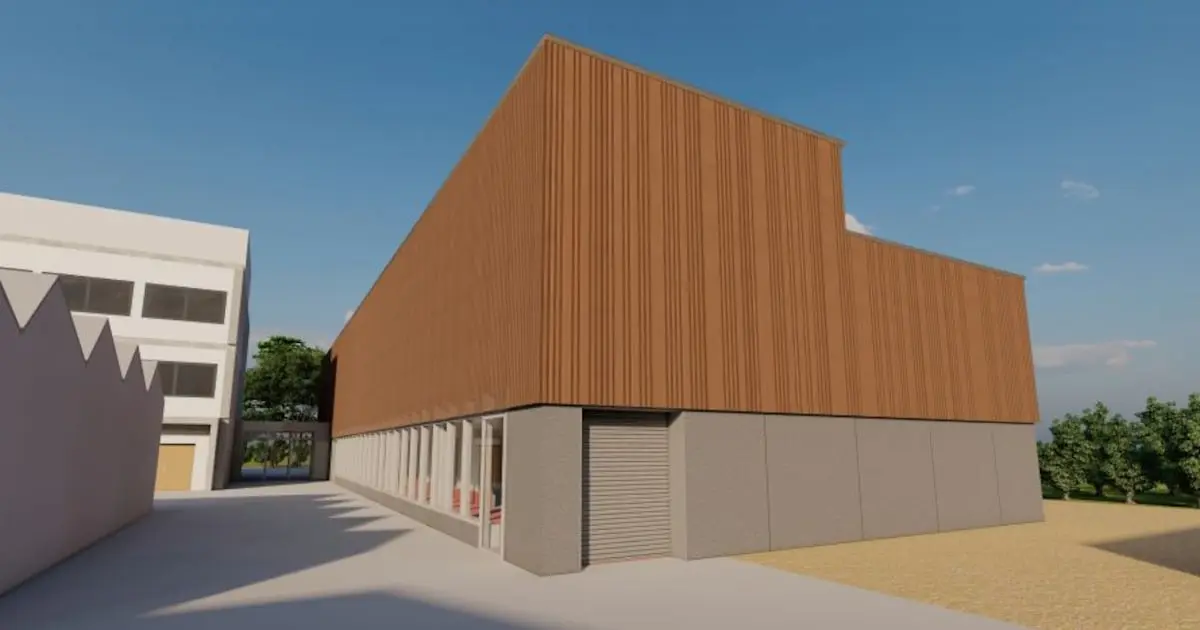
In a decisive strategic move to fortify its global research infrastructure and navigate an increasingly complex regulatory landscape, BASF Agricultural Solutions has announced a €15 million capital investment in a cutting-edge Climate Center. Situated at the company’s historic global research headquarters in Limburgerhof, Germany, the purpose-built facility represents a major milestone in agricultural science and corporate R&D.
Construction on the high-tech installation is already well underway, with project completion and operational readiness anticipated by the first half of 2027. Once online, the Climate Center will house an advanced array of specialized climate-controlled chambers engineered to simulate hyper-precise environmental parameters. These controlled spaces will play a pivotal role in generating the high-fidelity scientific studies necessary to secure the regulatory registration of innovative crop protection products across international markets.
This multi-million-euro commitment arrives at a critical juncture for the agricultural chemical sector. Around the globe, regulatory frameworks governing agrochemicals and crop protection technologies are undergoing rigorous tightening. Simultaneously, scientific authorities and societal stakeholders are placing unprecedented demands on manufacturers to deliver robust, transparent, and reproducible data—particularly concerning environmental safety and ecotoxicology.
By centralizing and expanding its capabilities under strict Good Laboratory Practice (GLP) standards, BASF is positioning itself to streamline the journey of sustainable agricultural solutions from the laboratory to the field. Far more than a simple brick-and-mortar expansion, the Limburgerhof Climate Center is designed to bridge the gap between advanced scientific discovery and uncompromising regulatory compliance, ensuring that future generations of farmers have timely access to safe, responsible, and effective tools.
Detailed Chronology and Project Roadmap
The genesis of the Limburgerhof Climate Center reflects a multi-year strategic planning phase aimed at identifying bottlenecks in global agricultural R&D and proactively addressing future regulatory demands.
Phase 1: Conceptualization and Strategic Alignment (2023–2024)
As regulatory scrutiny intensified across key agricultural markets—including the European Union, North America, and key developing economies—BASF leadership recognized the need to upgrade its foundational testing infrastructure. Preliminary architectural and engineering designs for the Climate Center began taking shape, focusing on how to integrate high-capacity environmental simulation with the rigorous demands of ecotoxicological testing and early-stage biological screening.
Phase 2: Groundbreaking and Civil Construction (2025–2026)
Following rigorous internal evaluations and municipal planning approvals, construction officially commenced at the Limburgerhof campus. Because the facility requires sophisticated mechanical, electrical, and climatic engineering—such as vibration isolation, precise light-spectrum controls, and advanced airflow dynamics—the construction phase has been meticulously phased. The structural shell of the building is rising rapidly, setting the stage for the installation of specialized chamber hardware throughout 2026.
Phase 3: Commissioning, Validation, and GLP Certification (Late 2026–First Half of 2027)
The final months leading up to the projected mid-2027 launch will be dedicated to rigorous technical commissioning and validation protocols. Every climate chamber must undergo exhaustive stress-testing to prove its ability to maintain exact temperature, humidity, and photoperiod parameters over extended operational cycles. Furthermore, the facility must pass stringent internal and external audits to ensure full compliance with Good Laboratory Practice (GLP) standards, guaranteeing that all data generated within its walls will satisfy the rigorous evidentiary burdens demanded by international regulatory bodies.
Supporting Context & Metrics: Navigating Regulatory Complexity
To truly understand the impetus behind BASF’s €15 million investment, one must examine the macro-level pressures transforming the global agricultural inputs market.
The Rising Cost and Complexity of Compliance
Over the past decade, the regulatory lifecycle for bringing a new crop protection product from initial discovery to commercial availability has lengthened significantly. Authorities worldwide now demand exhaustive dossiers demonstrating environmental safety, consumer protection, and non-target organism safety. Ecotoxicology studies—which evaluate the impact of active ingredients on beneficial insects, aquatic life, soil microflora, and wildlife—form the bedrock of these regulatory dossiers.
However, conducting field and semi-field studies is fraught with natural variability. Unpredictable weather events, fluctuating seasonal temperatures, and ambient light variations can introduce experimental noise, occasionally forcing researchers to repeat lengthy trials. The Climate Center at Limburgerhof is engineered to eliminate these variables. By offering absolute control over environmental variables, the facility guarantees unprecedented study reproducibility. This technological leap directly translates into planning reliability, higher data quality, and a minimized risk of regulatory delays caused by inconclusive or ambiguous scientific data.
Technical Specifications and Operational Scope
While exact architectural blueprints remain proprietary, BASF has outlined the core performance indicators of the new facility:
- Total Capital Expenditure: Approximately €15 million.
- Target Completion: First half of 2027.
- Core Standards: Designed to operate fully within Good Laboratory Practice (GLP) frameworks.
- Environmental Controls: Microprocessor-driven systems capable of simulating diverse global climates, ranging from tropical monsoons to temperate continental conditions, with precise regulation of temperature, relative humidity, light intensity, and photoperiod cycles.
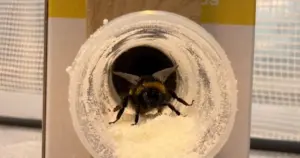
- Dual-Function Architecture: Split functionality supporting both large-scale regulatory ecotoxicology studies and specialized insect-rearing units for early-stage discovery pipelines.
Official Statements & Industry Perspectives
The announcement has drawn widespread attention within the agrochemical sector, highlighting the strategic importance of merging corporate research ambition with forward-thinking infrastructure investments.
Speaking exclusively on the strategic rationale of the project, Melanie Bausen-Wiens, Member of the Management Board of BASF Agricultural Solutions responsible for Technology, emphasized that the facility transcends traditional research definitions:
"The new Climate Center is much more than a research facility. It is a strategic investment that supports our ambition to combine world-class research with enhanced regulatory capabilities," stated Bausen-Wiens. "This will enable us to bring innovative solutions to farmers more efficiently, responsibly, and in line with evolving regulatory requirements."
Elaborating on the specific market drivers, a corporate spokesperson for BASF Agricultural Solutions shared deeper insights with AgNavigator:
"Regulatory requirements for crop protection products are becoming increasingly complex, and the demand for high-quality ecotoxicology studies continues to grow," the spokesperson noted. "The investment will help ensure that BASF can generate scientifically robust data and maintain the high-quality standards required by regulatory authorities globally."
Addressing the dual-purpose nature of the installation—specifically its integration into early-stage research—the spokesperson added:
"Insects produced in the new facility will support early-stage screening of novel chemical and biological crop protection concepts. The screening is designed to accelerate the identification of concepts with improved properties that address current and future environmental and societal expectations."
Future Outlook: Empowering Next-Generation Innovation in Limburgerhof
The establishment of the Climate Center is poised to redefine the strategic trajectory of BASF’s global research headquarters in Limburgerhof. For decades, the campus has served as the intellectual engine of BASF Agricultural Solutions, housing a diverse ecosystem of chemists, biologists, toxicologists, and agronomists.
Fostering Interdisciplinary Synergy
By embedding the Climate Center directly within this established hub, BASF is fostering a collaborative environment where discovery and regulatory science do not operate in silos. Early-stage researchers developing novel chemical entities or biological agents will have immediate access to specialized insect populations and controlled testing environments. This physical and operational proximity allows research teams to evaluate the environmental profile of a candidate molecule from its very inception, effectively "baking in" sustainability and regulatory compliance from the earliest screening phases.
Attracting Top-Tier Scientific Talent
Beyond its immediate technical output, the €15 million upgrade serves as a powerful talent magnet. In an era where scientific excellence hinges on access to state-of-the-art instrumentation, premier research hubs must continuously modernize their infrastructure. The Limburgerhof Climate Center signals to the global scientific community that BASF is committed to providing its researchers with world-class tools to solve complex agricultural and environmental challenges.
Conclusion
As global agriculture faces the dual challenge of feeding a growing population while mitigating climate change and preserving biodiversity, the demand for smart, safe, and sustainable crop protection has never been higher. BASF’s investment in the Limburgerhof Climate Center underscores a proactive corporate vision—one that recognizes that future market leadership belongs to those who can harmonize scientific ingenuity with absolute regulatory precision. When the facility opens its doors in 2027, it will not only secure BASF’s regulatory pipelines but also reinforce Europe’s position as a global leader in advanced agricultural science.