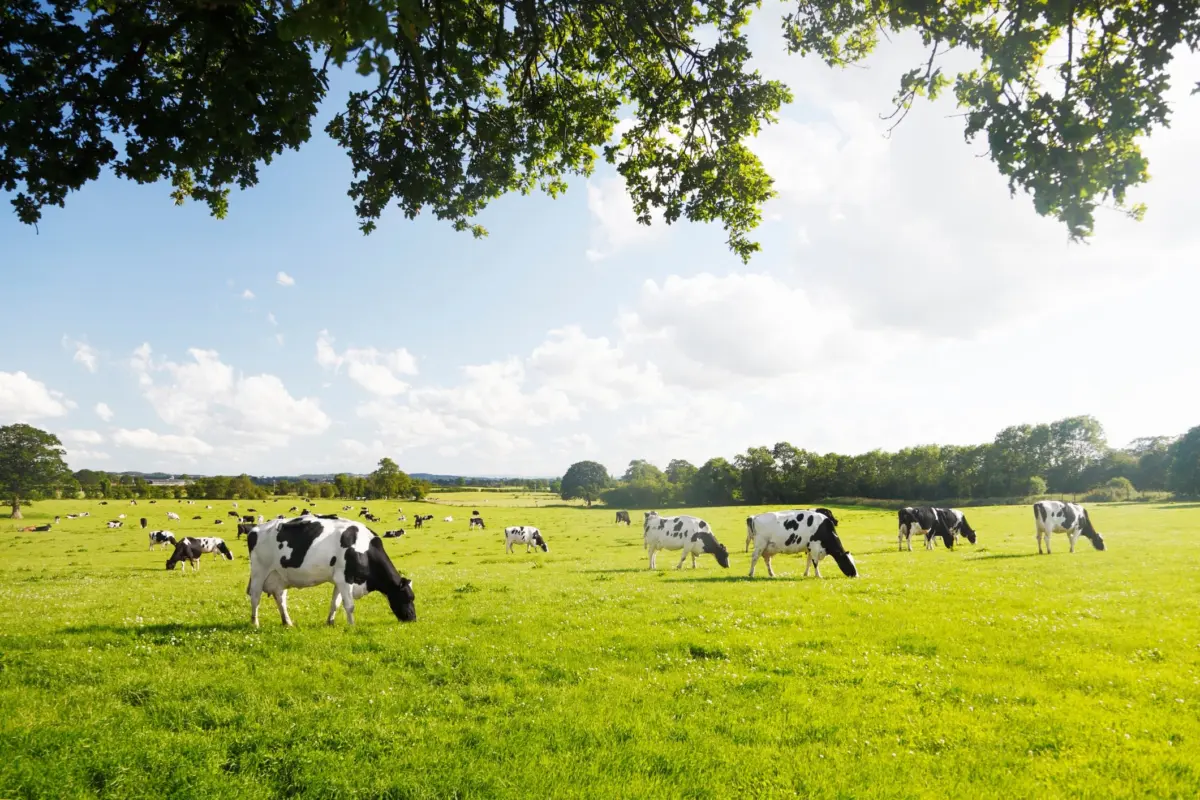

SEOUL — South Korea’s agricultural landscape is undergoing a critical transformation. Amid persistent cost-of-living pressures, shifting consumer habits, and structural supply-demand imbalances, the South Korean cabinet approved a landmark budget proposal on September 1 that injects unprecedented financial support into the nation’s dairy sector.
While the agricultural community has welcomed the record funding as a vital short-term lifeline, industry leaders and trade associations emphasize that fiscal injections alone will not cure the systemic ailments plaguing domestic producers. The path forward requires a delicate synthesis of increased public expenditure, stringent regulatory oversight, and a wholesale overhaul of milk-pricing mechanisms to prevent the erosion of the country’s agricultural sovereignty.
Executive Overview
At the heart of the government’s newly minted fiscal plan is a substantial expansion of financial backing for South Korea’s differentiated milk-pricing system. Funding is slated to surge from KRW 43.1 billion (approximately US$31.5 million) to KRW 76 billion. Furthermore, the cabinet has greenlit KRW 900 million in inaugural funding for a public milk powder manufacturing facility—a cornerstone of a broader, KRW 30 billion infrastructure project designed to process raw milk that routinely goes unused during periods of slack demand, particularly the winter months.
For an industry that has weathered waves of farm closures, soaring imported feed costs, and arbitrary quota reductions by processors, the cabinet’s decision represents a welcome acknowledgment of rural distress. The Korean Dairy and Beef Farmers Association issued a formal statement lauding policymakers for listening to the on-the-ground realities of agricultural producers.
Yet, the applause is guarded. Industry stakeholders warn that without sweeping structural policy reforms—specifically targeting processor accountability and import reliance—the funding risks serving as a temporary bandage on a systemic wound. If unchecked, structural inefficiencies threaten to dismantle South Korea’s domestic dairy production base, with ripple effects spanning entire upstream and downstream supply chains.
Detailed Chronology: Policy Shifts and Financial Interventions
The journey toward the 2027 budgetary milestone has been marked by mounting tension between producers, processors, and government regulators. Tracing the trajectory of South Korea’s dairy crisis reveals how precarious the domestic supply chain has become in recent years.
The Mounting Pressure of 2026
Throughout mid-2026, industry reports sounded the alarm over a surge in Korean dairy farm closures. Trade bodies repeatedly pointed to a toxic combination of policy failures, runaway inflation, and soaring operational expenses. Chief among these was the cost of imported feed, which drove many independent producers to the brink of insolvency. In response, the government rolled out localized initiatives—such as a push to expand domestic forage production—to sever dependence on volatile global supply chains. However, these localized measures proved insufficient to offset the overarching structural imbalances governed by milk pricing quotas.
The September 1 Cabinet Decision
As economic pressures reached a boiling point, the South Korean cabinet took decisive action on September 1, formalizing the record 2027 dairy budget. The allocation serves two primary strategic functions:
- Enhancing the Differentiated Pricing System: By lifting subsidies from KRW 43.1 billion to KRW 76 billion, the state aims to protect producers from severe market fluctuations by maintaining a tiered pricing structure that guarantees baseline viability for raw milk production.
- Combating Seasonal Surpluses: The allocation of initial capital (KRW 900 million) toward a dedicated public milk powder manufacturing facility marks the inception of a KRW 30 billion long-term project. This facility is engineered to absorb surplus raw milk during the winter months, transforming excess liquid into storable powder and stabilizing the domestic market.
Despite these milestones, the timing and execution of these funds remain under intense scrutiny from farming cooperatives, who demand legal and regulatory guarantees that the money will genuinely benefit producers rather than subsidizing corporate processor margins.
Supporting Context & Metrics: The Economics of Korean Dairy
To fully appreciate the gravity of the 2027 budget, one must examine the underlying economic mechanics and vulnerabilities defining the modern South Korean agricultural market.
The Seasonal Supply-Demand Paradox
South Korea’s dairy sector suffers from a uniquely cyclical imbalance. While liquid milk consumption remains relatively steady or fluctuates seasonally, domestic production does not always align symmetrically. During the winter months, milk production often outstrips immediate consumer demand for fresh fluid milk. Historically, this dynamic has left farmers vulnerable to processors who refuse to purchase excess milk, forcing producers to dump raw product or absorb catastrophic financial losses.
The new public milk powder facility is designed to mitigate this exact phenomenon by converting seasonal gluts into non-perishable powder. However, farmers argue that processing facilities alone cannot solve the crisis if the root cause—processor-controlled quotas—remains unaddressed.
The Quota Conundrum and Import Pressures
Under current market structures, dairy processors commit to purchasing fixed volumes of raw milk from domestic farmers (currently targeted at 200,000 tonnes under expanded government agreements). Nevertheless, producers report that several major dairy processors have routinely reduced these purchasing quotas unilaterally and "arbitrarily."
When domestic production quotas are cut, the shortfall is frequently offset by imported dairy products—particularly ultra-high-temperature (UHT) milk and milk powders from Oceania, Europe, and the Americas. This creates a vicious cycle:
- Step 1: Processors reduce domestic procurement quotas under the guise of market optimization.
- Step 2: Domestic production declines due to farm bankruptcies and forced downsizing.
- Step 3: The deficit is backfilled by cheaper foreign imports.
- Step 4: The domestic production base is permanently eroded, leaving South Korea increasingly vulnerable to geopolitical shocks, currency fluctuations, and international supply chain disruptions.
Official Statements and Stakeholder Perspectives
The reception of the 2027 budget highlights a stark division between financial relief and legislative reform. While the government views the budget as a comprehensive success, farming representatives insist that fiscal allocation must be paired with strict enforcement mechanisms.
The Korean Dairy and Beef Farmers Association Speaks Out
In an official statement following the cabinet’s announcement, the Korean Dairy and Beef Farmers Association expressed profound appreciation for the administration’s willingness to engage with the agricultural sector:
"The budget increase is an encouraging measure that helps resolve long-standing issues facing the dairy industry. We extend our sincere gratitude to government officials who listened to the voices of dairy farmers in preparing this budget proposal. Dairy farmers across the country hope that this budget increase will help maintain the dairy production base and serve as a catalyst for resolving the supply-demand imbalances that inevitably arise during the winter season."
However, the association’s leadership was quick to pivot from gratitude to caution, emphasizing that fiscal generosity must not mask structural deficiencies. They noted that government subsidies risk being rendered toothless if processors continue to bypass agreed-upon frameworks:
"Government funding should not be used as a tool to reduce domestic production. Instead, policymakers must break the vicious cycle in which domestic production cuts lead to higher imports, which in turn lead to the erosion of the dairy production base. The collapse of the dairy production base would not only harm dairy farmers but also trigger the decline of related upstream and downstream industries."
Recommendations for Policy Overhaul
To secure the long-term viability of the sector, the trade body has formally requested that policymakers implement three critical reforms:
- Accountability and Sanctions: Establish statutory penalties and rigorous regulatory oversight to penalize dairy processors that execute unjustified, arbitrary cuts to domestic production quotas.
- Structural Restructuring of Pricing Support: Overhaul the administrative mechanisms governing the differentiated pricing structure to ensure that state funds directly preserve farm gate prices rather than inadvertently subsidizing processor profit margins.
- Grassroots Consultation: Institutionalize regular communication channels between agricultural authorities and on-the-ground farmers to draft precise, adaptable implementation guidelines for future budgetary rollouts.
Future Outlook: Safeguarding South Korea’s Agricultural Sovereignty
As South Korea looks toward 2027 and beyond, the implications of the current dairy policy extend far beyond the agrarian community. Food security has emerged as a paramount national security concern in an era defined by climate instability, protectionist trade policies, and global supply chain volatility.
If the South Korean government heeds the warnings of the Korean Dairy and Beef Farmers Association, the record KRW 76 billion budget and the new public processing facilities could serve as a successful blueprint for agricultural preservation. By combining robust financial backing with strict punitive measures against arbitrary quota reductions, policymakers can stabilize farm gate revenues and restore producer confidence.
Conversely, should the budget be deployed without structural safeguards, the sector faces an acceleration of farm closures. The resulting loss of agricultural capacity would not only devastate rural economies but also render South Korea critically dependent on foreign dairy imports, stripping the nation of its self-sufficiency in a vital nutritional sector.
Ultimately, the 2027 dairy budget is neither a silver bullet nor a hollow gesture—it is an inflection point. How Seoul chooses to pair these funds with regulatory reform will determine whether South Korea’s dairy heritage thrives or quietly fades into history.