
Executive Overview
What began as a routine cross-country college commute transformed into an astonishing tale of survival, canine-and-feline rescue coordination, and sheer resilience. In a story that defies the odds, a tiny, 10-week-old kitten weighing a mere 2.5 pounds endured a harrowing, multi-hundred-mile interstate journey trapped inside the front bumper of a motor vehicle. Traveling from the busy thoroughfares of New Jersey all the way to the campus of the University of Georgia (UGA) in Athens, the vulnerable feline survived hours of deafening road noise, blistering heat, continuous mechanical vibrations, and highway speeds with virtually no escape.
The ordeal came to a dramatic end when the driver, a UGA student named Jadyn, returned to her parked car and noticed an impossible sight: a tiny, exhausted paw protruding from the vehicle’s plastic bumper assembly. What followed was a complex, multi-agency rescue operation involving the University of Georgia Police Department, local animal welfare groups, and a team of generous mechanics who refused payment to dismantle the car’s undercarriage piece by piece.
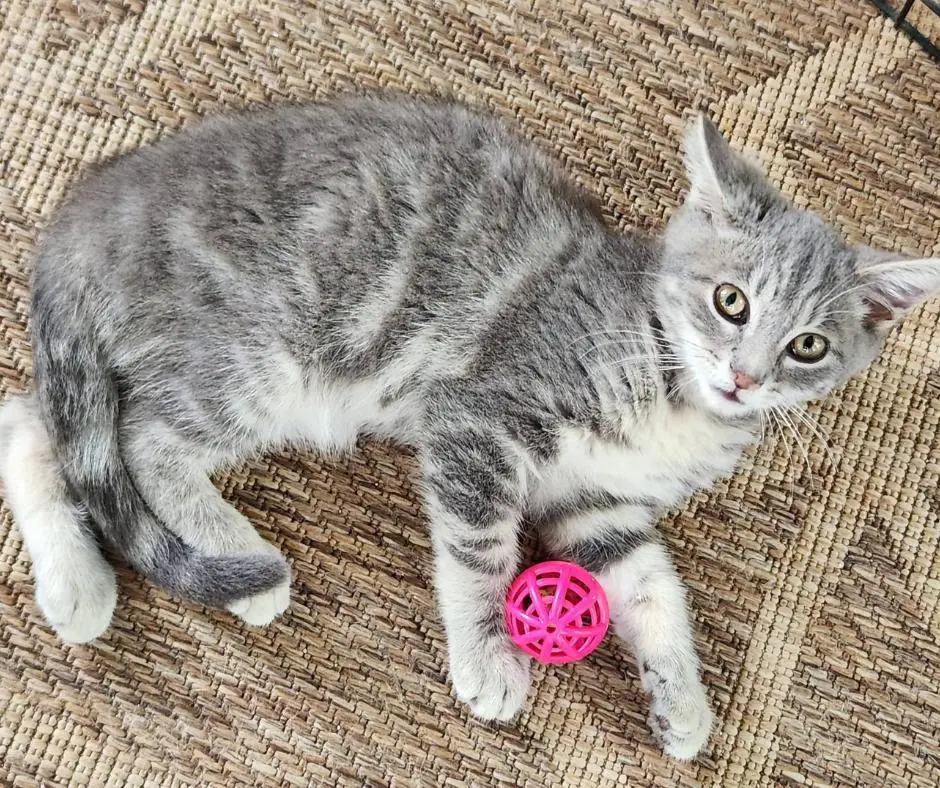
Miraculously, after receiving emergency cooling, veterinary evaluations at the Animal Wellness Center, and necessary medical interventions, the kitten—appropriately dubbed "Jersey"—suffered no major physical trauma beyond a mild upper respiratory infection. Today, this resilient survivor is resting comfortably in quarantine, trading his terrifying memories for gentle purrs and preparing for a bright future in a permanent adoptive home. This comprehensive report examines the chronology of Jersey’s incredible journey, the mechanics of roadside animal entrenchment, the collaborative rescue effort, and the broader implications for drivers traveling during peak seasonal periods.
Detailed Chronology: From New Jersey to Athens
Phase 1: The Departure and Unwitting Passenger
The saga began in New Jersey, where Jadyn, a student at the University of Georgia, prepared for her long drive south to campus. Like many young cats seeking warmth, safety, or refuge from predators, a tiny, roughly 10-week-old feline had sought shelter within the narrow, protective cavities of a parked automobile. With its complex network of plastic shields, wiring harnesses, and metal frames, the front bumper assembly of a modern sedan offers an inviting, dark enclosure for stray or feral kittens.
Unaware of her tiny stowaway, Jadyn started the ignition and embarked on a grueling drive spanning hundreds of miles down the East Coast. For hours, the kitten was subjected to an unrelenting sensory assault: the roar of the engine, the chaotic thermal output of the radiator, the violent jostling of suspension systems over potholes, and the terrifying velocity of highway travel. Despite these extreme conditions, the tenacious kitten managed to wedge himself firmly enough into the bumper framework to avoid falling out at high speeds.
Phase 2: Discovery at the University of Georgia
Upon arriving in Athens, Georgia, Jadyn parked her vehicle and went about her daily routine, entirely oblivious to the life-and-death drama unfolding inches from the pavement. It was only when she returned to her car later that day that a subtle anomaly caught her eye: a delicate, miniature leg sticking out from the front bumper.
Instantly realizing that a living creature was trapped deep within the vehicle’s structural anatomy, Jadyn bypassed casual bystanders and immediately dialed the University of Georgia Police Department. Recognizing the specialized nature of the call, UGA Police swiftly mobilized, contacting Campus Cats, a local animal rescue and advocacy organization renowned for handling tricky feline extractions.
Phase 3: The Complex Extraction Operation
Initial attempts to free the kitten proved exceptionally difficult. Rescuers quickly determined that the animal could not be reached from above through the engine compartment; the labyrinth of hoses, belts, and engine blocks formed an impassable barrier. With Jadyn’s full consent and cooperation, UGA Police officers attempted to peel back the plastic lining underneath the vehicle. Yet, even with the under-shield partially removed, the gap remained too narrow, and the kitten was positioned too deeply within the reinforced bumper structure to be safely extracted by hand.
The kitten was now visibly exhausted, limp, but responsive—a sign that time was running critically short. Realizing that specialized shop equipment was mandatory, the rescue team pivoted. Jadyn and a Campus Cats volunteer drove the vehicle to Tires Plus on College Station Road, setting the stage for a dramatic mechanical rescue.
Phase 4: The Mechanics of Mercy
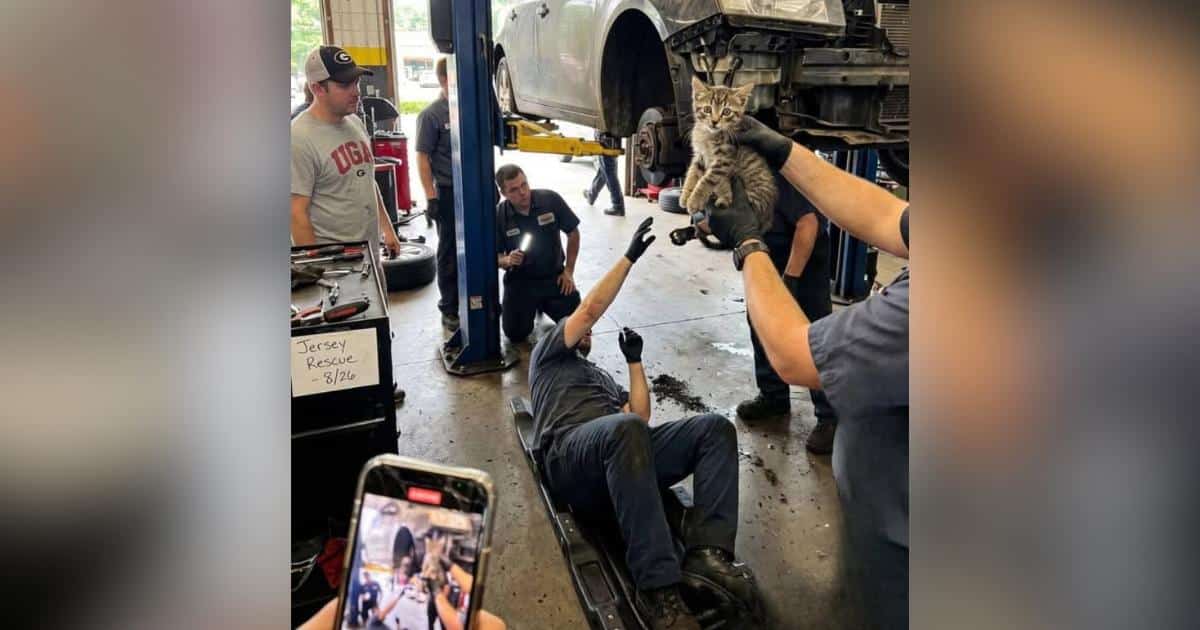
Upon arrival, automotive technicians Chris, Shadrick, and Gabriel stepped forward without hesitation. Understanding the urgency of the situation, they maneuvered Jadyn’s car onto an industrial hydraulic lift and raised it high into the air.
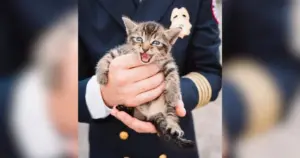
Working with meticulous care, the mechanics began systematically removing sections of the vehicle’s protective undercarriage, plastic shielding, and bumper fasteners. Piece by piece, the dark labyrinth was opened up until a clear path to the trapped feline was achieved. Reaching deep into the restricted cavity, a rescuer gently grasped the tiny, overheated passenger and pulled him safely into the open air.
In a display of extraordinary community goodwill, the technicians at Tires Plus refused all payment for their labor, turning a potentially costly automotive teardown into a heartwarming act of heroism.
Supporting Context & Metrics: The Physics and Risks of Animal Stowaways
The Vulnerability of Urban and Suburban Kittens
Wildlife and animal control organizations frequently report instances of cats—particularly kittens during spring and autumn litters—seeking shelter inside motor vehicles. Mobile engine bays and bumper spaces retain engine heat long after a vehicle is parked, making them attractive thermal refuges for animals battling dropping ambient temperatures or seeking a secure sleeping spot away from predators.
| Metric / Factor | Description & Data Points |
|---|---|
| Estimated Age of Kitten | Approximately 10 weeks old |
| Body Weight | 2.5 pounds |
| Distance Traveled | Hundreds of miles (New Jersey to Georgia) |
| Primary Hiding Spot | Front bumper structural cavity / undercarriage shielding |
| Primary Physical Toll | Dehydration, heat exhaustion, minor upper respiratory infection ("kitten cold") |
| Agencies Involved | UGA Police Department, Campus Cats, Tires Plus, Animal Wellness Center, Cat Zip Alliance |
The Dangers of Modern Vehicle Design
Modern aerodynamic styling relies heavily on full under-engine plastic covers, low-hanging front splitters, and tightly packed bumper fascias to improve fuel efficiency. While these aerodynamic enhancements benefit gas mileage, they create near-inpenetrable crawl spaces for small animals. Once a vehicle is put into motion, these panels act as traps; an animal that crawls inside while the car is parked can easily become wedged against hot exhaust components, moving serpentine belts, or spinning axle shafts as soon as the driver turns the ignition.
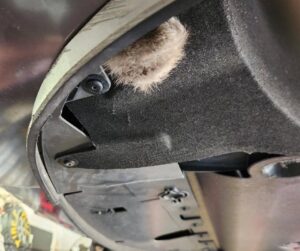
Jersey’s ability to survive this mechanical gauntlet without suffering crush injuries, burns, or lacerations is an extreme statistical anomaly. Veterinary professionals emphasize that most animals caught in such scenarios suffer catastrophic trauma. Jersey’s survival underscores both his remarkable tenacity and the fortunate placement within the bumper assembly that shielded him from direct mechanical contact.
Official Statements & Community Response
The rescue operation highlights the profound impact of inter-agency cooperation and grassroots community compassion. While formal press briefings by municipal authorities are rare for animal rescues of this scale, the participating organizations and individuals have shared powerful reflections on the event.
Jadyn, the vehicle’s owner and University of Georgia student, demonstrated remarkable patience and selflessness throughout the ordeal. Rather than viewing the potential damage to her vehicle as an inconvenience, she unhesitatingly granted permission to dismantle her car’s undercarriage and actively participated in transporting the cat to the repair facility. Her vigilance in spotting the tiny leg protruding from the bumper ultimately saved the kitten’s life.
The staff at Tires Plus—specifically technicians Chris, Shadrick, and Gabriel—received widespread local acclaim for their swift adaptation of shop resources. By donating their professional labor, specialized lift equipment, and mechanical expertise, they bridged the gap between basic rescue attempts and successful extraction. Their refusal to accept financial compensation serves as a testament to the community-first ethos prevalent in Athens, Georgia.
Dr. Dodd of the Animal Wellness Center, who oversaw Jersey’s initial medical examination, noted the astonishing psychological and physical resilience displayed by the tiny feline. Despite enduring hours of terror, dehydration, and exhaustion, Jersey immediately demonstrated an affectionate disposition upon being placed in safe hands. According to medical staff, the kitten "purred up a storm" almost immediately upon contact, signaling a strong will to trust humans despite his ordeal.
Future Outlook: Jersey’s Path to Adoption
Medical Rehabilitation and Preventive Care
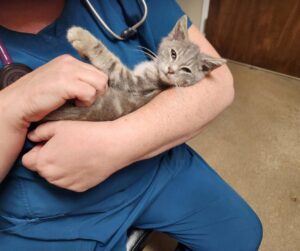
Following his extraction, Jersey was immediately provided with fresh water and placed in a temperature-controlled environment to stabilize his body temperature and alleviate his panting. Once stabilized, he was transported to the Animal Wellness Center for a comprehensive health evaluation.
Veterinarians confirmed that the kitten’s physical body was remarkably unscathed. His primary medical diagnosis was limited to a mild upper respiratory infection—commonly known as a "kitten cold"—attributable to the stress and environmental changes associated with his interstate journey.
To prepare him for long-term placement, medical teams initiated a robust wellness protocol:
- Infectious Disease Screening: Jersey passed his initial feline combo test with flying colors.
- Parasite Prevention: Administered comprehensive flea and deworming treatments.
- Initial Immunizations: Received his first baseline FVRCP (feline viral rhinotracheitis, calicivirus, and panleukopenia) vaccination.
- Upcoming Interventions: Plans are finalized for his future neuter surgery, rabies vaccination, booster shots, and microchipping.
Financial and logistical support for these veterinary procedures is being generously shared by the Cat Zip Alliance and Campus Cats, ensuring that the young survivor receives top-tier medical care without placing an undue burden on rescue volunteers.
Current Status and Adoption Readiness
Jersey is currently completing a standard quarantine period, a vital step designed to monitor his upper respiratory infection, ensure complete recovery from his travel-induced stress, and provide a quiet, secure environment for his developing nervous system.
While caregivers report that the kitten remains slightly shy—an entirely understandable reaction for a 10-week-old animal subjected to such chaos—his underlying temperament is exceptionally laid-back. He responds to human touch with immediate purrs, indicating a gentle and forgiving nature.
As soon as his quarantine concludes and his medical protocol is finalized, Jersey will transition from emergency rescue status to the official adoption pool. Given his dramatic backstory, striking resilience, and affectionate demeanor, animal welfare advocates anticipate a high volume of inquiries from prospective pet parents eager to offer the "New Jersey stowaway" a permanent, loving home.
This remarkable story stands as a powerful reminder of the hidden dangers lurking in parked vehicles, the life-saving importance of community vigilance, and the enduring capacity of even the smallest creatures to overcome insurmountable odds.