
Executive Overview
Cats have occupied a unique and revered status in human culture for millennia, transitioning from sacred temple guardians in ancient Egypt to cherished, high-profile members of modern households. Today, domestic felines represent one of the world’s most popular companion animals. However, with this enduring popularity comes a vast array of distinct breeds, each boasting its own evolutionary background, physical characteristics, temperament, and specialized care requirements.
For prospective pet owners, navigating the sheer diversity of the feline world can be an overwhelming endeavor. Choosing the right companion requires far more than aesthetic appreciation; it demands a comprehensive understanding of a breed’s energy levels, behavioral nuances, potential hereditary health predispositions, and daily maintenance needs.

This report provides an authoritative, in-depth examination of the 15 most common cat breeds in contemporary households. By analyzing their distinct traits—ranging from the snow-shoeing capabilities of the Maine Coon to the hairless adaptability of the Sphynx—this guide equips prospective owners with the critical insights necessary to make an informed, responsible decision that ensures a harmonious home for both human and feline.
Detailed Chronology: The Evolution and Recognition of Popular Cat Breeds
The domestication and categorization of feline breeds is a fascinating historical narrative, shifting from natural adaptation to intentional selective breeding by fanciers and conservationists.

- Ancient Roots and Natural Adaptations: Breeds such as the Siamese (originating in the ancient kingdom of Siam, now Thailand) and the American Shorthair (descended from European mousers brought over on the Mayflower in the 17th century) developed naturally over centuries, adapting to their regional environments and human cohabitants.
- The Victorian Fancy (Late 19th Century): The formalized categorization of cat breeds began in earnest during the Victorian era, highlighted by the first organized cat show at the Crystal Palace in London in 1871. This period established breed standards for Persians and British Shorthairs.
- Mid-20th Century Innovations: The post-World War II era saw a surge in experimental breeding, introducing mutations and hybrids. The Devon Rex emerged from a mutation in England during the 1960s, while the Scottish Fold’s iconic folded ears were first documented on a farm in Scotland in 1961.
- Official Registry Recognitions: Major governing bodies, such as the Cat Fanciers’ Association (CFA), formally recognized foundational giants like the Maine Coon in the late 1970s, cementing their status in the pedigree world and driving modern breeding standards.
- Contemporary Hybrids: The late 20th century gave rise to striking hybrids, such as the Bengal, which successfully bridged the gap between wild Asian leopard cats and domestic felines to create a standardized, domesticated breed requiring specialized care.
The 15 Most Common Cat Breeds: Comprehensive Profiles
1. Maine Coon
Hailing from the harsh climate of its namesake state, the Maine Coon is North America’s native giant and the official state cat of Maine. Easily identified by its large, rectangular body, heavy water-resistant coat, and tufted ears, this gentle giant possesses a rich history as an exceptional farm and ship mouser. Many Maine Coons exhibit polydactylism—having extra toes—which historically functioned as natural snowshoes, distributing their weight evenly across deep drifts. Officially recognized by the CFA in the late 1970s, they come in various colorways, though the classic brown tabby remains iconic. Renowned for their friendly, dog-like loyalty, Maine Coons integrate seamlessly into families with children.
2. Bengal
The Bengal is a masterclass in striking aesthetics, sporting wild-looking, high-contrast coats adorned with spots, rosettes, and an iridescent sheen reminiscent of jungle predators. Despite their exotic appearance—derived from historical crosses between domestic cats and the Asian leopard cat (Prionailurus bengalensis)—modern Bengals are fully domesticated. However, they retain high energy levels, vocal tendencies, and a voracious curiosity. They demand rigorous physical and mental stimulation, making them ideal companions for active households that can provide interactive play and environmental enrichment.

3. Siamese
Originating in Thailand, the Siamese is one of the foundational pillars of the modern feline fancy, lending its genetic blueprint to breeds like the Oriental Shorthair, Sphynx, and Himalayan. Instantly recognizable by their striking "pointed" coloration (darker pigmentation on the face, ears, legs, and tail) and piercing blue eyes, Siamese cats are broadly split into two structural types: the traditional "apple-headed" style with a sturdier body, and the modern, ultra-slender variant with a wedge-shaped head. Intellectually sharp and notoriously vocal, Siamese cats form profound attachments to their human families and thrive on active, interactive socialization.
4. Persian
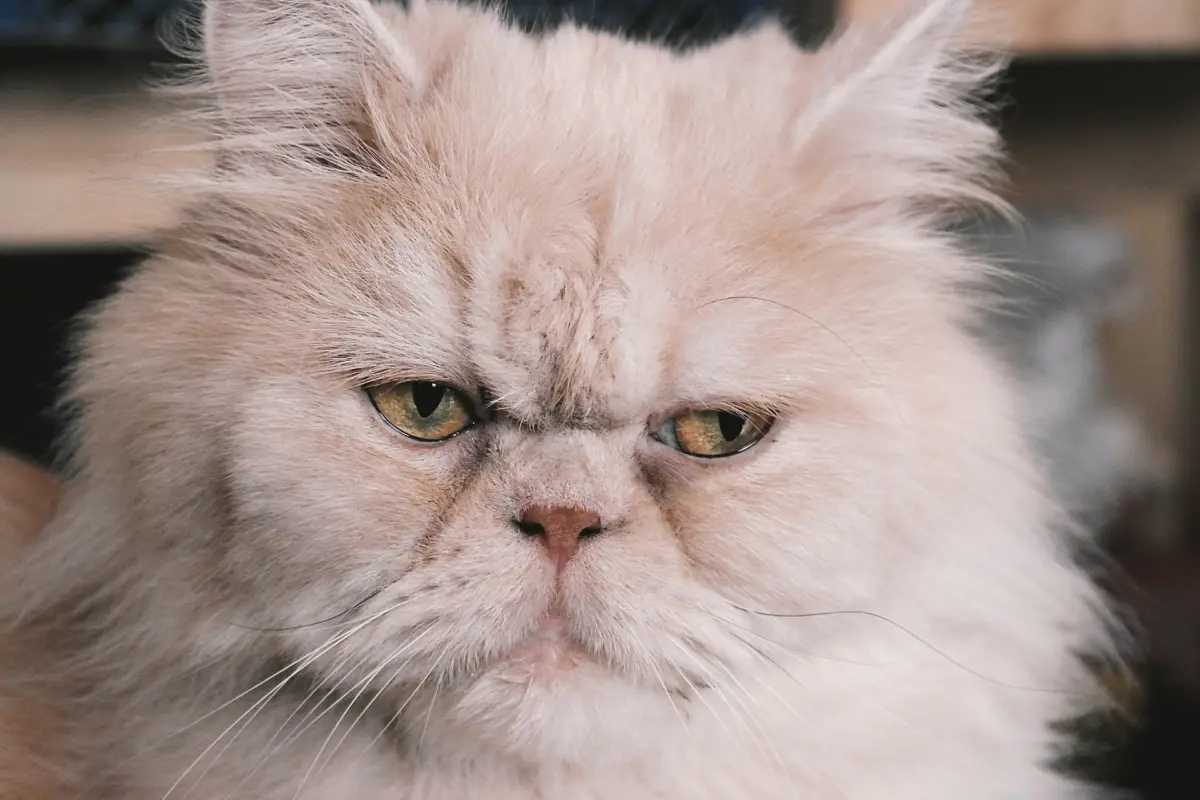
Often referred to as the Iranian or Shiraz cat, the Persian is celebrated for its opulent, long-haired coat and characteristic "smushed-face" (brachycephalic) profile. With a serene, placid, and affectionate temperament, Persians are the quintessential lap cats. They possess an easy-going demeanor that adapts well to calm indoor environments. However, their luxurious coats and unique facial structure require dedicated, daily upkeep to prevent severe matting and address potential respiratory or tear-duct sensitivities.

5. Ragdoll
Named for their endearing tendency to go completely limp and relaxed when picked up, Ragdolls are large, strikingly handsome cats with semi-long coats, deep blue eyes, and pointed color patterns. Boasting a remarkably docile and trusting temperament, Ragdolls exhibit a distinctly dog-like devotion, often greeting their owners at the door and following them from room to room. They excel in social, low-stress environments and offer immense affection, making them wonderful emotional anchors for families.
6. British Shorthair
A quintessential British icon, the British Shorthair is distinguished by its robust, stocky frame, dense plush coat, and round, expressive face. Known for a moderate, steady activity level, these cats are exceptionally well-suited for various living spaces, including compact apartments. While they are not overly demanding lap cats, they exhibit a quiet, dignified affection and prefer to remain in the physical company of their humans. Their tolerant, unflappable nature makes them exceptionally compatible with children and multi-pet households.

7. Abyssinian
Tracing its ancestry to Ethiopia (historically known as Abyssinia), the Abyssinian features a striking, ticked "agouti" coat that shimmers with multiple bands of color on each individual hair shaft. With large, alert ears, a wedge-shaped head, and a lithe, muscular physique, Abyssinians are natural athletes. Their inquisitive, adventurous personalities drive them to investigate every corner of the home, often "assisting" owners with daily tasks. Their playful disposition makes them engaging companions for energetic families.
8. Russian Blue
The Russian Blue is an aristocratic breed characterized by its dense, plush double coat of a vivid blue-gray hue tipped with silver, lending the fur a silvery sheen. Complemented by striking emerald-green eyes, this cat combines physical elegance with a gentle, intelligent disposition. While deeply affectionate and loyal to their chosen humans, Russian Blues possess a naturally cautious and reserved streak, often retreating from loud noises, chaotic environments, or overly boisterous strangers.

9. American Shorthair
Steeped in American pioneer history, the American Shorthair is celebrated for its robust health, longevity, and working-cat heritage. Believed to have traveled aboard the Mayflower to protect ship stores from rodents, these cats transitioned into invaluable farm and homestead companions before earning official recognition in 1966. Placid, easy-going, and remarkably affectionate, American Shorthairs form deep bonds with every member of the household without demanding constant, high-octane attention.
10. Oriental Shorthair
As a close relative within the broader Siamese lineage, the Oriental Shorthair shares the sleek, slender body type and expressive vocalizations of its cousins, but boasts a vast palette of solid colors, patterns, and coats. Orientals are intensely social creatures that demand active engagement; prolonged isolation can lead to behavioral withdrawal or separation distress. Their extensive vocal range allows them to communicate every nuance of emotion, from playful excitement to demanding hunger.

11. Devon Rex
The Devon Rex is instantly recognizable by its elfin appearance, featuring oversized, low-set ears, enormous eyes, and a short, soft, wavy coat that feels like suede to the touch. Discovered in England during the late 1960s, this breed is high-energy, mischievous, and remarkably affectionate. Often described as "cat-dogs," Devon Rexes love to perch on shoulders, play fetch, and involve themselves in every household activity, thriving in dynamic, interactive families.
12. Sphynx
Breaking conventional aesthetic boundaries, the Sphynx is famous for its hairless, wrinkled skin, prominent cheekbones, and outsized lemon-shaped ears. Although appearing hairless, their skin often features a fine, suede-like peach fuzz. Sphynxs are notoriously affectionate, extroverted, and heat-seeking; because they lack a traditional fur coat to regulate body temperature, they frequently cuddle close to their owners. Their high metabolic rate requires careful dietary management, and their skin necessitates regular bathing to remove natural body oils.

13. Scottish Fold
The Scottish Fold derives its charming, owl-like appearance from a natural genetic mutation that causes the ear cartilage to fold forward and downward. While undeniably cute, this genetic quirk requires careful husbandry; responsible breeders frequently outcross Scottish Folds with British Shorthairs to safeguard the gene pool and minimize the risk of degenerative joint diseases and arthritis. Temperamentally, they are sweet, adaptable, and peaceful, fitting effortlessly into multi-pet households.
14. Burmese
Compact, muscular, and surprisingly heavy for their size, Burmese cats are renowned for their satin-like coats and expressive, golden eyes. Highly energetic, intelligent, and deeply people-oriented, Burmese cats possess an uncanny capacity for learning complex tricks, such as fetching items, playing hide-and-seek, and even walking on a leash. They thrive on companionship and do not tolerate long periods of solitude well, frequently seeking out human interaction to stave off boredom.

15. Birman
The Birman—often referred to as the "Sacred Cat of Burma"—shares the pointed color patterns and captivating blue eyes of the Siamese and Ragdoll, but is distinguished by its silky, medium-long coat that uniquely lacks a heavy undercoat (significantly reducing the propensity for severe matting). Birmans are gentle, social, and balanced cats that crave human companionship. They offer a harmonious blend of playfulness and tranquil lap-sitting, making them adaptable and loving additions to diverse home environments.
Supporting Context & Metrics: Comparative Breed Overview
When evaluating cat breeds for home integration, prospective owners must weigh core variables such as grooming commitment, exercise needs, and social requirements.

| Breed | Coat Type | Maintenance/Grooming | Energy Level | Social Needs |
|---|---|---|---|---|
| Maine Coon | Long, Heavy | Moderate-High | Moderate | High |
| Bengal | Short, Spotted | Low | Very High | Very High |
| Siamese | Short, Fine | Low | High | Very High |
| Persian | Long, Dense | Very High | Low | Moderate |
| Ragdoll | Semi-Long | Moderate | Low-Moderate | Very High |
| British Shorthair | Short, Dense | Low | Low | Moderate |
| Abyssinian | Short, Ticked | Low | Very High | High |
| Russian Blue | Short, Dense | Low | Moderate | Moderate |
| American Shorthair | Short | Low | Moderate | Moderate |
| Oriental Shorthair | Short, Fine | Low | High | Very High |
| Devon Rex | Short, Wavy | Low-Moderate | High | High |
| Sphynx | Hairless/Fuzz | High (Skin care) | High | Very High |
| Scottish Fold | Short/Long | Low-Moderate | Low-Moderate | High |
| Burmese | Short, Satin | Low | High | Very High |
| Birman | Semi-Long | Moderate | Moderate | High |
Official Statements and Expert Guidance
Veterinary professionals and animal welfare organizations emphasize that breed categorization serves only as a general baseline for behavior and care.
Dr. Elizabeth Vance, a noted feline practitioner and ethologist, notes:

"While breed genetics provide valuable insight into potential health markers and baseline temperaments, individual personality varies significantly. Prospective owners must evaluate their own living situation, time availability, and financial readiness against the specific needs of the cat—whether that means budgeting for the intensive grooming of a Persian or providing the vertical space and interactive puzzle toys demanded by a high-drive Bengal."
Furthermore, animal welfare authorities consistently underscore the importance of preventative veterinary medicine. Standard screening for breed-specific conditions—such as echocardiograms for hypertrophic cardiomyopathy in Maine Coons and Ragdolls, or renal screenings for Persians—remains vital to ensuring long-term health and well-being.

Future Outlook: Trends in Feline Ownership and Breed Stewardship
As the pet care landscape evolves, the future of cat ownership is shifting toward greater awareness of genetic health, ethical breeding practices, and specialized feline enrichment.
- Health-Conscious Breeding: Veterinary science is increasingly collaborating with ethical registries to phase out harmful physical extremes. Breeders are placing heightened emphasis on genetic diversity, particularly in mutation-dependent breeds like the Scottish Fold, ensuring that aesthetic appeal does not compromise structural soundness or quality of life.
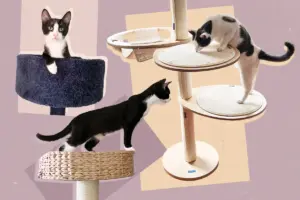
- Advanced Environmental Enrichment: With a growing percentage of domestic cats kept strictly indoors for safety, owners are investing heavily in vertical territory, automated interactive toys, and clicker training. High-energy breeds like the Bengal and Abyssinian are driving innovations in feline agility and indoor adventure gear.
- Personalized Nutrition and Care: The pet industry continues to develop tailored nutritional profiles, advanced grooming tools, and telemedicine services tailored to specific breed needs—such as specialized dermatological regimes for hairless Sphynxs and specialized joint support formulas for large-frame Maine Coons.
Ultimately, whether an owner selects the rugged, snow-adapted Maine Coon, the striking agility of the Bengal, or the tranquil affection of the Birman, understanding the unique profile of each breed ensures a rewarding, lifelong partnership between human and feline.