
Executive Overview: The Paradox of Fear-Based Survival
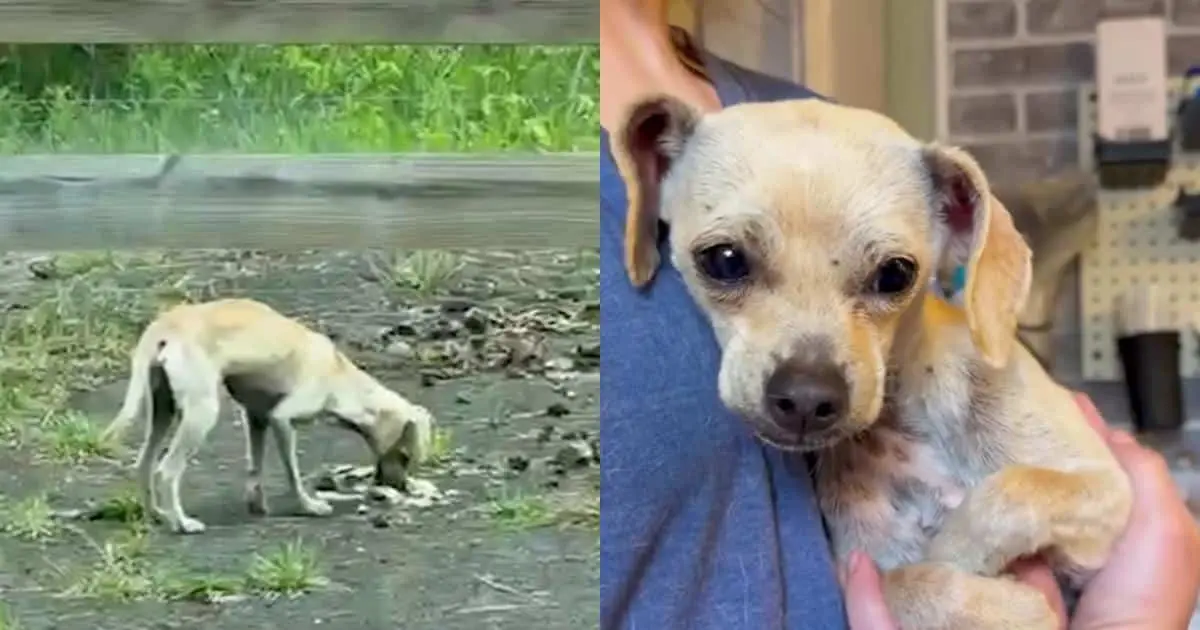
In the field of animal rescue, one of the most challenging obstacles is not the physical retrieval of an animal, but the psychological barrier of trauma. For three days, a severely emaciated dog, later named ET, wandered the shoulder of a busy highway. Visibly starving, weak, and vulnerable, the dog’s physical state signaled an urgent need for medical intervention. Yet, whenever compassionate motorists or local residents attempted to approach him, ET’s survival instincts kicked in, triggering a profound flight response that drove him back into the brush.
This scenario illustrates a common paradox in animal welfare: the very animals that require the most urgent assistance are often those whose trauma-induced fear prevents them from accepting it. To ET, every human hand, regardless of its intent, represented a potential threat.
The successful rescue of ET by Luck’s Rescue highlights the necessity of strategic, low-stress capture techniques over high-intensity pursuits. Through the patient application of humane trapping, systematic veterinary rehabilitation, and collaborative rescue networks, ET was transformed from a parasite-ridden stray on the brink of collapse into a healthy, socialized family companion. This case study details the chronological, medical, and behavioral milestones of ET’s rescue, offering a comprehensive look at the modern logistics of canine rehabilitation.
Detailed Chronology: The Anatomy of a High-Stakes Rescue
[Day 1-3: Roadside Sightings] ➔ [Tactical Pivot: Passive Capture] ➔ [Humane Trapping & Capture] ➔ [Clinical Triage & Decompression] ➔ [Rehabilitation & Socialization] ➔ [Orlando Pipeline & Adoption]Phase I: The Three-Day Roadside Alert
The crisis began when local commuters spotted a skeletal dog foraging along a hazardous stretch of road. Observers noted that the canine was extremely thin, with his ribs, spine, and hip bones sharply defined beneath a dull, neglected coat. Concerned citizens made multiple attempts to secure the dog. However, without a coordinated strategy, these direct-approach attempts only exacerbated the animal’s panic.
Each failed attempt to corner ET widened his flight-safety perimeter, making him increasingly wary of human presence. On a busy road, this hyper-reactive state posed an imminent threat of a vehicular collision, making a tactical intervention necessary.
Phase II: The Tactical Pivot to Passive Capture
Recognizing that further direct pursuit could drive the dog into traffic or cause him to flee the area entirely, Audrey, an experienced rescuer with Luck’s Rescue, was called to intervene. Audrey immediately implemented a protocol of passive capture.
Direct pursuit relies on speed and physical containment, which inevitably elevates an animal’s cortisol levels and triggers a fight-or-flight response. In contrast, passive capture utilizes the animal’s natural physiological needs—namely hunger—to guide them into a controlled environment without human contact. Audrey selected a heavy-duty, humane box trap designed to secure large dogs without causing physical injury.
Phase III: The Olfactory Lure and Capture
The success of a passive trap relies heavily on bait selection and environmental factors. Audrey baited the trap with highly aromatic food, designed to appeal to a starving animal’s keen sense of smell.
In a stroke of situational fortune, the wind shifted, carrying the scent of the bait directly toward ET’s last known resting spot. Drawn by the smell, ET cautiously approached the trap. His extreme hunger eventually overrode his deep-seated fear of novel objects. Once he stepped fully inside to reach the food, he triggered the pressure-sensitive trip plate, safely securing him inside the enclosure.
Phase IV: Immediate Post-Capture Decompression
While the physical capture was a success, ET’s psychological state remained highly fragile. Upon Audrey’s approach, the dog exhibited severe stress behaviors, including systemic trembling, avoidant eye contact, and low-slung body posture.

Rather than attempting to immediately handle or soothe the dog—which can often be perceived by a wild or traumatized animal as predatory behavior—the rescue team prioritized decompression. ET was transported in his covered crate to a quiet, secure kennel environment, allowing his nervous system to transition out of a state of acute survival arousal.
Clinical Assessment & The Physiological Toll of Neglect
Once ET had settled sufficiently to allow a physical examination, veterinarians at the rescue facility conducted a comprehensive clinical intake. The findings revealed the severe physiological toll of prolonged abandonment.
| Diagnostic Category | Clinical Findings | Veterinary Intervention Protocol |
|---|---|---|
| Nutritional Status | Severe emaciated state; significant muscle wasting (atrophy) along the dorsum and hindquarters. | Controlled refeeding program to prevent Refeeding Syndrome; high-calorie, easily digestible wet food. |
| Ectoparasite Load | Severe infestation; hundreds of engorged ticks covering the ears, neck, and interdigital spaces. | Manual extraction, medicated therapeutic bath, and administration of rapid-acting systemic oral parasiticides (isoxazoline class). |
| Dermatological Health | Extensive skin irritation, localized hair loss, and micro-abrasions from chronic scratching and tick bites. | Topical antiseptic treatments, soothing medicated baths, and monitoring for secondary bacterial infections. |
| Hematological Profile | Mild to moderate anemia secondary to heavy ectoparasite load; dehydration. | Subcutaneous fluid therapy; iron-rich nutritional supplementation and monitoring of red blood cell counts. |
The Threat of Vector-Borne Pathogens
Heavy tick infestations present a severe threat to a canine’s health beyond simple blood loss. Ticks are primary vectors for several debilitating systemic pathogens, including:
- Ehrlichia canis (Ehrlichiosis): Attacks white blood cells, leading to clinical signs such as fever, lethargy, abnormal bleeding, and splenomegaly.
- Borrelia burgdorferi (Lyme Disease): Causes joint inflammation, renal dysfunction, and chronic lethargy.
- Anaplasma platys (Anaplasmosis): Targets blood platelets, resulting in thrombocytopenia and bruising.
To safeguard ET, veterinarians ran diagnostic blood panels (such as a SNAP 4Dx Plus test) to screen for these vector-borne illnesses, establishing a baseline for long-term treatment.
Mitigating Refeeding Syndrome
For an animal as emaciated as ET, unlimited access to food is highly dangerous. When a starving animal suddenly ingests large quantities of carbohydrates, it triggers a rapid surge in insulin. This hormonal spike forces essential electrolytes—specifically phosphorus, potassium, and magnesium—out of the bloodstream and into the cells.
The resulting depletion of extracellular electrolytes can cause cardiac arrhythmias, respiratory failure, muscle weakness, and sudden death. To prevent this, rescuers placed ET on a highly structured, low-carbohydrate, high-fat refeeding schedule, offering small, measured portions of food at frequent intervals to slowly rebuild his metabolism.
Behavioral Rehabilitation: The Science of Decompression
Healing ET required more than just nutritional support and parasite removal; it demanded a systematic approach to psychological rehabilitation. Trauma in dogs alters brain chemistry, hyper-sensitizing the amygdala—the brain’s fear center—and making it difficult for the animal to distinguish safe environments from hostile ones.
[Phase 1: Safe Space] ➔ [Phase 2: Hand Feeding] ➔ [Phase 3: Peer Learning] ➔ [Phase 4: Trust Transfer]
Minimal interaction;     Building positive      Socialization with     Generalizing trust
focus on rest.           human associations.    confident dogs.        to new handlers.
The "Rule of Three" in Trauma Recovery
Rescuers utilized the "Rule of Three," a behavioral guideline that maps the typical recovery phases of a rescued animal:
- The First Three Days: The decompression phase. The animal is often overwhelmed, shut down, or hyper-vigilant. During this time, ET was given a quiet kennel, minimal handling, and a predictable schedule to establish a basic sense of safety.
- The First Three Weeks: The habituation phase. As the animal realizes its physical needs are consistently met, it begins to settle into a routine. ET started to show interest in his caretakers, cautiously accepting food from their hands and displaying relaxed body language.
- The First Three Months: The integration phase. The animal begins to build genuine trust, express its true personality, and explore its environment.
Canine Socialization as a Catalyst for Trust
One of the most effective tools in rehabilitating fearful dogs is the use of stable, confident "helper dogs." Dogs are highly social pack animals that learn through observation (social facilitation).
Once ET was medically cleared and physically stronger, he was introduced to other socialized dogs at the rescue center. Observing his peers interact playfully and confidently with human handlers provided ET with valuable social cues. By mimicking their behavior, his defensive barriers began to lower, allowing his natural curiosity and playful temperament to emerge.

Systemic Insights: The Rescue Pipeline and Future Outlook
ET’s journey from a frightened stray to a beloved family pet highlights the vital role played by collaborative rescue networks. Once stabilized by Luck’s Rescue, ET entered a regional transport network designed to maximize his chances of adoption.
[Local Rescue (Initial Intake & Medical Stabilization)]
                     ▼
[Regional Transport Pipeline (Transfer to High-Demand Area)]
                     ▼
[Metropolitan Rescue Partner (Adoption Outreach & Screening)]
                     ▼
[Permanent Foster/Adoptive Home]
The Power of Inter-Agency Partnerships
Many rural or small-town rescues face severe resource constraints and high intake rates, which can limit their capacity to find homes for recovering animals. To address this, organizations utilize transport pipelines to move rehabilitated animals to larger, resource-rich metropolitan markets where adoption demand is higher.
In ET’s case, he was transferred to an established rescue partner in Orlando, Florida. This transition allowed him to benefit from a larger volunteer network, advanced training facilities, and a wider pool of pre-screened adoptive families.
The Ultimate Triumph: Adoption
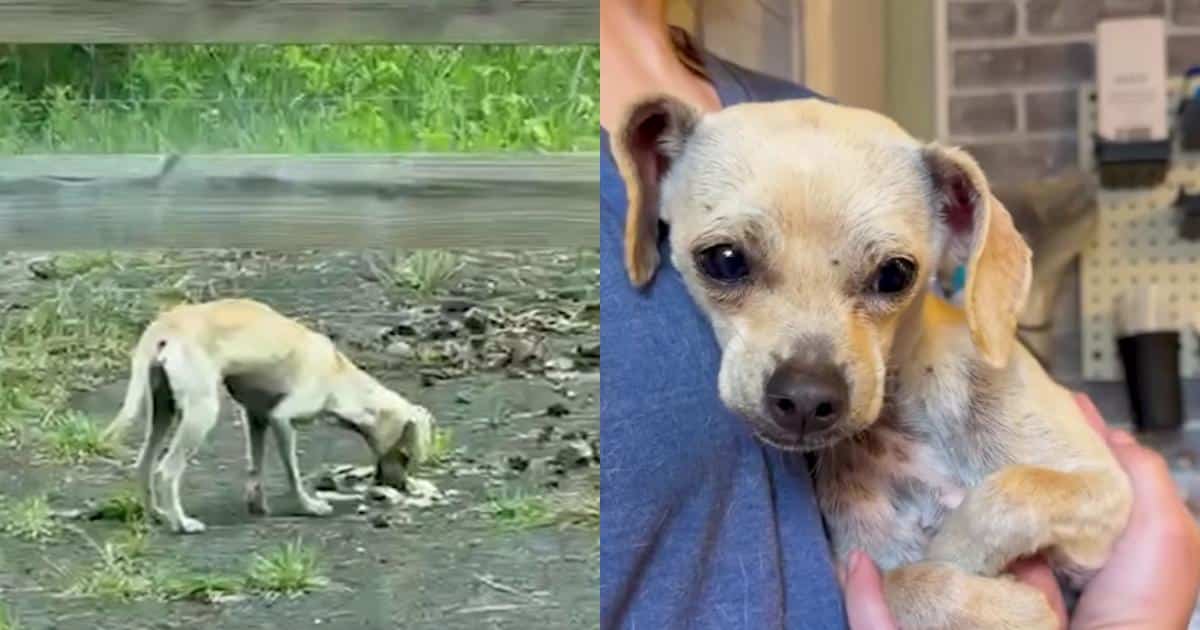
In Orlando, ET’s transformation was completed. Free from the constant threat of starvation and the discomfort of parasites, he was adopted by a dedicated family prepared to continue his positive-reinforcement training. Today, ET lives in a home where his physical and emotional needs are fully met.
ET’s recovery serves as a powerful reminder of the impact of professional, compassionate animal rescue. By combining patience, evidence-based trapping techniques, expert veterinary care, and collaborative rehoming networks, rescuers can help even the most traumatized animals overcome their past and find a safe, loving future.