
Executive Overview
As summer temperatures reach record highs across the country, managing pet safety in extreme weather has evolved from a matter of basic care into an essential science. While humans can rely on air conditioning, personal fans, and light clothing to regulate body temperature, dogs and cats face severe physiological limitations—primarily their inability to sweat efficiently across their bodies. Instead, they rely heavily on panting and minimal paw-pad perspiration to dump excess heat. This makes them exceptionally vulnerable to heat exhaustion, heatstroke, and severe paw-pad burns from blistering asphalt.
To help pet owners navigate the sweltering months, recent product testing and veterinary insights have illuminated the most effective gear and strategies available. From indoor cooling mats and elevated cots to specialized outdoor harnesses, protective footwear, and travel-friendly hydration vessels, this comprehensive guide breaks down what actually works to keep pets comfortable. Backed by insights from veterinary professionals and rigorous product evaluations, pet parents can now make informed decisions to safeguard their furry companions against dangerous thermal stress.
Detailed Chronology: Evolution of Pet Heat Mitigation Gear
The market for pet cooling and hydration accessories has undergone a dramatic transformation over the past two decades, shifting from rudimentary plastic pools to sophisticated, science-backed performance wear adapted directly from human athletic apparel.
- Early 2000s—The Advent of Basic Relief: For years, keeping pets cool outdoors was largely limited to plastic kiddie pools, damp towels, and basic collapsible canvas bowls. While effective for basic backyard use, these solutions offered little portability or targeted temperature regulation for active dogs on the move.
- 2008—Innovation in Canine Ergonomics: A major milestone occurred when outdoor pet brands began introducing multi-layer evaporative cooling gear, such as specialized harnesses designed to pull heat and moisture away from a dog’s core using advanced textile engineering.
- 2010s—The Rise of Gel and Phase-Change Technology: The market saw an influx of pressure-activated cooling mats and pet beds integrated with "cooling gels." While initial marketing occasionally overstated these materials’ ability to actively drop core body temperatures, testing proved their worth as heat-dissipating alternatives to traditional synthetic foam beds that trap thermal energy.
- Present Day—Cross-Industry Textile Integration: Modern pet cooling technology now mirrors human athletic wear. Companies utilize advanced Bluesign-approved and Coolcore performance fabrics—fabrics originally engineered for elite human athletes—to wick, transport, and evaporate moisture seamlessly. Today’s pet owners have access to an expansive, highly specialized ecosystem of gear designed to address every aspect of canine and feline heat management, from indoor resting spots to rugged mountain trails.
Supporting Context & Metrics: The Science of Canine and Feline Overheating
Understanding why pets overheat requires a closer look at their anatomy and environmental physics. Unlike humans, who sweat through millions of sweat glands distributed across their entire skin surface, dogs and cats possess very few sweat glands, primarily located in their paw pads.
The Mechanics of Panting and Moisture Loss
When a dog or cat gets hot, they pant to evaporate moisture from their respiratory tract. However, veterinary experts emphasize that panting is metabolically expensive.

- Dehydration Risk: Panting rapidly depletes internal moisture reserves. A dehydrated pet cannot cool itself effectively through panting, creating a dangerous feedback loop where they get hotter quicker and take significantly longer to cool down.
- Feline Vulnerability: While both cats and dogs pant under extreme stress or heat, dogs rely on it far more heavily. Cats typically seek out conductive cooling surfaces—such as stone or tile floors—stretching out flat ("starfishing") to transfer body heat directly to cooler materials.
The Hidden Danger of Asphalt and Pavement
Ground temperatures frequently soar far higher than ambient air temperatures, posing an immediate threat to a dog’s paw pads.
- Extreme Thermal Absorption: Artificial turf, dark tarmac, and concrete absorb radiant solar heat rapidly. According to data from the Washington State University College of Veterinary Medicine, when ambient air temperature is a modest 77°F, asphalt can skyrocket to a blistering 125°F. In direct peak sunlight, these surfaces can reach up to 140°F, capable of causing severe second- and third-degree burns in seconds.
- The Five-Second Hand Test: Before walking a dog on hard surfaces, owners should press the back of their hand (which is more sensitive and less calloused than the palm) against the ground for five seconds. If the surface is too hot to comfortably maintain contact, it is unsafe for a dog to walk on without protective booties.
Official Statements & Expert Veterinary Guidance
Mitigating heat-related illness requires strict adherence to scheduling, environmental awareness, and individual pet assessment. Leading veterinarians and industry experts offer critical rules of thumb for summer pet care:
- The Golden Rule of Exercise: Dr. Tyra Davis, a veterinarian in Hammond, Louisiana, shares a simple rule for her clients: No play in the heat of the day. Pet owners should restrict vigorous exercise to the early morning or late evening hours. If a bathroom break is necessary during peak heat, keep it brief and confined to shady, grassy areas.
- Individualized Gear Assessment: According to American Kennel Club (AKC) executive breeding and development figures like Klein, pet owners must evaluate each animal individually based on coat type, age, and health history.
- Double-Coated vs. Thin-Skinned Breeds: Breeds with heavy double coats, like Golden Retrievers, benefit greatly from evaporative cooling vests. Conversely, thin-skinned, lean breeds like Whippets may find the damp chill of certain cooling garments uncomfortable, particularly if they are older or suffer from arthritic joints.
- The Danger of Humidity: Evaporative cooling garments rely on moisture evaporating into the air. In high-humidity environments, this evaporation process slows dramatically, rendering the vests far less effective. Furthermore, if an evaporative garment dries out while worn, it ceases to cool and instead acts as an insulating layer, trapping heat against the animal’s body.
Future Outlook: The Next Generation of Pet Thermal Care
As global temperatures continue to break historical averages, the pet care industry is poised for rapid innovation focused on smart textiles, integrated health monitoring, and preventative safety design.
What Lies Ahead
- Smart Cooling Wearables: Future iterations of pet harnesses and vests may incorporate phase-change materials (PCMs) that automatically absorb and release thermal energy at precise temperature thresholds without requiring manual soaking in water.
- Hydration Tracking Integration: With the rise of smart pet technology, upcoming hydration solutions will likely feature integrated sensors to monitor water intake, alerting owners via smartphone applications when a pet is at risk of dehydration during outdoor excursions.
- Sustainable, Non-Toxic Materials: As consumer demand shifts toward eco-friendly and pet-safe products, manufacturers are expected to phase out traditional gel fillings in favor of biodegradable, plant-based cooling agents that pose zero risk if accidentally chewed or ingested.
Comprehensive Product Breakdown: Finding the Right Gear
To assist pet owners in selecting the best equipment for their specific needs, testing panels have categorized the top-performing products across four distinct areas: indoor comfort, on-the-go cooling, protective footwear, and hydration systems.
1. Chilling at Home: Beds, Cots, and Mats
- Cooling Gel Beds: While many beds advertise "cooling-gel foam," they do not actively reduce a pet’s body temperature; rather, they offset the heat-trapping nature of synthetic memory foam. The FurHaven Velvet Waves Perfect Comfort Cooling Gel Bolster Bed proved to be a top performer in reducing surface temperature increases compared to standard control beds.
- Elevated Cots: For maximum breathability, the K&H Original Pet Cot and the aluminum-framed Kuranda Chew Proof Dog Bed elevate pets off the floor, allowing unimpeded airflow around their entire body.
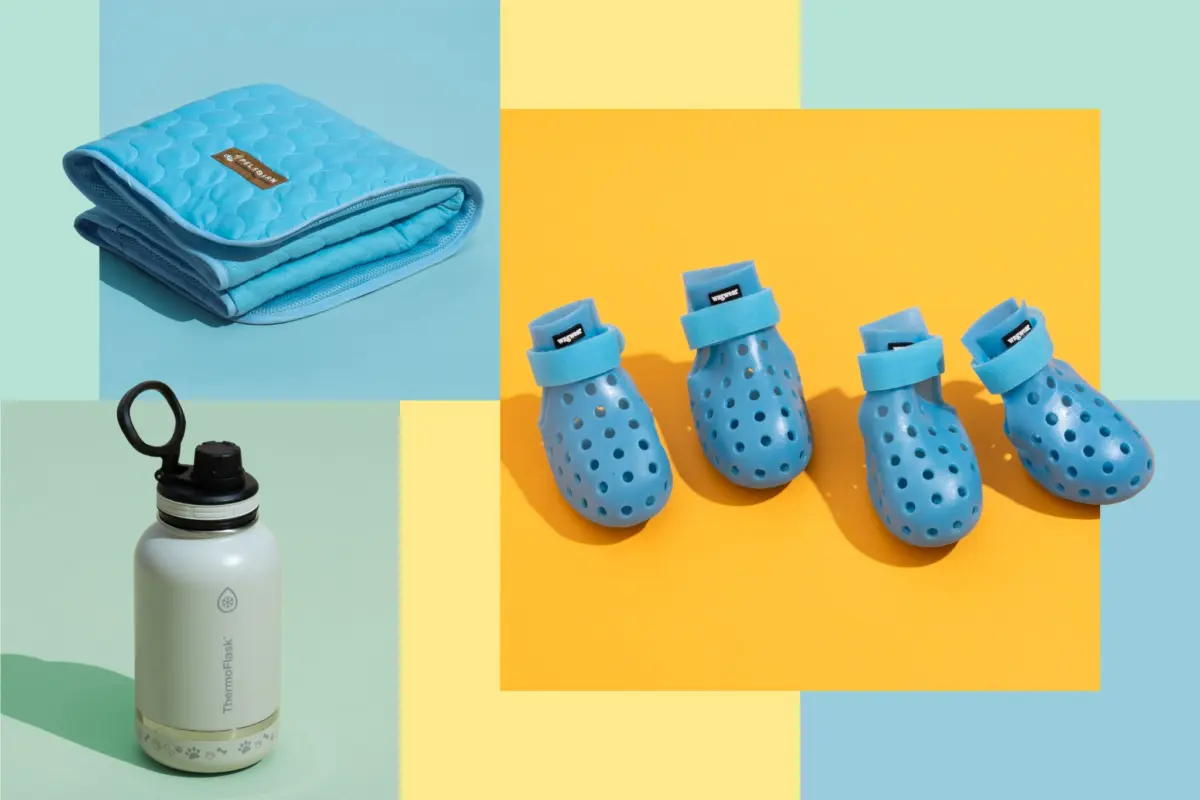
- Cooling Mats: Pressure-activated gel pads, such as The Green Pet Shop Cool Pet Pad and the Arf Pets Self-Cooling Solid Gel Pad, absorb body heat effectively and warm up significantly less than foam beds. Meanwhile, fabric-based alternatives like the Pelsbarn Cooling Mat and Bedsure ArcticMax Cooling Mat provide blanket-like comfort with equal thermal performance while remaining lightweight and machine-washable.
2. Cooling on the Go: Harnesses, Vests, and Gaiters
- Evaporative Harnesses & Vests: The Ruffwear Swamp Cooler Dog Harness/Vest and Canada Pooch Max Chill series utilize multi-layer Coolcore technology to wick, store, and evaporate moisture, actively lowering surface temperatures even under direct sunlight.
- Neck Gaiters and Snoods: For low-effort, low-profile cooling, the Ruffwear Swamp Cooler Neck Gaiter and Canada Pooch Max Chill Snood wrap easily around a dog’s neck and shoulders, providing hours of continuous evaporative relief during walks.
3. Protecting Paws: Summertime Footwear
- Breathable Boots: To shield paws from scorching pavement, the Wagwear WagWellies Mojave boots feature ample ventilation holes that allow air circulation and water drainage. For rugged trail hikes, the Ruffwear Grip Trex boots offer thick, protective soles and woven mesh uppers to keep out debris while preventing thermal burns.
4. Hydration Systems: Bowls and Bottles
- Portable Bottles: On-the-go hydration has never been easier thanks to leak-proof innovations like the Springer Flip Portable Dog Water Bottle, the collapsible Säker Slurpy Sack 2.0, and the dual-purpose Springer Dog and Me Insulated Water Bottle.
- Collapsible Bowls: For backpackers and casual walkers alike, the accordion-style Comsun Collapsible Dog Bowl and the ultra-packable, ripstop-nylon Ruffwear Quencher Packable Bowl ensure fresh water is always within arm’s reach.