
Originally featured in the Alley Cat Action® 2026 Summer Newsletter.
Published: August 11, 2026
Executive Overview
In the realm of animal welfare, survival is frequently a matter of timing, resources, and the unwavering dedication of a compassionate community. The Alley Cat Action® 2026 Summer Newsletter highlights remarkable stories of resilience, detailing the arduous journeys of cats who faced severe medical neglect, displacement, and systemic vulnerability. From the bustling emergency rooms of veterinary clinics to chaotic hoarding sites in the American South, these narratives demonstrate the profound impact of organized intervention.
This report examines three distinct cases featured in the summer publication: Neo, a fiercely independent black cat who overcame severe malnutrition and a traumatic facial wound; Cricket, a resilient one-year-old survivor of a massive 91-cat hoarding seizure in Alabama who is battling carpal laxity; and Strudel, a devoted mother cat, alongside her nursing kittens, Cherry, Berry, and Pebbles, who transitioned from the brink of shelter euthanasia to vibrant health.
Through these case studies, this article provides an investigative look at the mechanics of emergency animal rescue, the financial and medical strains placed on local infrastructures, and the vital role that donor-backed organizations play in securing life-saving outcomes for society’s most vulnerable feline populations.
Detailed Chronology
The Redemption of Neo: Surviving Trauma Against the Odds
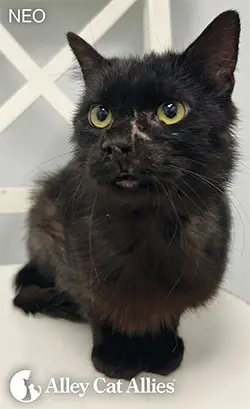
The journey of the feline known as Neo began in a state of critical medical emergency. When he first entered the care of rescue personnel, his physical condition painted a grim picture of survival on the streets. A massive, disfiguring wound dominated his face, initially capturing the immediate attention and alarm of the veterinary staff.
However, as comprehensive diagnostic evaluations proceeded, the facial trauma was quickly identified as merely the most visible symptom of a broader systemic collapse. The young black cat was profoundly underweight, severely malnourished, and battling an acute systemic illness that threatened to overwhelm his compromised immune system. In many municipal shelter environments, cats presenting with this constellation of severe trauma and systemic decline face tragic outcomes due to constrained resources.
Fortunately, Neo’s fighting spirit matched the dedication of his medical team. The chronology of his recovery required a multi-stage medical protocol:

- Stabilization: Immediate fluid therapy, nutritional rehabilitation, and broad-spectrum antimicrobial treatments to arrest the systemic infection.
- Surgical Intervention: Complex surgical repair of the extensive facial wound under general anesthesia, requiring delicate tissue management.
- Post-Operative Recovery: Weeks of intensive supportive care, monitored wound management, and high-calorie nutritional supplementation to rebuild his muscle mass and physiological reserves.
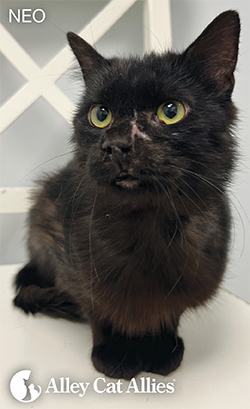
Today, the clinical term for Neo’s recovery is complete healing, but the physical legacy of his ordeal remains. A distinct scar marks his nose and face—a feature that his caretakers now celebrate not as a blemish, but as a distinguished badge of bravery and honor, symbolizing his triumph over near-fatal neglect.
The Alabama Hoarding Crisis and the Unstoppable Rise of Cricket
The scale of modern animal rescue operations was tested sharply during a major emergency intervention in Alabama, where authorities discovered a staggering 91 cats and kittens confined within a single, cramped property. Situations of mass confinement and hoarding present extraordinary logistical and financial challenges for local rescue networks, which are rarely equipped to absorb dozens of medical cases simultaneously.
Recognizing the severity of the crisis, Alley Cat Allies intervened directly, partnering with frontline rescuers to underwrite and fully cover the mounting costs of veterinary care, diagnostic testing, and emergency boarding.
While the majority of the 91 rescued felines miraculously presented with only minor injuries and upper respiratory illnesses typical of crowded conditions, one young cat emerged with a uniquely complex medical profile: Cricket.
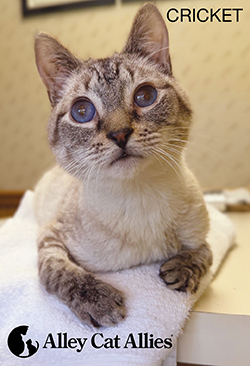
Upon initial inspection, Cricket’s physical stature immediately drew concern. Closer examination of his front legs revealed a distinct gait and structural instability. Veterinary specialists diagnosed Cricket with carpal laxity, a congenital or developmental condition that severely compromises the structural integrity and stability of the wrist joints.
Rather than succumbing to his structural limitations, Cricket’s rehabilitation journey commenced immediately. His current treatment regimen incorporates specialized medical splinting designed to progressively align, strengthen, and correct his forelimbs. Far from dampening his disposition, the energetic one-year-old approaches his physical therapy with boundless enthusiasm. When he is not demanding affection and snuggles from his human handlers, Cricket redefines the concept of feline "zoomies," racing through his recovery space with an infectious, uninhibited joy.
Strudel and Her Kittens: From Shelter Peril to Domestic Peace
In the high-pressure environment of overcrowded shelters, pregnant mothers and neonatal litters face some of the highest mortality and euthanasia rates. For Strudel, a resourceful mother cat, and her newborn kittens—Cherry, Berry, and Pebbles—the trajectory of their lives was altered at the eleventh hour.
Rescued from a high-risk shelter environment just as their futures hung in the balance, the feline family was transferred into a supportive, medically managed network. The chronology of their intervention highlights a seamless transition from crisis management to holistic long-term care:
- Intake and Triage: Immediate medical screening to isolate the family from infectious pathogens common in shelter settings and establish baseline weights for the neonates.
- Nutritional Support: Ensuring Strudel received high-density lactation nutrition to support the rapid growth and development of Cherry, Berry, and Pebbles.
- Developmental Monitoring: Continuous veterinary oversight from their earliest days through the crucial socialization window, ensuring appropriate vaccinations and parasite control.
A crucial component of this intervention strategy is population management. To ensure that Strudel’s maternal struggles are her last, she is scheduled to undergo a routine spay procedure following the weaning of her litter. Supported by dedicated donor networks, Strudel, Cherry, Berry, and Pebbles now enjoy an environment where they can play vigorously, rest securely, and experience the fullness of a healthy feline life.
Supporting Context & Metrics
To fully understand the significance of these three case studies, it is essential to examine the broader operational landscape of animal rescue and community cat management in the United States.
The Financial Burden of Hoarding and Emergency Rescues
The rescue of 91 cats from a single Alabama property illustrates the extreme economic pressures placed on animal welfare organizations. According to industry analyses, the baseline cost of intake, basic medical evaluation (vaccines, deworming, spay/neuter surgery), and two weeks of quarantine for a single cat averages between $150 and $300. When multiplied across a mass seizure of 91 animals, baseline costs rapidly escalate:
$$textMinimum Initial Outlay = 91 text cats times $200 = $18,200$$
This conservative estimate excludes specialized surgical interventions, prolonged treatments for conditions like Cricket’s carpal laxity, or intensive critical care for severely malnourished animals like Neo. Emergency response funds provided by national organizations are frequently the singular mechanism preventing local shelters from facing catastrophic financial insolvency or making heart-wrenching triage decisions.
Specialized Medical Conditions in Feline Welfare
Neo, Cricket, and Strudel represent three distinct facets of feline medicine:
- Trauma and Systemic Malnutrition: Neo’s case underscores the vulnerability of community and stray cats to vehicular trauma, territorial aggression, and starvation. Malnutrition severely impedes wound healing, requiring concurrent nutritional rehabilitation alongside surgical intervention.
- Developmental Joint Disorders: Carpal laxity, as diagnosed in Cricket, frequently appears in rapidly growing kittens subjected to inadequate nutrition or confinement on slick, unsupportive surfaces. Early intervention through physical therapy, controlled exercise, and supportive splinting yields high success rates in achieving functional mobility.
- Neonatal Vulnerability: The Strudel family case highlights the critical intersection of maternal health and neonatal survival. Unmanaged free-roaming cat populations experience high kitten mortality rates; proactive veterinary care combined with targeted spay/neuter initiatives effectively breaks this cycle.
Official Statements and Organizational Perspectives
The overarching philosophy guiding these interventions centers on the intrinsic value of every feline life, regardless of physical condition or background. Representatives from Alley Cat Allies have repeatedly emphasized that emergency response is not merely about pulling animals from dangerous environments, but about securing the infrastructure necessary for their complete rehabilitation.
"When an animal arrives in our care with a history of profound neglect, whether it is Neo fighting off a severe systemic illness or Cricket navigating carpal laxity, our commitment is absolute," notes an official report from the Alley Cat Action® 2026 Summer Newsletter. "We do not see broken animals; we see resilient individuals whose lives are worth fighting for. The financial and emotional investments made by our community directly translate into physical recovery and emotional restoration."
Furthermore, veterinary specialists collaborating on these cases emphasize the importance of community-backed funding models. Without the seamless integration of national rescue networks, local shelters, and specialized foster providers, complex orthopedic cases like Cricket’s or intensive trauma recoveries like Neo’s would routinely go unaddressed due to prohibitive operational costs.
Future Outlook
As the animal welfare sector moves through 2026 and beyond, the lessons learned from the cases of Neo, Cricket, and Strudel offer a clear roadmap for future initiatives. The recurring themes of mass property seizures, severe medical neglect, and neonatal vulnerability demand proactive, systemic solutions rather than purely reactive measures.
Key Strategic Directions for Feline Welfare:
- Expansion of Emergency Response Reserves: National animal welfare organizations must continue to bolster emergency funds to ensure immediate financial mobilization when large-scale hoarding or cruelty situations are uncovered.
- Proactive Spay/Neuter Infrastructure: As demonstrated by Strudel’s case, ending the cycle of endless litters through targeted, accessible spay/neuter programs remains the single most effective tool for reducing shelter intake numbers and safeguarding maternal health.
- Public Education and Early Intervention: Increasing public awareness regarding signs of neglect, hoarding, and developmental issues in young cats (such as early-stage joint abnormalities) facilitates quicker veterinary intervention and improves long-term prognoses.
Ultimately, the stories of Neo’s distinguished scar, Cricket’s unstoppable zoomies, and Strudel’s thriving family serve as powerful testaments to the resilience of cats and the profound efficacy of organized, compassionate human intervention. Through continued donor support, collaborative rescue operations, and unyielding dedication, the standard of care for society’s most vulnerable animals continues to rise, ensuring that future survivors find their own paths to healing and joy.