
Executive Overview
For decades, the public narrative surrounding wildlife rescue and conservation has operated on a reassuring, intuitive premise: returning a confiscated, injured, or captive animal to its native habitat is an unqualified triumph. To the casual observer, the cinematic moment of a cage door swinging open, followed by a frantic or graceful dash into the underbrush, represents the ultimate restoration of natural order.
However, a groundbreaking and sobering new scientific study published in the journal Global Ecology and Conservation challenges this comforting assumption. The research reveals a startling and tragic reality—releasing rescued wildlife into natural habitats does not always end in success. In some acute situations, particularly for territorial and specialized species, the wild can swiftly transform into what researchers starkly describe as a "death trap."
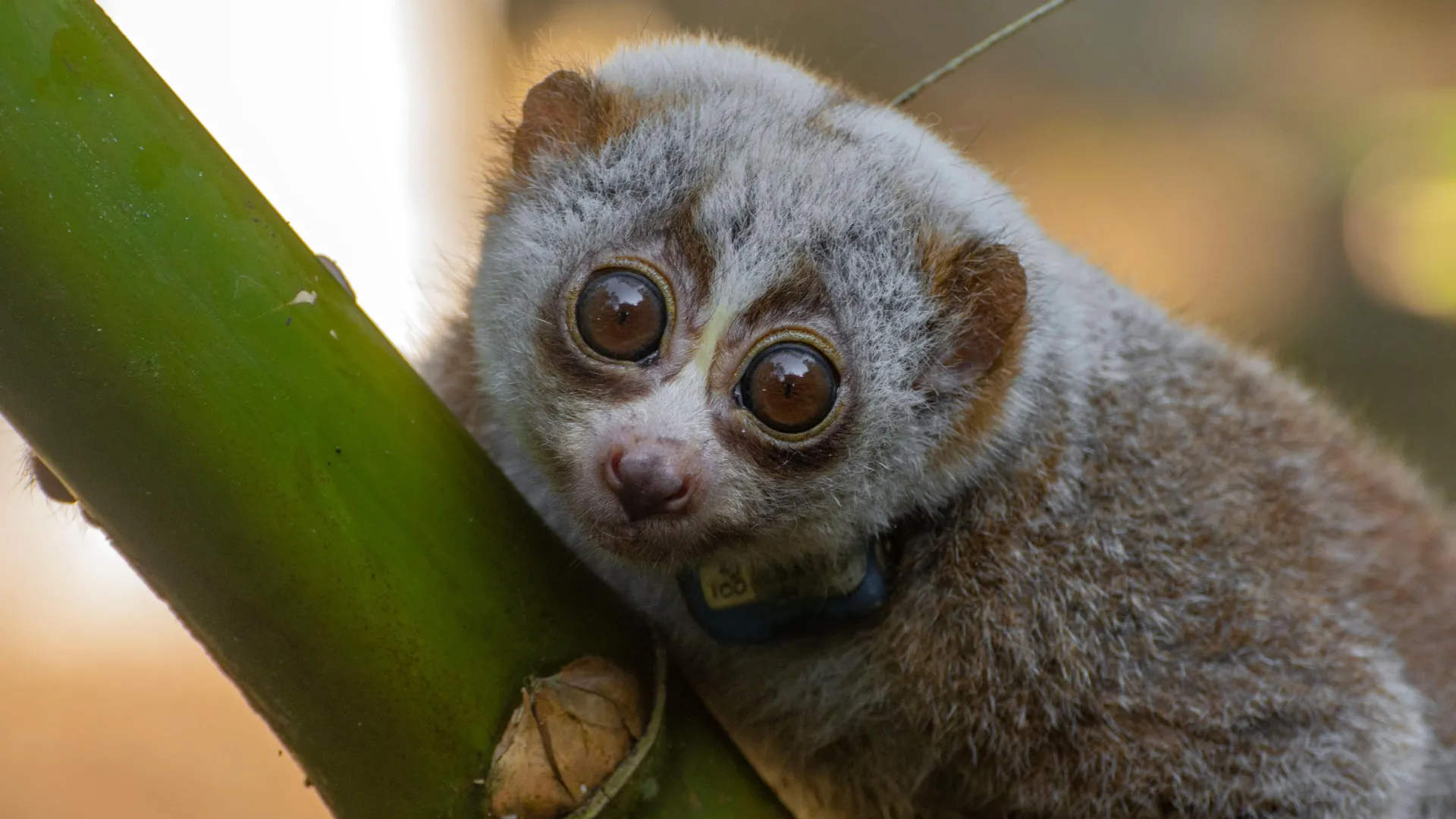
The study, spearheaded by renowned primatologist Professor Anna Nekaris OBE of Anglia Ruskin University, alongside collaborators from the conservation group Plumploris e.V. and the University of Western Australia, shifts the spotlight away from high-profile charismatic megafauna like lions and leopards, focusing instead on a smaller, highly vulnerable victim of the global exotic pet trade: the Bengal slow loris (Nycticebus bengalensis). Tracking nine of these primates after their release into a northeastern Bangladeshi national park, the research team uncovered a devastating mortality rate. Only two of the nine animals survived. The rest succumbed to brutal territorial conflicts with resident conspecifics, revealing that prolonged captivity, coupled with poorly planned release strategies, can spell doom for animals that the conservation community aims to save.
This comprehensive investigative report explores the mechanics of this study, the complex ecological variables that dictate the line between successful reintroduction and fatal mismanagement, and the urgent imperative for the global conservation sector to rethink how it handles rehabilitated wildlife.
Detailed Chronology: Tracking the Fate of the Bengal Slow Loris
To understand how a conservation effort can go so tragically awry, one must examine the specific methodology and timeline of the Bengal slow loris tracking project in Bangladesh.
The Setup and the Subjects
The research initiative was designed to evaluate the post-release survival and adaptation of Bengal slow lorises that had been intercepted from the illegal wildlife trade or otherwise rescued from captivity. The subjects of the study comprised nine individual Bengal slow lorises. Prior to their reintroduction, each animal was fitted with a specialized radio collar, allowing researchers to monitor their daily movements, habitat utilization, and survival status with precision.
The chosen release site was a protected national park located in northeastern Bangladesh—a forested region that had historically been utilized by local authorities and conservation organizations for previous wildlife releases. On paper, the park seemed ideal: it offered dense canopy cover, protected status against commercial logging, and a semblance of the historical range native to the species.
The Grim Aftermath: Days 1 to 6 Months
Despite the protective status of the park and the initial optimism surrounding the release, the empirical data collected by the field team painted a horrifying picture of post-release attrition. The timeline of survival collapsed rapidly:
- The Initial Shock (Days 1–10): Within just the first ten days following their release, three of the nine slow lorises were dead. The sudden transition from the controlled, predictable environment of captivity—where food is provided and territorial pressures are absent—into a complex, highly competitive wild ecosystem proved instantly overwhelming for a significant portion of the cohort.
- The Extended Fallout (Months 1–6): Over the subsequent six months, four additional animals perished. By the conclusion of the monitoring period, out of the initial group of nine, a staggering seven individuals had died. Only two slow lorises managed to defy the odds and survive long-term.
- The Recovery of the Bodies: Researchers successfully recovered four of the seven deceased animal bodies. Upon forensic examination, every single recovered carcass bore unmistakable physical evidence of violent trauma: severe, penetrating bite wounds located primarily on the head, face, and digits.
The pattern of injuries pointed unequivocally away from predation by traditional forest carnivores like snakes, civets, or raptors. Instead, the wounds were the signature marks of intraspecific aggression—they had been hunted down, attacked, and killed by other slow lorises defending their established homes.
Supporting Context & Metrics: The Anatomy of Failure
The catastrophic mortality rate observed in the Bangladesh study is not an isolated anomaly, but rather the symptom of several deeply intertwined ecological, behavioral, and logistical pressures facing modern wildlife rehabilitation.
Slow Lorises and the Global Illegal Pet Trade
To comprehend why these animals fared so poorly upon release, one must first understand their precarious status in the natural world and their unfortunate popularity among humans. Slow lorises are globally recognized for their large, expressive eyes, rounded facial features, and seemingly gentle demeanor. Tragically, these physical adaptations—which evolved to help them navigate a nocturnal, arboreal existence—have made them prime targets for the illegal pet trade and the exotic animal black market.
Consequently, slow lorises rank among the most heavily trafficked primates on Earth. Every known species of slow loris is currently classified by the International Union for Conservation of Nature (IUCN) under high-threat categories: Critically Endangered, Endangered, or Vulnerable. Because they frequently appear in customs seizures, wildlife markets, and surrendered pets, they regularly flood rescue centers. This constant influx drives intense institutional pressure to "put them back where they belong."
The Uniqueness of Slow Loris Biology: Venom and Territory
Slow lorises possess unique biological traits that make arbitrary reintroduction particularly hazardous. Most notably, they are the only known venomous primates in the world. They produce a toxin by licking a gland on their inner arm (the brachial gland), which mixes with their saliva. They deliver this potent toxin through specialized, comb-like lower teeth during aggressive bites. This venom is used in vicious territorial disputes with rivals.
When captive-raised or rehabilitated slow lorises are dumped into a forest, they are typically introduced into habitats that are already saturated. Forests frequently maintain maximum carrying capacities for territorial species. Resident slow lorises have already established secure home ranges, mapped out food sources, and set boundaries.
When a naive, stressed, or disoriented captive loris enters these established territories, it is treated not as a long-lost neighbor, but as an invasive threat. The data from the study revealed crucial behavioral metrics:
- The Captivity Penalty: Animals that had been kept in captivity for longer durations tended to survive for fewer days post-release. Prolonged captivity degrades natural foraging skills, alters normal behavioral responses, and diminishes physical conditioning, making them ill-equipped to navigate complex arboreal politics.
- Hyper-Vigilance and Disorientation: Released lorises displayed aberrant movement patterns; they moved around more frequently and appeared significantly more alert and panicked than wild Bengal slow lorises typically do. This constant motion likely drew unwanted attention from territorial residents.
- The Key to Survival: Interestingly, the only two individuals that survived the study period broke the mold by traveling across drastically larger areas than those that perished. This behavioral adaptation suggests that survival depended entirely on an animal’s ability to traverse through hostile territories quickly, avoid established resident home ranges, and find vacant ecological niches—a feat exceedingly difficult in overcrowded, fragmented modern forests.
The "Dumping Ground" Phenomenon
Lead author Hassan Al-Razi highlighted a systemic flaw in how many developing nations handle wildlife rescues. While high-profile species like tigers, elephants, or orangutans often benefit from multi-million-dollar soft-release protocols, veterinary checkups, and years of post-release monitoring, smaller or less charismatic species are treated as logistical afterthoughts.
In regions like Bangladesh, rescue and release operations have scaled up dramatically due to public pressure and increased enforcement against the pet trade. However, these programs frequently lack the necessary financial, ecological, and infrastructural backing. Forest-dwelling species are often released into sites chosen not for their ecological capacity, but for logistical convenience—such as proximity to a main road or the ease of access for local officials and media crews. Over time, these forests effectively degrade into "dumping grounds" for rescued wildlife, where animals are unknowingly ushered into high-density zones designed to ensure their demise.
Official Statements and Expert Insights
The alarming findings of the Anglia Ruskin University and Plumploris e.V. study have prompted leading conservation scientists to call for a sweeping paradigm shift in global rescue operations.
Senior author Professor Anna Nekaris OBE, Professor of Ecology, Conservation and Environment at Anglia Ruskin University and head of the Little Fireface Project, articulated the psychological and systemic hurdles facing the conservation community:
"It’s assumed that returning confiscated or rescued animals to the wild is always a positive conservation story. Our research shows that for highly territorial species like slow lorises, releasing them into areas that are already densely populated can be a death trap.
Many rescued endangered species are often released because the public expects it, but for animals such as the Bengal slow loris, this is not always the best course of action. Without fully understanding the animal’s behavior, its time spent in captivity, and the density of resident populations at the release site, reintroductions may do more harm than good."
Echoing these concerns, lead author Hassan Al-Razi, team leader of Plumploris e.V. Bangladesh, underscored the operational realities on the ground in South Asia:
"Rescue and release have become an increasingly common practice in Bangladesh. Many wild animals, including slow lorises, are rescued and subsequently released back into the wild.
However, in many cases, these releases are conducted inappropriately. For forest-dwelling species, release sites are often selected based on logistical convenience rather than ecological suitability. As a result, certain forests have effectively become dumping grounds for rescued animals and are no longer appropriate release sites.
Although our research has focused on the Bengal slow loris and demonstrated the consequences of such practices, we believe similar patterns likely affect many other species."
The consensus among the research team is clear: well-meaning interventions executed without rigorous scientific oversight can inadvertently become instruments of cruelty, trading the slow, miserable existence of a cage for a rapid, violent death in the canopy.
Future Outlook: Rethinking Wildlife Rescue, Rehabilitation, and Release
The implications of the Global Ecology and Conservation study extend far beyond the borders of Bangladesh and well past the specific biology of the Bengal slow loris. As global biodiversity faces unprecedented fragmentation due to deforestation, climate change, and the illegal wildlife trade, the volume of rescued animals will likely continue to rise. If the conservation sector fails to adapt, well-intentioned release programs risk doing more ecological harm than good.
To reverse these trends, researchers and wildlife managers have outlined several vital steps for the future of conservation reintroductions:
1. Mandatory Pre-Release Ecological Assessments
Before any animal is cleared for release, conservation authorities must conduct rigorous, data-driven habitat assessments. This includes calculating the carrying capacity of the target release site, mapping existing resident populations, and measuring resource availability (such as food trees and nesting sites). Releasing territorial animals into saturated habitats must be strictly prohibited.
2. Species-Specific Rehabilitation Protocols
Rehabilitation cannot follow a generic "one-size-fits-all" model. Protocols must be tailored to the distinct behavioral, social, and physiological needs of each species. For nocturnal, venomous, and highly territorial primates like slow lorises, rehabilitation must focus on mitigating the psychological impacts of long-term captivity, teaching natural foraging behaviors, and assessing social compatibility.
3. Investment in Long-Term Post-Release Monitoring
The old adage "release and forget" is no longer ethically or scientifically defensible. Funding models for wildlife rescue centers must incorporate mandatory post-release tracking—utilizing radio telemetry, GPS collars, or camera traps—to evaluate the long-term success or failure of reintroduced individuals. Without this feedback loop, conservationists will continue to repeat fatal mistakes in the dark.
4. Public Education and Managing Expectations
A major driver of improper wildlife releases is public pressure. When citizens or media outlets witness an animal being rescued, they demand an immediate, happy-ending return to the wild. Conservation organizations must invest in public outreach to explain the complex, scientific realities of reintroduction. Sometimes, the most humane and scientifically sound outcome for a permanently damaged or un-releasable captive animal is long-term sanctuary care, rather than a premature death sentence disguised as freedom.
Conclusion
The study by Nekaris, Al-Razi, and their colleagues serves as a sobering wake-up call for the global conservation community. Compassion alone cannot anchor effective conservation; it must be wedded to rigorous science, ecological realism, and uncompromising ethical standards. By confronting the uncomfortable truths of failed reintroductions, the conservation sector can transform the "death traps" of today into genuinely sustainable, well-managed sanctuaries of tomorrow—ensuring that when a rescued animal finally steps back into the wild, it is stepping toward a future of survival rather than a tragedy in the canopy.