In an era defined by hyper-digital acceleration and sleek, minimalist urban environments, a distinct counter-cultural aesthetic has taken root: the "witch’s cottage" or "cottagecore" movement. Characterized by rustic architecture, shelves laden with apothecary jars, dried herbs hanging from wooden rafters, and an embrace of folklore, this lifestyle relies heavily on atmosphere. Central to this romanticized vision of domestic sanctuary is the feline familiar—a traditional figure in folklore reimagined through modern pet ownership.
This investigation explores the intersection of aesthetic curation and animal husbandry, examining twelve distinct cat breeds whose unique morphology, temperament, and historical typologies align with the folklore-inspired cottage aesthetic. Beyond mere visual appeal, however, this report provides an authoritative assessment of the physiological, psychological, and husbandry requirements essential for maintaining these animals. Far from acting as mere decorative elements in a storybook setting, these twelve breeds—ranging from the sleek Bombay to the otherworldly Sphynx—possess complex behavioral profiles and care needs that demand rigorous owner commitment.
Detailed Chronology and Historical Typologies of the "Familiar"
The archetype of the feline companion in domestic folklore has evolved significantly over centuries. To understand why certain modern breeds evoke this aesthetic, one must trace the historical lineage of the cat as a household fixture.
[Ancient Folklore & Myth] ---> [The Medieval Familiar] ---> [Victorian Aestheticism] ---> [Modern Cottagecore Movement]
- Cats as mystical protectors    - Cats tied to superstition    - Rise of pedigree breeding    - Integration of breed aesthetics
  and rodent controllers.         and occult tropes.             & parlor cats.                 with intentional rustic living.
1. The Pre-Industrial Working Cat
Historically, cats in rustic European cottages served an essential utilitarian purpose: pest control. Breeds indigenous to harsh climates—such as the Norwegian Forest Cat and the Siberian—developed robust double coats and muscular frames naturally through selective pressures of survival in cold, dense woodlands.
2. The Rise of the Pedigree and Aesthetic Breeding (19th–20th Century)
As urbanization took hold during the Industrial Revolution, feline companionship shifted from purely utilitarian to aesthetic and emotional. Breeds like the Persian and the Turkish Angora were introduced to Western drawing rooms, prized for their luxurious pelts and regal dispositions. Concurrently, deliberate breeding programs—such as the creation of the Bombay in the 1950s by breeder Nikki Horner, who sought to produce a miniature domestic black panther—intentionally synthesized the wild aesthetic with domestic temperament.
3. The Modern Cottagecore Renaissance
In the 21st century, the digital propagation of the "witch’s cottage" aesthetic has elevated specific feline phenotypes. Cats with dramatic facial structures, striking ocular pigmentation, or extraordinary pelts are no longer viewed merely through the lens of traditional cat fancy, but as living extensions of interior design and personal narrative.
Supporting Context & Metrics: Breed Profiles and Husbandry Demands
Curating an environment steeped in rustic magic requires matching the physical and behavioral attributes of a specific breed with the realities of daily care. Below is an exhaustive breakdown of the twelve featured breeds, detailing their aesthetic alignment, behavioral profiles, and key husbandry metrics.
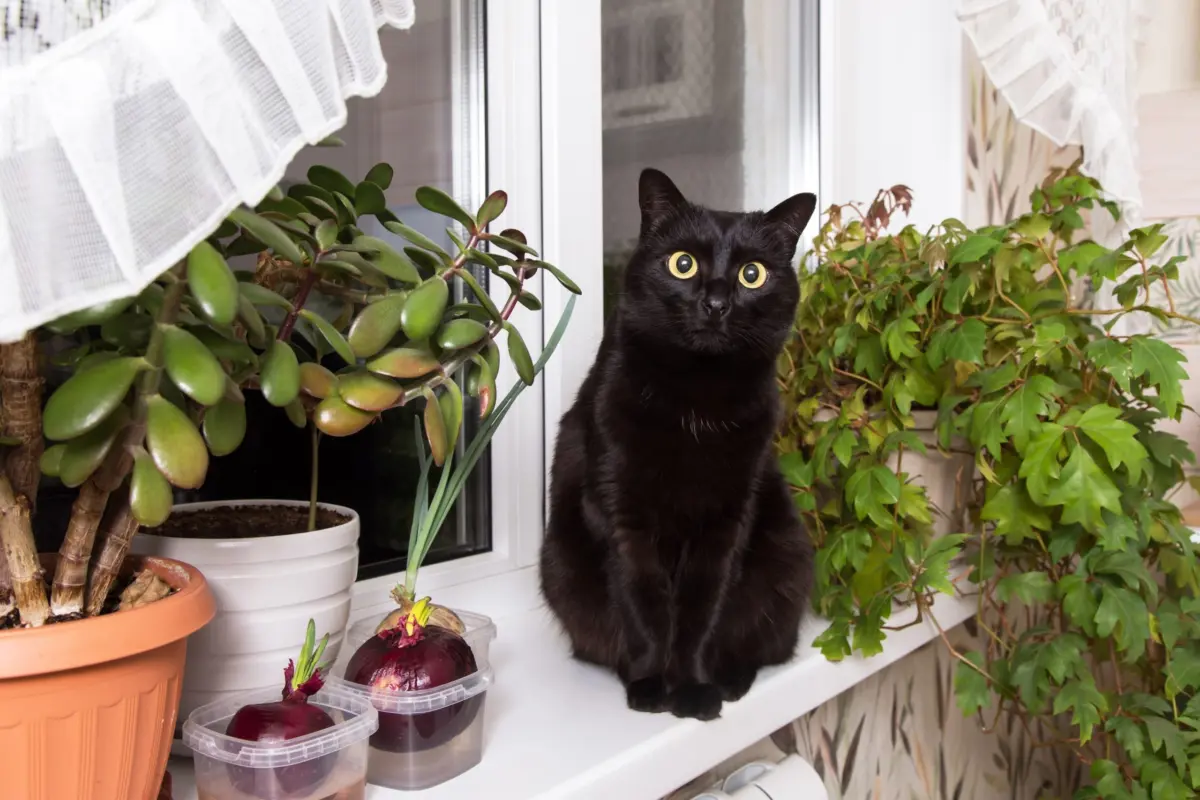
1. Bombay
Aesthetic Profile: Sleek obsidian coat, luminous copper or gold eyes; mirrors a miniature black panther.
Behavioral Typology: Highly affectionate, people-oriented, and playful; thrives on human interaction and supervision of daily tasks.
Husbandry & Care Metrics: Short, glossy coat requires minimal maintenance (weekly brushing). High social need; prone to separation anxiety if left isolated for extended periods.
2. Maine Coon
Aesthetic Profile: Large, rugged frame, tufted ears, shaggy water-repellent coat, and an impressive plume tail.
Behavioral Typology: Sociable, highly intelligent, and inquisitive; retains strong climbing instincts and a gentle, dog-like loyalty.
Husbandry & Care Metrics: Requires robust, heavy-duty vertical territory and cat trees. Long coat demands bi-weekly brushing to prevent matting and manage seasonal shedding.
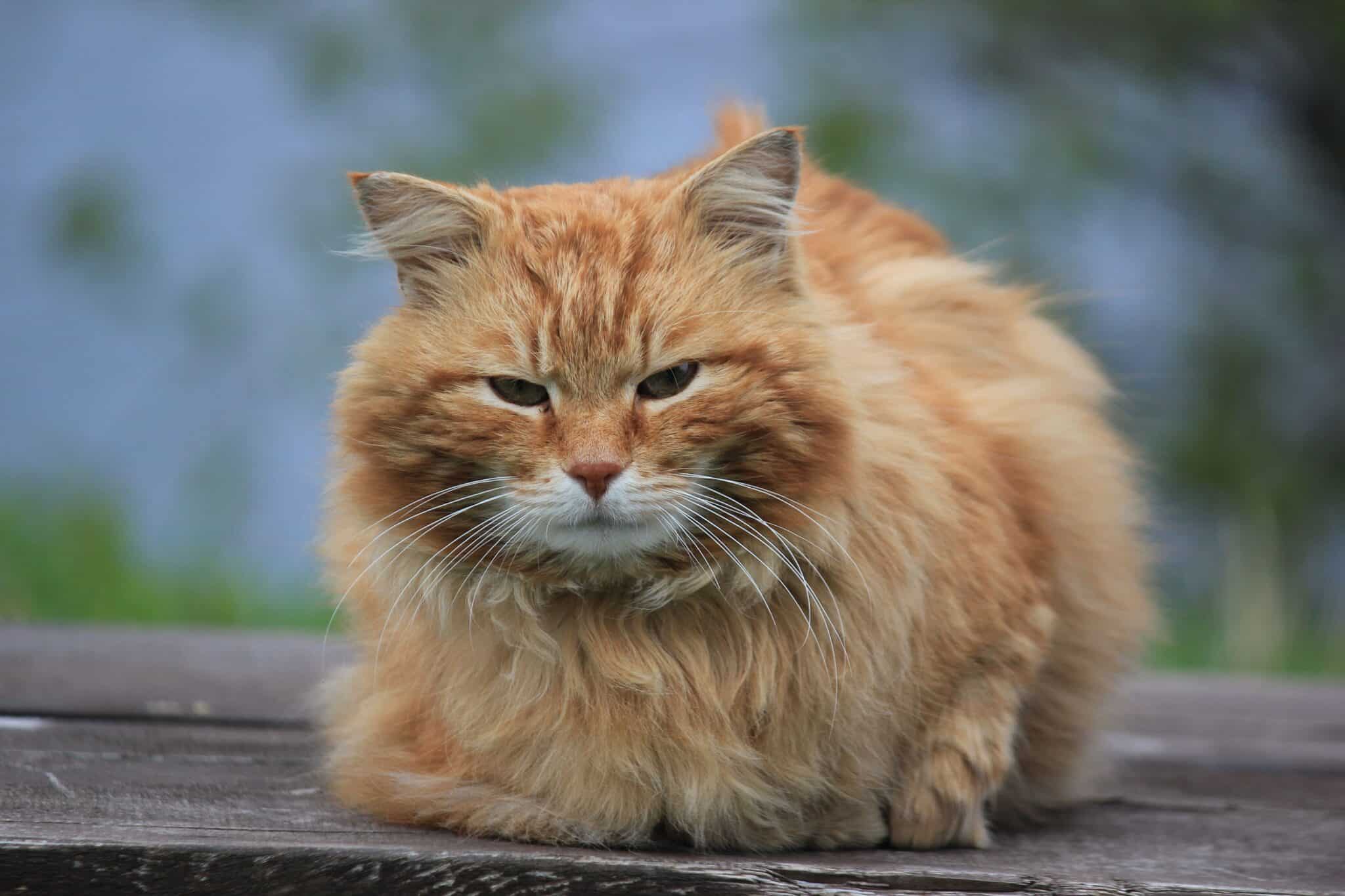
3. Norwegian Forest Cat
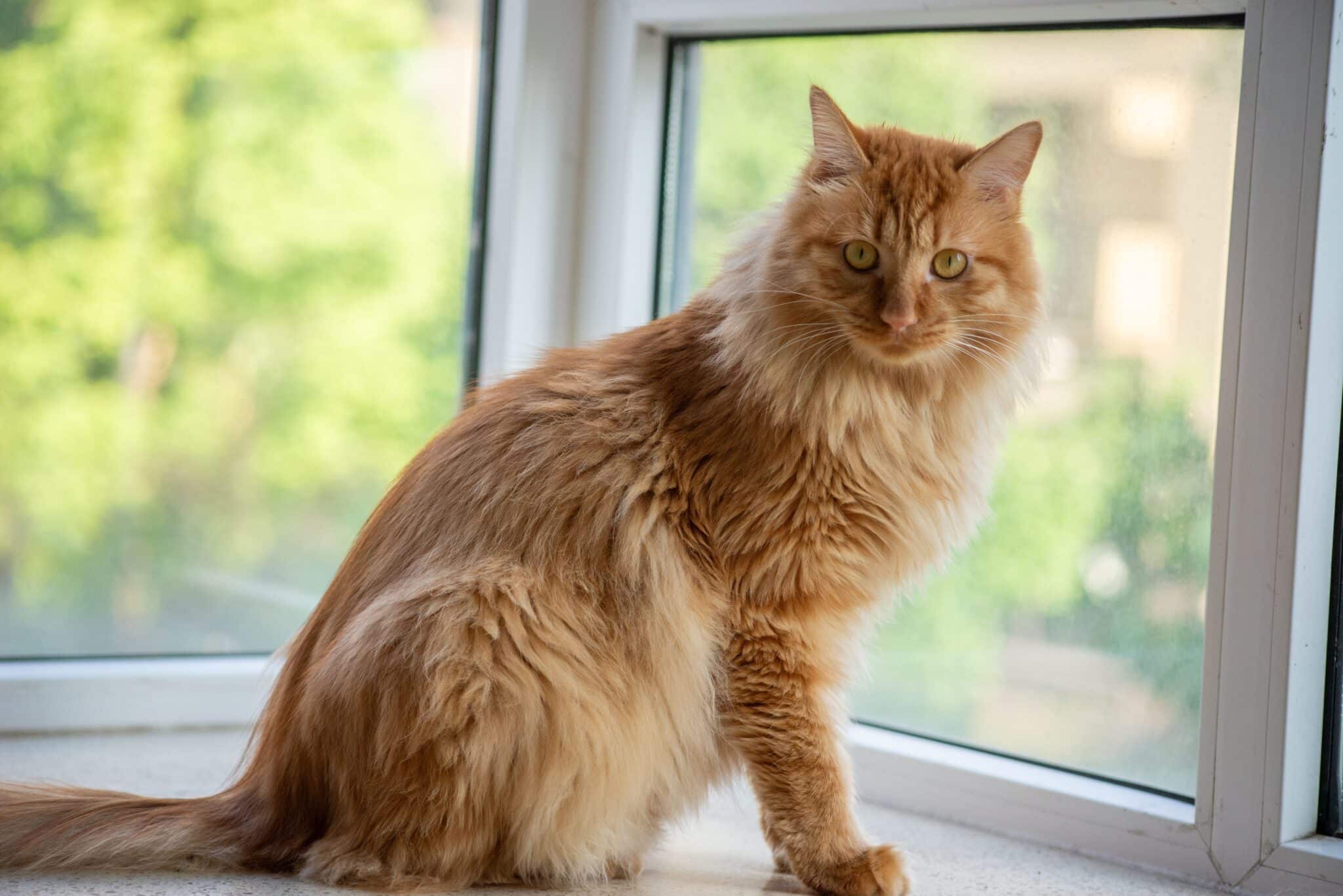
Aesthetic Profile: Thick double coat, triangular head structure, tufted ears, and a wild, forest-adapted silhouette.
Behavioral Typology: Independent yet affectionate; excellent climbers that prefer high vantage points to survey their domain.
Husbandry & Care Metrics: Dense coats require intensive grooming during seasonal "blowouts" (spring and autumn). High need for vertical space.
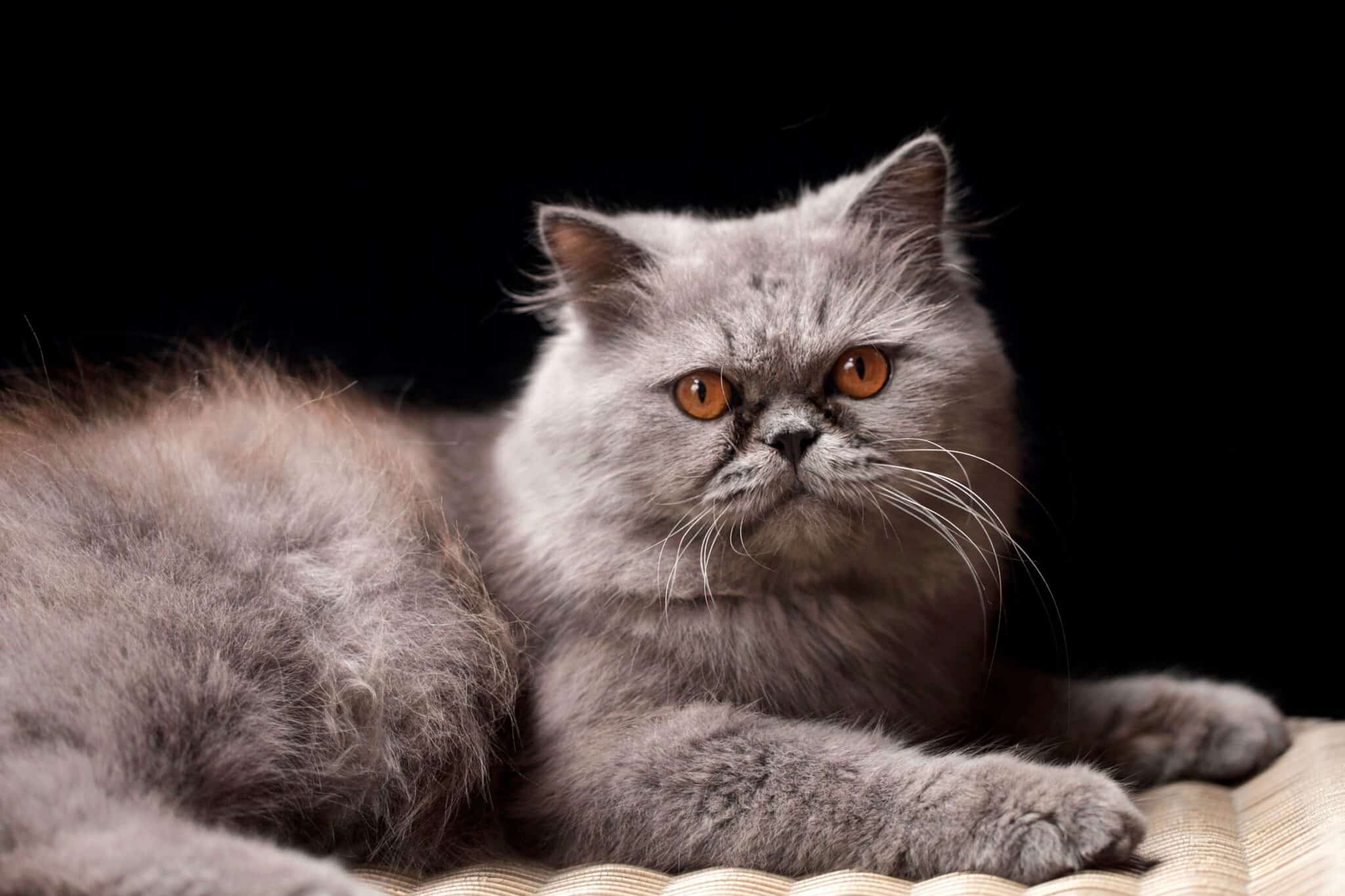
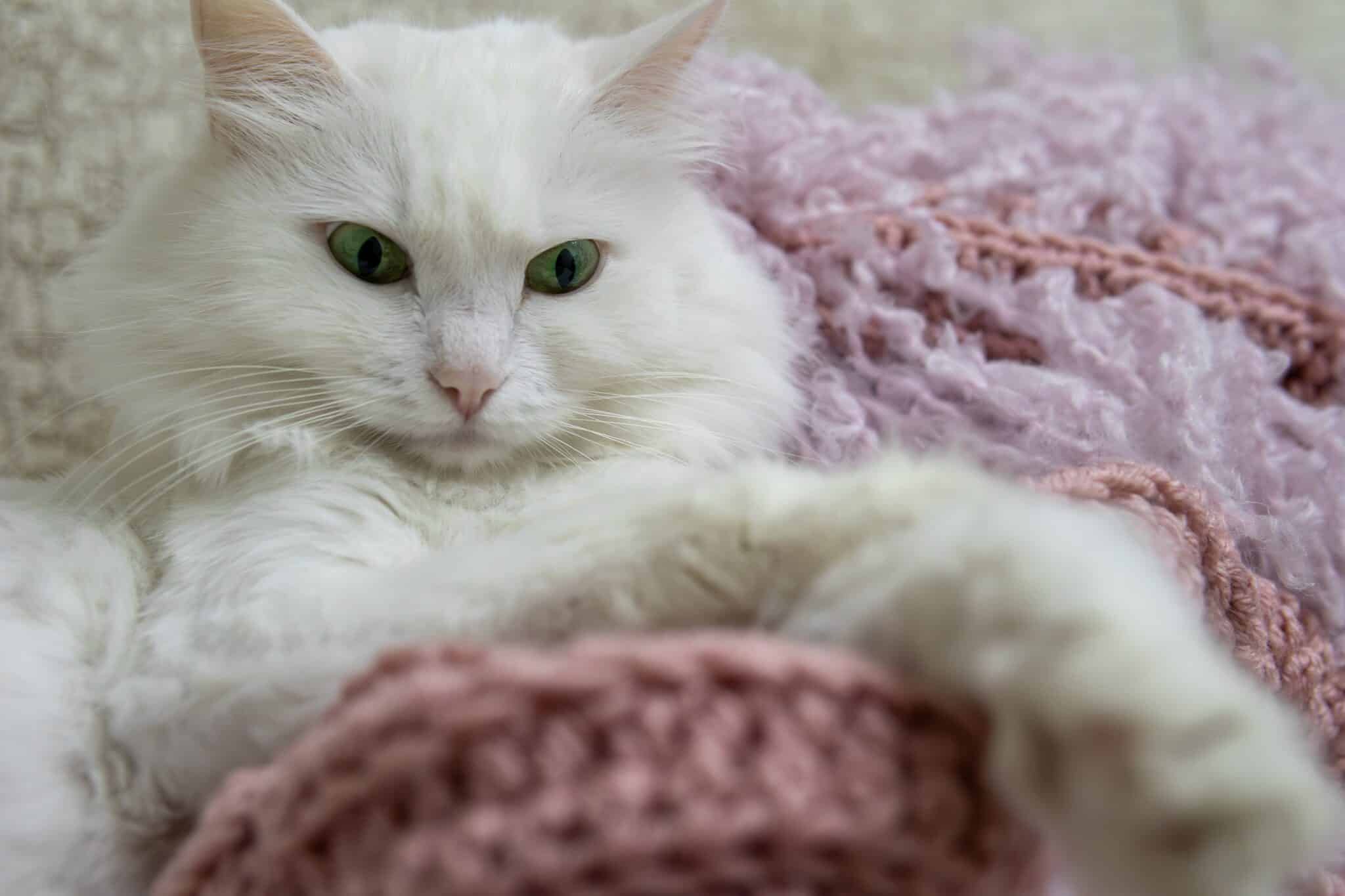
4. Persian
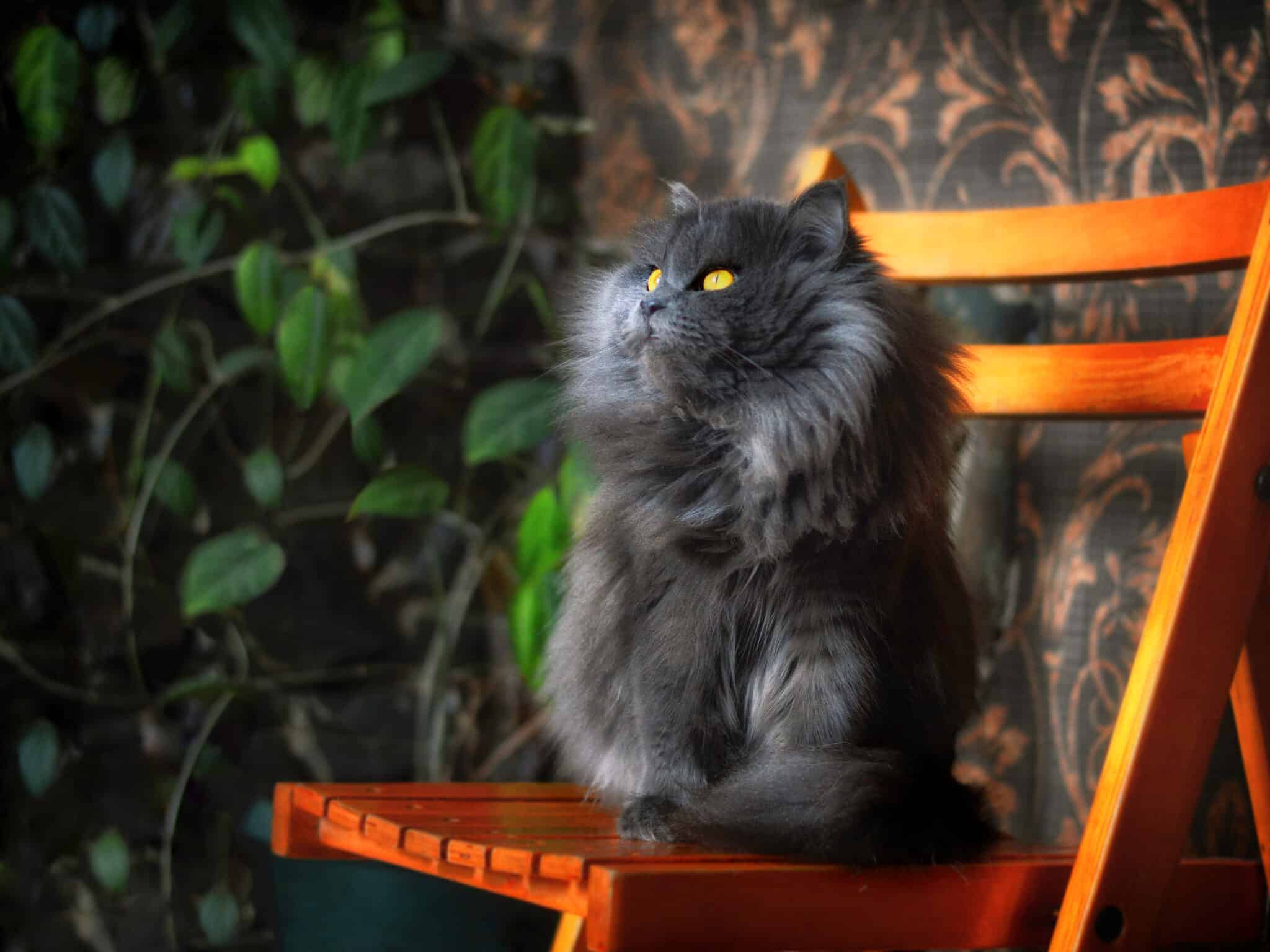
Aesthetic Profile: Brachycephalic (flat-faced) round head, full cheeks, large expressive eyes, and a profuse, luxurious long coat.
Behavioral Typology: Serene, quiet, and placid; prefers a tranquil environment with predictable routines and soft resting places.
Husbandry & Care Metrics: High-maintenance grooming; daily brushing is mandatory to prevent painful matting. Brachycephalic conformation requires vigilant monitoring for respiratory and ocular health issues.
5. Russian Blue
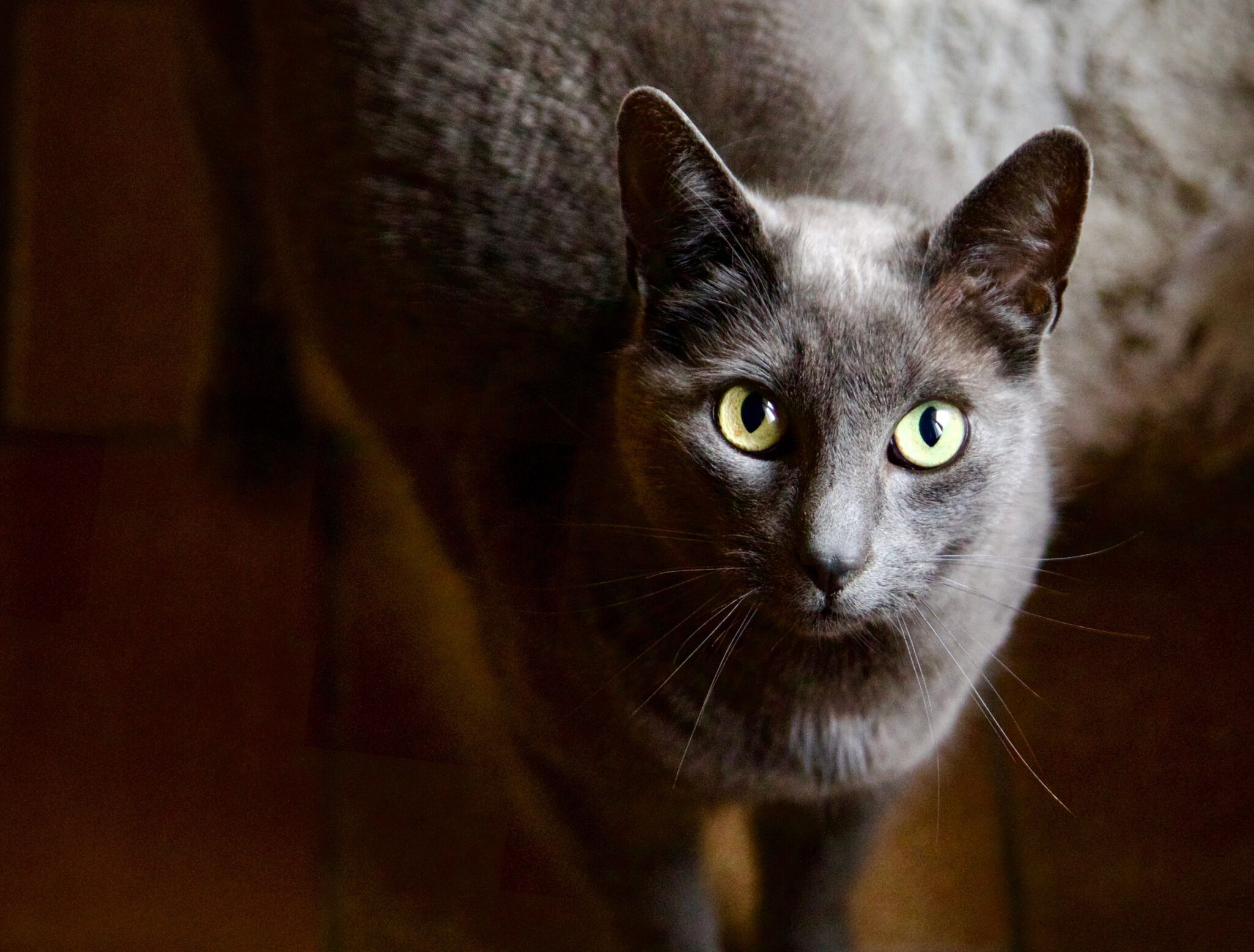
Aesthetic Profile: Dense blue-gray coat with a distinct silver tipping; striking, vivid green eyes and a refined, elegant bone structure.
Behavioral Typology: Reserved around strangers but deeply bonded with immediate family; intelligent, observant, and appreciative of routine.
Husbandry & Care Metrics: Low-maintenance coat due to the dense undercoat lying flat. Requires calm, predictable environments to prevent stress-induced withdrawal.
6. Sphynx
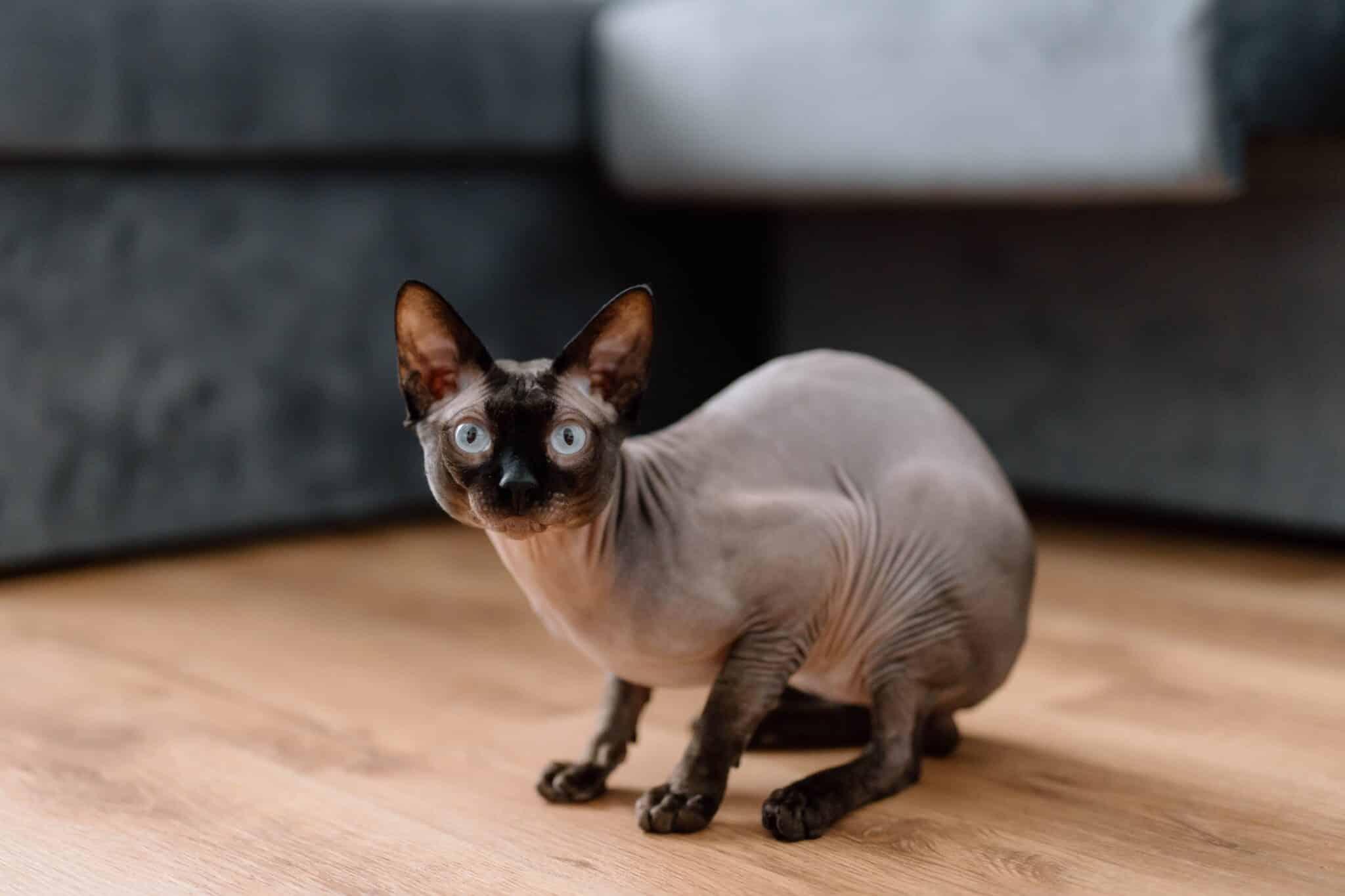
Aesthetic Profile: Nearly hairless with fine down, prominent cheekbones, oversized ears, and wrinkled, suede-like skin.
Behavioral Typology: Exceptionally social, energetic, and heat-seeking; frequently initiates physical contact to maintain body temperature.
Husbandry & Care Metrics: High-maintenance skin care; regular bathing is necessary to remove accumulated body oils. Requires protection from extreme cold and direct sunlight.
7. Turkish Angora
Aesthetic Profile: Fine-boned, lithe frame with a silky, single-layered coat, pointed ears, and an ethereal, graceful carriage.
Behavioral Typology: Highly intelligent, energetic, and interactive; enjoys puzzle toys and exploring elevated household spaces.
Husbandry & Care Metrics: Despite lacking an undercoat, the silky fur benefits from weekly brushing to distribute natural oils and prevent tangles.
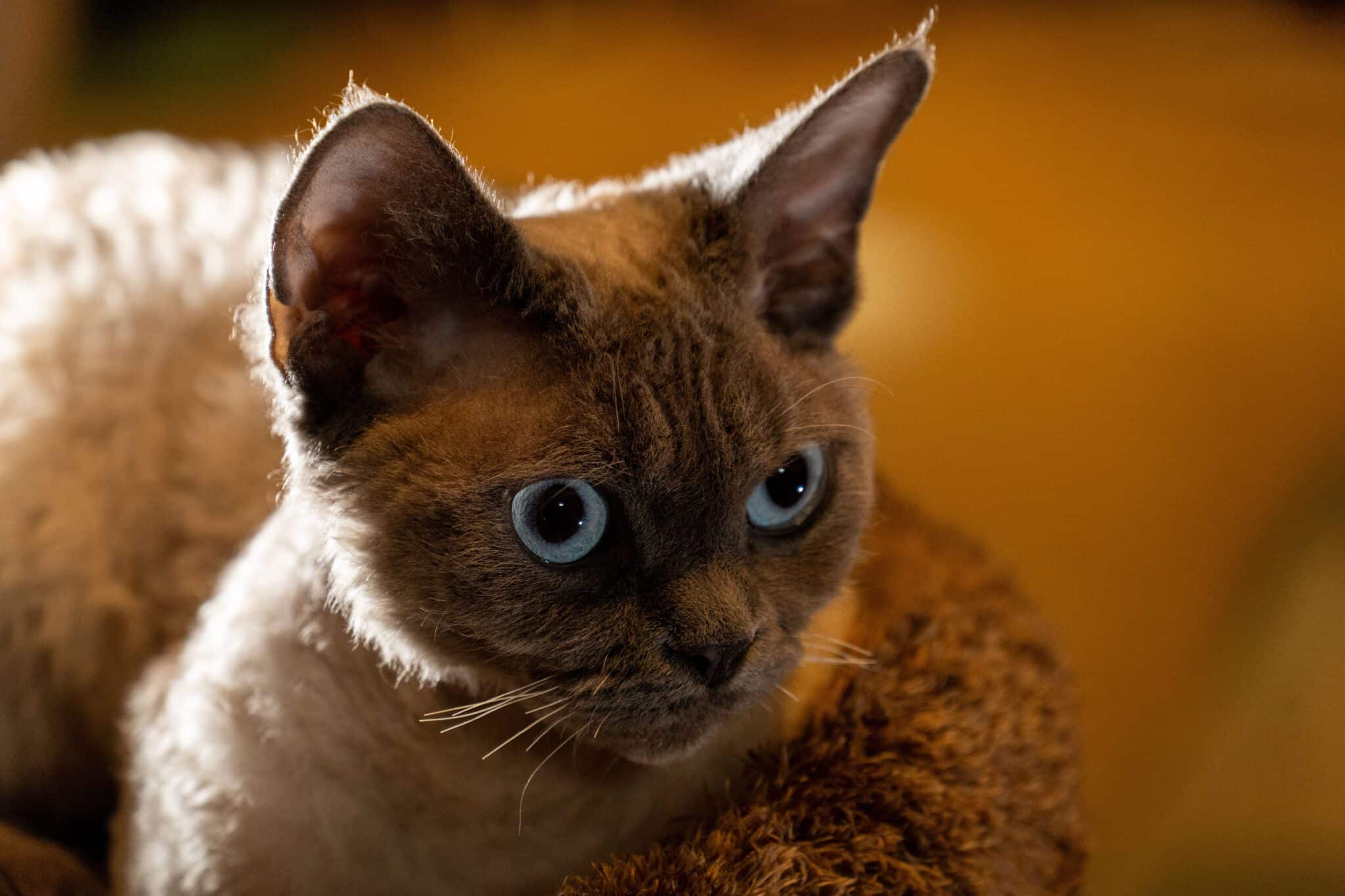
8. Devon Rex
Aesthetic Profile: Pixie-like expression, oversized "bat" ears, prominent cheekbones, and a distinctly soft, short, rippled wavy coat.
Behavioral Typology: Mischievous, highly active, and fiercely people-oriented; often described as dog-like in its social integration.
Husbandry & Care Metrics: Coat requires gentle wiping rather than vigorous brushing to avoid damaging the delicate wave. High caloric needs due to a high metabolic rate; seeks warm microclimates.
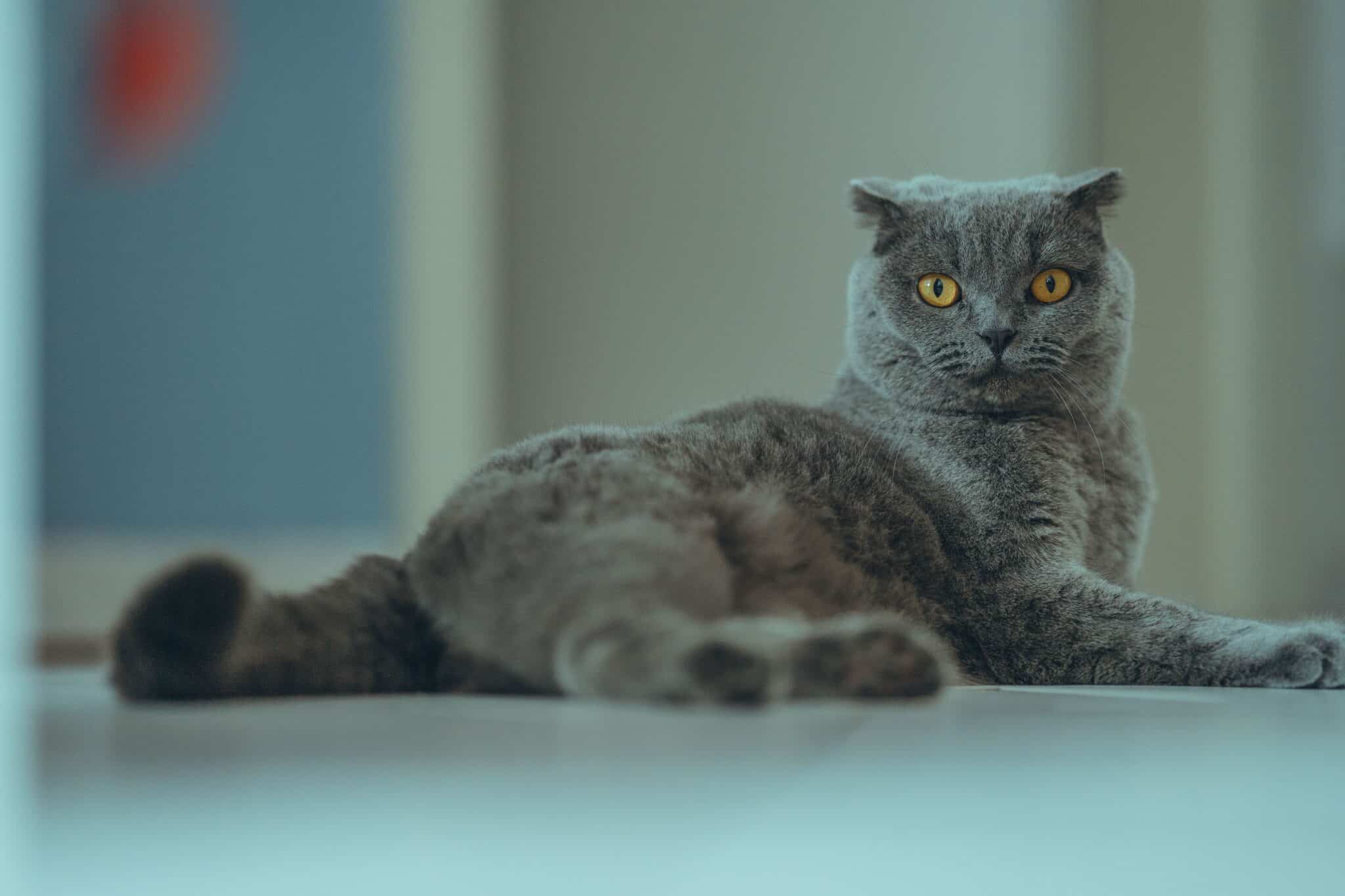
9. Scottish Fold
Aesthetic Profile: Compact build, rounded skull, large round eyes, and characteristic folded ears pointing downward and forward.
Behavioral Typology: Gentle, quiet, and adaptable; forms strong emotional attachments to human companions.
Husbandry & Care Metrics:Critical Welfare Note: The genetic mutation (osteochondrodysplasia) responsible for the folded ear cartilage universally impacts cartilage throughout the body, predisposing the animal to painful degenerative joint disease. Requires lifelong veterinary orthopedic monitoring and pain management protocols.
10. Siberian
Aesthetic Profile: Substantial, rounded body with a dense, triple-layered hypoallergenic-leaning coat and a bushy, protective tail.
Behavioral Typology: Athletic, adventurous, and agile; exhibits a strong exploratory drive paired with affectionate family bonding.
Husbandry & Care Metrics: Regular grooming required to manage heavy seasonal shedding. Demands ample mental stimulation and sturdy environmental enrichment.
11. Oriental Shorthair
Aesthetic Profile: Extravagantly large ears, tubular body, wedge-shaped head, and almond-shaped eyes; striking and modern silhouette.
Behavioral Typology: Vocal, highly demanding of attention, intensely curious, and prone to severe boredom if under-stimulated.
Husbandry & Care Metrics: Minimal coat maintenance, but requires high-level interactive engagement, environmental enrichment, and emotional investment from the owner.
Official Statements and Veterinary Perspectives
Integrating animals into specialized living environments necessitates adherence to professional veterinary and animal welfare standards. Representatives from major feline welfare organizations emphasize that aesthetic compatibility must never supersede physiological well-being.
"While the imagery of a mystical cat resting among antique furniture and dried botanicals is deeply evocative, prospective pet owners must prioritize the biological reality of the animal over interior design goals," notes Dr. Elena Vance, a prominent feline practitioner and behavioral researcher. "Breeds with specific conformational traits—such as the brachycephalic Persian, the hairless Sphynx, or the cartilage-compromised Scottish Fold—demand specialized veterinary oversight. True stewardship of an animal within a thematic home requires addressing their nutritional, dermatological, and orthopedic needs above all else."
Furthermore, animal behaviorists point out that cats placed in rustic, cluttered environments (such as those featuring dried herbs, botanical displays, and antique curiosities) face unique environmental hazards. Toxic plants—including certain lilies, eucalyptus, and common dried decorative flora—must be strictly excluded from the living space to ensure the safety of inquisitive climbers like the Maine Coon, Siberian, and Oriental Shorthair.
Future Outlook: The Intersection of Welfare and Aesthetic Ownership
As the cottagecore movement continues to influence lifestyle and home curation trends, the relationship between human living spaces and animal companionship is undergoing a profound reassessment. The future of this trend points toward a more ethical, education-driven approach to pet selection.
Prospective owners are increasingly encouraged to look past the superficial appeal of a "witch’s familiar" and invest time in understanding the genetic heritage, behavioral quirks, and long-term medical obligations of their chosen breed. Whether housing the high-energy Devon Rex or the serene, quiet Russian Blue, successful integration into an enchanted home environment relies not on magic, but on rigorous care, environmental safety, and profound respect for the animal’s individual autonomy. Ultimately, the true magic of the cottage lifestyle is found not in the aesthetic perfection of the setting, but in the harmonious, healthy coexistence between human and feline.