
Executive Overview
As veterinary medicine faces mounting challenges related to antimicrobial resistance (AMR) and pet owner compliance, non-antibiotic topical therapies have emerged as a critical field of clinical interest. Traditional dermatological, otic, and oral treatments for companion animals frequently rely on topical antibiotics, antifungals, or harsh chemical cleansers. These interventions often necessitate complex, multi-step application protocols that increase stress for handling-shy animals and reduce long-term compliance among owners.
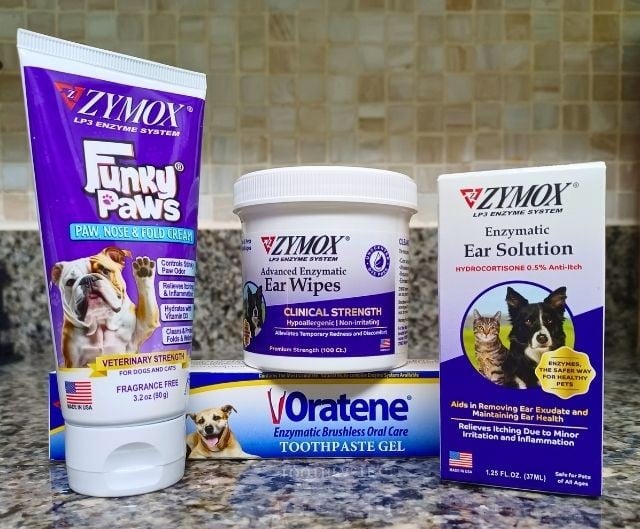
This comprehensive evaluation analyzes the practical efficacy, biological mechanisms, and usability of four primary enzyme-based formulations developed by Pet King Brands under the ZYMOX and Oratene product lines:
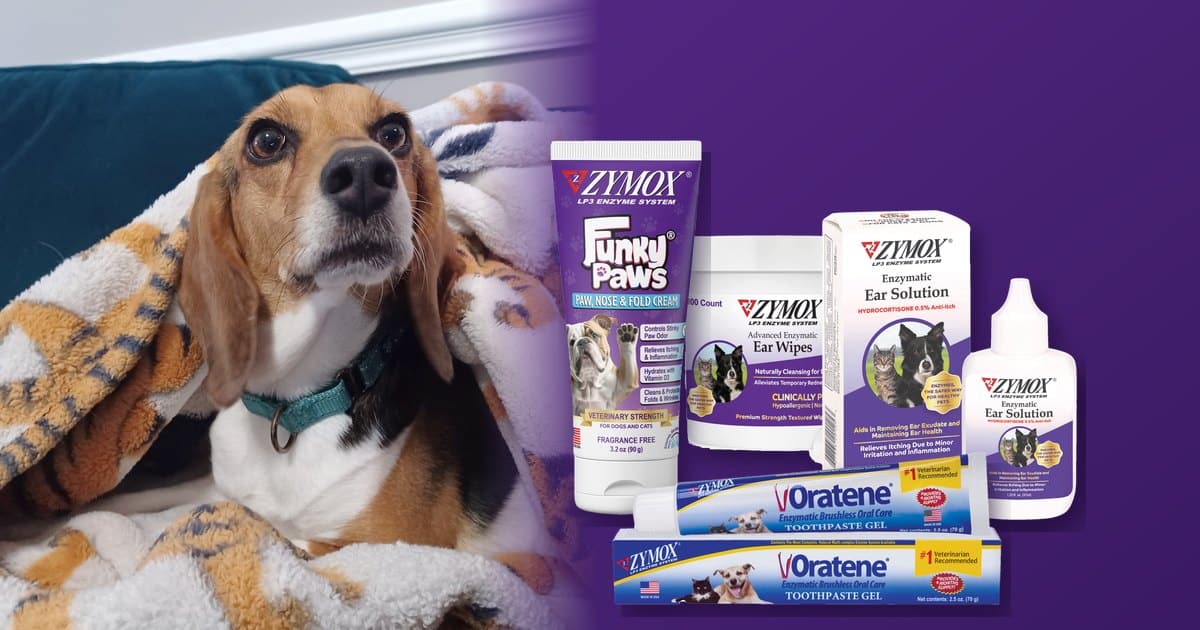
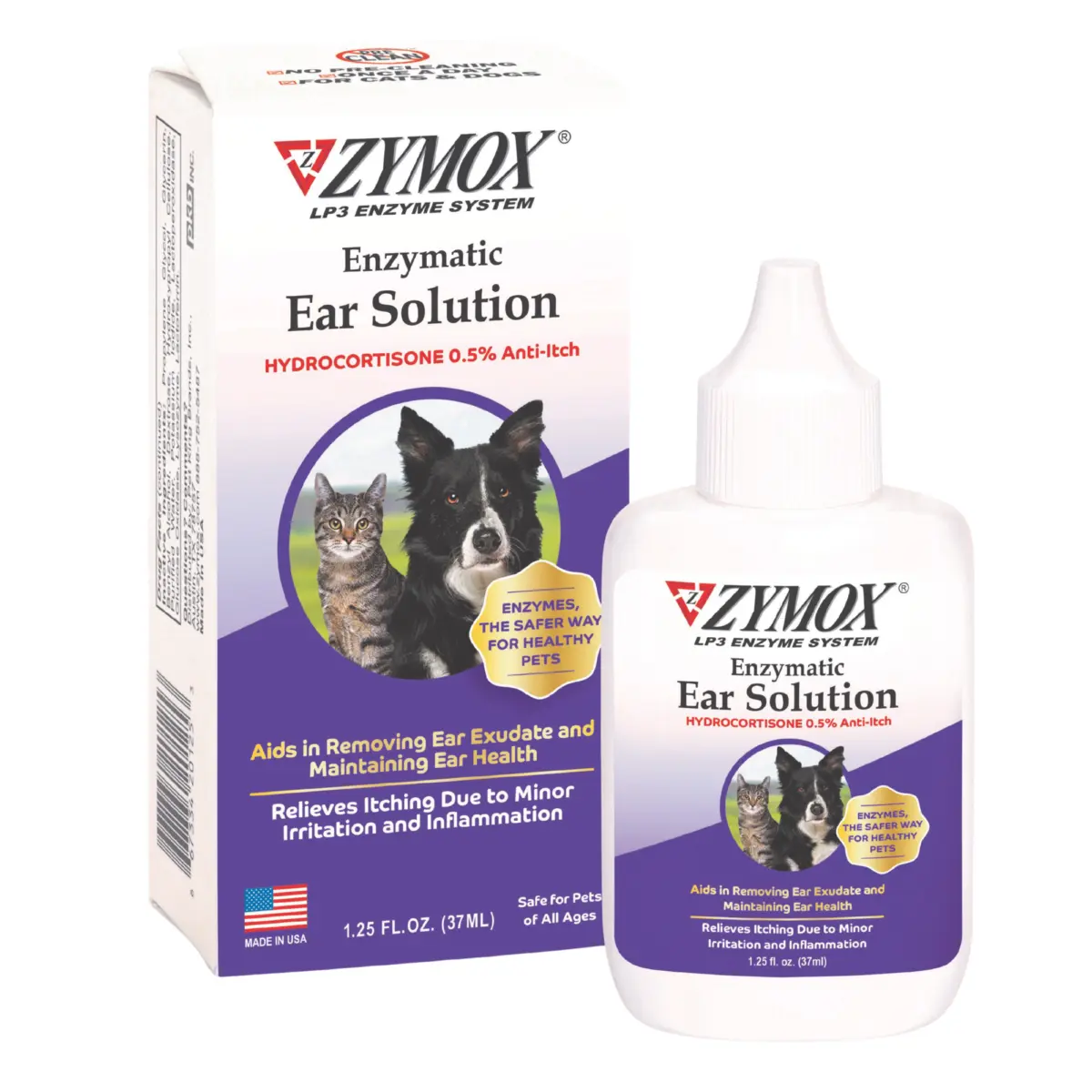
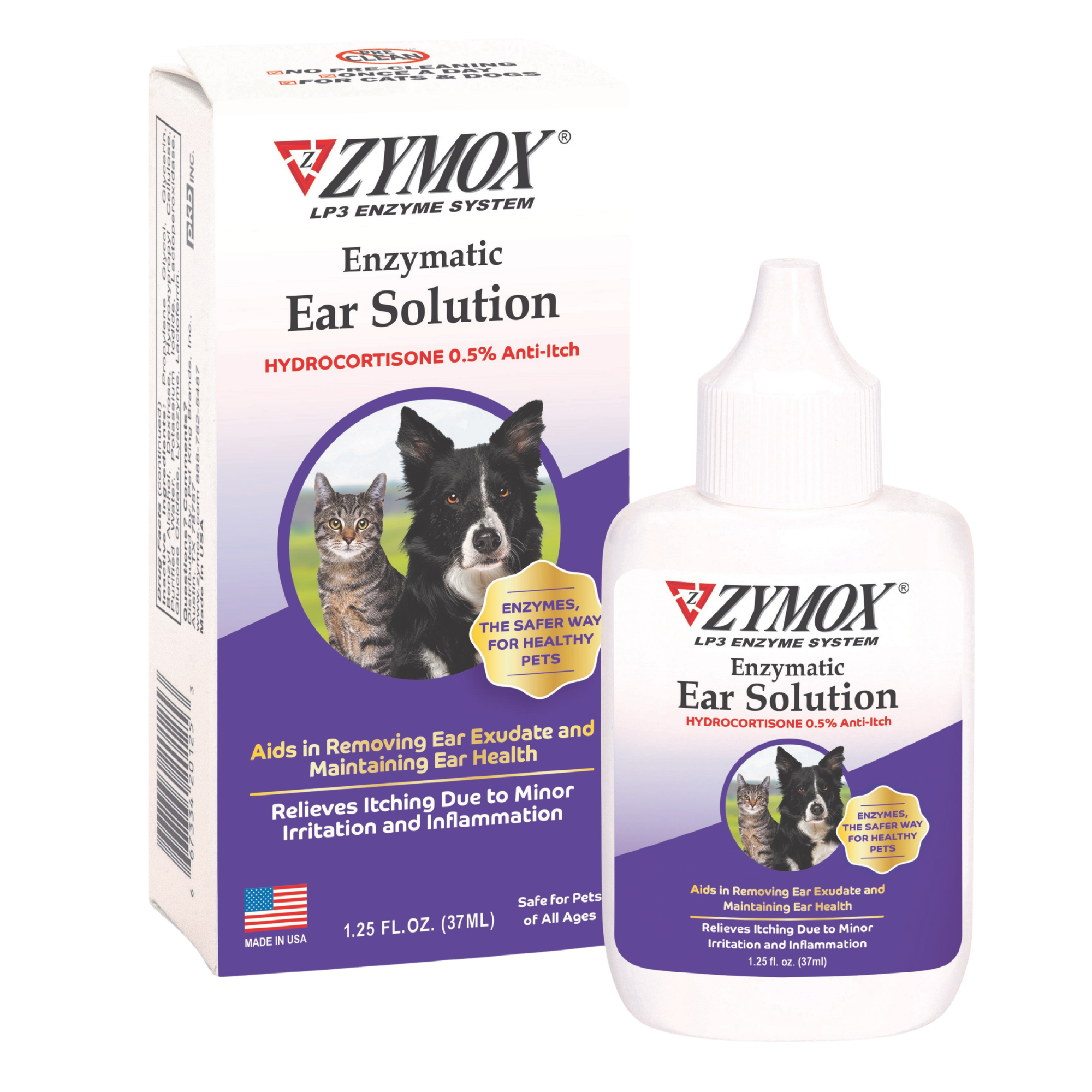
- ZYMOX Enzymatic Ear Solution with 0.5% Hydrocortisone
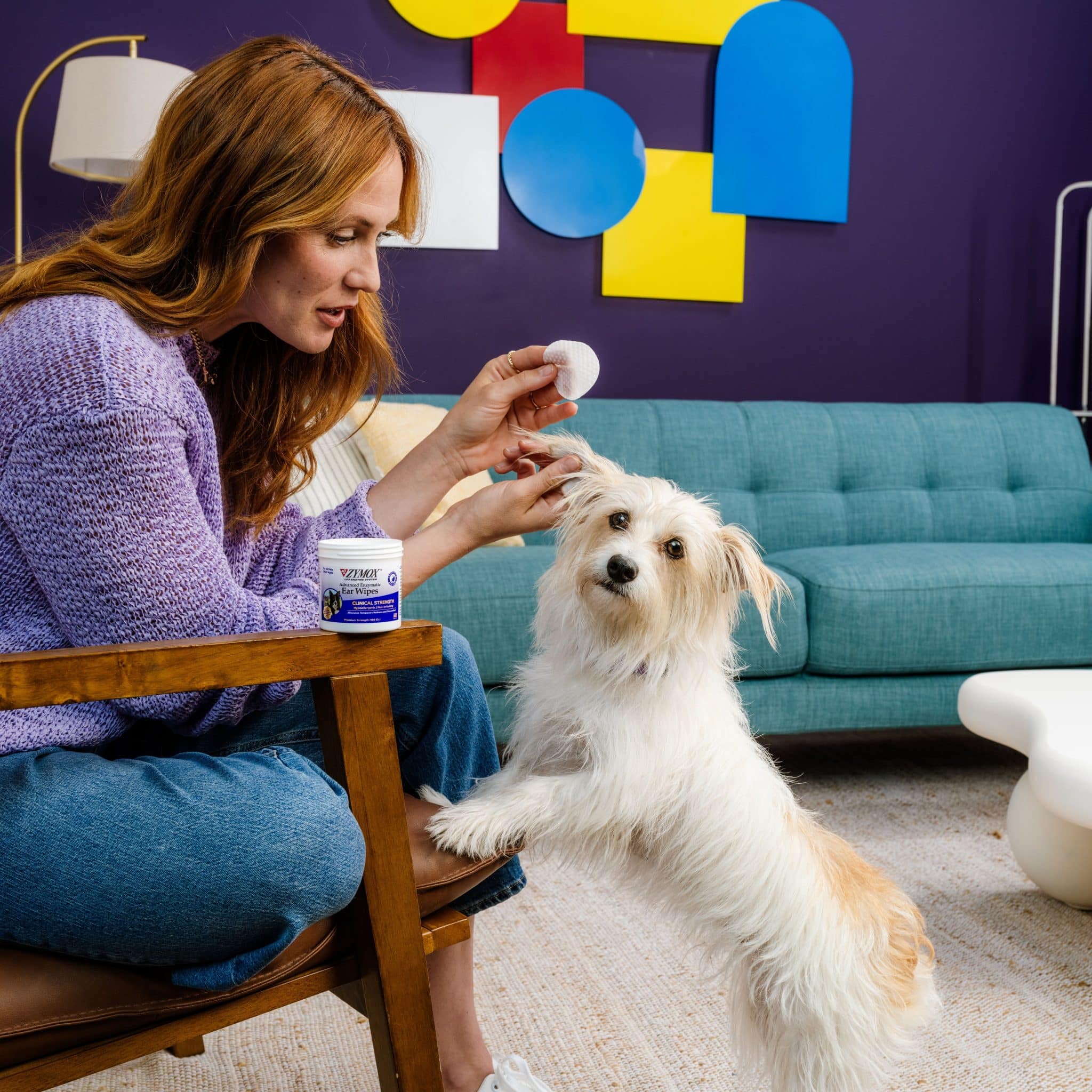
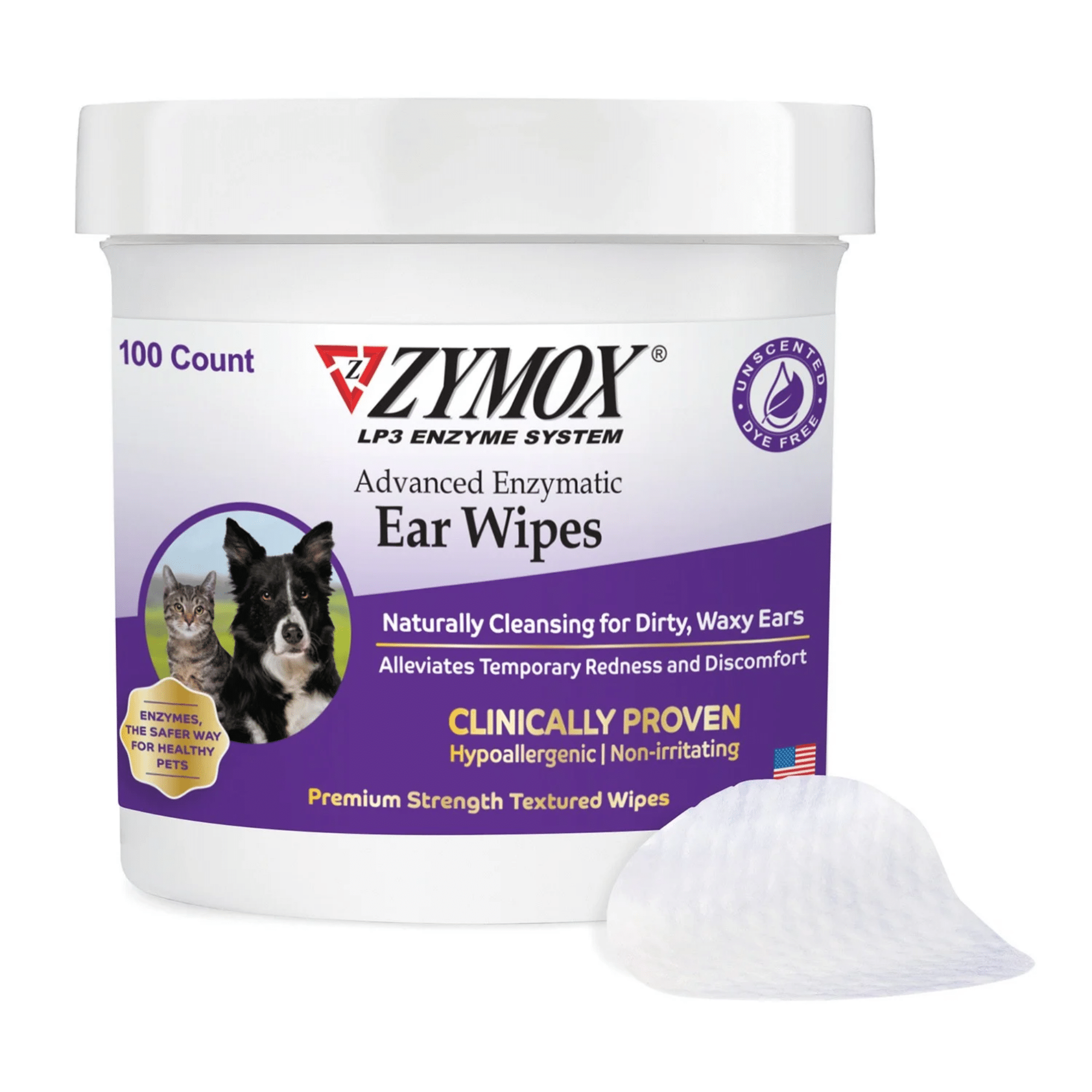
- ZYMOX Advanced Enzymatic Ear Wipes
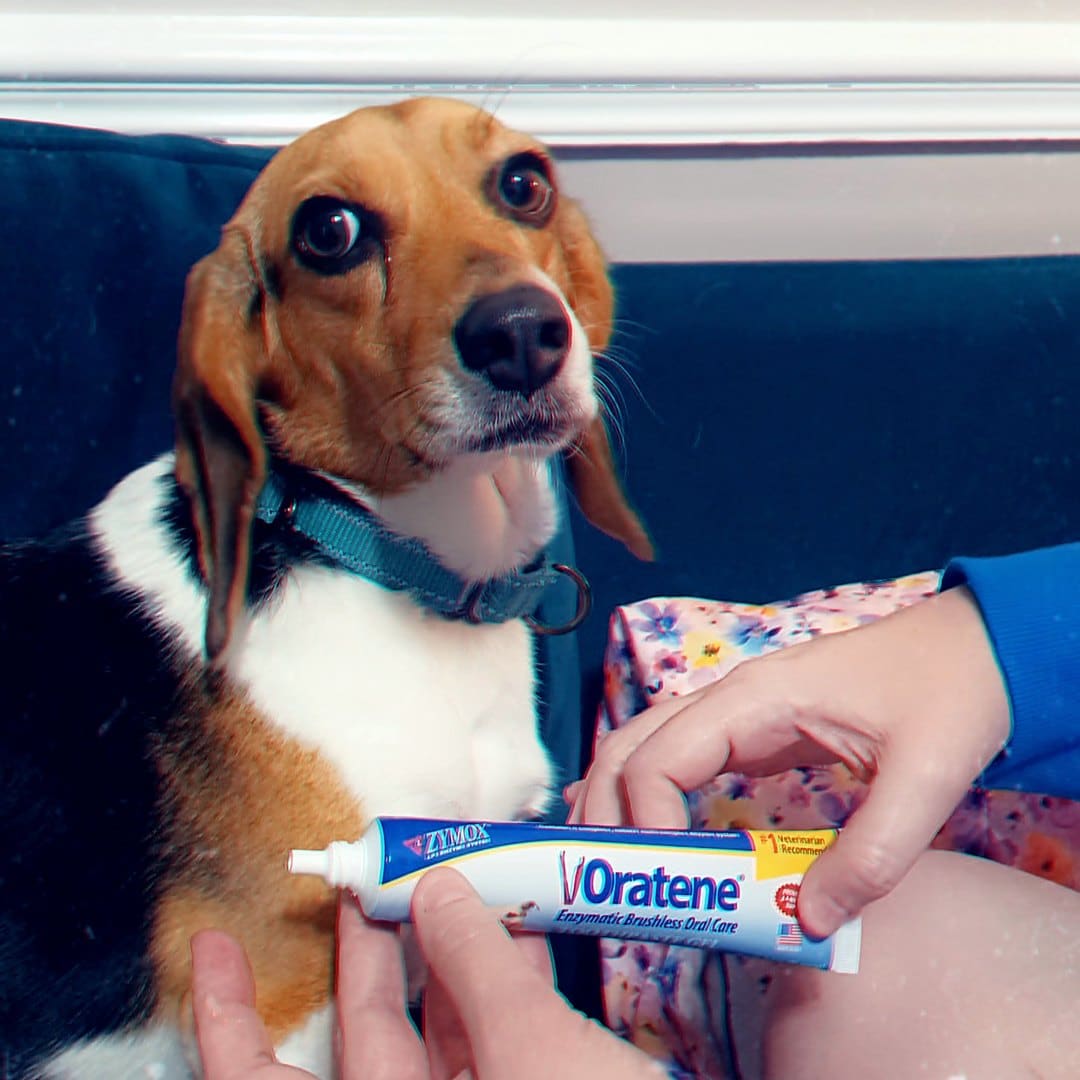
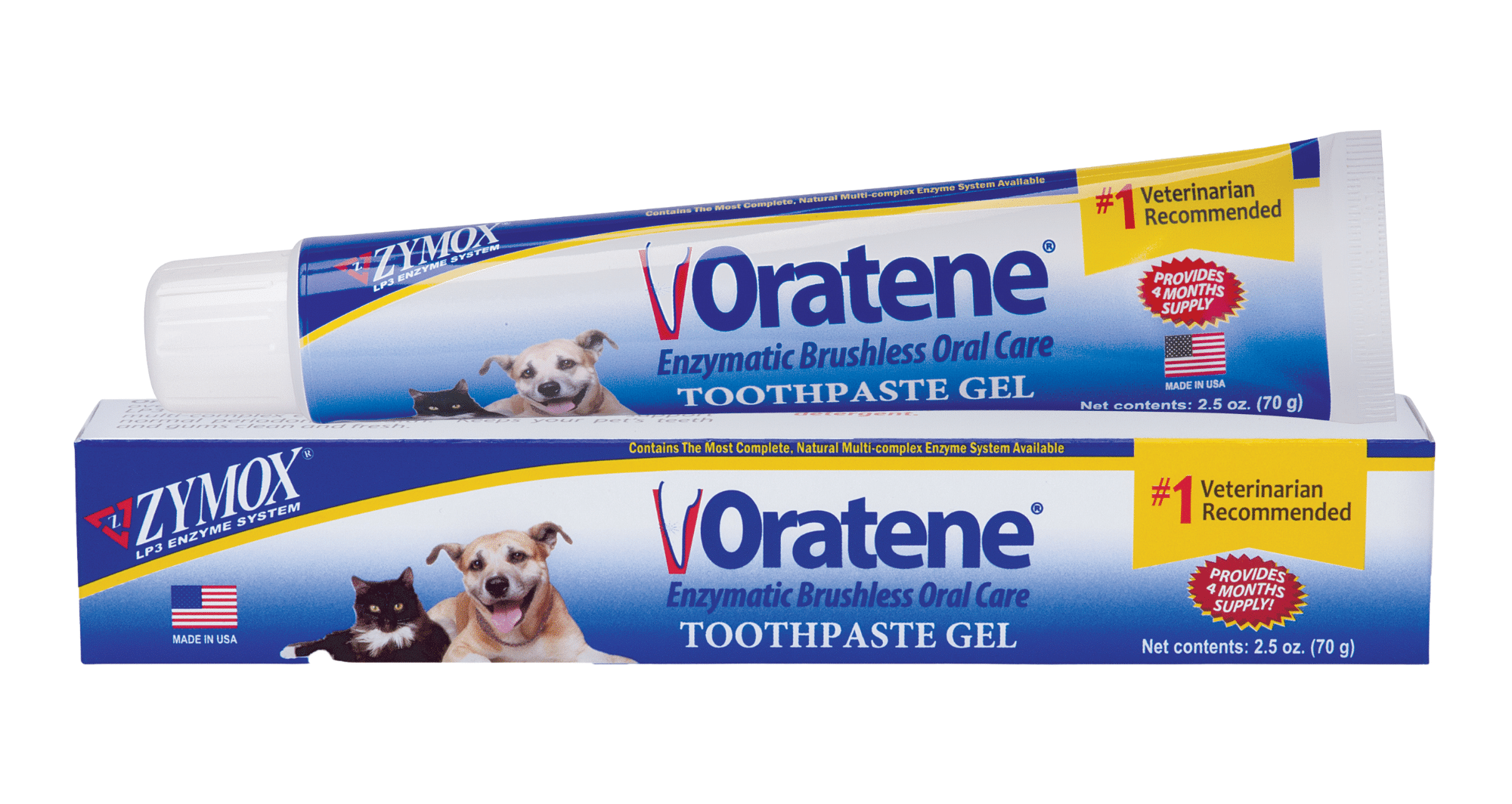
- Oratene Enzymatic Brushless Toothpaste Gel
- ZYMOX Funky Paws Paw, Nose & Fold Cream
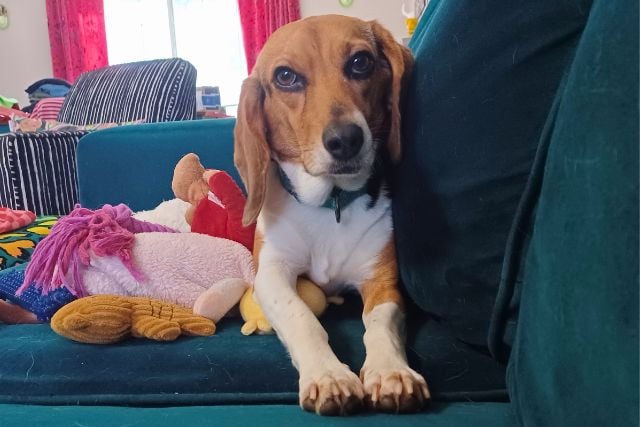
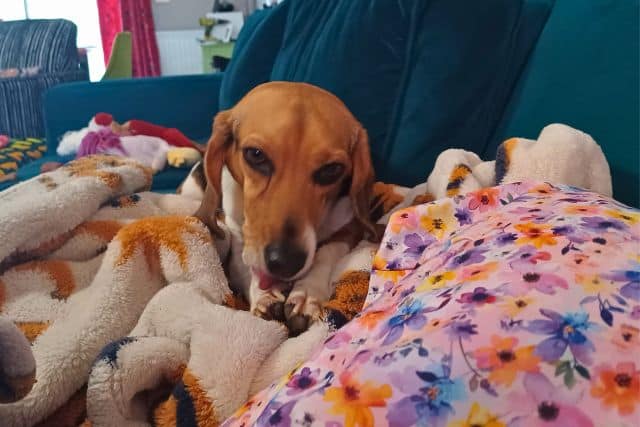
To measure real-world performance beyond laboratory parameters, a controlled seven-day trial was conducted by a certified veterinary technician with 18 years of clinical experience. The test subject was "Debbie," a 2- to 3-year-old tricolor foster Beagle exhibiting classic canine physiological challenges: pendulous ear flaps with excessive wax accumulation and yeasty odor, significant periodontal plaque accumulation stemming from a history as a stray, and persistent pedal erythema with associated hyper-licking ("Frito feet" odor).
Over the seven-day observation window, the integrated enzymatic routine yielded measurable improvements across all four target areas. The trial demonstrated significant reduction in ear canal exudate, complete neutralization of pedal odor, marked improvement in halitosis, and high stress-tolerance in a handling-resistant animal. The overall clinical performance score reached 4.9 out of 5.0, highlighting the viability of bio-enzymatic systems as effective primary care alternatives in everyday veterinary and home-care settings.
Detailed Chronology: A Seven-Day Veterinary Trial
To assess clinical progress accurately, the four test formulations were administered in a structured seven-day regimen tailored to Debbie’s physical profile and behavioral baseline.
       [Baseline: Day 1]                     [Mid-Trial: Days 3-4]                   [Final Evaluation: Day 7]
  • Waxy ear exudate & yeast odor        • Debris naturally expelled via shaking    • Clean ear canal & zero yeast odor
  • Heavy dental plaque & halitosis      • Halitosis reduced; gel well tolerated   • Breath fresh; no brushing stress
  • "Frito feet" odor & paw licking      • Paw licking markedly reduced            • Foot odor gone; dry nose restored
Baseline Diagnostic Assessment (Day 1)
A preliminary examination established Debbie’s clinical baseline:
- Otic Profile: Both ear canals exhibited dark, waxy ceruminous buildup accompanied by a mild yeasty odor. No tympanic membrane perforation or acute ulceration was noted; the presentation was consistent with typical pendulous-ear moisture retention.
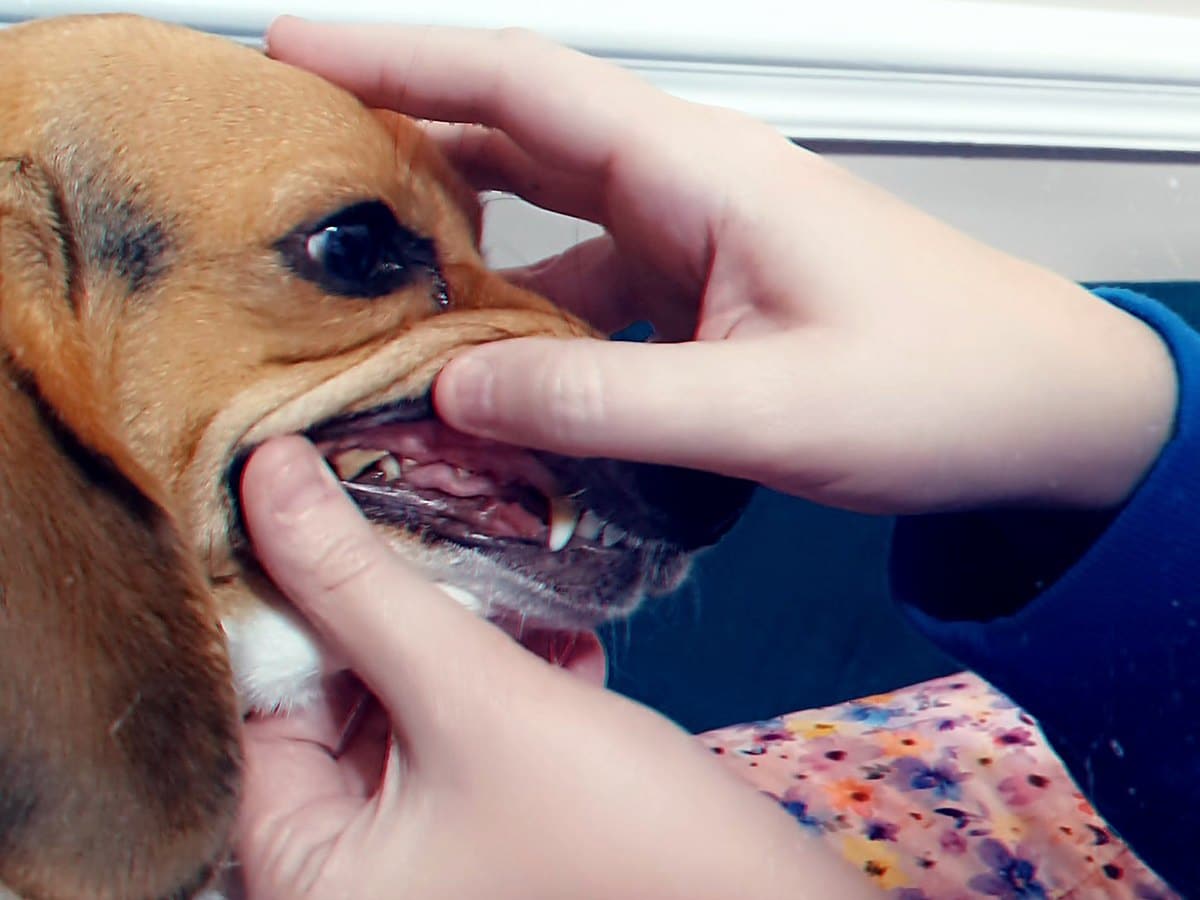
- Oral Profile: Significant supra-gingival plaque and early-stage tartar were present along the upper premolars and molars—unusually advanced for a young adult dog, indicating prior nutritional neglect. Manual brushing elicited immediate head avoidance.
- Pedal Profile: Interdigital spaces displayed moderate moisture, localized microbial odor (Pseudomonas/Proteus "corn-chip" signature), and frequent licking behavior, particularly during quiet rest periods.
Phase 1: Initiation and Immediate Dynamics (Days 1–2)
The trial began with the application of the ZYMOX Enzymatic Ear Solution (0.5% HC). In accordance with manufacturer protocol, no prior cleaning or flushing of the ear canal was performed.
- Otic Application: The solution was instilled directly into the dirty ear canal. Debbie displayed minimal discomfort during instillation. Upon massaging the base of the ear, a gentle hydraulic flushing motion broke down deep debris. Post-application head shaking expelled significant liquefied ceruminous material.
- Oral Application: A half-inch ribbon of Oratene Brushless Toothpaste Gel was applied directly to the upper gum line post-feeding. Unlike traditional poultry- or beef-flavored pastes that cause immediate licking and rapid swallowing, the unflavored gel remained on the oral mucosa, mixing directly with saliva.
- Pedal Application: Funky Paws cream was applied to the interdigital webs and paw pads while Debbie was distracted with a peanut butter lick mat. A small quantity was also applied to her dry nasal planum.
Phase 2: Mid-Trial Evaluation (Days 3–5)
By the third day, cumulative biological activity was observed across all application sites:
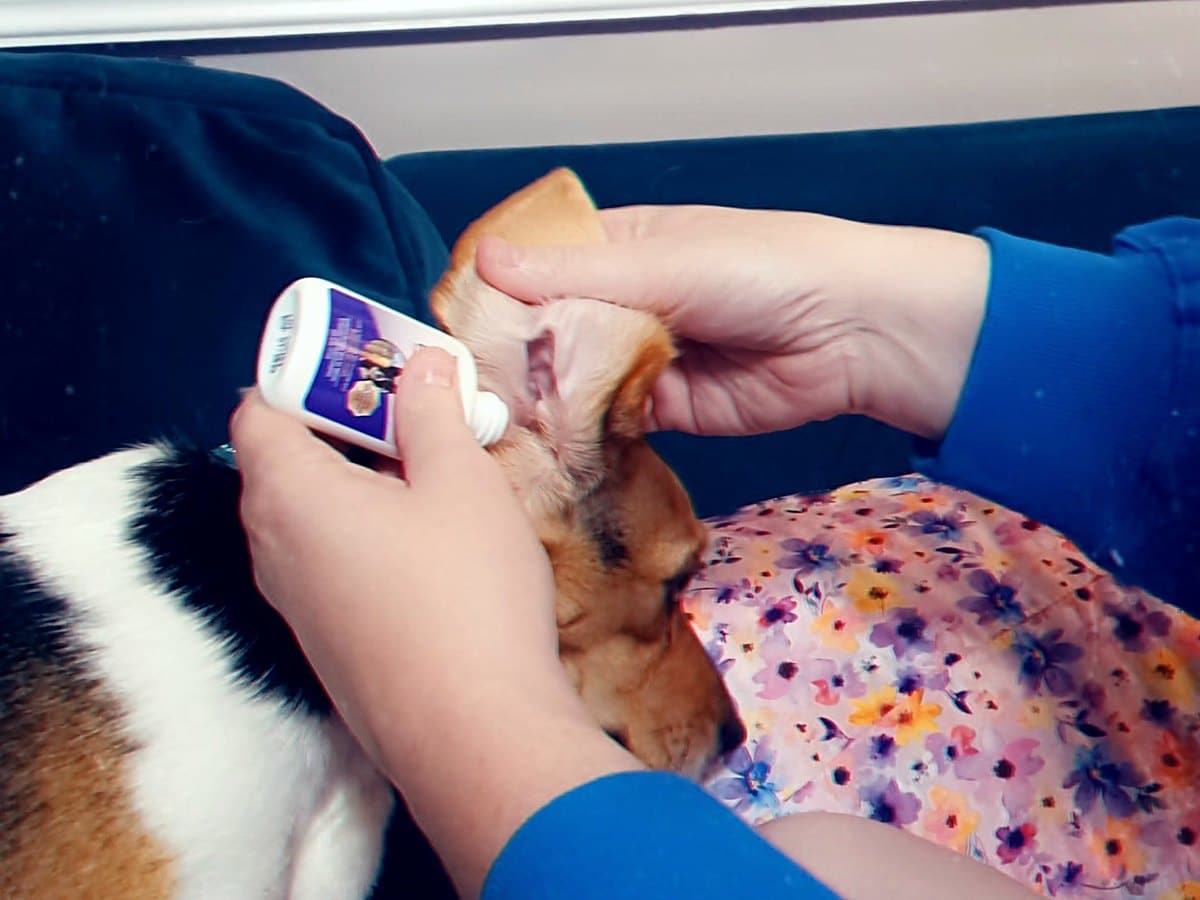
- Ears: The volume of expelled cerumen decreased substantially daily. Erythema was absent, and the characteristic yeasty odor was neutralized. Outer pinnae showed a light greasy film from the solution’s carrier base, which was managed by gently wiping the outer pinna fur with ZYMOX Advanced Enzymatic Ear Wipes (avoiding entry into the inner canal to prevent disturbing the enzymatic action).
- Mouth: Halitosis was visibly reduced. The brushless application caused no stress, allowing for seamless twice-daily maintenance after meals.
- Paws: The "Frito feet" odor completely subsided by Day 4. The reduction in localized bacterial load directly correlated with a marked decrease in obsessive paw-licking behavior, particularly at bedtime.
Phase 3: Final Clinical Assessment (Days 6–7)
At the conclusion of the seven-day trial, formal scoring was completed:
| Product | Initial Clinical Issue | Day 7 Observation | Final Rating |
|---|---|---|---|
| Enzymatic Ear Solution (0.5% HC) | Waxy accumulation, yeasty odor, mild head shaking | Debris cleared; ear canal pink and dry; odor fully neutralized | 4.5 / 5.0 |
| Advanced Enzymatic Ear Wipes | External greasy residue from solution; outdoor dirt | External ear pinnae clean; zero skin irritation; ideal routine upkeep | 5.0 / 5.0 |
| Oratene Brushless Toothpaste Gel | Severe halitosis, heavy plaque build-up | Halitosis eliminated; zero friction or handling stress during application | 5.0 / 5.0 |
| Funky Paws Paw/Nose Cream | Interdigital odor ("Frito feet"), chronic licking, dry nose | Odor completely eliminated; licking ceased; nasal leather supple | 5.0 / 5.0 |
Supporting Context & Metrics: Biological Mechanics & Clinical Data
The LP3 & MD2 Enzyme Systems Explained
The foundational mechanism behind ZYMOX formulations is the patented LP3 Enzyme System, designed to mimic biological defense cascades found naturally in mammalian milk, tears, and saliva. The system comprises three primary proteins:
                  ┌──────────────────────────────────────────────────────────┐
                  │                 LP3 ENZYME SYSTEM CASCADE                │
                  └────────────────────────────┬─────────────────────────────┘
                                               │
         ┌─────────────────────────────────────┼─────────────────────────────────────┐
         ▼                                     ▼                                     ▼
  ┌──────────────┐                      ┌──────────────┐                      ┌──────────────┐
  │ Lactoferrin  │                      │   Lysozyme   │                      │Lactoperoxidase│
  └──────┬───────┘                      └──────┬───────┘                      └──────┬───────┘
         │                                     │                                     │
  Binds iron essential                 Cleaves peptidoglycan                 Generates antimicrobial
  for bacterial growth                 walls of Gram-positive                hypothiocyanite ions via
microorganisms glucose oxidation cascade- Lactoperoxidase: An enzymatic catalyst that reacts with natural glucose and oxygen present in organic debris to produce trace amounts of hydrogen peroxide. Lactoperoxidase subsequently oxidizes thiocyanate ions into hypothiocyanite ions, which disrupt microbial cell walls and metabolic pathways.
- Lysozyme: An enzyme that hydrolyzes the $beta(1rightarrow 4)$ glycosidic bonds between N-acetylmuramic acid and N-acetylglucosamine in the peptidoglycan wall of Gram-positive bacteria, causing osmotic lysis.
- Lactoferrin: An iron-binding glycoprotein that sequesters free ferric ($Fe^3+$) ions essential for bacterial and fungal growth, effectively starving opportunistic pathogens.
For oral applications, Oratene supplements the LP3 system with the MD2 System, utilizing Mutanase and Dextranase. These enzymes target mutans and dextrans—complex glucan polymers that form the structural backbone of plaque matrices—thereby inhibiting bacterial adhesion without relying on mechanical abrasion.
Comparative Analysis of Otic Therapies
To understand the position of bio-enzymatic care within the broader veterinary pharmacopeia, the following matrix compares over-the-counter and prescription options:
                            OTIC THERAPY COMPARATIVE SPECTRUM

  [ Preventive / Maintenance ]      [ Mild-to-Moderate Care ]       [ Severe / Diagnostic ]
  ┌──────────────────────────┐      ┌───────────────────────┐      ┌──────────────────────┐
  │    Epi-Otic Advanced     │  ──► │ ZYMOX Ear Solution    │  ──► │ Otomax / Mometamax   │
  │  (Chemical Cleanser)     │      │ (LP3 Bio-Enzymatic)   │      │ (Rx Antibiotic/Steroid)│
  └──────────────────────────┘      └───────────────────────┘      └──────────────────────┘
   • Requires pre-cleaning           • No pre-cleaning needed       • Vet diagnosis required
• No antimicrobial action • Antibiotic-free action • Ototoxicity risks| Product | Classification | Active Components | Key Advantages | Primary Limitations |
|---|---|---|---|---|
| ZYMOX Ear Solution (0.5% HC) | Over-the-Counter Bio-Enzymatic | LP3 System, 0.5% Hydrocortisone | No pre-cleaning required; zero risk of antibiotic resistance; once-daily dosing | Not indicated for perforated eardrum; slight greasy external residue |
| Otomax Ointment | Prescription Antimicrobial | Gentamicin, Betamethasone, Clotrimazole | Rapid action against acute, diagnosed bacterial/fungal infections | Requires veterinary prescription; potential ototoxicity if tympanum is ruptured |
| Mometamax Suspension | Prescription Antimicrobial | Gentamicin, Mometasone, Clotrimazole | Potent anti-inflammatory action; once-daily administration | Risk of microbial resistance with repeated use; requires professional diagnosis |
| Epi-Otic Advanced | Over-the-Counter Cleanser | Salicylic Acid, PCMX | Cleans and dries the ear canal; suitable for routine maintenance | Non-therapeutic; lacks targeted bio-enzymatic destruction of established biofilm |
Clinical Trial Evidence
The empirical foundation of ZYMOX’s otic line is supported by published peer-reviewed research. A pivotal study published in the Polish Journal of Veterinary Sciences evaluated the clinical efficacy of an advanced LP3 enzyme formulation in canines presenting with severe, chronic otitis externa.
- Methodology: Eight dogs with confirmed chronic otitis externa were treated exclusively with an LP3-containing otic formulation over a 14-to-28-day timeline.
- Key Findings:
- Clinical inflammatory scores fell by an average of 88.2%.
- 87.5% (7 out of 8) of subjects demonstrated significant reductions in microbial counts (both bacterial and fungal yeast cultures).
- Clinical Takeaway: Although conducted on a modest cohort, the study confirms that natural enzyme systems can resolve recalcitrant otic inflammation without systemic or topical antibiotics.
Microbiological Root Causes of Pedal Odor ("Frito Feet")
Canine interdigital spaces represent a microclimate characterized by high humidity, residual sweat from merocrine glands, and restricted airflow. This environment facilitates the proliferation of opportunistic cutaneous flora, predominantly species of Pseudomonas and Proteus.
  [ High Moisture + Sweat ] + [ Interdigital Trapped Air ]
                             │
                             ▼
  [ Rapid Proliferation of Pseudomonas & Proteus Bacteria ]
                             │
                             ▼
  [ Volatile Short-Chain Fatty Acid Byproducts Produced ]
                             │
                             ▼
  [ Characteristic Corn-Chip Odor ("Frito Feet") ]
These micro-organisms metabolize cutaneous lipids, generating volatile organic compounds—primarily short-chain fatty acids—that produce the distinctive corn-chip aroma. Left unaddressed, this overgrowth triggers pruritus, leading to self-trauma through chronic licking. ZYMOX Funky Paws targets this pathway directly by deploying the LP3 cascade to disrupt cell membranes while applying oat extracts and D3 derivatives to soothe skin barrier micro-fissures.
Official Statements & Expert Insights
Veterinary Technician Perspective
Reflecting on the challenges of small animal dermatology and compliance, the examining veterinary technician emphasized the behavioral benefits of simplified treatment routines:
"In clinical practice, treatment failure is rarely caused by product underperformance alone; it is overwhelmingly caused by client non-compliance stemming from handling stress. When an owner is instructed to flush, clean, dry, and medicate a sore, inflamed ear twice daily, the animal quickly develops aversion behaviors. By eliminating the initial flushing step, the ZYMOX Ear Solution reduces handling encounters to a single, stress-free touchpoint per day. For foster animals or nervous rescues like Debbie, that distinction is the difference between completing a full treatment course or abandoning it midway."
Manufacturer History and Development Principles
Pet King Brands, Inc., headquartered in Austin, Texas, was founded over 25 years ago by Pamela K. Bosco. The initial formulation was developed to address chronic, treatment-resistant otitis in Bosco’s German Shepherd, Elizabeth, who experienced recurrent infections despite antibiotic interventions.
Today, the company manufactures its full product line within the United States under strict quality controls, prioritizing multi-species safety (formulations are universally suitable for dogs, cats, puppies, and kittens) and sustainable, non-antibiotic ingredients.
Safety Protocols & Contraindications
While over-the-counter bio-enzymatic therapies offer high safety profiles, veterinary protocol requires adherence to clear clinical parameters:
                             SAFETY & TRIAGE MATRIX

   [ Proceed with OTC ZYMOX Care ]             [ IMMEDIATE VETERINARY REFERRAL ]
   ───────────────────────────────             ─────────────────────────────────
   ✓ Mild-to-moderate ceruminous buildup       ✗ Suspected or known eardrum rupture
   ✓ Transient pedal or fold odor              ✗ Presence of head tilt or ataxia
   ✓ Mild halitosis or plaque accumulation     ✗ Purulent discharge or active hematoma
✓ Intact, non-ulcerous cutaneous surfaces ✗ Pregnant or nursing animal (if HC present)- Tympanic Membrane Integrity: ZYMOX Ear Solution must never be administered if a tympanic membrane rupture is suspected. Clinical signs such as head tilting, nystagmus, ataxia, or severe acute pain warrant an immediate otoscopic exam by a licensed veterinarian.
- Hydrocortisone Tiers and Gestation Restrictions:
- 0.5% Hydrocortisone: Indicated for mild itching and minor inflammatory response; safe for young animals.
- 1.0% Hydrocortisone: Formulated for severe erythema and intense pruritus.
- Hydrocortisone-Free: Mandatory for pregnant or nursing females, animals with known steroid sensitivities, or cases where tissue regeneration is the primary goal without anti-inflammatory suppression.
- Pesticide / Parasitic Limitations: LP3 formulations possess no insecticidal or acaricidal properties. Infections secondary to ear mites (Otodectes cynotis) require targeted antiparasitic therapy confirmed via microscopic debris examination.
Future Outlook: The Shift Toward Microbiome-Preserving Pet Healthcare
The veterinary industry is undergoing a structural paradigm shift toward microbiome preservation and antimicrobial stewardship. The historical practice of prescribing broad-spectrum topical antibiotics for routine inflammatory conditions has contributed to resistant strains of Staphylococcus pseudintermedius and Pseudomonas aeruginosa.
As awareness of antimicrobial resistance increases, bio-enzymatic systems like ZYMOX represent an important evolution in veterinary care:
  TRADITIONAL MODEL                           MODERN ENZYMATIC MODEL
  ┌───────────────────────────────┐           ┌───────────────────────────────┐
  │ Broad-Spectrum Antibiotics    │           │ Targeted LP3 Bio-Enzymatic    │
  │ • Risk of resistant strains   │  ──────►  │ • Preserves native skin flora │
  │ • Disrupts local microbiome   │           │ • Zero risk of resistance     │
  │ • High handling friction      │           │ • Minimal stress, high compliance│
  └───────────────────────────────┘           └───────────────────────────────┘
Looking forward, non-antibiotic topical therapies offer clear clinical benefits:
- Preservation of the Cutaneous Barrier: By utilizing endogenous proteins (Lactoferrin, Lysozyme, Lactoperoxidase), enzymatic treatments target pathogenic organisms while preserving healthy commensal microflora.
- Reduction of Handling-Induced Trauma: Formulations that require no pre-cleaning or mechanical brushing decrease physical friction and emotional stress for companion animals, strengthening the human-animal bond.
- Accessibility in Rescue Medicine: High-efficacy, over-the-counter enzymatic treatments provide shelter and foster networks with accessible tools to resolve common dermatological and oral conditions before adoption.
Ultimately, while acute, severe, or systemic conditions will always require direct veterinary diagnosis, integrating bio-enzymatic routines into primary maintenance establishes a sustainable standard for long-term animal wellness.