
Executive Overview
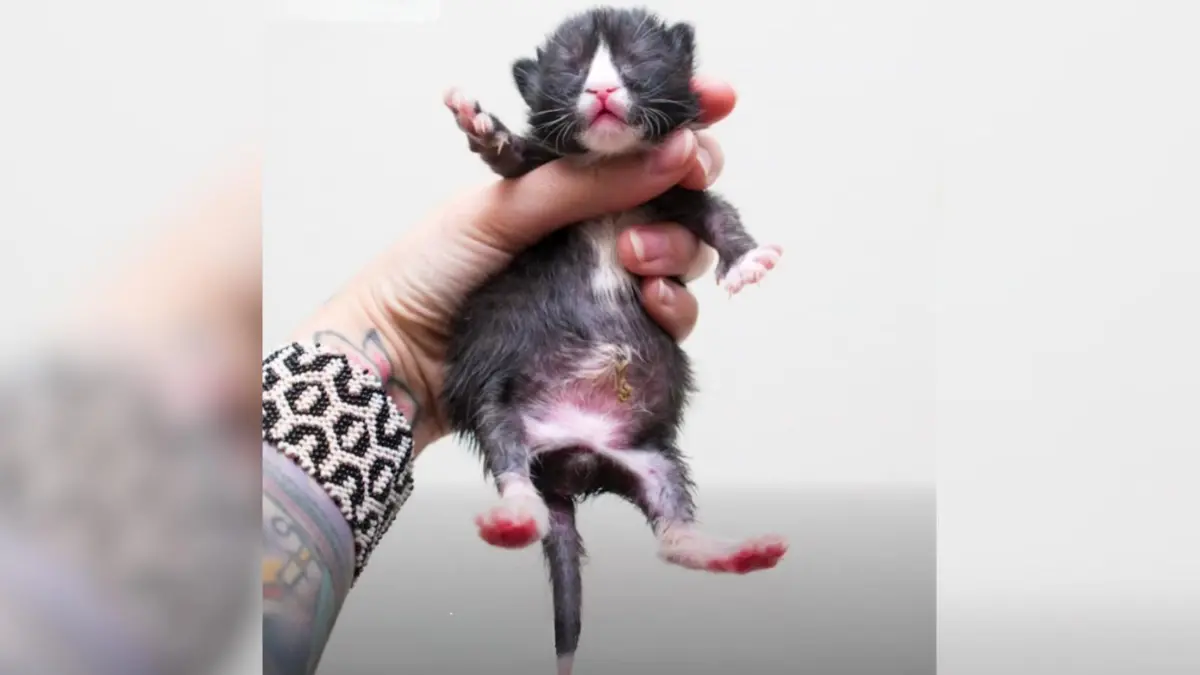
To cat enthusiasts worldwide, few sights rival the irresistible charm of a young kitten boasting a round, squishy belly. These miniature paws, cherubic faces, and delightfully plump midsections effortlessly evoke smiles across social media feeds and adoption centers alike. However, behind the universal adoration of these physical features lies a persistent wave of unnecessary concern.
According to renowned feline advocate, author, and kitten rescuer Hannah Shaw—widely recognized across digital platforms as the "Kitten Lady"—these adorable little tummies frequently trigger unwarranted anxiety among pet owners and foster parents. Whenever Shaw publishes documentation of her foster cohorts, comment sections inevitably fill with well-meaning alarms. Observers spot a particularly robust belly and immediately jump to conclusions regarding intestinal parasites, malnutrition, or severe underlying pathology, even when the subject is the picture of robust health.
To dispel these pervasive myths and provide an authoritative educational resource, Shaw recently hosted a comprehensive, up-close "tummy tour" utilizing her current roster of foster kittens. By showcasing a variety of feline infants side-by-side, Shaw set out to demystify why certain round kitten bellies are entirely normal developmental milestones, while others necessitate immediate veterinary intervention.
Ultimately, Shaw’s demonstration establishes a critical distinction: there is a world of difference between a healthy, well-fed "avocado" or "eggplant" belly and a taut, water-balloon-like abdomen indicative of parasitic distress. This deep dive explores Shaw’s anatomical breakdown, the physiological reasons behind kitten body shapes, the reality of common pediatric parasites like coccidia, and actionable guidance for cat owners navigating feline development.
Detailed Chronology: Inside the Kitten Lady’s Tummy Tour
The educational journey orchestrated by Shaw was designed to move beyond static photographs, offering tactile and visual comparisons that give viewers a tangible understanding of kitten health.
Part 1: The Healthy "Avocado" and "Eggplant" Bods
Shaw initiated the tour by introducing Ranger Russet, an exceptionally charming foster kitten sporting what she playfully terms an "avocado bod." Ranger Russet’s midsection features a gentle, rounded contour, giving him the silhouette of a tiny, healthy avocado mounted on four petite paws.
Addressing the immediate assumption made by many internet commentators—that roundness equals worms—Shaw directly countered this misconception. Young kittens naturally possess underdeveloped abdominal wall muscles. Coupled with robust feeding regimens necessary for rapid early-stage growth, a healthy, thriving feline infant will frequently develop a wonderfully soft, malleable, and chunky belly. Ranger Russet served as the benchmark: his tummy felt yielding, soft, and squishy to the touch, entirely devoid of tension or rigidity, signaling a thriving infant receiving ample nutrition.
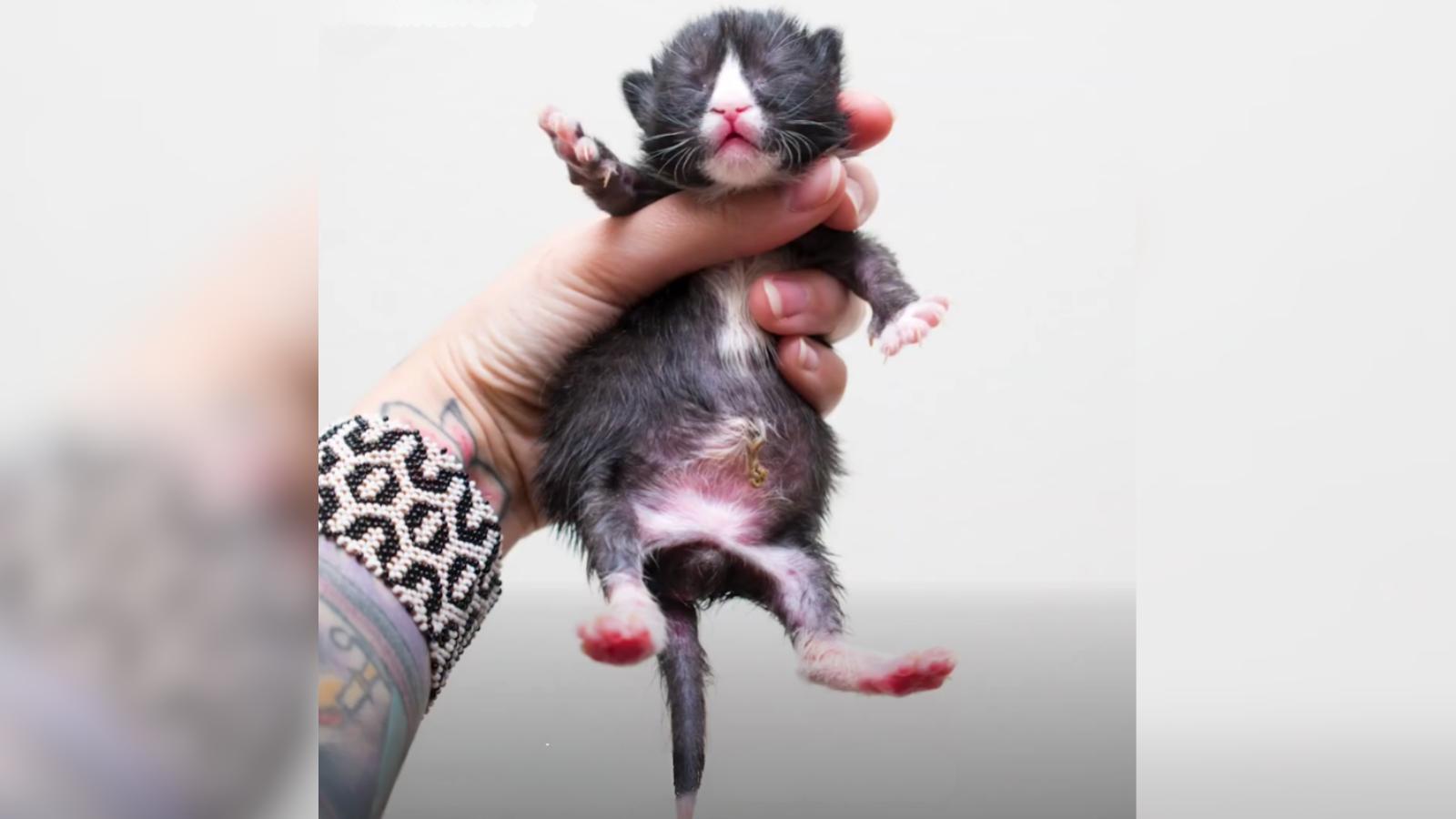
Following Ranger Russet, his sister stepped into the spotlight, proudly displaying an equally charming avocado-shaped abdomen. To reinforce her clinical point, Shaw noted that this particular kitten had undergone standard fecal testing, confirming a clean bill of health free from intestinal parasites. This empirical proof underscored a central thesis of the tour: a rotund shape does not automatically equate to pathology.
Later in the presentation, Shaw introduced Tindall, another foster kitten embodying the ideal healthy physique. Eschewing the avocado comparison for another produce-inspired descriptor, Shaw likened Tindall’s silhouette to a sleek eggplant. Tindall’s midsection demonstrated a gradual, comfortable roundness rather than an exaggerated, swollen contour, reinforcing that substantial physical chunkiness can coexist with perfect physiological health.
Part 2: Distinguishing Bloat and Pathology in Foster Kittens
Transitioning from her healthy cohorts, Shaw brought forward several foster kittens whose abdomens told a distinctly different physiological story. While these infants also possessed round bellies at first glance, tactile examination revealed a contrasting reality.
The first of these kittens was Kookaburra, whose abdomen appeared noticeably distended and tight. Shaw gently demonstrated the tactile difference, showing viewers how Kookaburra’s belly felt firm, unyielding, and bloated—an ominous sign diverging drastically from the soft malleability of Ranger Russet or Tindall. Diagnostic workups, specifically fecal testing, had previously confirmed that Kookaburra was battling coccidia, a common and troublesome intestinal parasite prevalent in vulnerable rescue populations. At the time of the demonstration, Kookaburra was undergoing appropriate veterinary treatment, with expectations that the abdominal tension would dissipate as the infection cleared.
Another fluffy participant, Ostrich, was navigating the exact same parasitic challenge. Although Ostrich’s dense, fluffy coat initially obscured subtle visual changes in body shape, Shaw’s hands-on examination revealed an identically taut and abnormally distended abdomen.
The tour also featured Miriam, whose belly appeared exceptionally rounded relative to her diminutive frame. While Miriam’s abdomen exhibited slightly more softness than Kookaburra’s, Shaw confirmed that Miriam was nonetheless experiencing pathological bloating and was actively receiving targeted pharmaceutical intervention. In a moment of levity that underscored the unpredictable nature of working with neonate animals, Miriam punctuated her medical examination with an audible flatulence event. Shaw’s lighthearted reaction brought a touch of humor to an otherwise serious tutorial on pediatric feline gastrointestinal health.
Supporting Context & Metrics: Understanding Feline Development and Parasites
To contextualize Shaw’s educational initiative, it is vital to examine the physiological parameters governing kitten growth, nutritional needs, and the vulnerabilities associated with rescue environments.

The Mechanics of the Kitten "Chonk"
During the first weeks of life, kittens experience exponential growth phases. Their caloric intake is extraordinarily high relative to their body weight, fueling rapid bone, muscle, and organ development. However, because their musculoskeletal framework matures gradually, the abdominal wall muscles remain relaxed and flexible.
When a kitten consumes a hearty meal of nutrient-dense milk replacer or high-protein kitten mousse, their stomach and intestines expand significantly. Because the surrounding abdominal musculature lacks the tone and tightness seen in adult cats, this expansion pushes outward, creating the iconic, endearing round belly.
[Normal Healthy Development]
High Caloric Intake + Immature Abdominal Muscles = Soft, Malleable "Avocado/Eggplant" Tummy

[Pathological Distension]
Parasitic Infestation (e.g., Coccidia/Giardia) + Fluid/Gas Accumulation = Firm, Taut, Distended "Water Balloon" Tummy
The Threat of Pediatric Parasites
While a soft, squishy belly is a badge of honor for a well-fed foster kitten, a hard, distended midsection often points toward internal distress. Intestinal parasites represent one of the most prevalent health challenges in neonatal and juvenile feline populations.
- Coccidia: As observed in foster kittens Kookaburra and Ostrich, coccidia are microscopic single-celled organisms (protozoa) that infect the intestinal tracts of cats and dogs. In kittens, whose immune systems are still developing, coccidia can cause significant inflammation of the intestinal lining, leading to watery diarrhea, dehydration, abdominal discomfort, and marked abdominal distension (bloating).
- Roundworms and Giardia: Beyond coccidia, feline infants are frequently exposed to roundworms (Toxocara cati) and flagellated protozoa like Giardia. Heavy burdens of roundworms can physically obstruct or irritate the intestinal tract, famously contributing to a pot-bellied appearance coupled with poor coat condition and failure to thrive.
Veterinary experts universally emphasize that visual inspection alone cannot definitively differentiate between a normal, well-fed food baby and a pathological parasite-induced distension. This reinforces Shaw’s emphasis on routine veterinary diagnostics, specifically fecal flotation and PCR panels.
Official Statements & Expert Guidance
The insights shared by Hannah Shaw align directly with pediatric veterinary consensus. Veterinary professionals frequently field anxious phone calls from first-time kitten adopters alarmed by the sudden appearance of a rounded belly after a feeding session.
"There is a profound difference between a kitten whose belly is storing a successful meal and one whose abdomen is housing a pathological process," notes veterinary literature concerning neonatal care. "A healthy kitten tummy yields softly to gentle palpation. It feels like a beanbag or a squishy cushion. Conversely, an abdomen distended by gas, fluid accumulation, or heavy parasite loads feels taut, drum-like, and causes behavioral indicators of discomfort when touched."
Shaw leverages her digital platform to bridge the gap between shelter medicine and public awareness. By translating clinical concepts into accessible visual metaphors—such as contrasting an "avocado" against a "water balloon"—she empowers everyday cat owners to monitor their pets effectively without panicking over normal developmental variations.
Furthermore, Shaw highlights a holistic approach to kitten wellness. Evaluating a kitten’s health requires assessing a mosaic of indicators rather than relying on a single physical trait:
- Behavior and Energy Levels: A healthy kitten is playful, curious, and active between prolonged bouts of restorative sleep. Lethargy combined with a round belly is an immediate red flag.
- Stool Quality: Monitoring litter box output provides crucial diagnostic insight. Well-formed stools indicate efficient digestion, whereas persistent diarrhea or constipation warrants immediate diagnostic testing.
- Tactile Assessment: Gently feeling the abdomen for softness versus rigidity helps owners establish a baseline for their specific kitten.
Future Outlook: Empowering the Next Generation of Cat Advocates
As community-focused animal welfare continues to evolve through digital education, initiatives like Hannah Shaw’s tummy tour set a gold standard for pet owner empowerment. Misinformation surrounding animal health—often amplified by well-meaning commentators on social media—can lead to unnecessary surrendered pets, improper at-home treatments, or chronic anxiety for foster parents.
By demystifying the physical markers of kitten growth, Shaw fosters a more scientifically literate community of cat lovers. The primary takeaways from her demonstration provide a clear roadmap for the future of kitten care:
- Education over Alarmism: Recognizing that a chunky tummy is frequently a sign of excellent care rather than illness.
- Proactive Diagnostics: Utilizing routine veterinary diagnostics, such as fecal testing, rather than guessing at internal health based solely on visual appearance.
- Holistic Evaluation: Observing behavior, energy, stool quality, and abdominal texture in tandem.
Ultimately, Shaw’s playful conclusion—serenading her foster kittens while celebrating their diverse body shapes—reinforces the profound joy inherent in feline rescue. Whether dealing with Ranger Russet’s avocado physique, Tindall’s eggplant silhouette, or Miriam’s comical expressions, cat lovers are reminded that embracing the realities of kitten development requires both clinical vigilance and a generous capacity for joy. Through continued education, advocates ensure that every chunky-bellied kitten receives the precise balance of appreciation and medical care they deserve.