
Executive Overview
For millennia, the relentless march of human civilization has radically transformed the Earth’s natural landscapes. Paved roads slice through ancient migration routes, sprawling suburbs replace native grasslands, and industrial agriculture carves up contiguous forests. For generations, conservation biologists operated under a foundational assumption: wildlife reacts primarily to the physical modification of the environment—the tangible, visible alteration of land into concrete, asphalt, and crop fields.
However, a landmark study published in the prestigious journal Science has fundamentally upended this long-held ecological dogma. Researchers from the University of California, Santa Barbara (UCSB), the Smithsonian’s National Zoo and Conservation Biology Institute, and Yale University have revealed that animals are responding not only to the physical environments we build, but also to the mere, invisible fact of human bodies physically moving through space.
By marrying high-resolution GPS tracking data from thousands of individual animals with anonymized, neighborhood-level cellphone geolocation records collected across the United States, the research team achieved an unprecedented look into human-wildlife dynamics. The findings demonstrate that wildlife responses to humans are deeply nuanced, depending heavily on both the specific species in question and the degree to which a given landscape has already been altered.
This revelation arrives at a critical juncture for global biodiversity. As human populations swell and recreational pressures on natural areas reach all-time highs, traditional conservation strategies—which typically focus solely on protecting tracts of land from bulldozers—are proving insufficient. By quantifying the distinct pressures of human presence versus habitat modification, this research paves the way for a new era of precise, dynamic wildlife management. It offers a glimmer of hope that humanity can engineer smarter, more nuanced policies to coexist with the natural world, identifying precisely where and when animals need us to step back and give them space.
Detailed Chronology: How the "Anthropause" Unlocked a Scientific Breakthrough
The breakthrough was born out of one of the most paradoxical periods in modern human history: the COVID-19 pandemic. When governments across the globe instituted sweeping lockdown policies in the spring of 2020, human mobility plummeted, rebounded, and shifted in erratic, unprecedented ways. Streets that were once clogged with commuters fell silent; national parks saw sudden influxes of local visitors seeking solace outdoors, followed by periods of absolute closure.
This global deceleration—dubbed the "anthropause"—created a massive, unintended ecological experiment. For conservation scientists, it provided a fleeting, once-in-a-lifetime window to untangle two variables that are normally inextricably intertwined: the permanent structural changes humans make to the landscape versus the transient, shifting presence of human bodies moving through it.
Step 1: Mobilizing the Global Bio-Logging Initiative
Recognizing the magnitude of the pandemic’s impact on human behavior, an international consortium of scientists formed the COVID-19 Bio-Logging Initiative. This massive collaborative network eventually encompassed roughly 600 partners and amassed an astonishing 1 billion location records from approximately 13,000 animals worldwide. Earlier phases of the initiative successfully documented widespread behavioral shifts among terrestrial mammals, alterations in global marine traffic, and the critical need to directly measure human movement when studying ecology in the Anthropocene—the geological epoch defined by humanity’s profound impact on Earth’s ecosystems.
Step 2: Assembling the US Dataset
For the specific study published in Science, the research team narrowed their focus to the continental United States. They pulled weekly GPS records from 4,581 individual birds and mammals across 37 distinct species. To ensure a robust, like-for-like comparison, the researchers analyzed tracking data from matching periods in 2019 (pre-pandemic baseline) and 2020 (the height of lockdown disruptions).
Step 3: Solving the Human Movement Data Deficit
While tracking animal movement via GPS collars and radio tags has become standard practice in modern ecology, quantifying human presence at a matching scale has historically presented a nearly insurmountable brick wall.
Publicly available datasets that precisely track human locations and movements are fiercely guarded, heavily regulated, and exceptionally difficult for academic researchers to obtain. Consequently, historical studies examining how people affect wildlife have been forced to rely on coarse, indirect proxies. Scientists traditionally looked at metrics such as housing density, the conversion of land for agriculture, urban development footprints, or—during the initial months of the pandemic—binary indicators like whether a county was subject to strict lockdown mandates.
While these proxies provided valuable macro-level clues, they offered zero insight into real-time, granular human activity. A rural county might have high forest cover, for instance, but a sudden surge in weekend hikers along a secluded trail could exert massive pressure on local fauna—a nuance completely invisible to satellite imagery of urban sprawl.
Step 4: Accessing Proprietary Cellphone Geolocation Data
To bridge this critical data gap, the researchers secured access to anonymized, neighborhood-resolution cellphone geolocation data. Originally made available to select academic researchers during the pandemic to model and track the spread of COVID-19, these datasets represented a goldmine for ecologists.
Private telecommunications and data-broker companies typically hold these datasets tightly behind corporate paywalls, making this cross-disciplinary collaboration a rare and pioneering event. By integrating mobile-device pings with animal telemetry data, the team was able—for the very first time on a continental scale—to directly quantify the shifting footprint of human presence and measure its precise mechanical toll on wildlife movement and habitat use.
Supporting Context & Metrics: The Intersection of Habitats and Humanity
The integration of high-resolution human mobility data with wildlife tracking revealed that human presence and habitat modification do not act in isolation. Instead, they operate in a complex, mutually reinforcing feedback loop.
The Statistical Reality of Human Impact
When the researchers analyzed how human activity altered both the physical space utilized by individual animals and their "environmental niches"—the multidimensional space encompassing how an animal utilizes habitats, resources, and climatic conditions—the results were stark:
- 57% of all species studied were directly and significantly affected by the combination of both human presence and physical landscape modification.
- 67% of mammal species experienced measurable shifts in either the total territory they occupied or the size of their environmental niche as a direct result of human presence.
- 68% of bird species demonstrated similar vulnerabilities to the physical proximity of humans.
- 67% of mammals and 41% of birds responded to the dual pressure of human presence and habitat alteration by fundamentally shrinking the amount of habitat they utilized.
The Paradox of Protected Areas
One of the most counterintuitive findings of the study centers on where wildlife sensitivity to humans is most acute. Conventional wisdom might suggest that animals living near dense urban centers would exhibit the highest levels of stress or avoidance behavior toward humans. However, the data revealed precisely the opposite.
Sensitivity to human presence was exceptionally pronounced in landscapes with relatively low levels of physical development—most notably, inside or immediately adjacent to national parks, wilderness reserves, and rural protected areas. In heavily urbanized environments, wildlife populations are often composed of generalist species (such as raccoons, coyotes, or pigeons) that have spent generations habituating to the constant hum of human activity. They have learned to tolerate our presence out of sheer necessity.
Conversely, wildlife residing in pristine or semi-wild landscapes—where human encounters are historically rarer—possess little to no behavioral habituation. When waves of recreationists flood national parks during peak seasons, the wildlife living there experience the physical presence of humans as an acute, unpredictable threat. Consequently, animals in these low-development areas often abandon optimal foraging grounds, restrict their movements, or compress their territory sizes to avoid human encounters, inadvertently harming their own long-term health and nutritional intake.
Official Statements: Insights from the Research Frontlines
The complexity of these findings underscores why conservation biology is shifting away from broad, one-size-fits-all mandates toward species-specific management frameworks.
"Humans have complicated effects on wildlife—from our physical presence to how we reshape habitats—but we can’t understand our full impact without information on both," explained co-lead author Ruth Oliver, an assistant professor at UCSB’s Bren School of Environmental Science & Management.
Oliver emphasizes that the pandemic-era data offered an unprecedented lens through which to view human-wildlife friction, transforming what was once an invisible ecological variable into measurable, actionable metrics.
Co-lead author Scott Yanco, a research ecologist at the Smithsonian’s National Zoo and Conservation Biology Institute, highlighted the unprecedented nature of the data sources utilized in the study.
"The cell phone data we used was made available to researchers during the pandemic to help reveal the impacts of COVID-19 shutdowns," Yanco noted. "Typically, private companies hold onto these, which made this a rare opportunity for us to quantify how human presence impacts wildlife, and to demonstrate that there is more to consider than just land modification to create robust conservation plans."
Divergent Species Responses: Wolves, Deer, and Cranes
To illustrate the profound variation in how different creatures perceive the human footprint, the research team highlighted the contrasting behaviors of three distinct North American species:
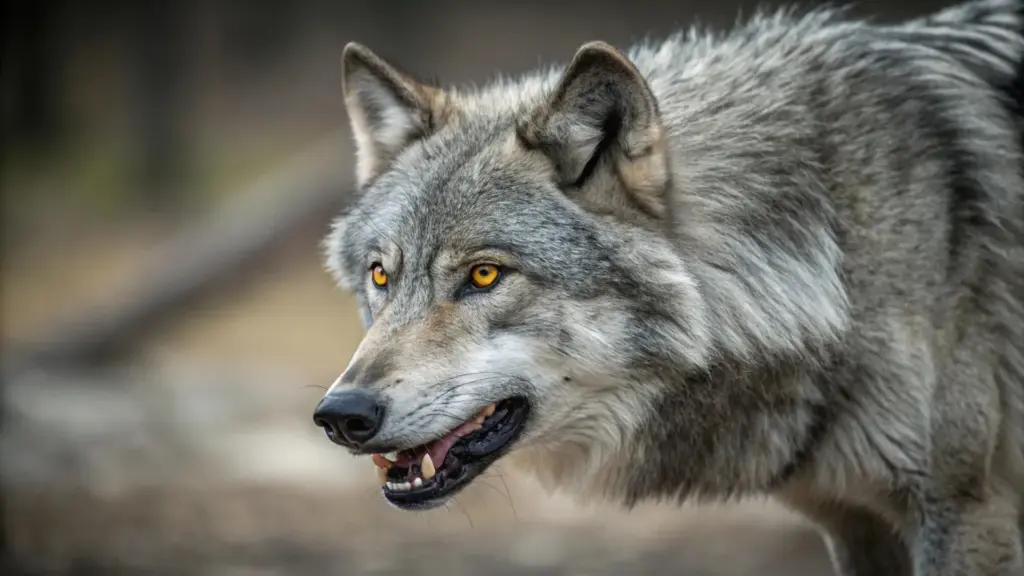
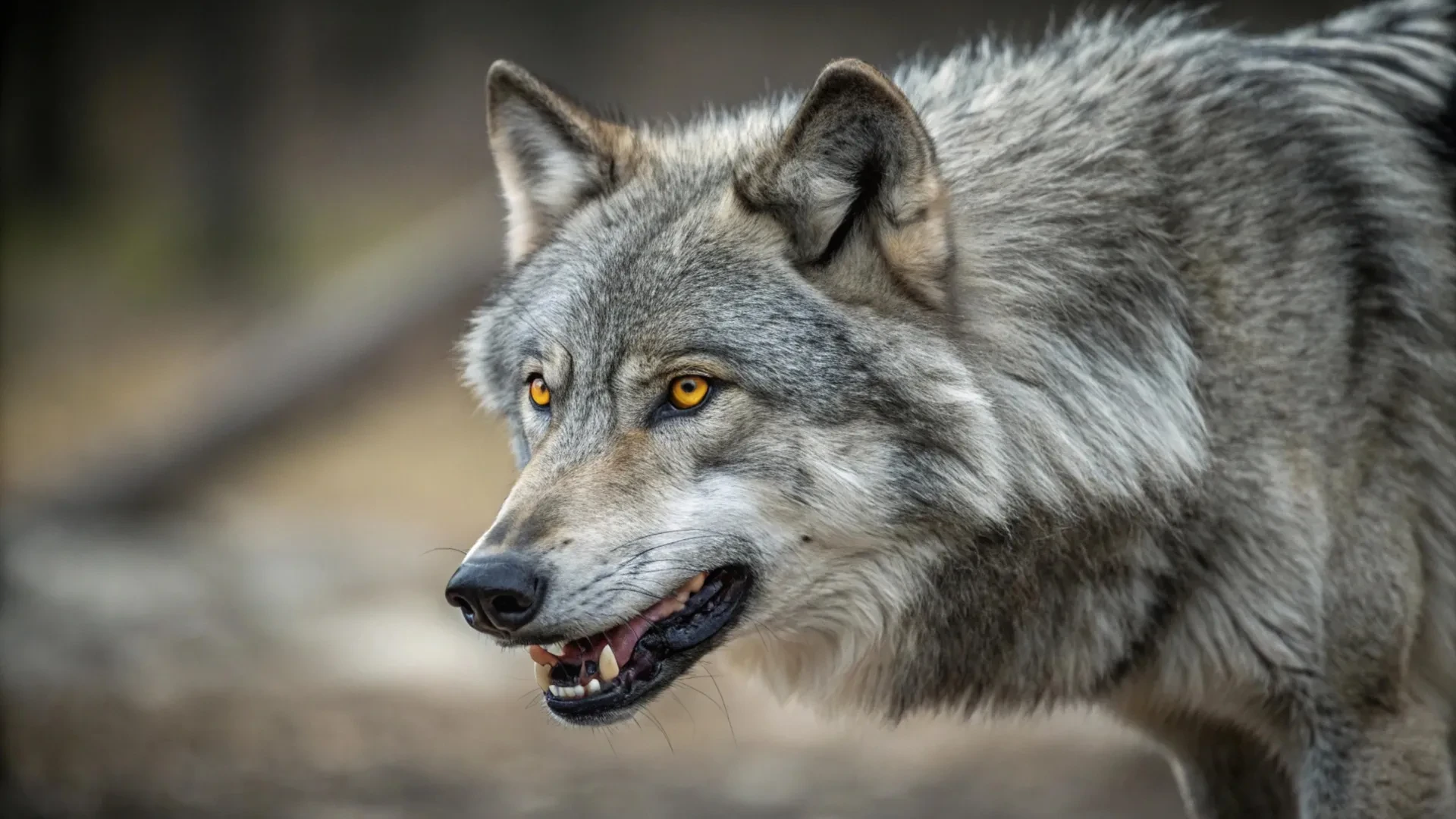
- Gray Wolves (Canis lupus): Bucking the trend of most mammals that contract their ranges in the face of human activity, wolves actually expanded their habitat use when humans were physically present. Researchers hypothesize this behavioral adaptation reflects the wolf’s long, fraught historical relationship with humans. Having faced centuries of targeted eradication, trapping, and persecution, wolves treat the mere scent or trace of human presence as an unmistakable danger signal, prompting them to disperse, widen their home ranges, and actively flee into marginal habitats to put maximum physical distance between themselves and people.
- White-Tailed Deer (Odocoileus virginianus): These ubiquitous ungulates demonstrated a fascinating push-and-pull response. Their environmental niches—how they used available resources—expanded as surrounding landscapes became physically modified by human development. However, their territory size sharply contracted as the direct volume of human presence increased. Caught between the ecological opportunities provided by human-altered landscapes (such as agricultural crop fields and suburban gardens rich in ornamental plants) and the direct threat of human foot traffic, deer squeeze themselves into tighter spatial pockets to navigate the danger.
- Sandhill Cranes (Antigone canadensis): Displaying a behavioral pattern directly inverted from that of white-tailed deer, sandhill cranes adjusted their spatial utilization in the exact opposite direction, illustrating the immense diversity of evolutionary strategies across avian taxa.
"These findings highlight the critical importance of species-based conservation," Dr. Oliver noted. "Every species has different habitat requirements, has its own particular behavioral tendencies, and faces unique threats. Effective conservation requires that we understand the particular challenges that each species faces."
Future Outlook: Survival, Stress, and the Path to Coexistence
While the publication of this research in Science marks a monumental leap forward in ecological science, it also opens the door to a sobering and urgent new set of questions.
Having conclusively proven that animals alter their spatial behavior and resource usage in response to human presence, Oliver and her interdisciplinary colleagues are now pivoting to the next logical—and perhaps most critical—phase of inquiry: Are these behavioral adjustments helping wildlife adapt, or are they a ticking biological clock signaling chronic stress and declining fitness?
"Our current study shows that animals change how they use space and resources, but we don’t know if these changes are helping them adapt or are a sign of stress," Oliver pointed out. "Our group is now digging into that question by asking whether animals that change their behavior in response to human pressures are at greater or lower risk of dying."
Toward a New Paradigm of Dynamic Conservation
Historically, environmental policy and wildlife management were drafted in the blind. Conservation frameworks established decades ago—such as the creation of wildlife corridors, seasonal park closures, and protected sanctuary zones—were designed without any empirical understanding of how animals psychologically and behaviorally react to the silent, invisible aura of human physical presence.
By proving that land modification is only half the equation, this research provides conservationists with the intellectual ammunition needed to overhaul modern wildlife management. Rather than relying on static, permanent boundaries that fail to account for fluctuating human recreation patterns, future conservation policies could evolve into dynamic, real-time management systems.
Imagine a national park equipped with anonymous visitor-density tracking. When foot traffic on a specific hiking trail spikes past a critical ecological threshold during peak breeding season for a sensitive bird species, park authorities could dynamically close that specific trail for a week, granting local wildlife immediate, temporary relief from human disturbance. Once human activity subsides, the trail reopens.
This level of operational precision bridges the gap between human recreation and wildlife preservation, transforming conservation from a reactive exercise into a proactive, data-driven science.
"Our results give me some optimism that we can achieve wildlife-coexistence through more nuanced policies that more smartly consider where and when we need to give animals space," Oliver concluded.
As human populations continue to grow and the last vestiges of wilderness shrink under the pressures of the Anthropocene, understanding that our presence alone is a physical force upon the natural world is the first, indispensable step toward learning how to share the planet.