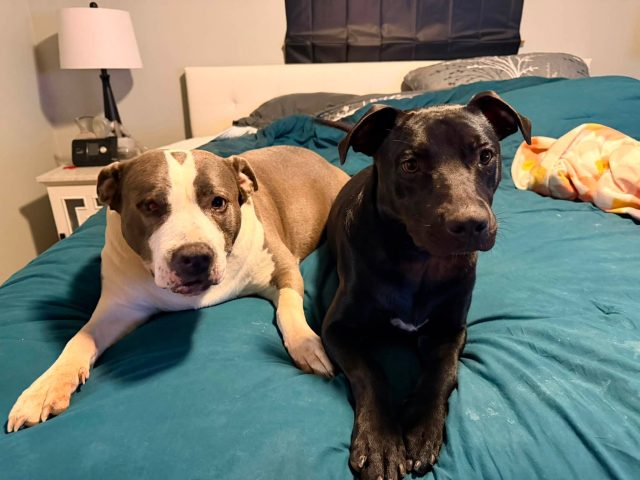
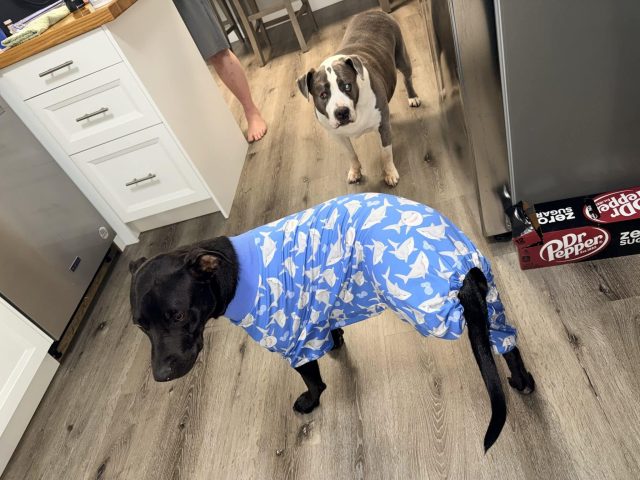
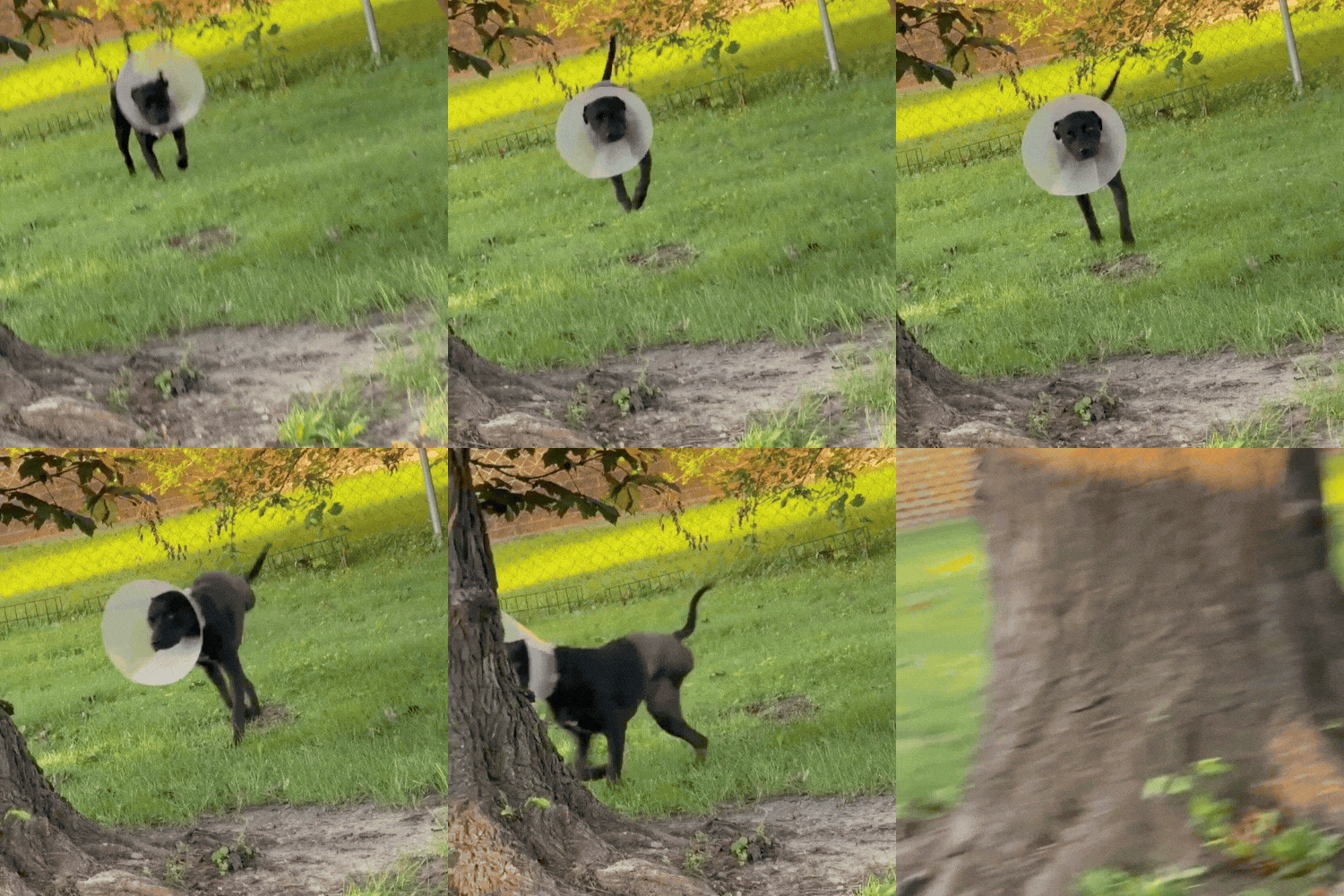
In the contemporary landscape of companion animal welfare, the journey from abandonment to adoption is rarely a straight line. Instead, it is a complex, resource-intensive process governed by regional demographics, socioeconomic factors, and deeply ingrained public biases. The story of Tony—a young mixed-breed dog later renamed Ripp—serves as a compelling case study of these systemic challenges and the collaborative, multi-state interventions required to overcome them.
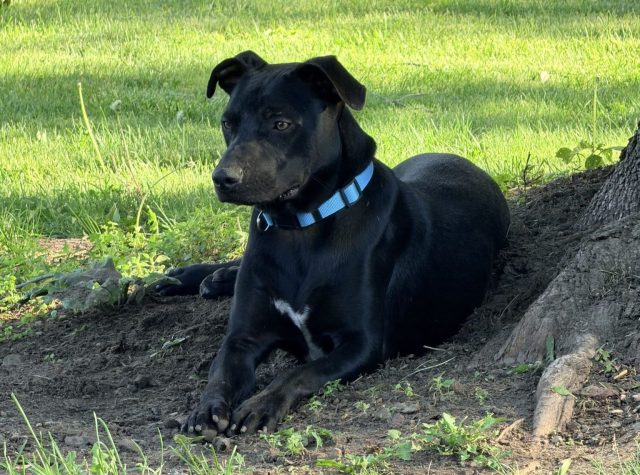
Found wandering along a rural Texas county road alongside his brother Tyson, Ripp spent six months in a local shelter. Despite his youth and highly adoptable temperament, he was repeatedly overlooked—a phenomenon rescue professionals attribute to "Black Dog Syndrome" and systemic biases against "pit bull-type" breeds. His eventual path to a permanent home required a coordinated effort involving grassroots local rescue, donor-funded interstate transport, and a receptive family willing to undertake significant veterinary rehabilitation.
This investigative report examines the chronology of Ripp’s rescue, analyzes the systemic barriers that keep dogs like him in shelters for extended periods, and explores the operational and financial frameworks—such as recurring donor models—that sustain long-term animal welfare efforts across the United States.
Detailed Chronology
[Month 1] Found on Texas Roadway -> Admitted to BARK (Texas)
   |
[Months 2-7] Six-Month Shelter Stagnation (Overlooked due to color/breed profile)
   |
[Month 8] Selected for Interstate Transport ("Freedom Ride") -> Arrives in Wisconsin
   |
[Month 8 + 1 Week] Placed with Clarke Family -> Name changed to "Ripp" -> Co-habitation with Hope
   |
[Month 8 + 2 Weeks] Veterinary X-Rays Reveal Severe Orthopedic Damage (Hip/Knee)
   |
[Month 9] Surgical Amputation -> Successful Post-Operative Rehabilitation
Phase I: Discovery and Initial Intake
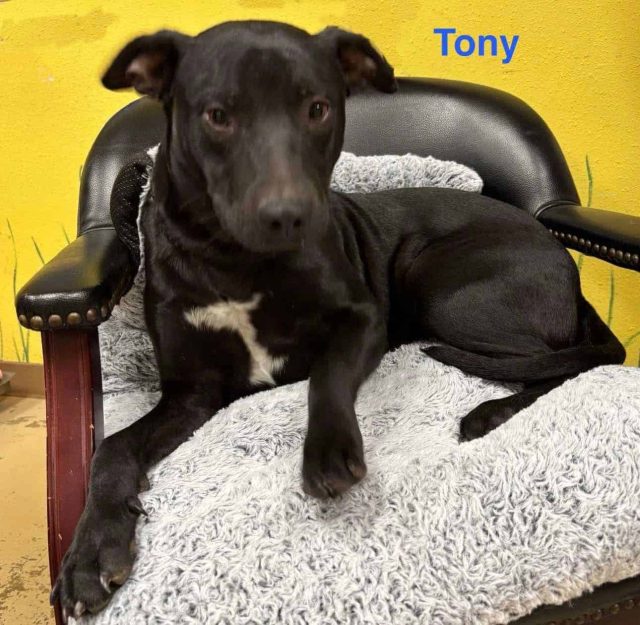
The narrative began in rural Texas, where an unidentified resident discovered two juvenile male dogs, estimated to be between seven and eight months old, roaming a county road. Exhibiting signs of abandonment but maintaining a friendly disposition, the dogs—subsequently named Tony and Tyson—were secured and transported to Bosque Animal Rescue Kennels (BARK), a non-profit, no-kill shelter operating in Clifton, Texas.
Upon intake, both dogs underwent standard veterinary evaluations, received mandatory vaccinations, and were cleared for adoption. However, despite their health and youthful energy, the brothers remained in the shelter system for half a year.
Phase II: The Stagnation Period
For six months, Tony and Tyson remained at the BARK facility. While short-term stays of several weeks are common for young dogs, long-term shelter residency introduces progressive challenges. Each additional day a canine spends in a shelter environment increases the operational costs for the holding organization and heightens the risk of shelter-induced stress and behavioral regression for the animal.
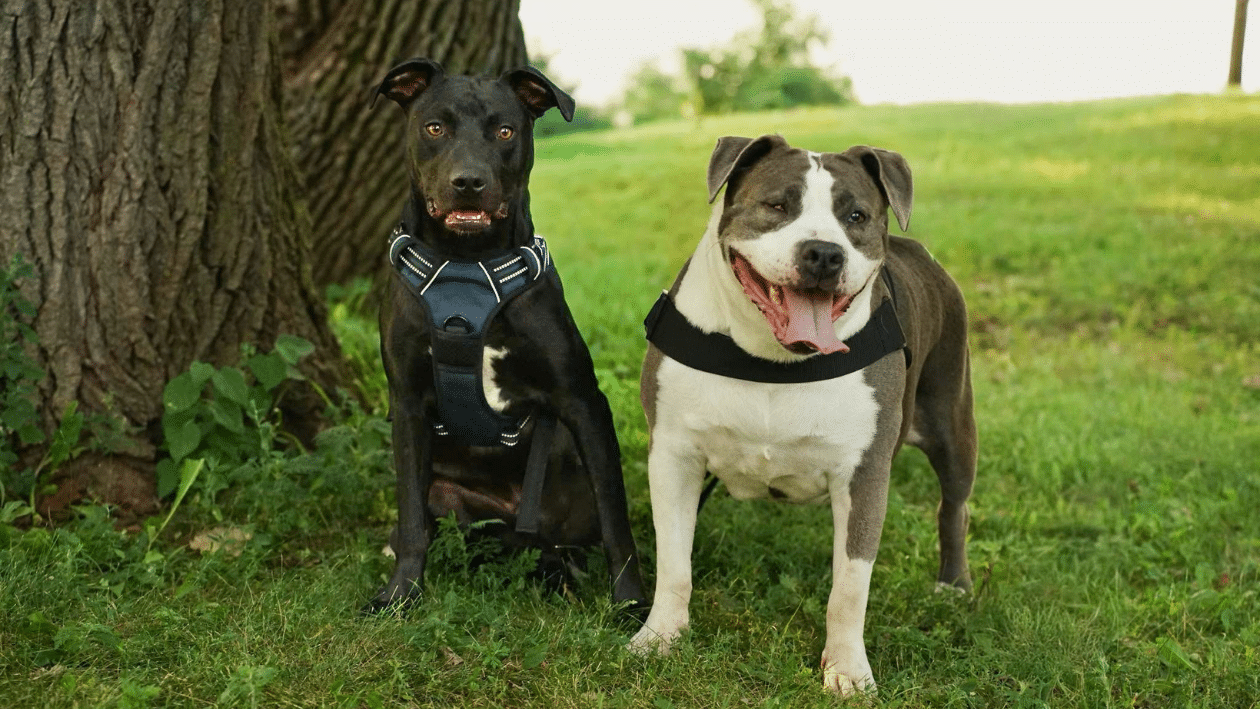
According to shelter staff, potential adopters consistently bypassed the brothers. This stagnation was not due to behavioral deficits, but rather visual and demographic categorization: both dogs possessed solid black coats and physical characteristics commonly associated with American Pit Bull Terriers or Staffordshire Bull Terriers—two categories that face statistically lower adoption rates in the region.
Phase III: The Interstate Bridge
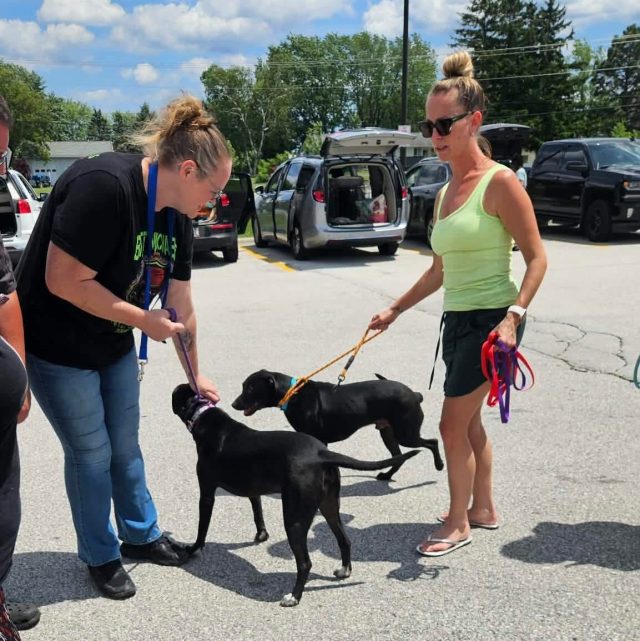
Recognizing that local adoption prospects were low, BARK coordinators utilized an interstate relocation strategy. These programs, often referred to as "freedom rides," relocate animals from high-intake, low-demand regions (primarily in the southern United States) to northern and midwestern states where shelter capacities are less strained and adoption demand for mixed-breed dogs is higher.
While Tyson was successfully placed into a local foster home in Texas, Tony was selected for transport to a partner rescue organization in Wisconsin.
Phase IV: Placement and Diagnostic Revelation
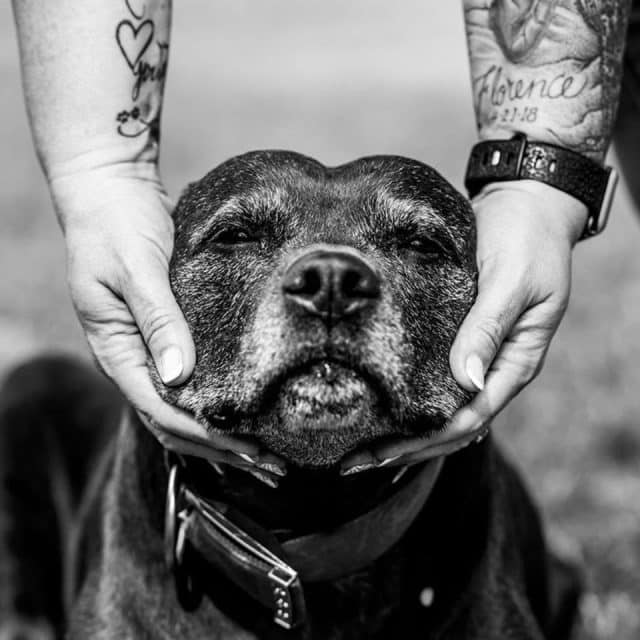
In Wisconsin, Tony’s profile was matched with Dawn Clarke and her husband, residents who had recently relocated from North Carolina. The Clarke family was navigating a profound period of household grief, having recently lost their 16-year-old canine companion, Blue, during their interstate move. The loss had severely impacted their surviving dog, Hope—a rescue animal with a history of trauma—who had begun exhibiting clinical signs of depression, including a prolonged food strike.
On June 13, Tony was brought to the Clarke residence for an initial introduction. The integration was immediate and successful. The Clarke family formally adopted the dog, renaming him Ripp.
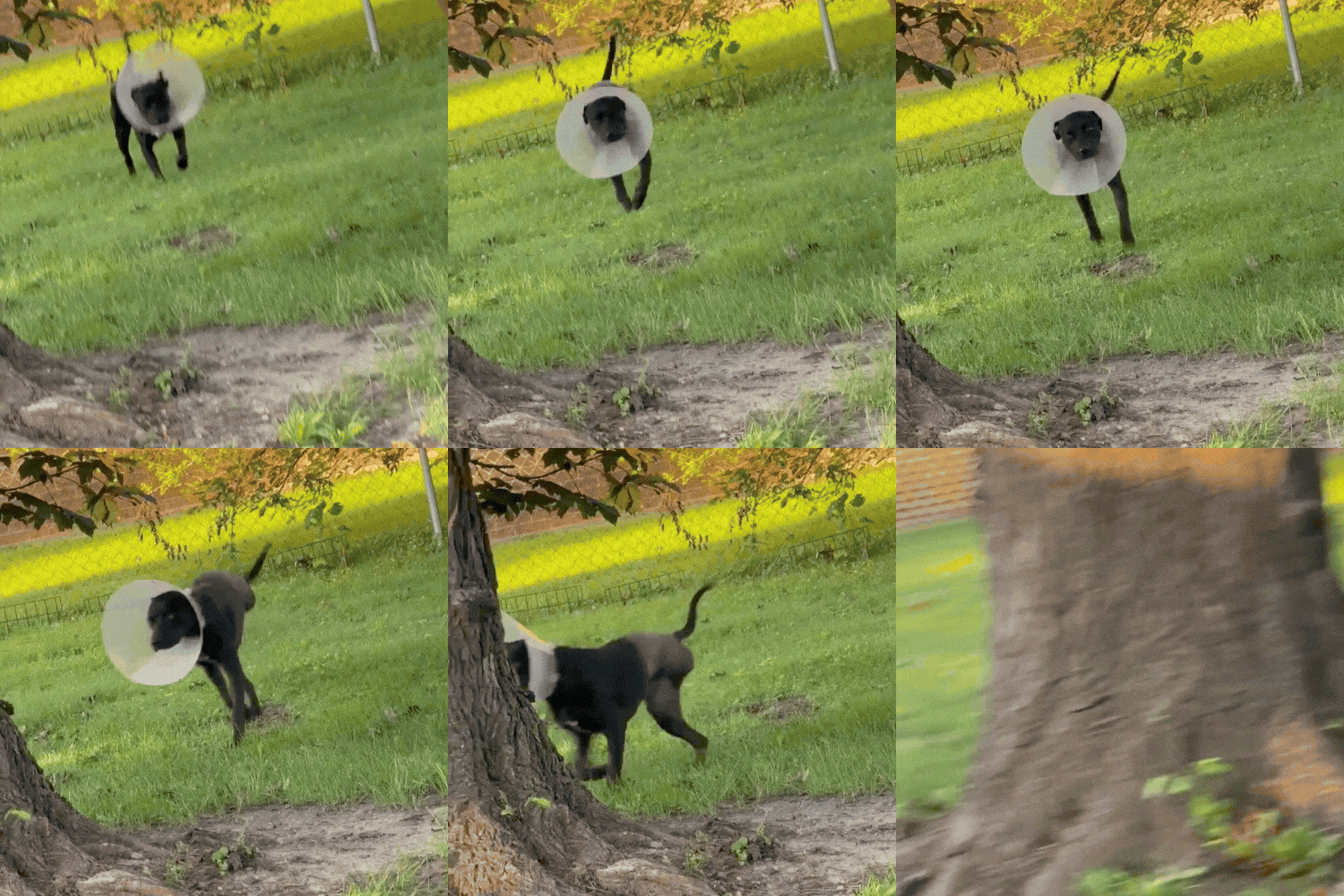
However, the transition soon revealed an underlying physical pathology. Upon arrival, Ripp exhibited a pronounced limp. While shelter staff had noted a minor gait abnormality, a comprehensive diagnostic workup was required to determine the cause. On June 19, veterinary X-rays confirmed extensive, long-standing orthopedic trauma affecting both the coxofemoral (hip) joint and the stifle (knee) joint of one hind leg.
Faced with the choice between complex, highly invasive reconstructive surgeries with guarded prognoses or eliminating the source of chronic pain, the Clarkes, in consultation with orthopedic veterinary specialists, elected for a hind-limb amputation.
Supporting Context & Metrics
To understand why a dog like Ripp remained in a shelter for six months requires an examination of the systemic factors that influence shelter populations across the United States.
Key Obstacles to Adoption:
1. Black Dog Syndrome (BDS) -> Lower photographic contrast, subconscious negative bias.
2. Pit Bull-Type Classification -> Insurance restrictions, municipal bans, public misconceptions.
3. Regional Shelter Saturation -> Southern states face higher intake rates and lower per-capita adoption rates.
The Statistical Reality of "Black Dog Syndrome"
"Black Dog Syndrome" (BDS) is a documented phenomenon in animal welfare where black-coated dogs and cats are passed over for adoption in favor of lighter-colored animals. While some researchers debate the extent to which this bias is conscious, several factors contribute to its persistence:
Photographic Limitations: In the digital age, where the majority of adoptions begin with online browsing, black dogs are significantly harder to photograph clearly. Lack of facial definition and contrast in digital profiles makes it difficult for potential adopters to connect emotionally with the animal’s expression.
Subconscious Association: Media representations historically associate black dogs with aggression or misfortune, reinforcing subtle biases among prospective adopters.
Breed-Specific Prejudice and "Pittie" Stigma
Ripp’s designation as a "Pittie-type" dog placed him in one of the most highly restricted and misunderstood canine demographics. Pit bull-type dogs represent the highest percentage of shelter intakes nationwide and face the longest average length of stay. The challenges associated with adopting these breeds include:
Housing and Insurance Restrictions: Many rental properties, homeowner associations (HOAs), and private home insurance carriers enforce strict breed bans or premium surcharges for households containing pit bull-type dogs.
Public Perception: Media-driven narratives regarding breed-specific aggression continue to deter a significant portion of the adopting public, despite objective temperament testing showing no statistical difference in aggression between pit bulls and other large mixed-breed dogs.
The Logistics and Economics of Long-Term Sheltering
The financial burden of maintaining a dog in a shelter environment for six months is substantial. The table below outlines the estimated direct and indirect costs associated with long-term canine sheltering, illustrating the vital role played by external donor networks:
Cost Category
Monthly Estimate (USD)
6-Month Cumulative (USD)
Operational Impact
Nutritional Support
$45.00
$270.00
High-quality diet to prevent stress-related weight loss.
Veterinary Preventatives
$25.00
$150.00
Heartworm, flea/tick preventatives, and routine boosters.
Kennel Sanitization & Utilities
$110.00
$660.00
Water, electricity, and industrial-grade cleaning agents.
Staffing & Behavioral Enrichment
$250.00
$1,500.00
Daily exercise, behavioral assessment, and basic training.
Administrative & Marketing
$50.00
$300.00
Adoption portal hosting, photography, and social media promotion.
Total Estimated Cost
$480.00
$2,880.00
Equivalent to the cost of rescuing 4–5 short-stay animals.
Official Statements and First-Hand Accounts
The human-animal bond is often a reciprocal therapeutic relationship, particularly in cases involving rescue animals and families recovering from trauma.
Dawn Clarke, an emergency telecommunications dispatcher accustomed to managing high-stress crises, reflected on the emotional state of her household prior to Ripp’s arrival and the profound impact of his integration.
"She [Hope] went on food strike, she didn’t play, she just didn’t enjoy anything," Clarke stated, describing the grief-induced depression of their surviving rescue dog following the death of their senior dog, Blue. "She was lonely, and it was difficult to try to help her while we were also falling apart. I knew she needed a friend."
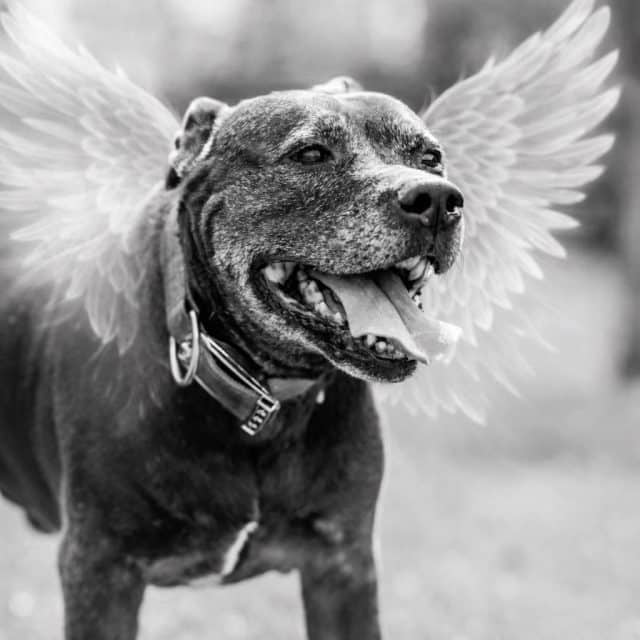
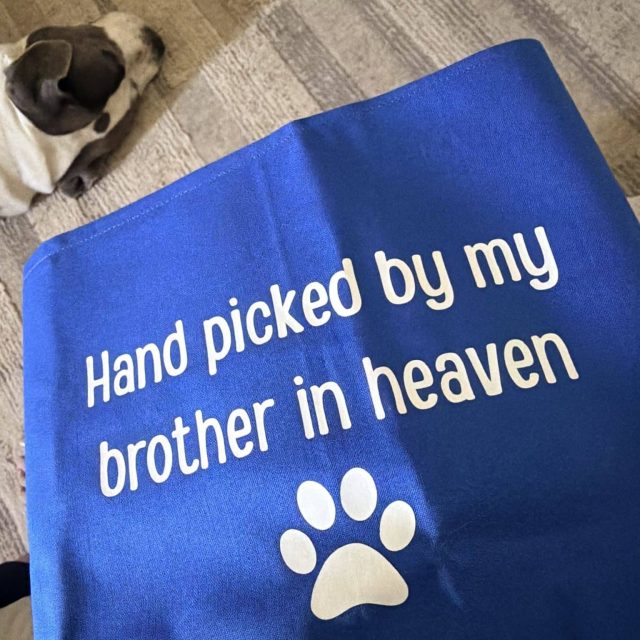
Clarke described the moment Ripp entered their lives as a form of answered prayer, attributing his arrival to a spiritual intervention facilitated by her late dog.
"I prayed and I talked to Blue a lot. I asked him to send us the dog that needed us, to pick out one and walk him through our gate."
The integration of Ripp into the household was validated not by the humans, but by Hope, who had a history of severe abuse—including being thrown from a moving vehicle—and was historically highly protective of her resources.
"When Ripp arrived at our home, it was love at first sight. For all of us," Clarke recalled. "Of course, they both have their own [food bowls], but Ripp wanted to eat with her and she allowed it. They truly are perfect. If Ripp gets on her nerves, she surely doesn’t show it. She’s very kind and patient with him. And it’s beautiful to watch."
Addressing the post-operative reality of adopting a dog requiring major orthopedic surgery, Clarke emphasized the emotional healing Ripp brought to their home:
"Once he realized he’s allowed in the house, and on the couch and in the bed… it was game over! He stole our hearts immediately and then our warm spot in the bed or on the couch, and I embrace every moment with him. Ripp has been healing. I honestly can’t put into words just how healing he has been. The love we have for him has definitely filled the hole where grief has been… Every day I’m so thankful for him and that he’s ours."
Future Outlook: Systemic Solutions in Animal Welfare
Ripp’s successful transition from an overlooked shelter resident in Texas to a cherished companion in Wisconsin underscores the necessity of evolving animal welfare strategies.
Future Initiatives in Animal Welfare:
1. Strengthening Interstate Relocation Corridors
2. Sustainable Funding via Recurring Donation Models (e.g., iHeartDogs Hero VIP Club)
3. Medical & Behavioral Rehabilitation Grants for Adopters
The Role of Interstate Relocation Corridors
As municipal shelters in southern states continue to face overpopulation due to lower spay/neuter rates and warmer climates that extend breeding seasons, the development of standardized, humane interstate transport corridors remains critical. Future success depends on:
Stricter Quarantine and Health Protocols: Ensuring transported animals do not introduce regional pathogens (such as heartworm or specific strains of canine influenza) to destination states.
Increased Corporate Sponsorship: Partnering with logistics and automotive companies to offset the high fuel and maintenance costs associated with long-distance animal transport.
The Shift Toward Recurring Donor Models
Traditional fundraising models in animal welfare often rely on reactive, crisis-driven campaigns. However, modern shelters are shifting toward sustainable, subscription-based donor programs.
Initiatives like the iHeartDogs Hero VIP Club represent this shift. By securing predictable, monthly recurring revenue, these programs allow shelters to commit to long-term care for medically complex or difficult-to-adopt animals. This steady funding stream essentially "buys time" for animals like Ripp, ensuring they are not euthanized due to space or budgetary constraints while waiting for an appropriate home.
The Viability of Three-Legged Animals (Tripods)
Ripp’s medical journey also highlights the high success rate of canine amputations. Veterinary orthopedic consensus indicates that dogs, particularly young and otherwise healthy specimens, adapt remarkably well to three legs.
By removing a limb affected by chronic, painful joint damage, the animal’s quality of life is immediately improved, eliminating the need for long-term NSAID therapy or other palliative measures. As public awareness of this viability grows, the stigma surrounding the adoption of "tripod" animals continues to decrease, opening more doors for dogs facing similar medical challenges.
Ultimately, Ripp’s journey shows that animal rescue is a continuous, interconnected chain. From the initial rescuer on a rural Texas road to the donors funding his transport, the shelter staff managing his daily care, and the family willing to support his medical rehabilitation, each link is vital. Sustaining and strengthening these links is essential to ensuring that every overlooked animal has the opportunity to find their way home.