
Executive Overview
Every cat owner is familiar with the sudden, inexplicable transition from a tranquil, sunlit afternoon to a chaotic domestic expedition. One moment, the household is bathed in serene quiet; the next, a stealthy paw dips into an unattended glass of water, or a cherished knick-knack slides inexorably off a tabletop. While these antics often present as calculated acts of household sabotage, animal behaviorists and feline geneticists confirm that these moments are rarely malicious. Instead, they are manifestations of deep-seated evolutionary instincts, heightened intelligence, and an irrepressible drive for environmental engagement.
Across the feline spectrum, certain breeds possess a disproportionate predisposition toward curiosity, agility, and boundary-pushing experimentation. These high-energy companions are not necessarily trying to cause distress, but their natural operational blueprint practically guarantees that boredom will be met with inventive, albeit disruptive, entertainment. Understanding the physiological and psychological catalysts behind this behavior allows owners to transform prospective chaos into constructive enrichment. This investigative report examines the twelve distinct cat breeds most renowned for their adventurous streaks, analyzing the root causes of their antics and outlining authoritative strategies for channeling their formidable energy.
Detailed Chronology: The Evolution of Feline Domestic Inquisitiveness
To understand why a modern housecat feels compelled to dismantle a roll of toilet paper or excavate an open kitchen drawer, one must look backward through the evolutionary timeline of Felis catus.
The Ancestral Blueprint
Millennia ago, ancestral felines survived entirely on their wits, exceptional sensory acuity, and physical prowess. Every moving shadow, every faint rustle in the underbrush, and every vertical surface offered potential prey or protective vantage points. Unlike domesticated canines, which evolved largely as cooperative pack hunters responsive to human hierarchy, domestic cats retain a semi-solitary predatory independence.
As cats transitioned from agricultural utility—protecting grain stores from rodents—to companion animals nestled on living room sofas, their genetic coding remained largely unaltered. The modern living room effectively mimics a perpetual hunting ground. A flickering dust motes in a sunbeam, the bubbling trickle of a bathroom faucet, or the mysterious rustle of a grocery bag triggers the exact same neural pathways that once dictated survival in the wild.
The Modern Domestic Manifestation
When modern breeds with high intelligence quotients—such as Abyssinians, Bengals, or Siamese—find themselves in under-stimulated indoor environments, this evolutionary software runs on a continuous loop in the absence of actual prey. The domestic cat’s daily chronology typically follows a distinct pattern:
- The Vigil: Scanning elevated perches and surveying territory for changes or perceived anomalies.
- The Investigation: Physical probing of newly introduced items (packages, bags, shoes, open cupboards).
- The Experimentation: Testing physical boundaries—pushing objects off ledges, pawing at running water, or vocalizing persistently for engagement.
- The Redirection: When human response is elicited (even through laughter or mild scolding), the behavior is reinforced, cementing the cat’s role as the household’s resident trickster.
Supporting Context & Metrics: The Anatomy of Feline Curiosity
Behavioral studies indicate that high-energy, inquisitive cat breeds share distinct morphological and psychological traits. Unlike low-energy, sedentary breeds that spend up to 18 hours a day in motionless repose, high-drive breeds exhibit a significantly higher ratio of active exploration time.
| Breed | Primary Energy Level | Intelligence Index | Key Mischief Triggers |
|---|---|---|---|
| Abyssinian | Very High | Exceptional | Vertical spaces, open drawers, lack of mental stimulation |
| Bengal | Extreme | High | Faucets, cabinet doors, complex physical obstacles |
| Siamese | High | Exceptional | Closed doors, vocal demands for attention, treat cupboards |
| Maine Coon | Moderate-High | High | Large physical footprint, batting objects, exploring boxes |
| Sphynx | High | High | Seeking warmth, human workspace disruption, laundry baskets |
| Turkish Van | Very High | High | Water sources, high climbing, splashing |
| Cornish Rex | Extreme | Exceptional | Dangling cords, rapid movement, tracking human tasks |
| Devon Rex | High | Exceptional | Shoulder perching, blanket tunnels, novel textures |
| Somali | Very High | Exceptional | Repetitive routines, high perches, intricate toy investigation |
| Oriental Shorthair | Extreme | Exceptional | Anticipating routines, keyboard walking, vocal oversight |
| Burmese | High | High | Video call interruption, bag unpacking, persistent play |
| Manx | Moderate-High | High | Hidden toys, unexpected objects, vertical vantage points |
| Scottish Fold | Moderate | Moderate | Novelty items, exploring low drawers (requires mobility care) |
The Breeds in Detail: Examining the Culprits
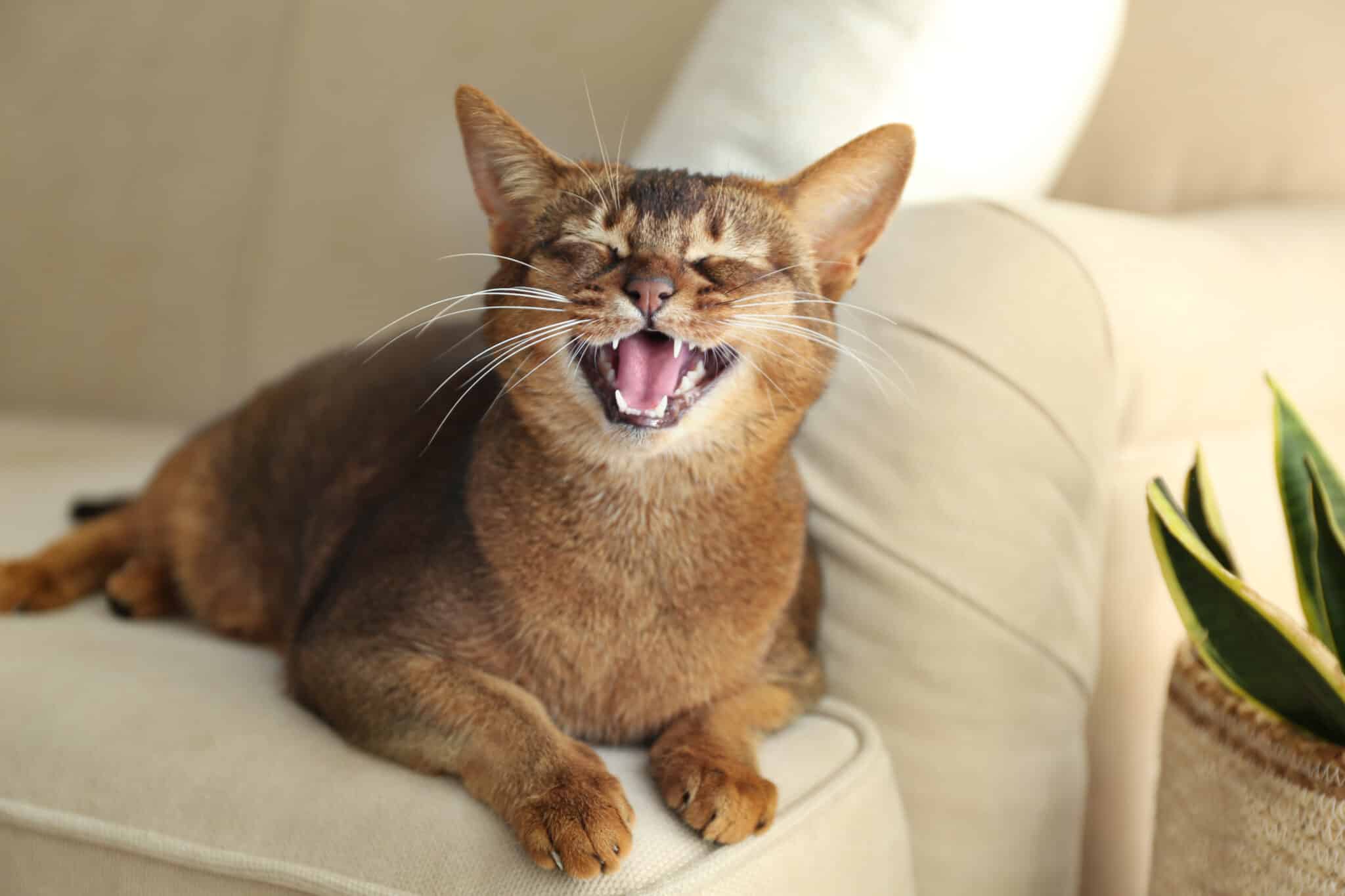
1. Abyssinian
Often referred to as the "clowns of the cat kingdom," the Abyssinian is a natural explorer with an insatiable appetite for discovery. Leaving a room unattended often means returning to find an agile Abyssinian balancing precariously on a high shelf or inspecting an open drawer. Their curiosity is paired with extraordinary athletic ability, allowing them to scale bookcases with ease. Without sufficient mental challenges, they invent their own entertainment.
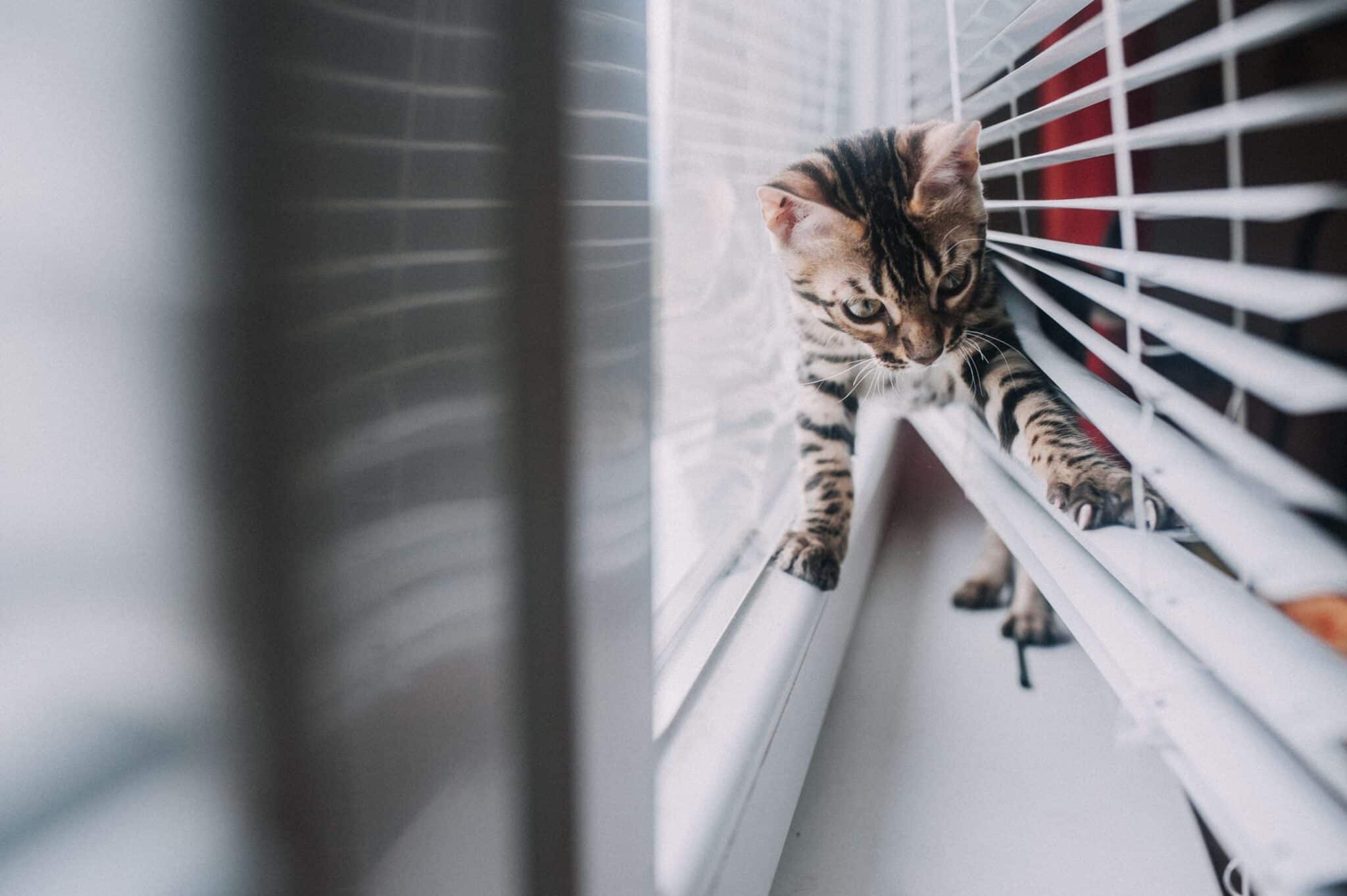
2. Bengal
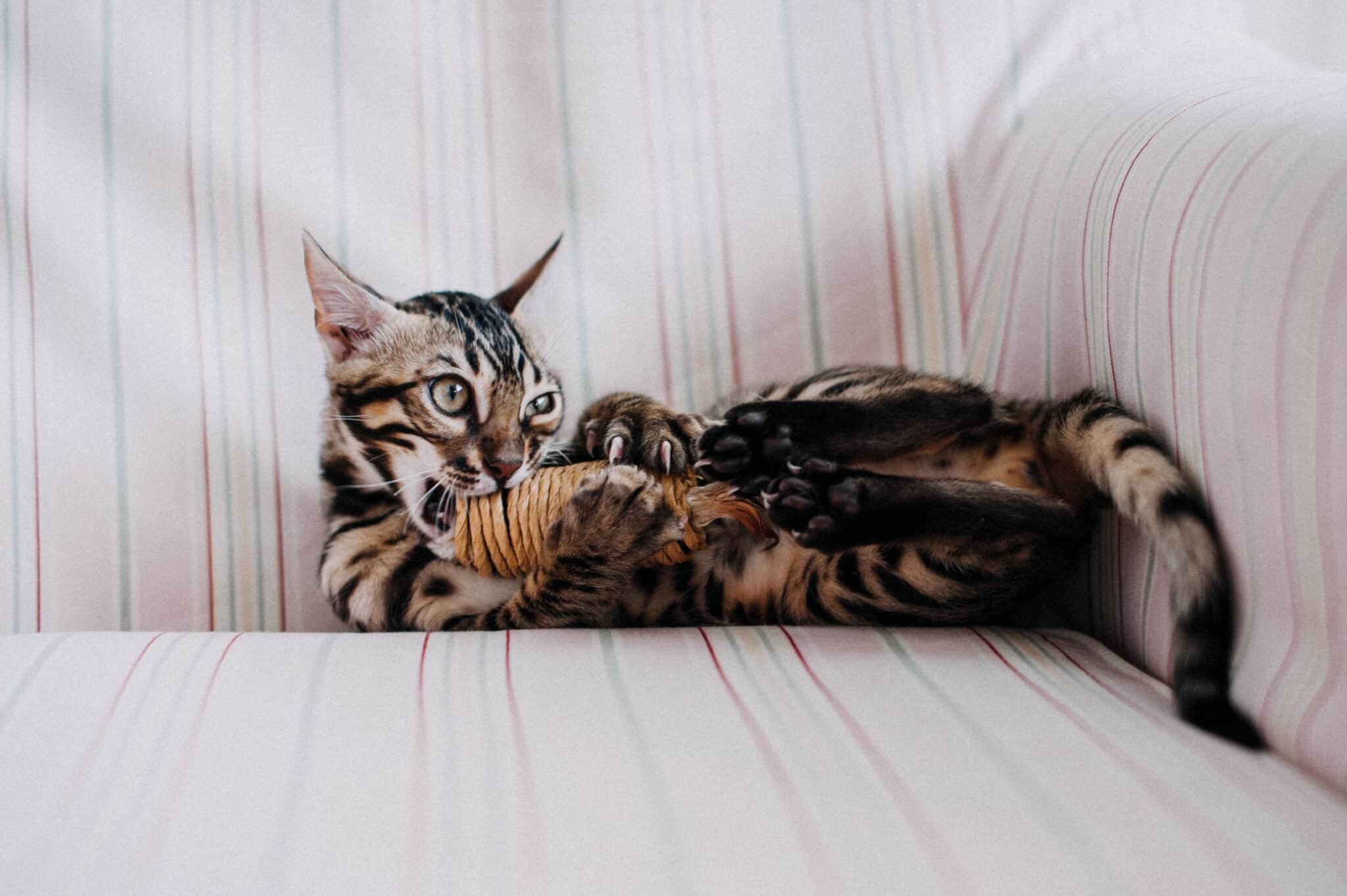
With their striking leopard-like spots and muscular frames, Bengals look perpetually ready to pounce. Their high intelligence makes them inventive troublemakers. A Bengal can easily learn to open cabinets, turn simple toys into complex hunting drills, or systematically investigate running water. Without rigorous daily engagement, they convert peaceful rooms into obstacle courses.
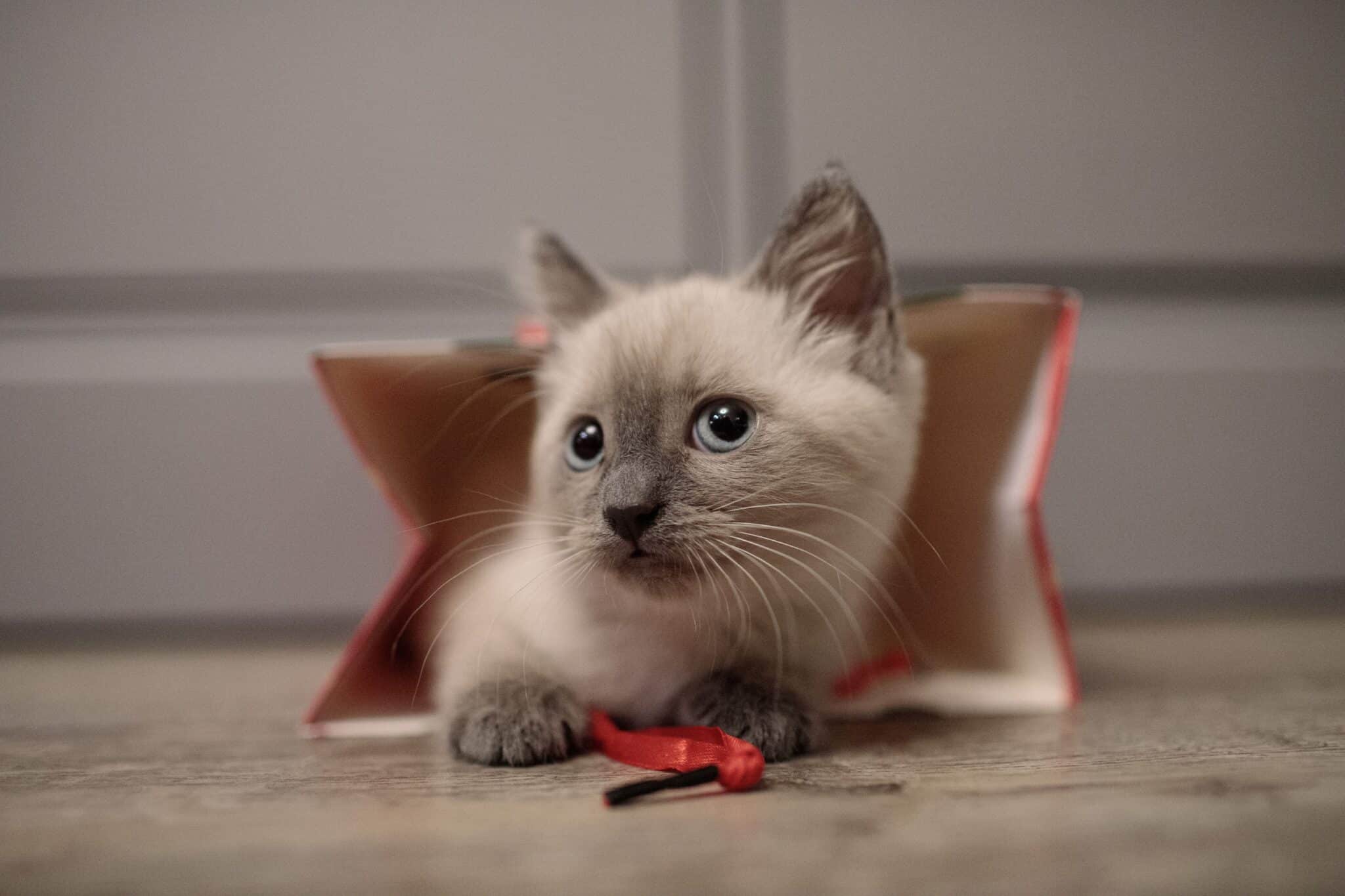
3. Siamese
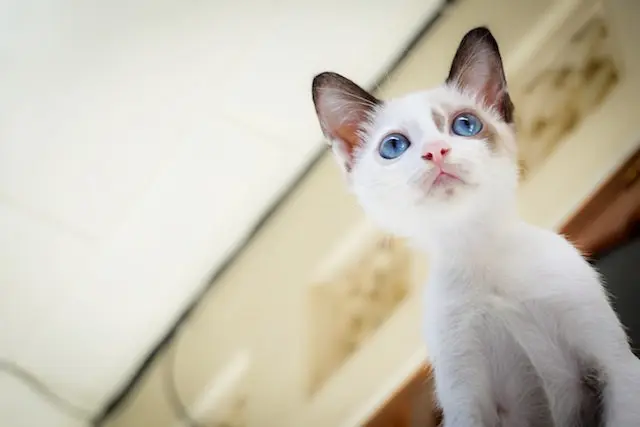
Famed for their striking blue eyes, color-point coats, and vocal nature, Siamese cats are exceptionally social and persistent. If something captures their interest—be it a closed door or a treat cupboard—they will voice their demands until acknowledged. Because they thrive on interaction, even a negative human reaction like a gentle scolding can reinforce their antics.
4. Maine Coon
Despite their massive size and majestic coats, Maine Coons retain a kitten-like curiosity well into adulthood. Their large paws make everyday investigations remarkably dramatic; a casual swipe at a glass or a box can yield significant commotion. Though gentle, their sheer physical presence means casual explorations have noticeable household consequences.
5. Sphynx
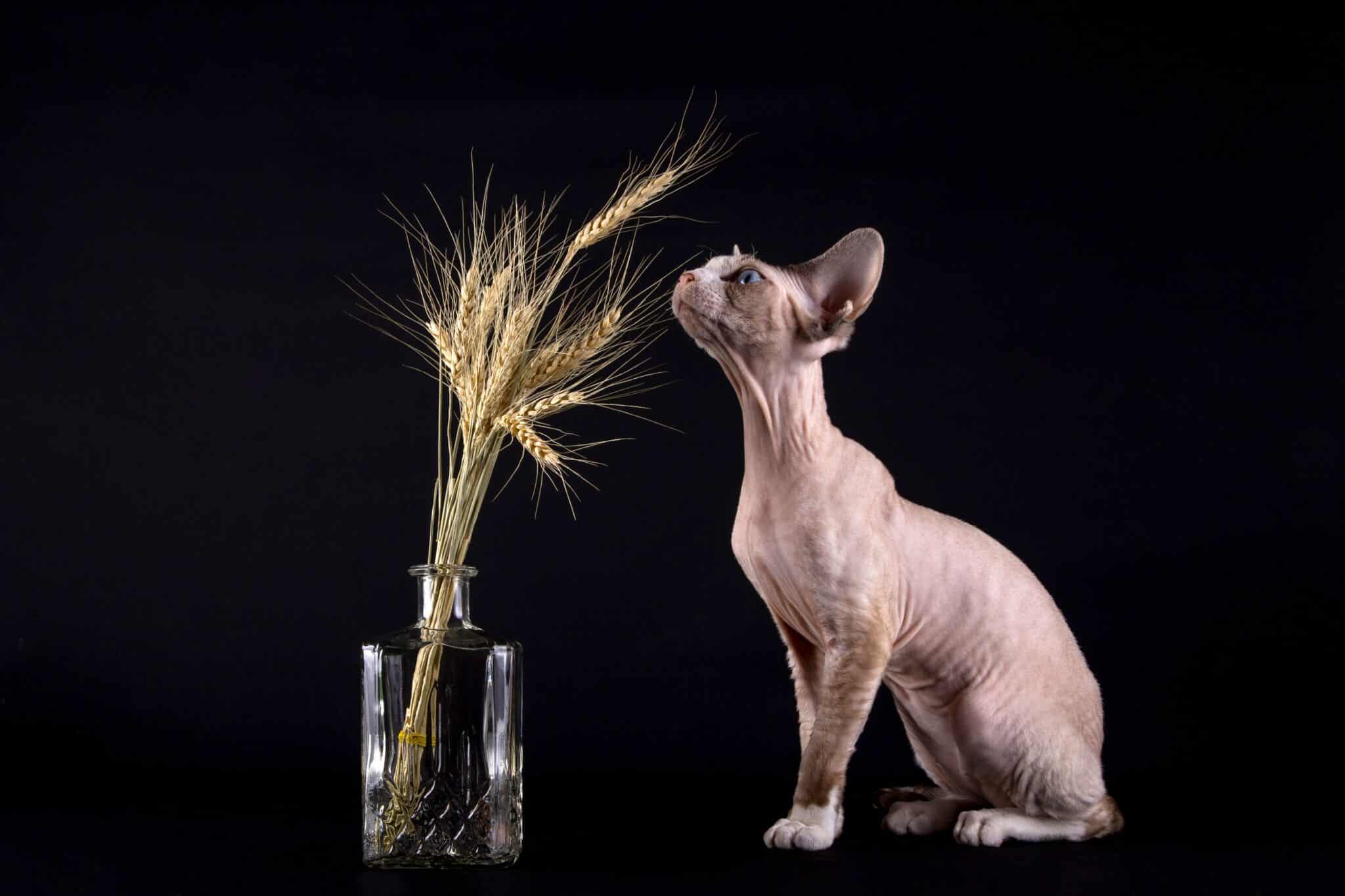
Hairless, warm to the touch, and endlessly lively, the Sphynx demands to be part of every domestic operation. From inspecting grocery bags to scaling a home office desk, their social nature drives them to seek attention persistently. Because they chill easily, they seek warm, enclosed resting spots, frequently resulting in unexpected discoveries inside laundry baskets or beneath blankets.
6. Turkish Van
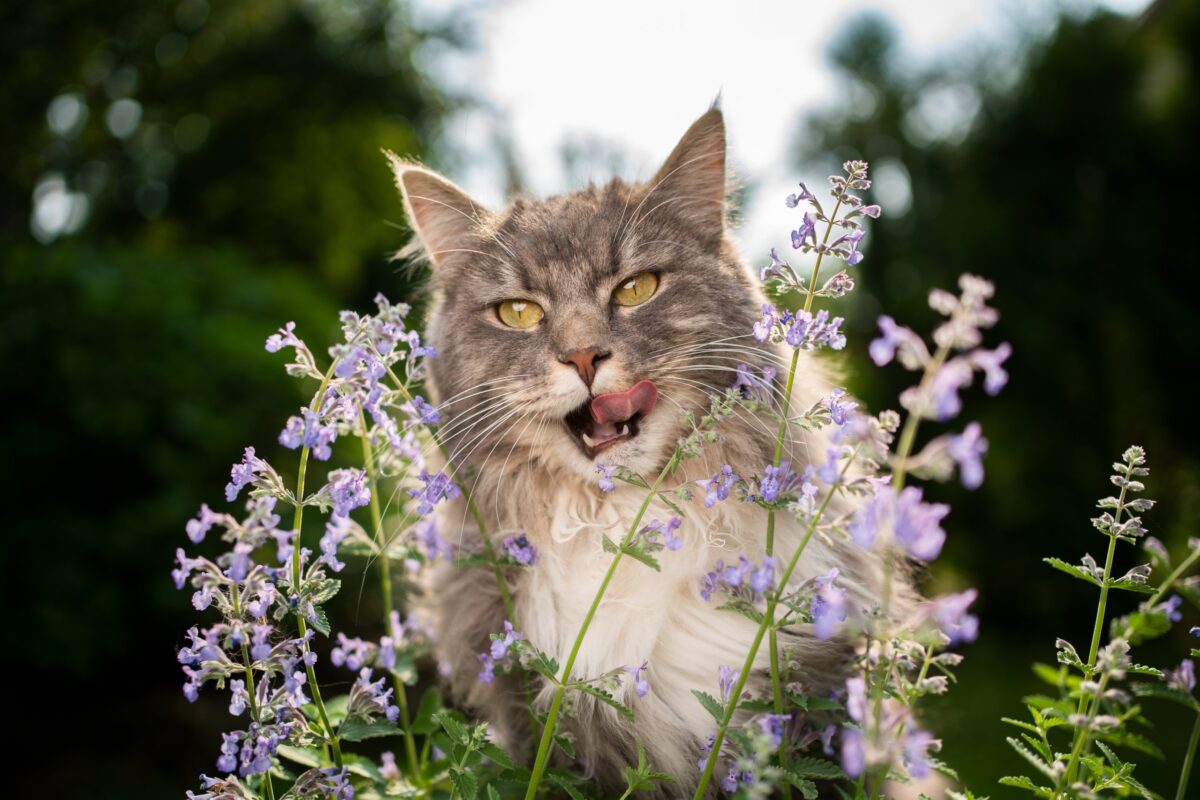
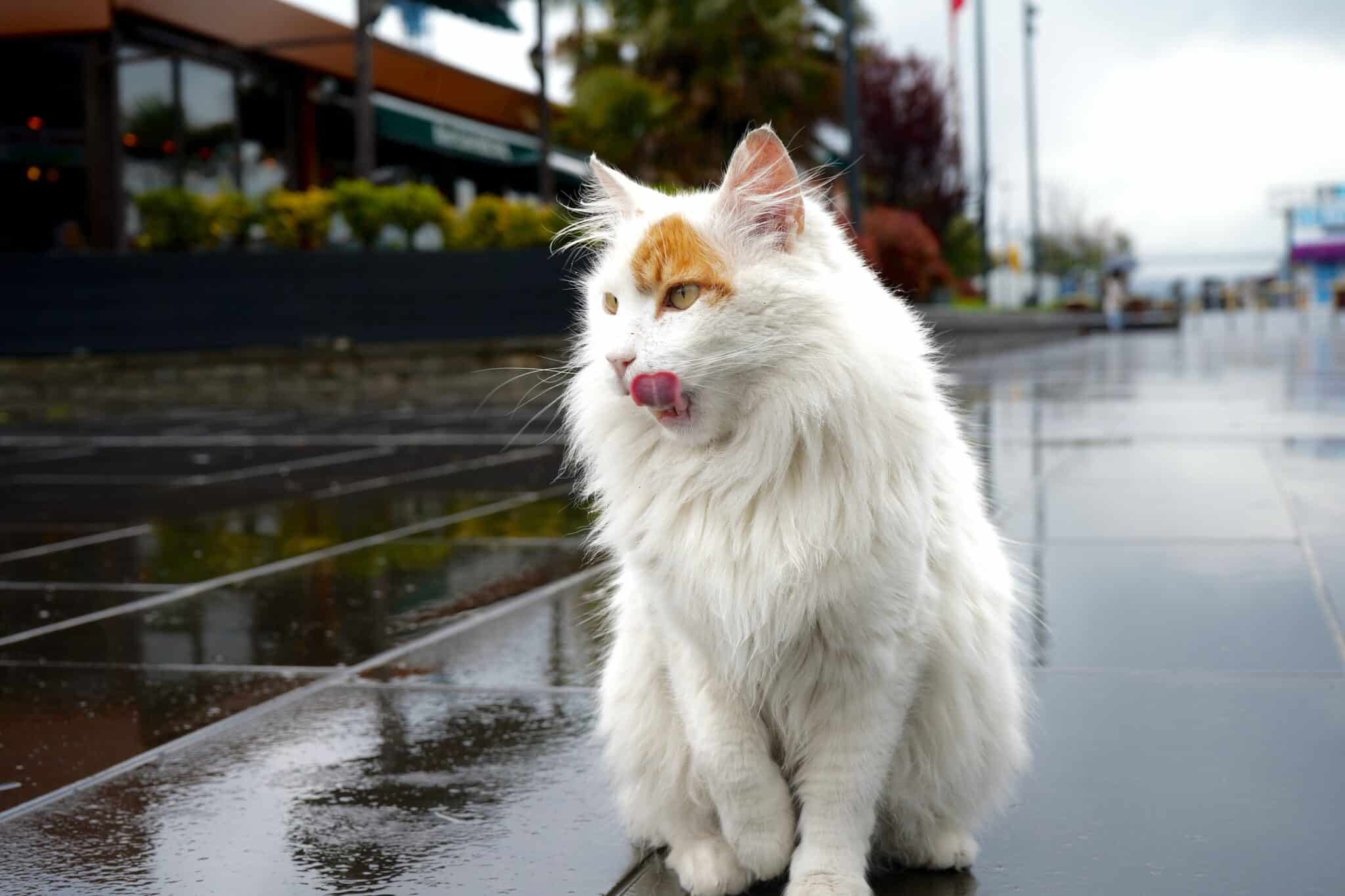
Known as the "swimming cat," the Turkish Van possesses an unusual fascination with water. Owners frequently find their Van investigating running taps, dipping paws into bowls, or studying water ripples like a scientist. Combined with powerful climbing muscles, their water play often leaves wet countertops and soaked floors in their wake.
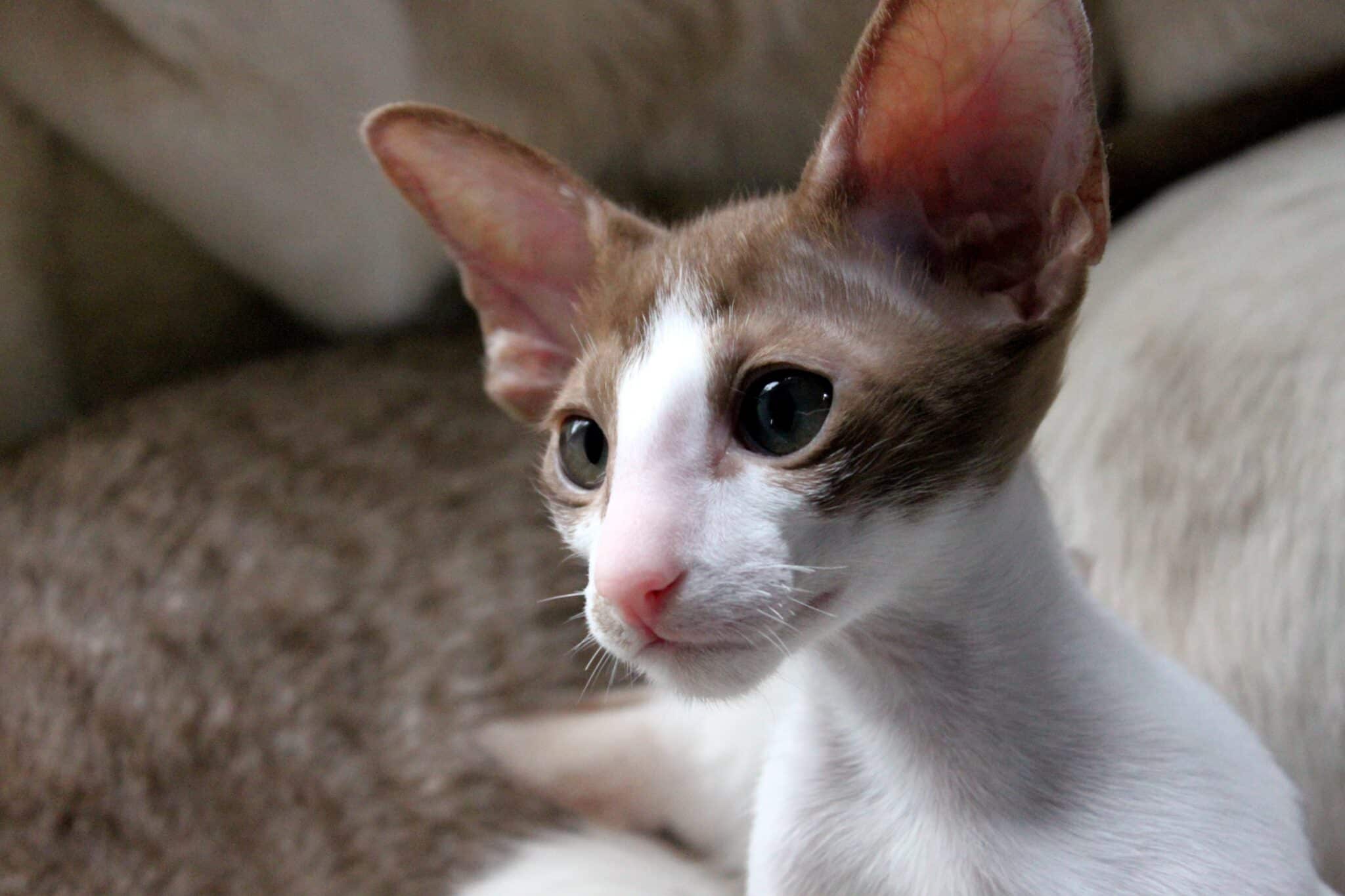
7. Cornish Rex
Distinguished by their slender frames and plush, wavy coats, Cornish Rex cats possess an endless well of energy. A loose receipt, a rolling pen, or a dangling cord instantly becomes a focal point for high-speed acrobatics. Their lightning-fast reflexes and desire to supervise human chores mean they frequently appear at the most inconvenient moments.
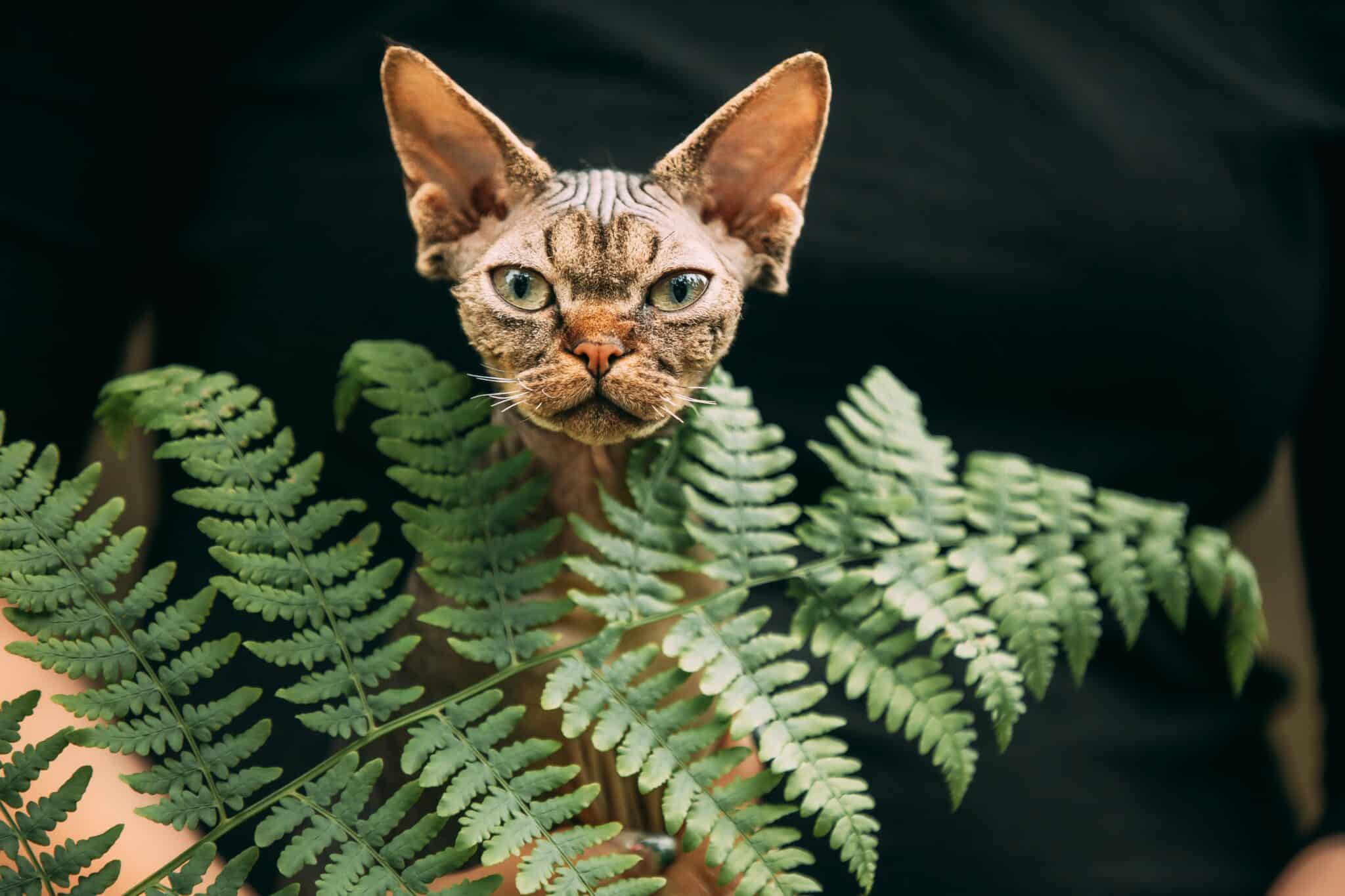
8. Devon Rex
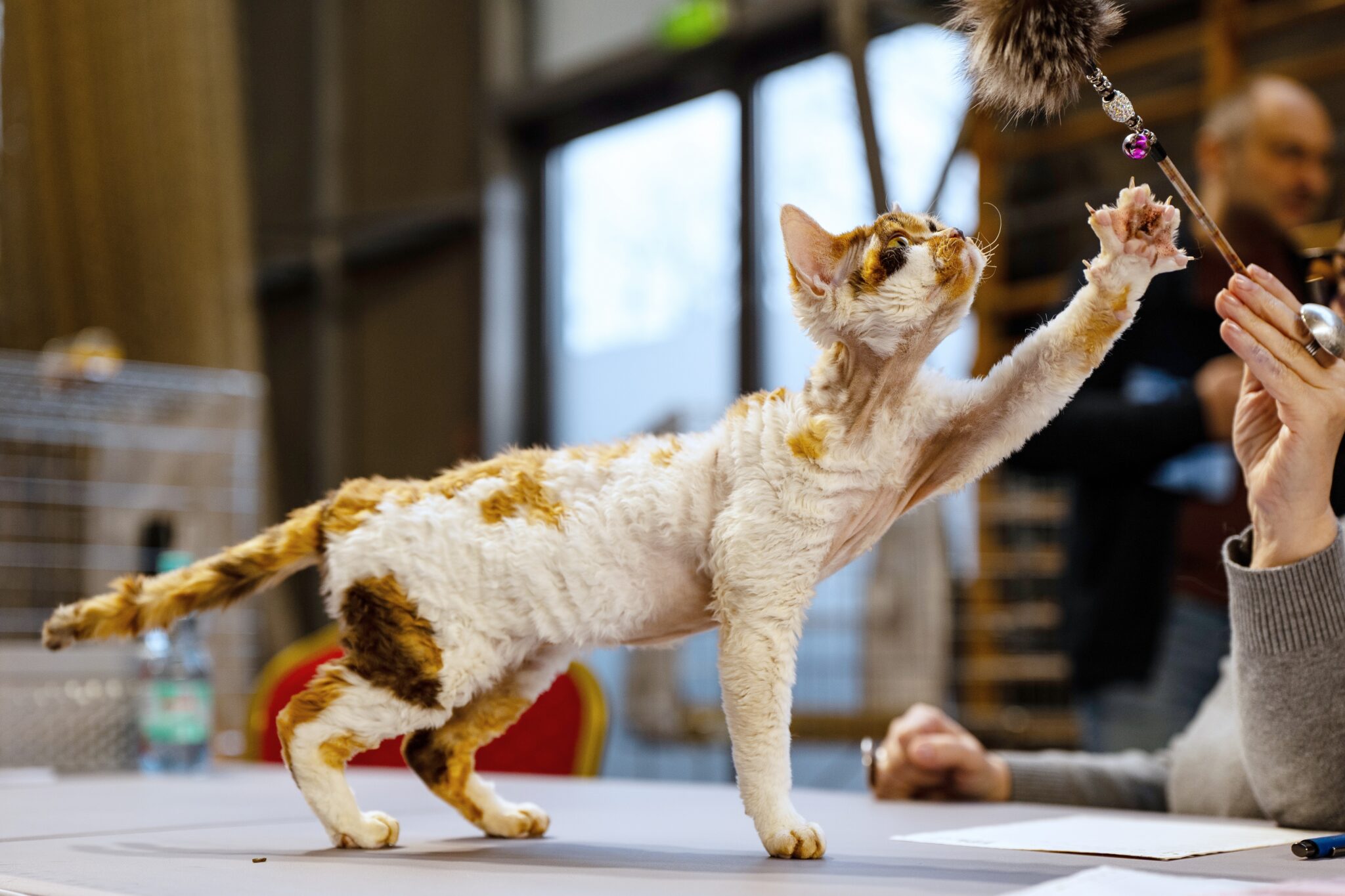
With oversized "elfin" ears and wide, inquisitive eyes, the Devon Rex is a master of mischief. They love perching on human shoulders, diving into bags, or turning blankets into ambush zones. Because they bore easily of static toys, they require constant environmental variation to keep their agile minds occupied.
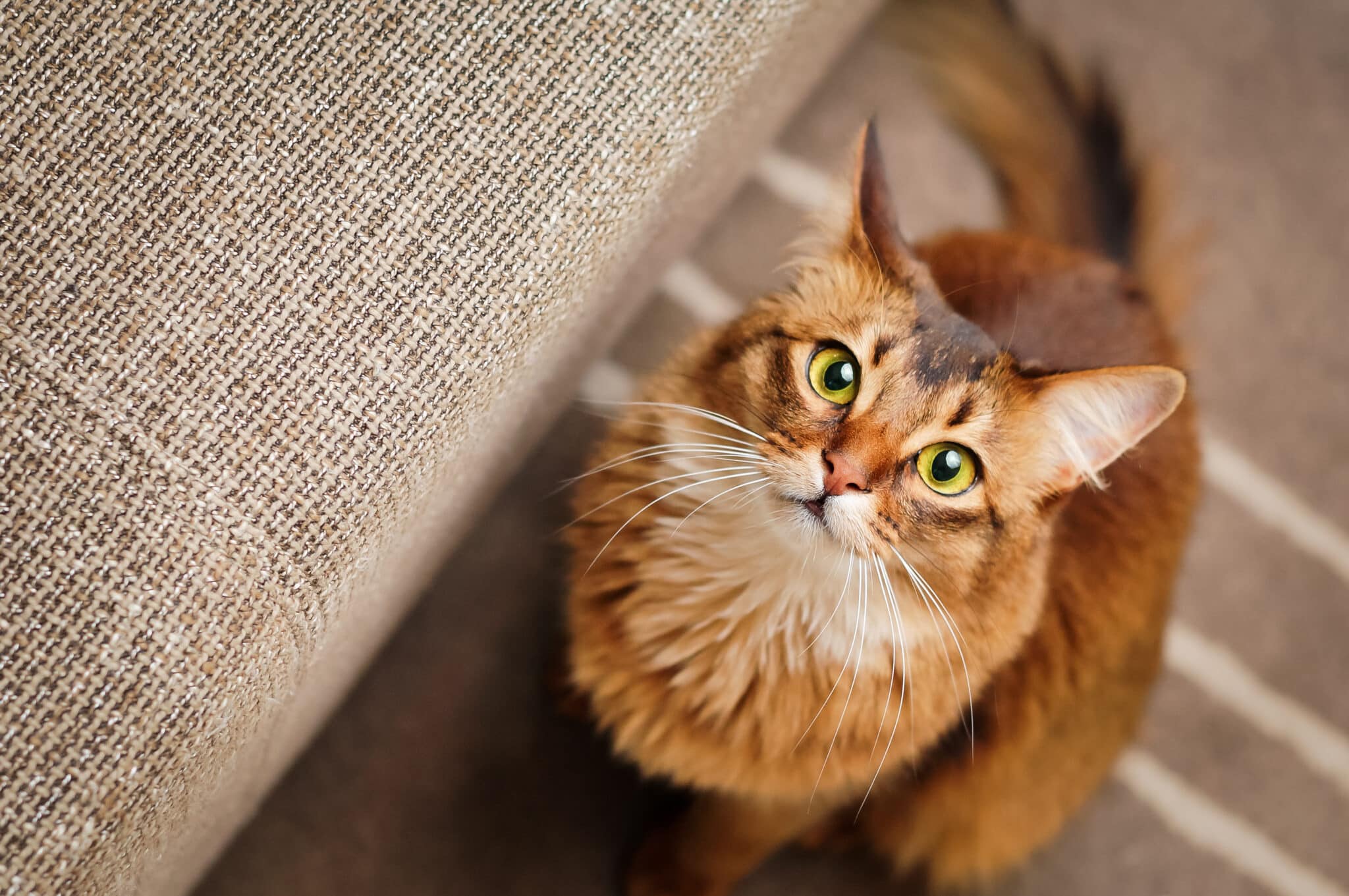
9. Somali
As the long-haired relative of the Abyssinian, the Somali combines a plush, bushy coat with an athletic, inquisitive disposition. They excel at climbing, jumping, and dissecting novel objects. Repetitive routines bore them quickly, driving them to scour the house for more stimulating adventures.
10. Oriental Shorthair
Sleek, vocal, and mentally relentless, Oriental Shorthairs want absolute transparency regarding household activities. They quickly learn daily schedules and frequently arrive at a destination before their human does. Their need for inclusion often manifests as walking across keyboards or persistently nudging busy owners.
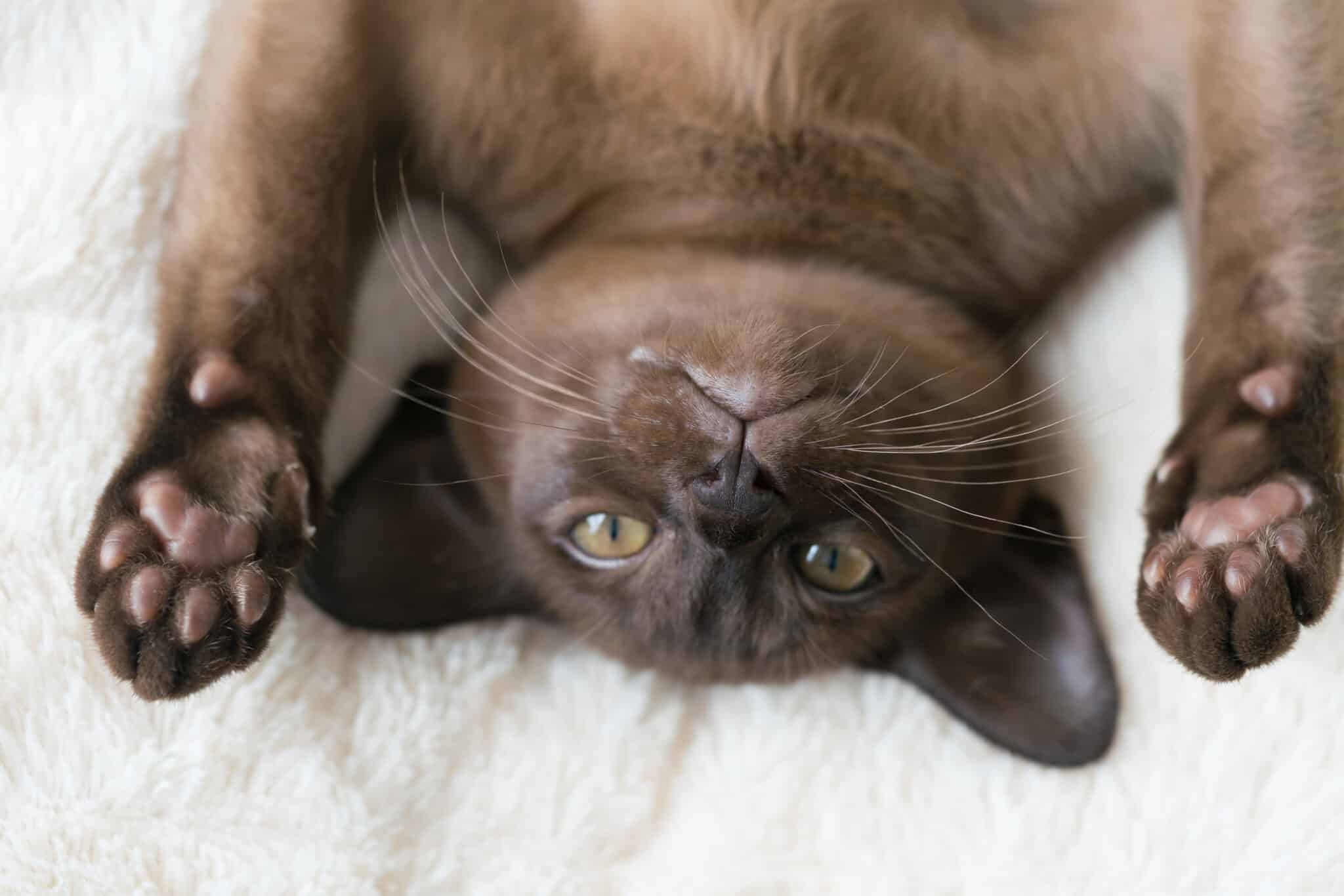
11. Burmese
People-oriented and affectionate, Burmese cats maintain a playful, kittenish demeanor throughout their lives. They insist on participating in daily tasks—whether that means inserting themselves into video conference calls or batting small items across hardwood floors until an owner joins the game.
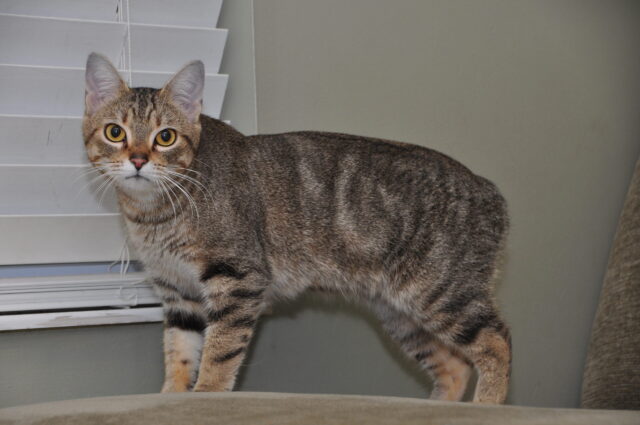
12. Manx
Recognizable by their stocky builds and characteristic lack of tails, Manx cats possess powerful hind legs that propel them into high-flying explorations. Their intelligence inspires creative attention-seeking behaviors, particularly when under-stimulated, turning ordinary household items into playthings.
13. Scottish Fold
Characterized by folded ears and sweet expressions, Scottish Folds balance a calm demeanor with genuine curiosity. They love poking paws into drawers and investigating new items. However, because they are prone to joint and cartilage conditions, their environment must be carefully managed to avoid high-impact jumping.
Official Statements & Expert Perspectives
Animal behaviorists and veterinary associations emphasize that feline mischief is a vital indicator of psychological well-being.
Dr. Elena Vance, a prominent feline behavioral researcher, notes:
"When an owner labels a cat as ‘destructive,’ they are almost always misinterpreting a cry for cognitive stimulation. Cats like Abyssinians and Bengals are operating at an elite intellectual level. If we fail to provide puzzles, climbing architecture, and interactive play, their environment defaults to a blank canvas that they are forced to paint with their own experiments."
Veterinary associations routinely advocate for "environmental enrichment" as a core component of preventative veterinary care. Chronic boredom in high-energy felines is directly linked to stress-related behavioral disorders, over-grooming, and inter-cat aggression. Experts stress that redirecting natural instincts through structured play sessions preserves the psychological health of the animal while safeguarding household belongings.
Future Outlook: The Intersection of Feline Enrichment and Modern Living
As urban living spaces become more compact and human work schedules increasingly balance remote and office environments, the challenge of managing high-energy cat breeds will intensify. The future of feline husbandry lies in proactive environmental design and technological integration.
Forward-thinking pet product manufacturers are developing automated puzzle feeders, app-controlled laser toys, and modular vertical climbing systems designed specifically to cater to high-drive breeds. Furthermore, veterinarians predict a rise in specialized indoor agility courses for cats, mirroring the canine agility training market.
Ultimately, the best defense against household disruption is proactive redirection. By embracing the natural investigative drive of breeds like the Bengal, Abyssinian, and Siamese—providing robust climbing infrastructure, rotating sensory toys, and dedicated interactive playtime—owners can transform chaotic domestic interruptions into moments of shared amusement. Curiosity is not a flaw in the feline design; it is the sparkling core of their charm, waiting to be safely unlocked.