
Executive Overview
For centuries, black cats have carried an extraordinarily heavy psychological and cultural burden. Wrapped in layers of folklore, historical misinterpretation, and cinematic tropes, these sleek felines have been alternately portrayed as harbingers of doom, magical familiars, unlucky omens, or seasonal Halloween props. Yet, behind the midnight-colored coats and piercing amber or green eyes lies a domestic companion whose primary concern is rarely global witchcraft, but rather whether their dinner will be served on schedule.
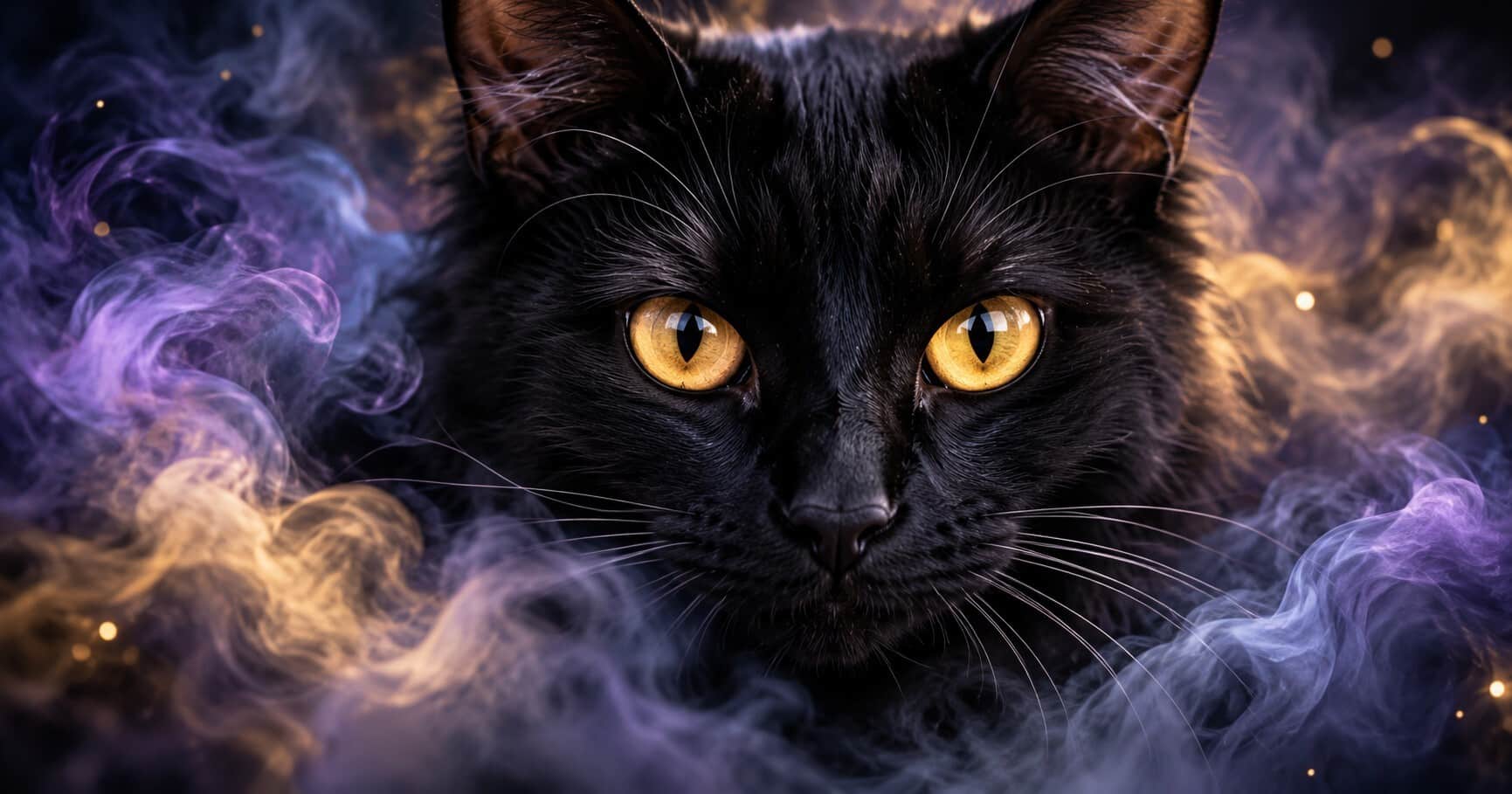
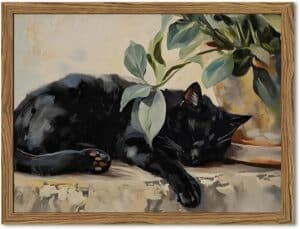
For the millions of devoted humans who share their homes with these miniature panthers, black cats require no mystical mythology to make them special. Their striking coats, expressive countenances, and notorious, uncanny ability to vanish entirely against a dark throw blanket or a shadowy hallway have earned them a fiercely loyal fan club.

However, beneath the playful merchandise and affectionate memes lies a more complex sociological reality. From medieval European persecution to modern shelter statistics and the pervasive myth of "black cat syndrome," the history of the black cat is a study in human psychology. This report examines the cultural roots of black cat superstitions, evaluates the empirical data regarding adoption rates, clarifies the genetics behind the coat color (including the persistent myth that every black cat is a Bombay), and celebrates the unique place these animals occupy in modern households.

Detailed Chronology: The Evolution of Black Cat Folklore
To understand why society views black cats through such a contradictory lens—celebrating them as cute companions in October while historically fearing them year-round—we must trace the historical timeline of feline-human relationships.

- Ancient Reverence (Pre-Middle Ages): Contrary to later European fears, early human civilizations held cats in extraordinarily high regard. In ancient Egypt, feline deities such as Bastet were worshipped as protectors of the home, fertility, and joy. Hurting a cat—even accidentally—was treated as a capital offense. In this era, dark coats were associated with divine grace rather than doom.
- The Medieval Turn and Religious Fear (13th Century): The cultural tides turned dramatically in medieval Europe. As the Catholic Church sought to consolidate power and stamp out lingering pagan practices, animals associated with nocturnal habits and independence fell under suspicion. Historical accounts pinpoint the 13th century as a critical pivot point. Pope Gregory IX’s 1233 papal document, Vox in Rama, has often been cited by historians (though sometimes debated in its exact framing) as linking cats—particularly black ones—with satanic worship and witchcraft.
- The Witch Trials and Folklore Integration (16th–17th Centuries): By the height of the European witch trials and their colonial American extensions, the black cat had been firmly cemented as the supernatural "familiar" of the witch. Folklore claimed that witches could transform into black cats up to nine times to roam undetected. This dangerous myth led to widespread persecution not only of suspected human heretics but also of countless innocent felines.
- Industrialization and the Birth of the "Bad Luck" Trope: As overt fears of witchcraft receded during the Enlightenment, the cultural residue transformed into secular superstition. The concept of a black cat crossing one’s path bringing bad luck became a staple of folk superstition, heavily reinforced by popular literature, traveling carnivals, and eventually early cinema.
- The Modern Era and Cultural Reclaiming (Late 20th–21st Century): In response to lingering adoption stigmas and Halloween exploitation, animal welfare organizations began pushing back. A major milestone occurred in 2011 when the U.K.-based charity Cats Protection established National Black Cat Day (observed annually on October 27). This initiative catalyzed a global shift toward celebrating, rather than fearing, the midnight feline.
Supporting Context & Metrics: Unpacking "Black Cat Syndrome"
One of the most persistent narratives in animal welfare is that black cats suffer from severe adoption bias—often referred to in the shelter community as "black cat syndrome." The claim suggests that dark-coated felines linger longer in cages, face higher euthanasia rates, and are systematically bypassed by adopters in favor of tabbies, calicos, or white cats.

However, rigorous contemporary data indicates that the reality is considerably more nuanced than a simple black-and-white narrative.

The Empirical Evidence
A comprehensive multi-year study published in animal welfare literature examined nearly 8,000 cats entering an urban U.S. shelter in Kentucky. The initial raw data appeared to support the traditional narrative: black cats did indeed record the lowest adoption rates and the highest euthanasia rates among all coat colors.

However, when researchers subjected the data to advanced multivariate statistical analysis—controlling for variables such as age, health status, behavioral disposition, and length of stay—the direct association between coat color and shelter outcomes weakened substantially. The researchers concluded that while surface-level biases may exist among certain segments of the public, coat color alone is a minor predictor of a shelter cat’s ultimate fate compared to factors like temperament, socialization, and systemic shelter management practices.

The Evolution of Shelter Outcomes
Furthermore, animal organizations worldwide have reported measurable improvements in public perception over the past decade. Campaigns spearheaded by groups like Cats Protection have successfully closed the adoption gap in many regions. In the U.K., statistical tracking reveals that black and black-and-white cats now spend significantly less time in care than they did when National Black Cat Day was first inaugurated.

Ultimately, shelter experts emphasize that while visual bias can occasionally play a role—compounded by the fact that black cats are notoriously difficult to photograph well in dimly lit shelter environments—an individual cat’s personality, friendliness, and health remain the primary drivers of successful matchmaking.
Official Statements and Expert Perspectives
Animal behaviorists, shelter directors, and breed registries continually work to dispel persistent myths surrounding black cats. Their insights highlight the gap between biological fact and cultural fiction.

- On Breed Genetics: The Cat Fanciers’ Association (CFA) frequently reminds the public that a black coat is a pigmentation trait, not a distinct breed. While the Bombay cat was intentionally bred in the 1960s—crossing American Shorthairs with Burmese cats—to create a "miniature black panther" with copper eyes and a sleek, pitch-black coat down to the roots, the vast majority of black shelter cats are domestic shorthairs or longhairs.
- On Temperament: Behavioral experts consistently refute the notion that coat color dictates personality. A cat’s behavior is shaped by genetics, early socialization, environment, and individual temperament—not melanin concentration in their fur. Black cats are just as likely to be playful, aloof, vocal, or deeply cuddly as any other cat.
- On Seasonal Welfare: Shelter administrators routinely issue public service announcements ahead of Halloween, urging caution regarding the adoption of black cats during October. While modern research suggests that the old fear of black cats being targeted for malicious pranks is largely statistically overblown, shelters remain vigilant to ensure that holiday adoptions represent lifelong commitments rather than temporary decorative choices.
Future Outlook: Celebrating House Panthers Year-Round
As cultural attitudes continue to evolve, the narrative surrounding black cats is undergoing a welcome renaissance. Fueled by internet culture, specialized merchandise, and proactive shelter marketing, the black cat is increasingly viewed as an emblem of chic elegance rather than superstition.

For those looking to celebrate their feline companions, the market now offers everything from bespoke apparel and gothic home decor to practical lifestyle accessories—proving that black cat appreciation is no longer confined to the shadows of October.

Whether lounging in a sunbeam, making "biscuits" on a sleeping human’s chest at 4:00 AM, or masterfully disappearing against a dark rug, black cats have firmly secured their place as royalty in the modern home. The future outlook for these magnificent animals is bright: backed by education, dedicated rescue advocates, and an army of devoted cat parents, the only spell black cats are casting today is one of absolute, undeniable charm.