
Executive Overview
As the scorching heat of the Arizona summer finally relents, home supply stores, local nurseries, and neighborhood supermarkets burst with an array of eye-catching blooms, winter vegetables, resilient shrubs, and leafy trees. For residents across the sprawling Phoenix metropolitan area—often referred to as the Valley of the Sun—autumn marks the unofficial beginning of the gardening calendar. It is widely recognized by regional horticulturists as the single best time to plant. Young specimens introduced during this season are granted a critical window of three temperate seasons to establish robust root systems before the return of the brutal summer heatwaves. Furthermore, this autumn buffer affords property owners ample time to assess, monitor, and fine-tune irrigation and shading strategies before plants face environmental extremes.
However, the transition from browsing to actual cultivation is fraught with hazards for the uninitiated. Navigating the aisles of a nursery can easily lead to impulse purchases driven by vibrant floral displays that are entirely unsuited to the Sonoran Desert’s unique microclimates. Transforming an arid patch of land into a thriving, biodiverse oasis requires more than enthusiasm; it demands a nuanced understanding of regional botany, strategic planning, and an appreciation for ecological synergy.
This comprehensive guide explores the essential principles of desert gardening—from decoding USDA Hardiness Zones and adhering to the golden rule of "Right Plant, Right Place," to swapping out common invasive or water-heavy exotics for resilient, high-impact native species. By leveraging native flora, Valley residents can dramatically reduce water consumption, create critical urban sanctuaries for local pollinators and migratory birds, and cultivate sustainable landscapes that endure.
Detailed Chronology: The Seasonal Rhythms of Desert Gardening
Understanding the rhythm of the Sonoran Desert is the cornerstone of successful horticulture. Unlike temperate regions where spring is the universal season for new growth, the Southwest operates on a calendar dictated by thermal stress and water availability.
Phase 1: The Autumn Window (September – November)
The horticultural year in the Valley of the Sun begins in the fall. As daytime temperatures drop out of the triple digits, soil temperatures remain warm enough to stimulate root growth without shocking the plant.
- Establishment Period: Planting during these months allows root systems to expand deep into the earth. When winter arrives, the top growth may slow down, but underground development continues unabated.
- Assessment and Adjustment: Gardeners can use the winter months to observe how sunlight moves across their property, identifying microclimates that receive intense southern exposure versus those shaded by walls or eaves. This observational period prevents the placement of shade-loving plants in scorching, unshielded exposures.
Phase 2: The Winter Awakening (December – February)
Winter in the Valley brings mild days and crisp, occasionally freezing nights.
- Growth and Bloom: Many native plants, such as the Chuparosa and various wildflowers, begin their active blooming cycles during this period, capitalizing on winter rains and moderate daytime warmth.
- Pruning and Maintenance: This is the ideal time to prune deciduous vines, shape shrubs, and clear out debris before the spring surge. Gardeners must remain vigilant regarding frost warnings, protecting tender new growth with frost cloth when temperatures dip below freezing.
Phase 3: The Spring Flourish (March – May)
Spring is an explosion of life in the desert.
- Pollinator Peak: Native vines like the Passiflora arizonica burst into continuous bloom, attracting sphinx moths, bees, and butterflies such as the Gulf Fritillary.
- Fruit Production: Spring blooms quickly transition into edible fruits for desert fauna and human foragers alike. However, as May approaches, gardeners must ensure their irrigation systems are optimized to handle the steep climb in temperature.
Phase 4: The Summer Endurance Test (June – August)
The monsoon season brings high humidity, dramatic thunderstorms, and searing ambient temperatures that routinely exceed 110°F.
- Survival Mode: The primary objective during summer is maintenance and survival rather than new growth.
- Water Management: "Drought-tolerant" does not mean "maintenance-free." Established native plants require deep, infrequent irrigation to mimic natural desert rainfall patterns, helping them weather the thermal onslaught without succumbing to heat stress.
Supporting Context & Metrics: Decoding the Sonoran Ecosystem
Arizona is a state of startling ecological diversity. For the unwary gardener, treating the state as a monolith is a recipe for botanical failure.
The Importance of USDA Hardiness Zones
The greater Phoenix metropolitan area is deceptively complex. While outsiders often view the Valley as a uniform heat sink, local topography, elevation gradients, and urban heat island effects create three to four distinct USDA Plant Hardiness Zones within the metro area alone.
- Microclimate Discrepancies: A plant that thrives in the cooler microclimate of North Scottsdale may experience severe thermal shock or dieback in lower-elevation, heat-trapped pockets like Buckeye or parts of South Phoenix.
- Verification: Gardeners are strongly advised to cross-reference their specific zip code with official USDA Plant Hardiness Zone maps and meticulously inspect plant tags before making a purchase.
The Principle of "Right Plant, Right Place"
A fundamental tenet of sustainable landscaping is matching a plant’s biological requirements and mature physical characteristics to its intended location.
- Spatial Awareness: A Prickly Pear cactus (Opuntia), for instance, is an exemplary native choice—it is supremely drought-tolerant, produces stunning spring blooms, and yields edible fruit. However, planting one adjacent to a backyard swimming pool, high-traffic walkway, or children’s jungle gym creates an ongoing safety hazard due to its sharp spines and glochids.
- Mature Dimensions: Gardeners must project forward five to ten years, accounting for the mature height, spread, and structural density of trees and shrubs to prevent future conflicts with utility lines, foundations, and neighboring properties.
Ecological Interconnectedness
Urban sprawl in the American Southwest has severely fragmented native wildlife corridors. Residential landscapes, when thoughtfully designed, serve as crucial stepping stones for local biodiversity. Integrating native plants into suburban yards provides:
- Forage and Nectar: Sustenance for declining populations of native bees, butterflies, and hummingbirds.
- Habitat and Refuge: Dense thickets and thorny branches offer nesting sites and protection from avian and mammalian predators.
Official Statements & Expert Horticultural Advice
Navigating the transition from traditional, water-intensive landscaping to a native-focused desert paradigm requires expert guidance. Horticultural extension agents, master gardeners, and native plant societies emphasize several core strategies to ensure long-term success.
The Native Plant Substitutions
To maximize ecological value while minimizing resource consumption, experts recommend phasing out ubiquitous non-native ornamentals in favor of high-performing native alternatives:
-
Trade Bougainvillea for Native Passion Vine (Passiflora arizonica)
- The Problem with the Status Quo: Bougainvillea, native to South America, is famous for its brilliant magenta bracts, but it comes with aggressive thorns, high water demands in peak summer, and flowers that offer little value to local pollinators.
- The Native Solution: The Native Passion Vine is a rapid grower capable of spreading 20 by 15 feet in a single year. It features stunning night-blooming flowers that attract sphinx moths, transitioning into daylight displays that draw colorful butterflies—most notably the Gulf Fritillary, which uses the vine as a primary host plant for its caterpillars. It produces edible summer fruit and handles aggressive pruning with ease.
-
Trade Hesperaloe for Chuparosa (Justicia californica)
- The Problem with the Status Quo: Hesperaloe (such as Red Yucca), while well-adapted to the desert, has become the cliché plant of municipal parking lots and highway medians, offering monotonous visual texture and limited forage diversity.
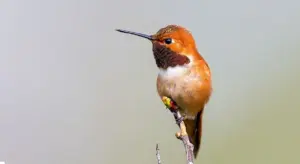
- The Native Solution: For homeowners looking to attract hummingbirds, Chuparosa is unmatched. Tolerant of poor soils and searing heat, it produces tubular, lipstick-red blossoms almost year-round. These edible flowers boast a delicate cucumber flavor. The plant’s profuse blooming habits eliminate the need for artificial hummingbird feeders, frequently drawing Anna’s, Black-chinned, and Costa’s hummingbirds to the yard.
-
Trade Oleander for Desert Hackberry (Celtis pallida)
- The Problem with the Status Quo: Oleander is an invasive, highly toxic shrub that has dominated Southwest landscapes for decades. Crucially, older specimens across the Phoenix Valley are increasingly vulnerable to Oleander Leaf Scorch (OLS), a fatal bacterial disease spread by insect vectors.
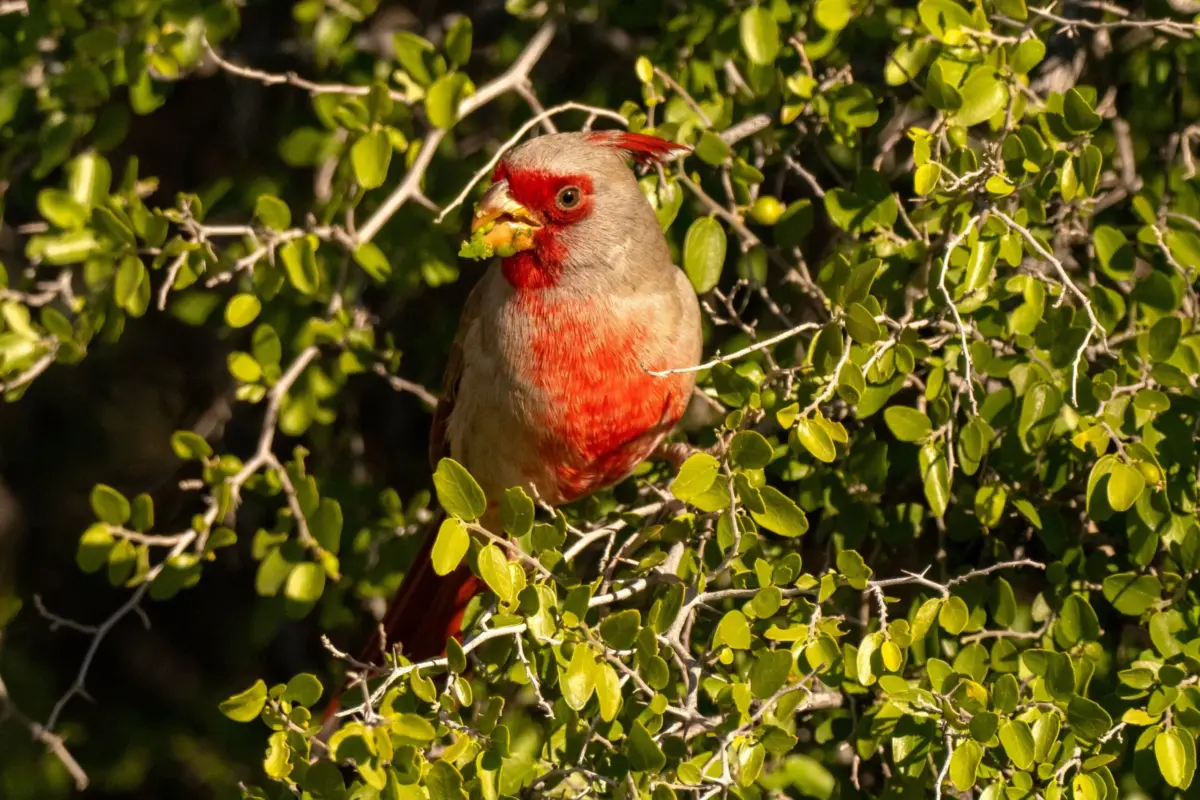
- The Native Solution: Desert Hackberry is an exceptionally sturdy evergreen shrub or small tree that provides year-round visual interest. In spring, its tiny white flowers emit a sweet fragrance that attracts beneficial insects. These give way to edible red berries prized by Northern Mockingbirds, House Finches, and migratory species like White-crowned Sparrows. Furthermore, its dense, thorny growth habit provides a natural fortress where native birds can nest safely away from predators.
The Myth of "Maintenance-Free" Desert Plants
A common misconception among new desert residents is that "drought-tolerant" equates to "invulnerable and self-sustaining."
- The Irrigation Reality: Horticultural authorities stress that newly installed native plants require consistent, attentive watering schedules to establish their root systems. They are not botanical miracles capable of surviving neglect.
- Early Intervention: Gardeners must monitor their landscapes closely for signs of water stress, wilting, or chlorosis. Consulting a local nursery or agricultural extension service at the first sign of trouble allows for early intervention, disease management, and soil remediation before minor issues become terminal.
Future Outlook: Sustainable Landscapes in the Arid Urban Core
As climate change accelerates, municipal water authorities across the American Southwest face unprecedented pressure to secure sustainable water supplies from the dwindling Colorado River basin. The traditional suburban landscape—defined by manicured Kentucky bluegrass lawns, thirsty non-native trees, and high-pressure flood irrigation—is rapidly becoming an ecological and economic relic of the past.
The future of urban and suburban design in the Valley of the Sun lies in regenerative, native-centric landscaping. By embracing xeriscaping principles that rely heavily on Sonoran Desert natives, homeowners are not merely reducing their utility bills; they are actively participating in regional conservation efforts. These living landscapes act as carbon sinks, reduce the urban heat island effect through enhanced shade and transpiration, and restore migratory pathways for imperiled bird and insect populations.
Ultimately, mastering the art of desert gardening transforms the relationship between residents and their environment. By shifting the paradigm from fighting the desert to harmonizing with it, Valley homeowners can cultivate landscapes of breathtaking beauty, resilience, and ecological vitality that will endure for generations to come. Happy planting!