
Executive Overview
From the simple baked potato served at a family dinner to the ubiquitous French fry anchoring fast-food combos around the globe, the potato remains one of the world’s most resilient and reliable staple crops. Yet beneath the surface of this culinary ubiquity lies a volatile economic reality. For the producers who wake up before dawn to cultivate the land, the arithmetic of modern farming is undergoing a seismic, and often painful, shift.
In Rupert, Idaho, third-generation potato grower Taylor Grant stands at the frontline of this agricultural turbulence. As the chief operations officer of Grant 4-D Farms—a sprawling, 30,000-acre irrigated enterprise specializing primarily in russet potatoes—Grant has watched years of steady production growth finally catch up with, and ultimately surpass, market demand. The result is a classic, punishing supply-and-demand mismatch that has driven down crop values just as operational expenditures soar to unprecedented heights.
The 2026 agricultural season has proven to be an uphill battle for Idaho’s potato growers. A toxic convergence of macro-economic pressures, volatile geopolitical conflicts driving up fuel expenses, unpredictable regional weather patterns, and the lingering environmental fallout of Canadian wildfires has tested the endurance of even the most sophisticated operations. Compounding these hurdles is the relentless upward spiral of input costs, from heavy-machinery leases to vital fertilizers, forcing producers to rethink their entire business models.
Yet, amid the gloom of deflated commodity prices and tightened margins, a quiet transformation is taking root across Idaho’s fertile plains. Forward-thinking farmers are discovering that the solution to spiraling capital costs and shrinking returns is not found in heavier steel or bigger tractors, but in the realm of artificial intelligence and advanced digital integration. As Grant and his peers navigate the treacherous landscape of the 2026 harvest, they are pioneering a technological shift that could permanently alter how the world’s favorite tuber moves from the Idaho soil to the global plate.
Detailed Chronology of the 2026 Growing Season
To fully understand the pressures facing contemporary potato production, one must trace the compounding challenges of the 2026 agricultural calendar. For Grant 4-D Farms—one of four primary family farms supplying the grower-owned food manufacturer The Mart Group, which distributes fresh, frozen, and processed potato products to wholesalers and grocers nationwide—the year began not with a triumph of yield, but with an atmospheric anomaly.
Spring Planting Amid Meteorological Whiplash
The trouble began in the early months of 2026, delivering what Grant describes to AgNavigator as a "really odd spring." Unlike a standard seasonal progression, February brought unusually dry and warm conditions to the region, creating a false sense of security and prompting early fieldwork. However, this premature warmth abruptly gave way to a starkly different climate pattern in March and April. The unexpected meteorological whiplash disrupted the delicate timing required for planting delicate seed potatoes, forcing farmers to make split-second adjustments to their schedules.
The Summer Shadow: Wildfire Smoke and Crop Development
As the crops transitioned from planting to the critical bulking phase during the summer months, a secondary environmental hurdle emerged. Plumes of smoke from Canadian wildfires drifted south, blanketing parts of Idaho and casting a literal shadow over the agricultural sector.
While the exact impacts varied widely by microclimate, the reduction in direct sunlight hampered photosynthetic efficiency across multiple growing districts. Despite this, regional resilience shone through. Assessing the crop yield as harvest commenced, Grant projected a varied landscape of agricultural output across the state:
- Western Idaho: Anticipated to finish slightly above average in terms of volume.
- Central Idaho: On track to yield right around historical averages.
- Eastern Idaho: Expected to register slightly below average totals.
Remarkably, despite the hurdles of erratic spring weather and hazy summer skies, the overall crop quality exceeded expectations. "I would say the quality that we were putting away is probably some of the best quality that I’ve seen in the last several years," Grant noted, highlighting the resilience of Idaho’s agricultural workforce.
The Harvest Crunch and Geopolitical Shockwaves
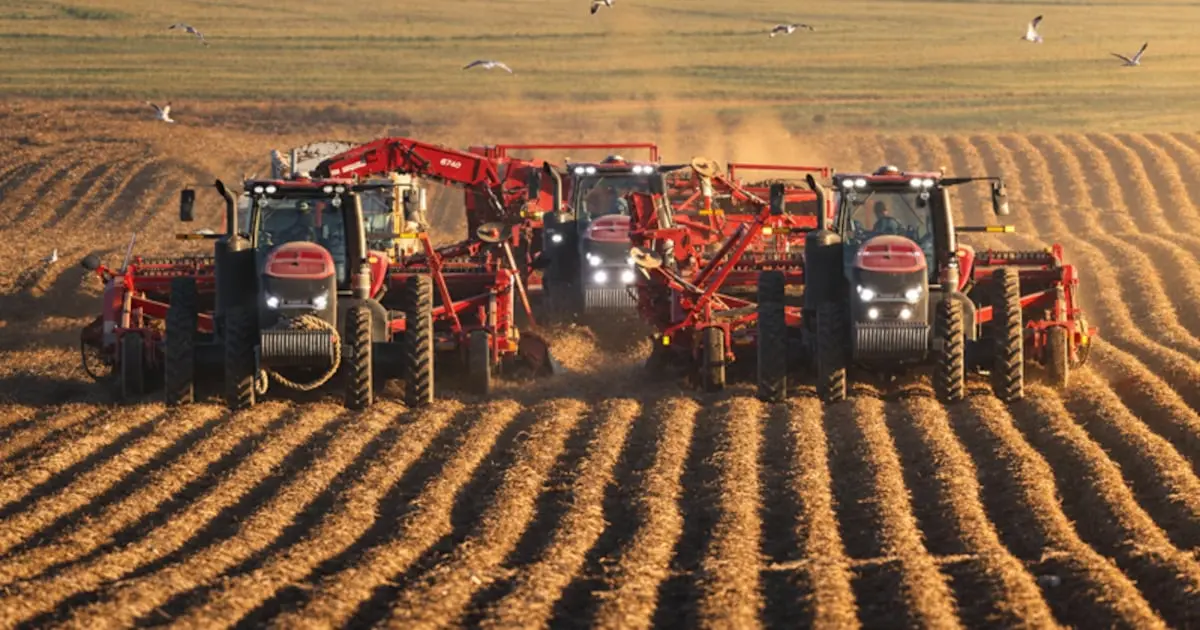
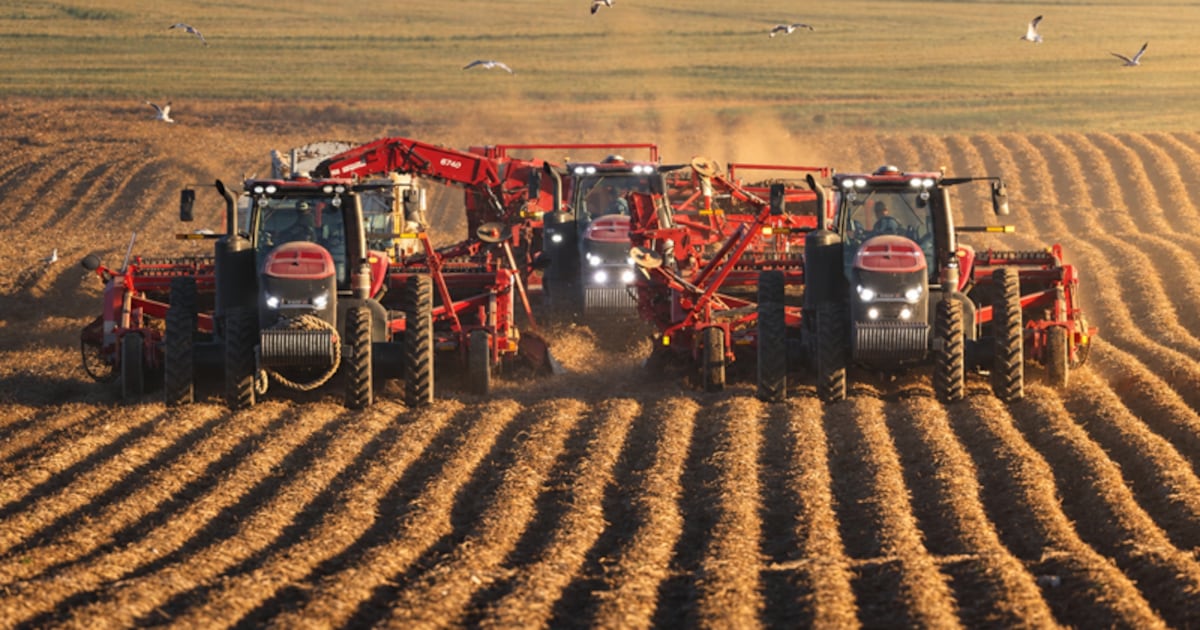
By harvest time, the financial pressure reached a crescendo. Harvesting potatoes is a high-stakes, capital-intensive endeavor. As Grant pointed out, by the time the machinery rolls into the fields to dig up the tubers, "90% of the costs [are] already in the ground."
Farmers cannot simply pause operations when external costs spike; they must protect their heavy capital investments by pulling the crop out of the earth, regardless of immediate market headwinds. In 2026, those harvesting costs were severely exacerbated by global events. Geopolitical instability, specifically the escalating conflict involving Iran, sent shockwaves through international energy markets, driving up the price of diesel precisely when Idaho farmers needed it most to fuel their massive fleets of tractors, harvesters, and transport trucks.
Supporting Context & Metrics: The Economics of Modern Tubers
To appreciate the gravity of the current economic environment, one must examine the fundamental market forces and input cost metrics dictating farm-gate profitability in the mid-2020s.
The Supply-and-Demand Paradox
For years, the agricultural industry responded to global culinary demand—fueled by the rapid expansion of fast-food chains, frozen convenience foods, and retail consumption—by scaling up production. New acreage was brought under irrigation, and per-acre yields crept upward through agronomic advancements.
However, production capacity has finally outstripped consumer demand. In the unyielding laws of agricultural economics, an oversupplied market leads directly to a collapse in farm-gate values.
- The Oversupply Effect: When the market is flooded with fresh, frozen, and processed potato products, buyers and distributors hold the pricing power, leaving growers with deflated returns for their hard work.
- The Scale Trap: To compensate for lower per-unit prices, farms have been forced to scale up their acreage simply to maintain gross revenues, creating a perpetual cycle of overproduction that further depresses market values.
The Escalating Ledger of Agricultural Inputs
It is not merely diesel fuel eating into operational margins; the entire cost structure of running a modern, thirty-thousand-acre farm has inflated dramatically over the past decade.
+-------------------------------------------------------------------------+
|                  MAJOR AGRICULTURAL INPUT COST INFLATION                |
+--------------------+-------------------------+--------------------------+
| Input Category     | Historical Benchmark    | 2026 Operational Cost    |
+--------------------+-------------------------+--------------------------+
| Heavy Tractor Rent | ~$45 per operating hour | $100 - $110 per hour     |
| Diesel Fuel        | Baseline pre-crisis     | Severely spiked (Iran    |
|                    | rates                   | conflict impact)         |
| Fertilizer         | Moderate market rate    | Peak pricing levels      |
+--------------------+-------------------------+--------------------------+
As detailed in the table above, the cost of renting high-horsepower tractors has more than doubled, climbing from roughly $45 an hour to between $100 and $110 an hour. Similar inflationary pressures have hit specialized harvest equipment, making machinery replacement a massive financial hurdle.
Furthermore, farmers face difficult choices regarding chemical and organic inputs. Fertilizer represents a non-negotiable line item in potato cultivation. Russets are heavy feeders; skimping on nutrients results in small, malformed tubers and depleted soils.
"You can only back fertilizer off so much before you start to hurt the ability to grow a good crop," Grant explained. "And so we really try to continue to apply fertilizer as we see it necessary to grow a good and high-quality crop, and to make sure that the soils continue to stay healthy—that we’re not robbing ourselves in the future."
Official Statements and Industry Insights
The insights shared by industry leaders like Taylor Grant offer a rare, unfiltered look into the boardrooms and tractor cabs of modern American agriculture. Through initiatives like AgNavigator’s ongoing Voice of the Farmer series, the agricultural community is given a direct platform to articulate the realities behind supermarket produce aisles.
"The capacity for the industry to supply potatoes to the market has really exceeded the demand. So, when you get to basic economics and supply and demand, when you get too much supply, the value starts to drop off."
— Taylor Grant, Chief Operations Officer, Grant 4-D Farms
Grant’s candid assessment underscores the structural vulnerability of relying solely on raw volume to drive business health. When commodity values drop while fixed and variable costs—ranging from unionized or specialized labor to heavy-duty lubricants and irrigation power—stay stubbornly high, the traditional farm business model faces an existential stress test.
This sentiment is echoed by agricultural economists who point to the broader trends of the mid-2020s. While general agricultural affordability has shown sporadic improvements based on commodity price fluctuations in other sectors, specialized root-crop and tuber producers remain squeezed by localized weather events, rising input expenses, and rigid supply chain dynamics.
Future Outlook: Artificial Intelligence as the Next Frontier
Faced with escalating equipment costs, volatile fuel markets, and stagnant commodity prices, traditional solutions—such as buying larger tractors or expanding acreage—are hitting a brick wall. The era of solving farm-level inefficiencies purely through heavier steel and brute-force mechanization is coming to a close.
Instead, the Idaho potato industry is standing on the precipice of a digital revolution.
Moving Beyond Steel and Tractors
According to Grant, the next generation of agricultural productivity will not be defined by the horsepower of a combustion engine, but by the intelligence of software algorithms. Precision agriculture has evolved rapidly over the past decade, moving from basic GPS-guided tractors to complex, data-driven farm management ecosystems.
Grant 4-D Farms is actively leaning into this transition by integrating artificial intelligence into its day-to-day management routines. Rather than relying on massive, cost-prohibitive tech overhauls, the operation utilizes lightweight AI frameworks to streamline communication and administrative oversight.
- Automated Reporting: AI-driven systems automatically compile field logs, equipment utilization metrics, and labor allocations, slashing administrative overhead.
- Real-Time Communications: Automated text-messaging protocols and customized dashboards keep field managers instantly updated on irrigation status, crop health indicators, and logistical roadblocks.
- Low-Cost Implementation: Crucially, modern AI tools allow mid-sized to large family farms to build bespoke operational dashboards without requiring millions of dollars in proprietary software investments.
"For our operation, the next biggest technology shift is not steel and tractors," Grant emphasized. "The next technology shift is how can we adapt and use the AI technology that’s coming on. … How do we build tools with it? How do we implement it so that we can be much more effective in our operating system."
Sustaining the Legacy of Family Farming
As the agricultural sector looks toward the remainder of the decade, the survival of multi-generational institutions like Grant 4-D Farms will depend heavily on their ability to marry age-old agronomic wisdom with cutting-edge digital efficiency.
The challenges of 2026—ranging from geopolitical fuel spikes and erratic wildfire seasons to oversupplied commodity markets—are a stark reminder of the inherent risks of farming. Yet, by embracing artificial intelligence to optimize fertilizer usage, streamline machinery management, and protect soil health for future generations, Idaho potato growers are proving that adaptation is in their DNA.
The golden tuber will remain a staple on tables across the globe, and thanks to innovators harnessing the power of modern technology, the hands guiding it from the Idaho dirt into the global supply chain are sharper, smarter, and more resilient than ever before.