
Executive Overview
Agriculture stands at a critical technological crossroads. For centuries, farmers have relied on manual scouting—walking fields, turning over leaves, and occasionally slicing open stalks—to detect and manage destructive insect populations. This traditional approach is labor-intensive, slow, prone to human error, and frequently destructive to the very crops it seeks to protect.
Enter Bug Bug, an innovative agtech pioneer transforming crop protection through artificial intelligence and advanced acoustic sensing. By listening to the microscopic sounds of insect activity—from chewing and boring to larval movement—Bug Bug’s technology allows growers to detect pest infestations long before visual symptoms appear on the plant.
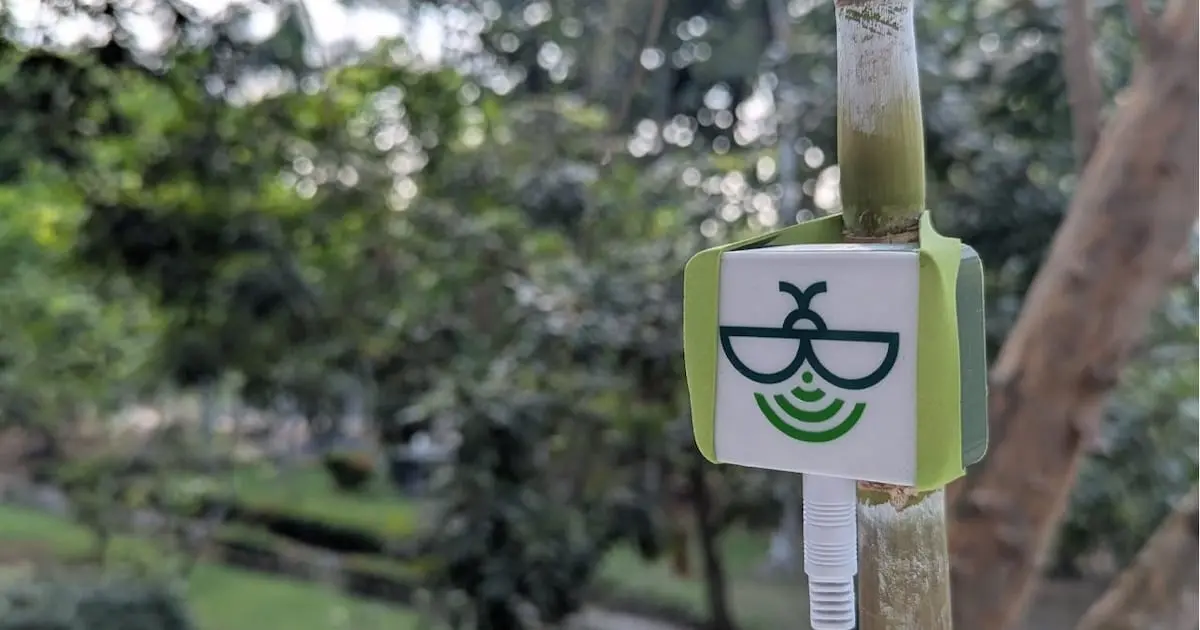
This capability is no longer confined to the laboratory. At the Asia Pacific Agri-Food Innovation Summit in Singapore, Bug Bug debuted its first commercial-ready system, slashing the cost of the complete hardware and software package from an expensive $800 to an accessible $100. Simultaneously, the startup shrunk its device from an unwieldy A4-sheet prototype down to a palm-sized, ruggedized, and modular unit built to withstand the punishing elements of real-world farming.
Co-founder and Chief Executive Jadey Huray believes these developments could not be more timely. As regulatory bodies in Europe and beyond tighten environmental constraints and ramp up scrutiny on chemical crop protection products, the demand for objective, data-backed verification tools has exploded. Bug Bug is positioning its technology as the definitive answer, giving growers and chemical manufacturers the verifiable data they need to prove whether interventions are working.
With a major year-long commercial trial in Indonesian sugarcane fields underway, expanded leadership—including Chief Technology Officer Laurence Still and entomologist Dr. Emily Bick—and prospective pilots in European markets and apple orchards, Bug Bug is transitioning from an ambitious research project into a commercial powerhouse. This article examines the technological breakthroughs, market drivers, financial metrics, and strategic horizons defining Bug Bug’s journey to reshape global agriculture.
Detailed Chronology: From Lab Prototype to Field-Ready Deployment
The evolution of Bug Bug from an academic concept into an agile commercial enterprise highlights the rapid pace of innovation within modern agricultural technology.
The Origins of Acoustic Monitoring
Traditional pest management has long suffered from a lack of objective, real-time data. Farmers traditionally rely on traps, visual inspections, or routine calendar-based spraying. These methods often result in delayed responses—allowing pests to establish damaging footholds before treatment—or excessive chemical applications that harm beneficial insects, degrade soil health, and run afoul of tightening environmental regulations.
Recognizing these systemic flaws, Bug Bug was founded by Jadey Huray and Laurence Still, joined by entomologist Dr. Emily Bick. The founding team set out to harness bioacoustics: the science of recording and analyzing biological sounds. Insects, particularly wood-boring larvae and chewing caterpillars, generate distinct acoustic signatures as they feed and move within plant tissues. By capturing these frequencies using sensitive contact microphones and analyzing them with proprietary AI algorithms, the team realized they could create an early-warning system for farmers.
Early Lab Prototypes and Engineering Challenges
In its earliest iterations, Bug Bug operated primarily in controlled laboratory settings. The initial prototype was functional but bulky, roughly the size of an A4 sheet of paper. While it successfully demonstrated that AI models could differentiate between pest species based on acoustic data alone, it faced significant hurdles for commercial deployment. It was too expensive, too fragile, and too difficult to scale across vast agricultural acreage.
Recognizing that hardware costs and physical durability were the ultimate bottlenecks to adoption, Bug Bug’s leadership initiated a major redesign phase. They brought on a dedicated hardware specialist to complement Laurence Still’s AI expertise and Dr. Bick’s entomological insights.
The Singapore Debut and Hardware Breakthrough
The culmination of this engineering overhaul was revealed at the Asia Pacific Agri-Food Innovation Summit in Singapore. There, Bug Bug unveiled its commercial trial-ready system, representing a quantum leap forward in hardware design and affordability.
The new device fits comfortably in the palm of a hand. It has been entirely ruggedized, miniaturized, and modularized to endure harsh agricultural environments, from humid tropical sugarcane fields to rain-swept temperate orchards. Crucially, the engineering team managed to drastically reduce manufacturing and component costs. The total price for the complete solution—incorporating processing hardware, specialized contact microphones, and an integrated solar panel—dropped from approximately $800 down to roughly $100.
Transitioning to Real-World Validation
With a rugged, low-cost device in hand, Bug Bug shifted its strategic focus toward large-scale field validation. The company is currently deploying its technology in a rigorous, year-long commercial trial in Indonesian sugarcane fields.
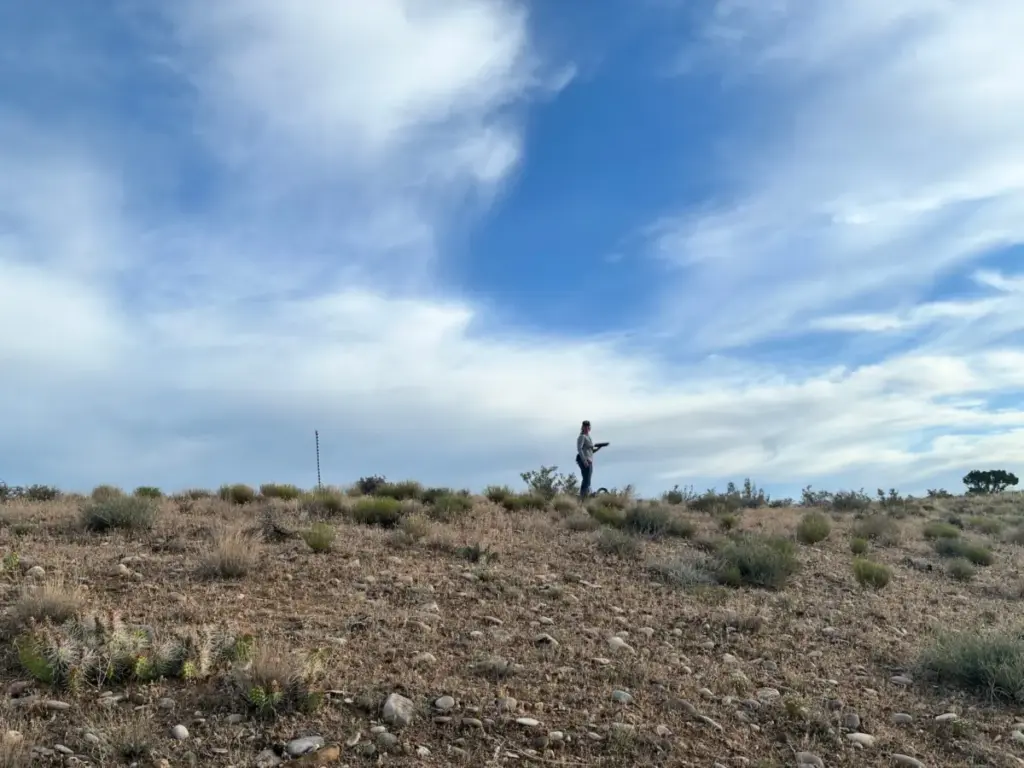
This deployment marks a definitive shift from controlled environments to chaotic, real-world farm conditions. The trial is designed to test how well the system filters out ambient environmental noise—such as wind, heavy rain, and machinery—while accurately identifying boring insects across 96 samples spread over six distinct fields. This trial will provide the empirical data required to demonstrate that Bug Bug can reliably replace or supplement traditional manual scouting methods.
Supporting Context & Metrics: Economics, Regulation, and Technology
To fully appreciate Bug Bug’s market potential, one must examine the macroeconomic, regulatory, and technological forces driving its growth.
The Financial Equation: Breaking the Cost Barrier
In agtech, hardware cost is frequently the primary barrier to adoption. A farmer managing thousands of acres cannot afford sensor networks priced at hundreds or thousands of dollars per monitoring node.
By driving the cost of its complete solution down to approximately $100, Bug Bug has fundamentally altered the economics of precision pest management. This price point includes all necessary components for autonomous operation:
- Processing Hardware: Edge-computing units capable of running lightweight AI models locally without requiring constant, high-bandwidth cloud connectivity.
- Contact Microphones: High-sensitivity acoustic sensors designed to pick up subtle vibrations transmitted through plant stems and trunks.
- Solar Panels: Autonomous power generation ensuring uninterrupted operation in remote fields where electrical infrastructure is unavailable.
This pricing structure opens the door to high-density sensor deployments, allowing farmers to monitor crop health at a granular, plant-by-plant level rather than relying on generalized regional estimates.
Regulatory Pressures in Europe and Global Scrutiny
While hardware affordability enables adoption, regulatory pressures are creating an urgent market demand. Across Europe and other developed agricultural regions, regulatory requirements for crop protection products are tightening dramatically. Authorities are phasing out numerous traditional chemical pesticides due to environmental and health concerns, while demanding stricter accountability from farmers and agrochemical companies alike.
This regulatory climate has introduced a pressing need for independent verification tools. Regulators, food corporations, and consumers increasingly expect proof that chemical interventions are genuinely necessary and effective. Bug Bug’s acoustic sensors provide an objective data trail. By collecting continuous, automated records of pest populations before and after treatments, growers and crop-protection manufacturers can definitively demonstrate whether an intervention achieved its intended effect.
As CEO Jadey Huray noted in her remarks to AgNavigator, this dynamic has transformed the company’s value proposition:
"It makes Bug Bug even more timely. People have been asking us about the ‘so what’. This is a very pressing ‘so what’."
Technical Sensitivity and Data Enrichment
Beyond cost and durability, Bug Bug has significantly upgraded the sensitivity of its acoustic detection engine. The latest iteration captures a much wider spectrum of frequencies, allowing the AI to detect subtle insect sounds that older systems missed.
This expanded frequency range yields richer datasets for machine learning analysis. As the system accumulates more acoustic data from diverse field trials, its underlying AI models grow increasingly accurate, sharpening their ability to distinguish between harmless ambient noises and destructive pest activity across different crop varieties.
Official Statements and Industry Insights
The strategic vision of Bug Bug is anchored by its interdisciplinary leadership team. Their insights illuminate the company’s operational philosophy and market trajectory.
Jadey Huray on Market Timeliness and Cost Reduction
Chief Executive Jadey Huray has consistently emphasized that Bug Bug’s technological evolution aligns perfectly with shifting agricultural paradigms. Reflecting on the dramatic reduction in hardware costs, Huray shared her enthusiasm during the Singapore summit:
"We’re very excited because it’s a fraction of the price for the whole solution. Everything has been ruggedised, miniaturised and made more modular to support real-world deployment."
Huray also highlighted how tightening oversight in Europe creates fertile ground for independent measurement technologies:
"People have been asking us about the ‘so what’. This is a very pressing ‘so what’—giving growers and chemical companies the objective data they need to verify treatments in an era of strict environmental scrutiny."
The Multidisciplinary Leadership Team
Bug Bug’s success hinges on the fusion of artificial intelligence, entomology, and hardware engineering. The core leadership team brings together distinct domains of expertise:
- Jadey Huray (Co-Founder & CEO): Drives the company’s commercial strategy, market positioning, and expansion into international trials.
- Laurence Still (Co-Founder & CTO): Spearheads the technical architecture, machine learning models, and acoustic data processing pipelines.
- Dr. Emily Bick (Chief Bug Officer): A trained entomologist who bridges the gap between insect biology and algorithmic detection, ensuring the AI correctly interprets the behavioral sounds of target pests.
- Dedicated Hardware Specialist: A recent strategic hire tasked with refining the physical sensors, optimizing power consumption, and ensuring the durability of the palm-sized monitoring units.
This balanced expertise allows Bug Bug to approach agricultural challenges not merely as software or hardware problems, but as holistic biological systems requiring nuanced technological solutions.
Future Outlook: Commercial Expansion and New Crop Verticals
As Bug Bug wraps up its initial laboratory phases and steps into rigorous field validation, the company’s roadmap points toward aggressive commercial expansion.
The Indonesian Sugarcane Trial
The immediate future of the company rests on the outcomes of its year-long commercial trial in Indonesian sugarcane. Spanning 96 samples across six distinct fields, this trial focuses explicitly on detecting boring insects—pests that burrow deep inside plant stalks where visual inspection is virtually impossible until severe damage has already occurred.
The trial will serve multiple strategic functions:
- Performance Validation: Assessing how effectively the AI algorithms filter out intense tropical background noise and operate under harsh weather conditions.
- Operational Integration: Determining the exact deployment density and maintenance requirements needed for large-scale farm integration.
- Commercial Case Building: Generating hard performance data that Bug Bug can use to convince enterprise agricultural clients to replace or supplement manual scouting practices.
Expanding into European Markets and High-Value Crops
Concurrent with the Indonesian trial, Bug Bug is actively negotiating commercial trial agreements in Europe. Driven by the continent’s stringent regulatory environment, European agricultural enterprises are actively seeking reliable tools to monitor pest populations and verify the efficacy of sustainable crop protection strategies.
Beyond sugarcane, Bug Bug has identified several high-value crop segments primed for acoustic monitoring. Prominent among these are apple orchards. Earlier exploratory testing in apple orchards yielded highly encouraging results, demonstrating that the system’s sensitivity is well-suited to capturing the specific acoustic signatures of orchard pests like codling moth larvae.
The Road Ahead
Bug Bug is transitioning from an exploratory startup into an established player in the global agtech landscape. By combining low-cost, palm-sized hardware with advanced AI-driven bioacoustics, the company is solving one of agriculture’s oldest and most persistent challenges.
As growers face mounting economic pressures, labor shortages, and stringent regulatory demands, technologies that provide objective, real-time insights will become indispensable. By listening closely to the microscopic sounds of the field, Bug Bug is helping farmers hear trouble coming—long before it’s too late.