In an aggressive legal maneuver that has sent shockwaves through the pet food manufacturing sector, the United States Department of Justice (DOJ), acting on behalf of the Food and Drug Administration’s Center for Veterinary Medicine (FDA CVM), has filed a federal civil complaint seeking a permanent injunction against Arrowhead Pet Food Products, operating as Darwin’s Natural Pet Products. The legal action seeks to halt the manufacturing, processing, and distribution of the company’s raw pet food lines, alleging chronic violations of federal safety standards and the ongoing introduction of adulterated products into interstate commerce.
The federal complaint rests primarily on allegations that Darwin’s has repeatedly distributed pet food contaminated with foodborne pathogens such as Salmonella and Listeria monocytogenes, violating Section 331(a) and Section 342(a)(4) of the Federal Food, Drug, and Cosmetic Act (FD&C Act). Regulatory authorities contend that civil injunctions are necessary to protect both animal welfare and human health from secondary contamination risks in consumer households.
However, the DOJ’s complaint has provoked intense backlash from pet food consumer safety advocates and industry observers. Critics argue that the FDA is engaging in selective enforcement by targeting a prominent direct-to-consumer raw pet food brand while permitting commercial kibble conglomerates and industrial rendering plants—many with extensive, multi-year records of hazardous contamination—to continue operating with minimal legal interference. The controversy has ignited a broader debate surrounding federal regulatory priorities, equal application of administrative law, and the systemic reliance of commercial pet food on non-slaughtered or diseased animal tissue.
Detailed Chronology of Regulatory Actions and Contamination Events
To understand the legal battle surrounding Darwin’s Pet Food, it is necessary to examine the regulatory records of both the target firm and major commercial manufacturers operating under FDA jurisdiction over the same multi-year period.
+-----------------------------------------------------------------------------------+
|                        REGULATORY TIMELINE (2017 – 2025)                          |
+-----------------------------------------------------------------------------------+
| 2017–2025: FDA tracks microbial compliance issues at Darwin's Pet Food            |
| Jan 2017:  J.M. Smucker issues recalls for low thiamine (9Lives, EverPet)         |
| Feb 2018:  J.M. Smucker withdraws wet brands due to Pentobarbital contamination   |
| Nov 2018:  Sunshine Mills begins massive recall series for toxic Vitamin D levels |
| Dec 2019:  J.M. Smucker recalls Special Kitty wet cat food lines                  |
| Jul 2020:  J.M. Smucker recalls Natural Balance canned food (Choline Chloride)     |
| Aug 2020:  Sunshine Mills recalls dry dog foods for Salmonella contamination      |
| Sept 2020: Sunshine Mills issues widespread recall for lethal Aflatoxin levels    |
| Jun 2021:  Sunshine Mills recalls multiple lines for secondary Salmonella risk    |
| Jul 2021:  Sunshine Mills expands Aflatoxin recalls across Evolve, Triumph, etc.  |
| 2025:      DOJ files federal injunction suit seeking permanent shutdown of Darwin's |
+-----------------------------------------------------------------------------------+
The Federal Action Against Darwin’s Pet Food
The DOJ’s complaint against Darwin’s spans an evaluation period stretching from 2017 into 2025. Federal inspectors cite a history of positive microbial testing for pathogenic bacteria across several raw dog and cat food formulations. According to the government’s filings, the repeated detection of bacterial organisms constitutes evidence of systemic sanitation failures under federal law. The suit demands a complete shutdown of operations until the firm satisfies rigorous consent decree protocols overseen by the FDA.
Corporate Precedents: The Recalls of J.M. Smucker
Consumer safety organizations point to major commercial pet food producers that have accumulated extensive safety violations over the same timeframe without facing federal injunctions. The J.M. Smucker Company, a giant in the conventional pet food market, engaged in a series of high-profile recalls stemming from nutritional deficiencies and lethal adulterants:
January 3 & 6, 2017: J.M. Smucker initiated voluntary recalls across its 9Lives, EverPet, and Special Kitty canned cat food brands due to dangerously low thiamine (Vitamin B1) levels, which can induce fatal neurological dysfunction in felines.
February 14, 2018: Smucker withdrew multiple wet dog food varieties—including Gravy Train, Kibbles ‘n Bits, and Skippy—after laboratory testing confirmed the presence of pentobarbital, a potent euthanasia agent, in the meat supply chain.
December 7, 2018: Additional recalls were executed for 9Lives wet cat food formulations following renewed thiamine deficiency detections.
December 5, 2019: Smucker recalled specific lots of Special Kitty wet canned cat food due to unspecified quality defects impacting animal safety.
July 3, 2020: The firm recalled canned Natural Balance Ultra Premium Chicken & Liver Pate Cat Food due to dangerously elevated levels of choline chloride, which cause severe neurological and gastrointestinal distress.
Systemic Contamination: The Sunshine Mills Record
An even more extensive record of chronic contamination is found in the history of Sunshine Mills, Inc., a major co-packer and private-label manufacturer for national retail chains:
November 2–December 5, 2018: Sunshine Mills triggered a widespread industry crisis after distributing dry dog kibble formulation errors containing toxic excesses of Vitamin D. Over a five-week window, recalls expanded to encompass Nutrisca, Natural Life, Orlando Brand, ANF, Elm Pet Foods, and Kroger’s house brand, Abound. Excessive Vitamin D intake leads to hypercalcemia, renal failure, and severe morbidity in dogs.
August 26, 2020: The company issued recalls for Nature’s Menu dry dog food due to potential Salmonella contamination.
September 3, 2020: Sunshine Mills pulled multiple product lines—including Family Pet, Heartland Farms, and Paws Happy Life—due to elevated levels of aflatoxin, a potent liver toxin produced by Aspergillus molds that can cause acute liver failure and death.
June 4, 2021: Recalls were issued for Sportsman’s Pride, Sprout, Intimidator, and FRM Gold Select brands due to renewed Salmonella risks.
July 29, 2021: Sunshine Mills executed another multi-brand recall expansion (Triumph, Evolve, Wild Harvest, Nurture Farms, Heart to Tail, and Elm) following persistent aflatoxin contamination in its grain supplies.
Supporting Context & Regulatory Metrics
The Legal Framework: Statutory Adulteration Under the FD&C Act
The legal hammer used by the DOJ against Darwin’s hinges on specific provisions of federal statute:
21 U.S.C. § 331(a): Prohibits the introduction, delivery, or causation thereof into interstate commerce of any food, drug, device, or cosmetic that is adulterated or misbranded.
21 U.S.C. § 342(a)(4): Mandates that a food shall be deemed adulterated"if it has been prepared, packed, or held under insanitary conditions whereby it may have become contaminated with filth, or whereby it may have been rendered injurious to health."
The FDA interprets the mere presence of zero-tolerance pathogens like Salmonella in raw pet food as prima facie evidence of "insanitary conditions" under 342(a)(4), regardless of whether animal illness has been clinically documented. Raw pet food manufacturers operate under a regulatory standard where thermal lethality steps (such as high-temperature kibble extrusion or canning) are intentionally avoided to preserve raw nutritional structures, making absolute pathogen eradication exceptionally challenging under standard processing environments.
      STATUTORY ADULTERATION UNDER 21 U.S.C. § 342

  +--------------------------------------------------+
  |               21 U.S.C. § 342(a)(4)              |
  |  Prepared, packed, or held under insanitary      |
  |  conditions leading to contamination or injury.  |
  +-------------------------+------------------------+
                            |
                            v
       Applied aggressively against Raw Food Facilities
       (Zero-Tolerance Pathogen Enforcement Strategy)
                            |
                            v
  +--------------------------------------------------+
  |               21 U.S.C. § 342(a)(5)              |
  |  Product of a diseased animal or an animal       |
  |  that has died otherwise than by slaughter.       |
  +-------------------------+------------------------+
                            |
                            v
       Historically Unenforced in Rendering Sector
       (FDA Enforcement Discretion & Compliance Policy)
The Rendering Paradox and 4D Meat Tolerances
The regulatory scrutiny applied to Darwin’s stands in contrast to the FDA’s handling of commercial kibble raw ingredients, particularly rendered protein meals. Section 342 of the FD&C Act contains another explicit definition of adulteration that directly impacts pet food manufacturing:
21 U.S.C. § 342(a)(5): A food is statutory adulterated "if it is, in whole or in part, the product of a diseased animal or of an animal which has died otherwise than by slaughter."
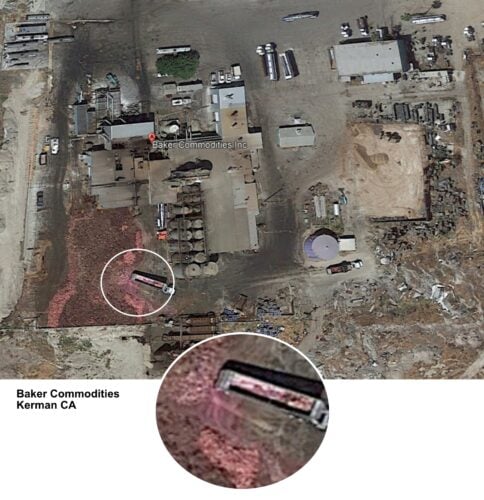
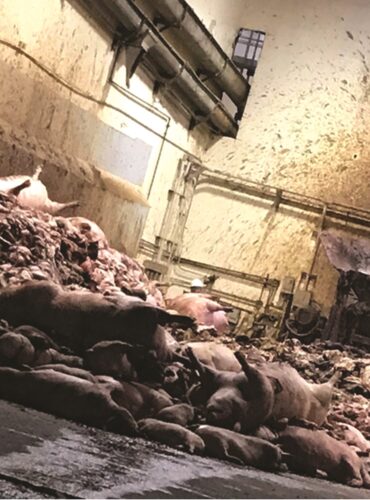
In agricultural supply chains, animals that are dead, dying, diseased, or disabled upon arrival at processing sites are classified as 4D animals. Millions of tons of 4D livestock tissues are routinely transported to industrial rendering plants. There, open-air staging areas, outdoor piles of decaying animal carcasses, exposure to ambient pest populations, and fluid run-off create conditions that technically meet the statutory criteria for unsanitary holding environments under 342(a)(4).
   [4D Livestock / Fallen Animals] ──> [Rendering Plants] ──> [Meals & Rendered Fats]
                                             │                         │
                                             ▼                         ▼
                                   Technically Violates       Permitted in Commercial
                                    21 U.S.C. § 342(a)(5)      Pet Food via FDA Policy
Despite the unambiguous language of 21 U.S.C. § 342(a)(5), the FDA has historically exercised administrative "enforcement discretion." Through informal Compliance Policy Guides (CPGs), the agency permits rendered products derived from 4D animals and fallen stock to enter the pet food supply, provided the material undergoes high-heat processing.
Consumer advocates argue that this policy creates an uneven playing field. While raw food producers using human-grade, USDA-inspected meats face federal injunctions over bacterial traces, traditional manufacturers processing non-slaughtered or diseased animal tissue operate within an established regulatory safe harbor.
Official Statements and Advocacy Counterpoints
Regulatory agencies frame the legal action against Darwin’s as a straightforward exercise in public health protection.
"Every American pet owner deserves confidence that the food they feed their animals is safe and will not pose health risks to their families."
— Timothy Schell, Ph.D., Director of the FDA’s Center for Veterinary Medicine
Federal officials contend that human handling of pathogen-contaminated raw pet food creates risks of cross-contamination in kitchens and home environments, placing young children, elderly individuals, and immunocompromised individuals at risk of salmonellosis.
This position is strongly disputed by consumer protection groups. Susan Thixton, founder of TruthaboutPetFood.com and advocate at the Association for Truth in Pet Food, argues that the federal government is applying dual enforcement standards.
"Darwin’s Pet Food has been on my annual ‘List’ of pet foods I trust to give my own pets for many years. The company sources human-grade ingredients and provides verification to that end… If FDA is truly interested in protecting the public, then pet owners should expect similar legal injunctions to be filed against major commercial manufacturers and industrial rendering operations that repeatedly violate federal law."
— Susan Thixton, Pet Food Consumer Advocate
Thixton asserts that if the FDA strictly enforced Section 342(a)(4) (insanitary holding conditions) and Section 342(a)(5) (use of non-slaughtered or diseased animal tissue) across the entire pet food sector, hundreds of conventional feed mills and rendering operations would face immediate shutdown.
Future Outlook and Regulatory Implications
The legal action against Darwin’s Pet Food represents a critical juncture for both the raw pet food market and federal administrative policy. The outcome of the federal case could set precedents regarding the viability of raw pet food manufacturing under current FDA sanitation interpretations.
                     POTENTIAL SCENARIOS & OUTCOMES
                                   │
       ┌───────────────────────────┴───────────────────────────┐
       ▼                                                       ▼
[Court Grants Injunction]                          [Advocates Challenge FDA]
       │                                                       │
       ├─► Darwin's forced to cease operations             ├─► Formal complaint to GAO
       ├─► Precedent set for raw pet food sector           ├─► Congressional inquiry into FDA CVM
       └─► Stricter zero-tolerance microbial rules         └─► Legal challenges to CPG 4D tolerances
Potential Industry Scenarios
Judicial Injunction & Settlement Constraints: If the federal court grants the permanent injunction, Darwin’s will likely be forced to cease manufacturing operations immediately. Reopening would require massive capital investment in processing technology, potentially including validated microbial reduction techniques like High-Pressure Processing (HPP) or specialized test-and-hold quarantine facilities.
Challenging Regulatory Discretion: Consumer advocate groups plan to escalate the enforcement disparity. If the DOJ and FDA fail to demonstrate equal oversight across traditional pet food manufacturers and rendering facilities, consumer advocacy organizations have pledged to file a formal complaint with the Government Accountability Office (GAO).
GAO Audits and Congressional Inquiry: A GAO investigation would audit the FDA CVM’s enforcement allocation, examining whether federal funds are being applied impartially or if administrative enforcement selectively targets specific sub-sectors of the pet food market while granting unofficial exemptions to major commercial entities.
As court proceedings advance in federal district court, pet owners, feed manufacturers, and legal analysts will be watching closely. The resolution of this case will likely clarify whether the FDA’s zero-tolerance enforcement stance will be confined to raw pet food manufacturers, or if regulatory consistency will eventually force systemic changes across the broader commercial pet food and rendering industries.