In a significant regulatory escalation, the United States Department of Justice (DOJ), acting on behalf of the Food and Drug Administration’s Center for Veterinary Medicine (FDA CVM), has filed a federal civil complaint seeking a permanent injunction against Arrowhead Pet Food, operating as Darwin’s Natural Pet Products. The complaint seeks to immediately halt the Washington-based company’s manufacturing and distribution operations, alleging persistent violations of federal safety standards.
The government’s legal filing asserts that Darwin’s has repeatedly introduced adulterated pet food into interstate commerce. Specifically, federal prosecutors cite 21 U.S.C. § 331(a) and 21 U.S.C. § 342(a)(4), claiming the company’s products were prepared, packed, or held under insanitary conditions that rendered them vulnerable to bacterial contamination and potentially harmful to both animals and humans.
While federal regulators frame the injunction as a necessary step to protect public health, the legal action has triggered intense pushback from pet food consumer advocates and industry watchdogs. Critics argue that while the FDA is moving to shut down a direct-to-consumer raw pet food manufacturer, the agency has historically applied a different standard to major commercial feed conglomerates. Data from recent years reveals that large-scale kibble and canned pet food producers—responsible for widespread recalls involving lethal toxins, chemical imbalances, and euthanasia drugs—have not faced comparable permanent injunctions.
This enforcement action has ignited a broader industry debate regarding regulatory equity, statutory enforcement under the Federal Food, Drug, and Cosmetic Act (FD&C Act), and whether federal oversight disproportionately targets raw food operations while overlooking systemic non-compliance within traditional rendering and ultra-processed pet food manufacturing chains.
Detailed Chronology
The legal action against Darwin’s Natural Pet Products is the culmination of an extended multi-year regulatory history. A timeline of key events, alongside contemporary enforcement actions across the broader pet food industry, highlights the shifting enforcement landscape between 2017 and 2025.
Over the past eight years, Darwin’s Pet Food has been the subject of multiple FDA inspections, safety alerts, and pathogen-sampling programs focusing primarily on Salmonella and Listeria monocytogenes. While raw meat pet foods naturally contain complex microbiomes, FDA policies maintain a strict zero-tolerance threshold for foodborne pathogens in pet food. The repeated identification of bacterial isolates in finished product lots led to escalating regulatory warnings, ultimately resulting in the DOJ’s federal injunction filing.
Comparative Industry Recalls During the Same Period
To contextualize the FDA’s legal action, consumer advocates highlight several major safety incidents and recall sequences involving conventional pet food manufacturers during the same timeframe:
1. The J.M. Smucker Company
Between 2017 and 2020, major brands under The J.M. Smucker Company portfolio experienced repeated nationwide recalls involving severe formulation errors and chemical contamination:
January 2017: Multiple lots of 9Lives, EverPet, and Special Kitty canned cat foods were recalled across consecutive weeks due to deficient thiamine (Vitamin B1) levels, a condition that causes neurological impairment in felines.
February 2018: Smucker initiated a massive withdrawal of wet dog food brands—including Gravy Train, Kibbles ‘n Bits, and Skippy—after independent testing detected trace amounts of pentobarbital, a barbiturate commonly used for animal euthanasia, indicating contaminated animal fat or meat streams.
December 2018: Additional 9Lives canned varieties were recalled due to thiamine deficiencies.
December 2019:Special Kitty wet cat food lots were recalled over undisclosed quality defects.
July 2020:Natural Balance Ultra Premium Chicken Liver Pate canned cat food was recalled due to elevated levels of choline chloride, which can cause severe gastrointestinal and neurological symptoms.
2. Sunshine Mills, Inc.
Between 2018 and 2021, contract manufacturer Sunshine Mills issued extensive recall notifications affecting dozens of commercial retail brands:
November – December 2018: A multi-brand recall wave involved dry dog foods manufactured across several plants containing dangerously high, toxic levels of Vitamin D. Recalled lines included Nutrisca, Natural Life, Orlando, ANF, Elm Pet Foods, and Kroger’s store brand Abound. Excess Vitamin D ingestion can lead to severe renal failure and death in dogs.
August – September 2020: Sunshine Mills recalled Nature’s Menu due to Salmonella, followed by a multi-brand recall (Family Pet, Heartland Farms, Paws Happy Life) caused by excessive levels of aflatoxin—a deadly fungal toxin produced by Aspergillus molds on corn ingredients that causes severe liver damage.
June – July 2021: Further nationwide recalls occurred due to potential Salmonella contamination across Sportsman’s Pride, Sprout, and Intimidator dry foods, alongside additional widespread aflatoxin recalls affecting Triumph, Evolve, Wild Harvest, Nurture Farms, Heart to Tail, and Elm pet food products.
Supporting Context & Regulatory Metrics
Legal Framework: Statutory Definitions of Adulteration
The federal complaint against Darwin’s relies on statutory language within the Federal Food, Drug, and Cosmetic Act (FD&C Act). Under federal law, food is deemed legally "adulterated" under two primary provisions:
                          FEDERAL FOOD, DRUG, AND COSMETIC ACT
                                   (21 U.S.C. § 342)
                                           │
                    ┌──────────────────────┴──────────────────────┐
                    ▼                                             ▼
          21 U.S.C. § 342(a)(4)                         21 U.S.C. § 342(a)(5)
     [Insanitary Manufacturing]                    [Sourcing Non-Slaughtered/
  Prepared, packed, or held under                  Diseased Animal Ingredients]
  conditions where food may become                 Product of a diseased animal
   contaminated with filth/bacteria.               or one dead otherwise than slaughter.
                    │                                             │
                    ▼                                             ▼
         Applied against Darwin's                     Historically unenforced
         via DOJ Injunction Lawsuit                   against Rendering Operations
21 U.S.C. § 342(a)(4): A food is adulterated "if it has been prepared, packed, or held under insanitary conditions whereby it may have become contaminated with filth, or whereby it may have been rendered injurious to health."
21 U.S.C. § 342(a)(5): A food is adulterated "if it is, in whole or in part, the product of a diseased animal or of an animal which has died otherwise than by slaughter."
Comparative Hazard Risk Profile
Consumer watchdogs argue that the FDA’s enforcement strategy reveals a stark imbalance when evaluating risk severity across different pet food categories:
Hazard Category
Target Product Type
Health Risk Severity
Historical Regulatory Action
Bacterial Pathogens (Salmonella, Listeria)
Primarily Raw Pet Foods
Low-to-moderate risk for healthy animals; risk to human handling.
Immediate public warning letters, zero-tolerance sampling, civil injunction filings.
Lethal Mycotoxins (Aflatoxins)
Dry Grain Kibble
High; causes acute toxic hepatitis, hepatic failure, and high animal mortality rates.
Voluntary manufacturer recalls; facility closures are rare.
Nutritional Toxicity (Excess Vitamin D)
Ultra-Processed Kibble
High; results in hypercalcemia, organ calcification, and acute kidney injury.
Market withdrawals; no permanent injunctions issued against parent conglomerates.
Insanitary Raw Sourcing (4D Animals)
Rendered Animal Proteins
Moderate-to-High; systemic presence of decomposed tissue, environmental filth, and chemical residues.
Permitted under administrative discretion and long-standing CVM policy guidelines.
The Rendering Industry Paradox
A central point of contention raised by consumer advocates involves the raw material supply chain supporting traditional kibble manufacturing. Renderers process non-slaughtered animal carcasses, fallen livestock, processing scraps, and expired grocery waste into dry protein meals and animal fats.
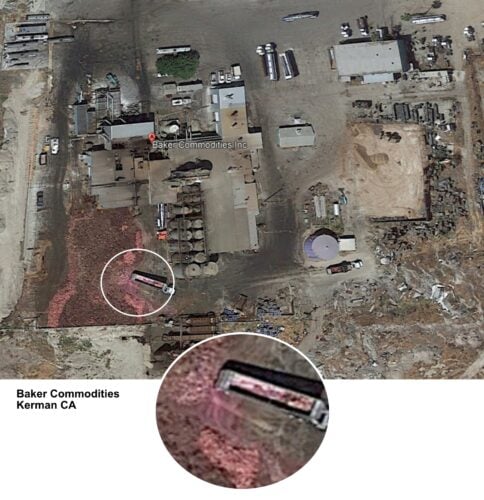
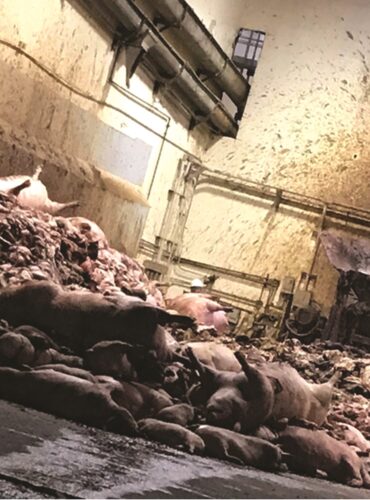
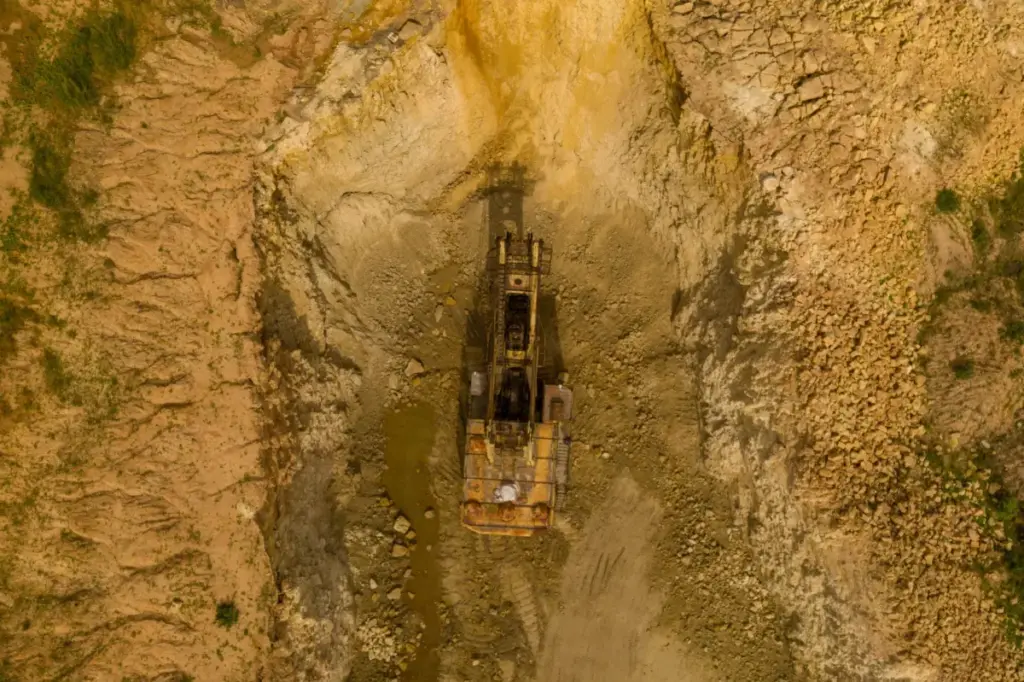
Photographic evidence from rendering collection points across the United States regularly shows raw animal tissues stored in open-air, non-refrigerated outdoor bins exposed to heat, insects, and environmental debris before processing.
Advocates contend that under a strict literal reading of 21 U.S.C. § 342(a)(4) (insanitary conditions) and § 342(a)(5) (diseased animals or animals dying otherwise than by slaughter), these raw materials violate federal statutory standards. However, the FDA has historically exercised enforcement discretion regarding rendered ingredients, permitting their inclusion in animal feed provided they undergo high-heat processing, even as the agency enforces strict compliance standards on raw food producers using human-grade slaughter ingredients.
Official Statements
The FDA and Department of Justice Position
In announcing the legal action seeking to shut down Darwin’s manufacturing operations, federal officials emphasized the agency’s mandatory duty to protect consumer and animal health.
"Every American pet owner deserves confidence that the food they feed their animals is safe and will not pose health risks to their families," stated Timothy Schell, Ph.D., Director of the FDA’s Center for Veterinary Medicine.
Federal prosecutors maintain that when a manufacturer demonstrates a multi-year pattern of non-compliance and recurring pathogen detection, seeking a federal court injunction is the necessary final mechanism to compel compliance or permanently halt production.
The Consumer Advocate Counter-Perspective
Pet food advocate Susan Thixton, founder of TruthaboutPetFood.com and the Association for Truth in Pet Food, issued a public response criticizing what she characterized as a systemic double standard in federal regulatory enforcement.
Thixton, whose organization audits pet food manufacturing transparency and publishes an annual list of trusted human-grade producers, noted that Darwin’s sources human-grade ingredients and provides third-party verification of its supply chain.
"The FDA has opened a big can of worms," Thixton stated. "If FDA is truly interested in protecting the public, then pet owners should expect similar enjoinment actions to be filed against major commercial manufacturers that have repeatedly distributed foods contaminated with aflatoxins, pentobarbital, or lethal nutrient imbalances.
"If we do not promptly see multiple enjoining cases filed in federal courts against the many repeat offenders in pet food, we will file a formal complaint with the Government Accountability Office (GAO) providing evidence that the FDA Center for Veterinary Medicine is failing to enforce the law equitably across the industry."
Future Outlook & Industry Implications
The DOJ’s legal action against Darwin’s Pet Food represents a pivotal juncture for federal pet food oversight, with implications extending far beyond a single raw food manufacturer.
Potential Industry Impacts
Precedent for Direct-to-Consumer Raw Producers: A successful permanent injunction against Darwin’s will establish a major legal precedent, signaled to the raw pet food market that zero-tolerance pathogen policies will be enforced through federal court actions rather than administrative advisories alone.
Heightened Legal Scrutiny on Supply Chains: If federal courts enforce the broad statutory definition of "insanitary conditions" under 21 U.S.C. § 342(a)(4) purely based on initial raw material handling, commercial feed producers using traditional rendered ingredients could face increasing legal vulnerability from consumer class-action lawsuits.
Escalation to Federal Oversight Bodies: The threat by consumer advocate organizations to petition the Government Accountability Office (GAO) could initiate a federal audit of the FDA CVM’s enforcement practices. Such an investigation would examine whether regulatory resources and enforcement tools—such as civil injunctions—are being applied consistently across high-volume commercial feed producers and niche fresh-food manufacturers.
Market Realignment: As pet owners increasingly seek human-grade, transparently sourced options over rendered ultra-processed kibble, regulatory enforcement battles may increasingly influence market dynamics, driving consumer demand for verified human-grade supply chains and clearer product labeling standards.
The resolution of the government’s case against Darwin’s will likely reshape how the FDA balances enforcement priorities between microbiological pathogen control in fresh food products and systemic chemical and nutritional safety risks across the broader commercial pet food industry.