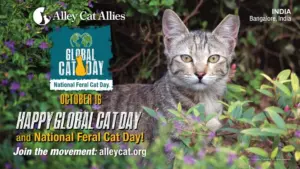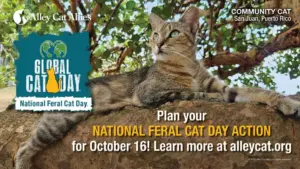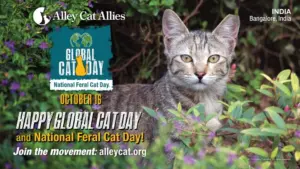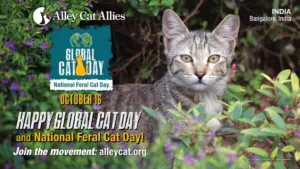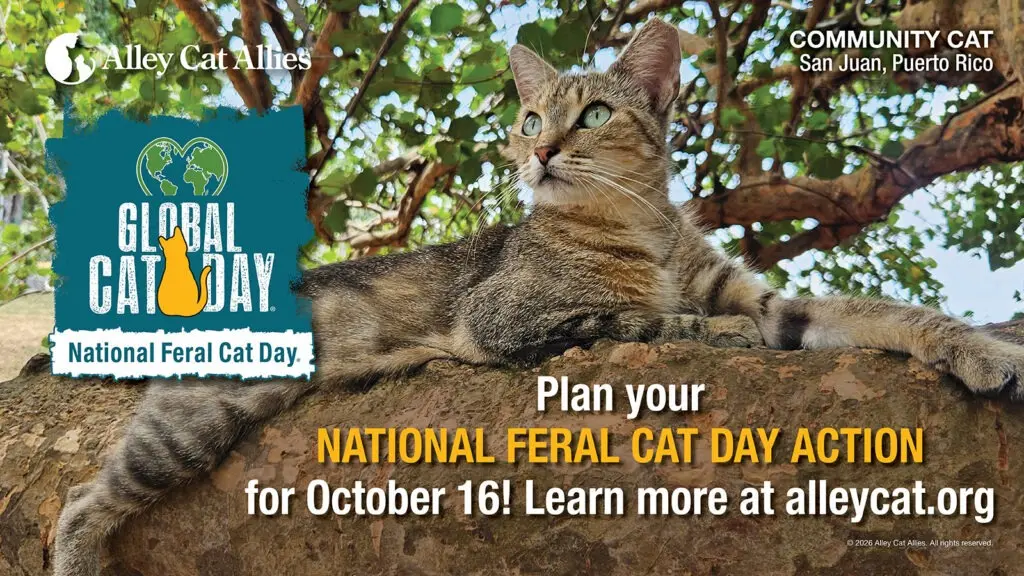

WASHINGTON, D.C. — October 12, 2026 — As the calendar ticks closer to Friday, October 16, animal welfare advocates, caregivers, and feline enthusiasts across the globe are gearing up for Global Cat Day and National Feral Cat Day 2026. This year’s overarching message remains as simple as it is profound: Cats Are Community®.
Advocacy groups, led by organizations such as Alley Cat Allies, are using the occasion to underscore a fundamental paradigm shift in how municipalities should view outdoor and community cats. Rather than treating unowned felines as nuisances or ecological threats, communities worldwide are being urged to implement laws, protective measures, and humane resources that formally recognize cats as the community members they truly are.
This year’s celebration is framed by two major milestones in the ongoing international movement for humane animal treatment: a landmark legal victory that saved the lives of hundreds of historic community cats in Puerto Rico, and the flourishing, government-backed Trap-Neuter-Return (TNR) infrastructure in Tempe, Arizona. Through high-stakes federal litigation, grassroots mobilization, and municipal partnerships, the narrative surrounding community cats is undergoing a transformative evolution.
Executive Overview
The landscape of animal advocacy is marked by a persistent tension between outdated, lethal eradication policies and modern, scientifically backed humane management. For decades, traditional animal control models relied heavily on catch-and-kill protocols for community cats—a method proven to be both ineffective and inhumane. Global Cat Day serves as an annual international platform to challenge these practices, highlight successful alternatives, and celebrate victories where humane advocacy has triumphed over institutional eradication plans.
In 2026, the stakes could not have been higher. From the historic fortifications of Old San Juan, Puerto Rico, to the scorching urban expanse of Tempe, Arizona, community cats faced distinct existential challenges. In Puerto Rico, cats that had inhabited the historic Paseo del Morro walkway for generations were slated for lethal removal by federal agencies. In the desert Southwest, rising temperatures and rapid urbanization tested the resilience of free-roaming felines and the municipalities dedicated to their care.
Thanks to coordinated legal action, public advocacy, and steadfast community support, both regions have become shining examples of what is possible when policy aligns with compassion. As advocates look toward the October 16 day of action, these twin victories serve as both a roadmap and a source of inspiration for a global movement dedicated to ensuring that every cat is valued, protected, and allowed to live out its natural life within its community.
Detailed Chronology: The Battle for the Paseo del Morro Cats
The story of the cats of Paseo del Morro in San Juan, Puerto Rico, is one of deep cultural integration, historical resilience, and high-stakes legal confrontation.
Centuries of Shared History
For centuries, cats have been intertwined with Puerto Rico’s rich heritage and culture. Generations of residents have dedicated their time, resources, and hearts to caring for the island’s free-roaming feline population. Along the iconic Paseo del Morro—a scenic, sweeping walkway leading to the historic El Morro fort—cats became a living, breathing part of the landscape. They were watched over daily by local caregivers who provided food, fresh water, and localized medical care, ensuring the colony remained healthy and stable.
The Threat of Eradication (Late 2023)
The fragile peace of the Paseo del Morro cat colony was shattered in late 2023. The U.S. National Park Service (NPS), which manages the historic site, announced plans to implement a sweeping wildlife and landscape management scheme. Buried within the federal proposal was a provision targeting the area’s community cats for lethal removal.
For the caretakers and the wider Puerto Rican community, the announcement was devastating. The NPS plan effectively put a death sentence on beloved, recognizable individual cats who posed no harm to the ecosystem and enjoyed widespread public affection.
Legal Mobilization and Direct Care
Recognizing the imminent danger, Alley Cat Allies intervened, launching a multi-pronged defense strategy. Rather than accepting the federal agency’s lethal mandate, the organization took historic legal action, filing a federal lawsuit to halt the eradication plan.
Simultaneously, boots-on-the-ground advocates intensified direct care operations. They documented the health of the cats, demonstrated the stability of the colony through managed TNR principles, and mobilized public opinion across the island and the U.S. mainland. The legal battle argued that the NPS’s environmental assessments failed to account for humane alternatives and ignored the cultural significance and community-backed stewardship of the cats.
Victory Secured (2025–2026)
Through relentless advocacy, public pressure, and fierce legal maneuvering, the tide turned. By 2026, the legal challenges and public outcry successfully forced a reversal of the federal stance.
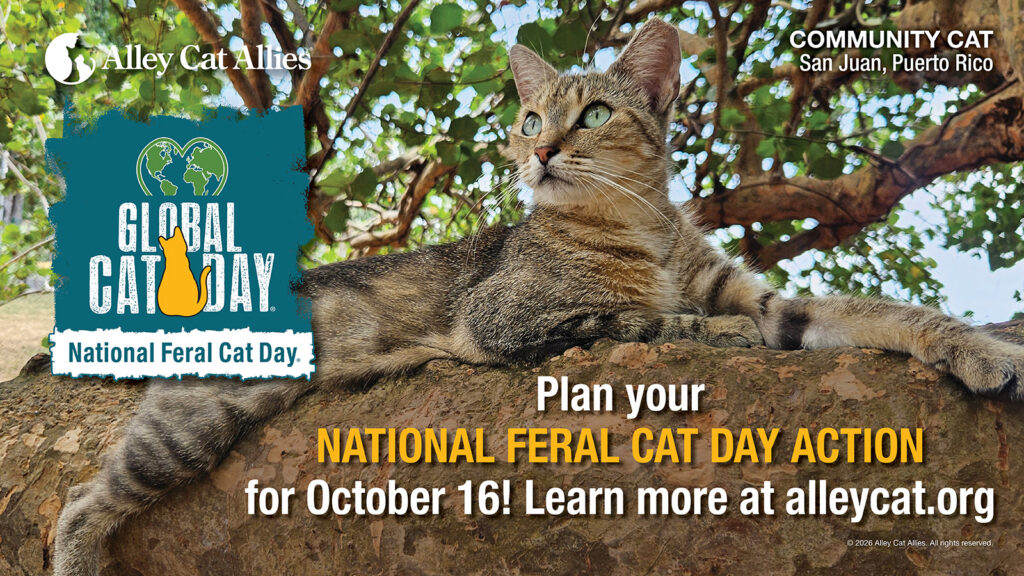
Today, iconic cats like Llorin and Bella, along with their feline companions along the Paseo del Morro, are entirely safe from lethal removal. The victory stands as a watershed moment for animal law, proving that federal agencies can be held accountable when they attempt to implement archaic, cruel eradication policies against beloved community animals.
Supporting Context & Metrics: Desert Survival and Municipal TNR in Tempe, Arizona
While the humid coastal promenades of Puerto Rico presented legal battlegrounds, the arid climate of Tempe, Arizona, offered a different set of challenges—and a model for municipal success.
Surviving the Desert Climate
On a scorching afternoon in Tempe, a tabby cat named Guy neatly ducks out of sight behind a desert cactus. Temperatures in the region regularly soar well over 100 degrees Fahrenheit for much of the year, testing the endurance of urban wildlife and free-roaming animals alike.
Yet, Guy and thousands of community cats like him are remarkably well-adapted. They instinctively navigate the extreme heat by utilizing natural and man-made shade, sleeping soundly beneath dense desert bushes during peak daylight hours, and emerging only as the sun sets to hunt, socialize, and explore.
A Government-Backed TNR Infrastructure
What truly separates Tempe from municipalities stuck in outdated animal control paradigms is the unwavering support of its local government. Tempe’s municipal animal programming is anchored by a robust, government-funded Trap-Neuter-Return (TNR) initiative.

Operating in seamless conjunction with dedicated local advocates, non-profit organizations, and everyday caregivers, the city’s TNR program humanely traps, sterilizes, vaccinates, and returns thousands of community cats to their outdoor homes every year. This proactive approach stabilizes population growth, eliminates nuisance behaviors associated with unsterilized cats (such as howling and spraying), and dramatically improves the overall health and safety of both the felines and the human community.
Alley Cat Allies has actively supported these foundational resources in Tempe, leveraging the city’s success as a blueprint to lobby for broader, statewide policy shifts across Arizona.
Official Statements and Advocacy Perspectives
As organizations and individuals prepare for the October 16 events, leadership figures within the animal advocacy sphere have emphasized the broader philosophical and societal implications of the "Cats Are Community" movement.
"The message of Global Cat Day is simple, but its execution requires a profound cultural and legal transformation," said a spokesperson for Alley Cat Allies during a briefing on the upcoming 2026 events. "When we say Cats Are Community, we mean that cats belong here. They are not invaders; they are our neighbors. The victories we have secured in Puerto Rico and the progressive frameworks we see in places like Tempe prove that when communities are given the tools and the legal backing to choose compassion over cruelty, humanity wins."
Legal experts involved in the Paseo del Morro lawsuit noted that the federal settlement sets a powerful legal precedent. By forcing federal land-management agencies to respect community-backed animal care networks, the case opens doors for similar challenges across national parks, federal installations, and public lands throughout the United States and its territories.
Municipal leaders in Tempe have likewise championed their TNR model as a fiscally responsible and ethically superior alternative to traditional sheltering. By investing in community-level care rather than expensive, endless cycles of impoundment and euthanasia, Tempe has demonstrated that humane programs yield tangible, long-term benefits for municipal budgets and public satisfaction alike.

Future Outlook: Mobilizing for Global Cat Day 2026
As Global Cat Day and National Feral Cat Day arrive on Friday, October 16, 2026, the focus shifts from reflection to mobilization. The successes in Puerto Rico and Tempe serve as proof of concept, but advocates emphasize that the work is far from finished. Millions of community cats worldwide still face the threat of municipal pounds, lethal control policies, and inadequate legal protections.
Global Cat Day 2026 invites supporters worldwide to take direct action through three core avenues:
- Take National Feral Cat Day Action: Advocates are encouraged to engage in local education, write to elected officials, and share their advocacy efforts on social media using the official hashtags #GlobalCatDay and #NationalFeralCatDay. Action ideas, toolkits, and educational resources are readily available through the official Global Cat Day website.
- Donate in Honor of Global Cat Day: Financial contributions directly fuel Alley Cat Allies’ emergency legal funds, disaster relief operations, and boots-on-the-ground TNR support networks. Supporters are encouraged to contribute ahead of or on October 16 to sustain ongoing international protection campaigns.
- Wear Compassion: Supporters can purchase official Global Cat Day merchandise, allowing advocates to "wear their compassion on their sleeve" and spark conversations about community cat welfare in their daily lives.
Ultimately, Global Cat Day 2026 is more than a single day of observance—it is a global affirmation of a kinder, more inclusive world. From the rescued feline colonies overlooking the historic waters of San Juan to the heat-resilient tabby cats resting in the shade of Arizona cacti, cats are an immutable part of our shared environment. Through education, legislation, and unwavering dedication, the international animal advocacy community is ensuring that laws and resources finally catch up with that reality.