
Executive Overview
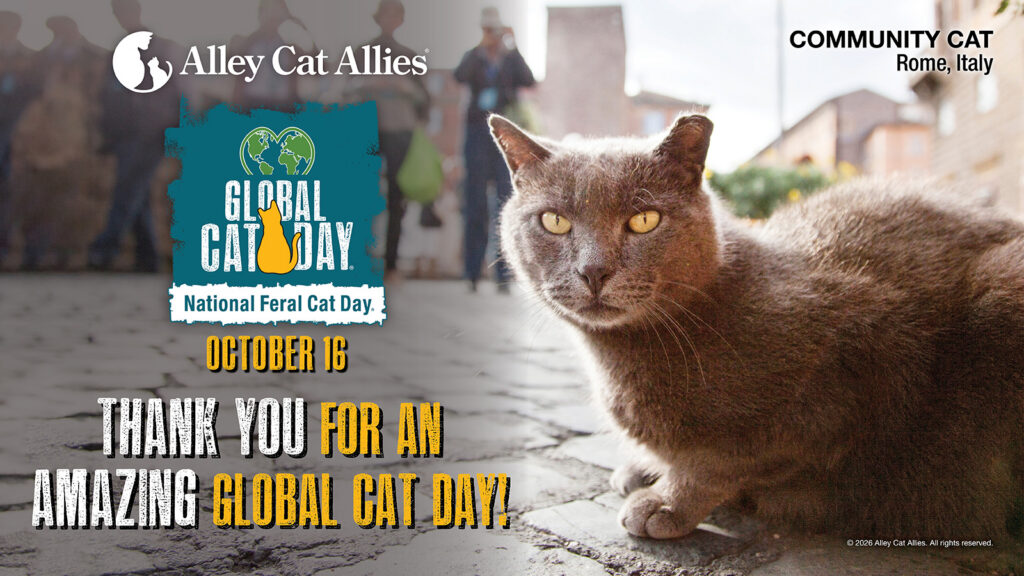
On October 19, 2026, animal welfare advocates, caregivers, and organizations around the globe reflected on the monumental success of Global Cat Day and National Feral Cat Day. Spanning continents—from the United States to Syria, Puerto Rico to Thailand—millions of individuals united under a powerful, unifying message: Cats Are Community™.
The annual event, spearheaded by leading animal advocacy organizations such as Alley Cat Allies, serves as the premier international platform for advancing the protection, humane treatment, and legal recognition of community and feral cats. While the official day of action took place on October 16, the momentum generated during this period highlights a growing, global paradigm shift. Municipalities, veterinary professionals, and everyday citizens are increasingly moving away from outdated, lethal control methods and embracing progressive, evidence-based programs such as Trap-Neuter-Return (TNR).
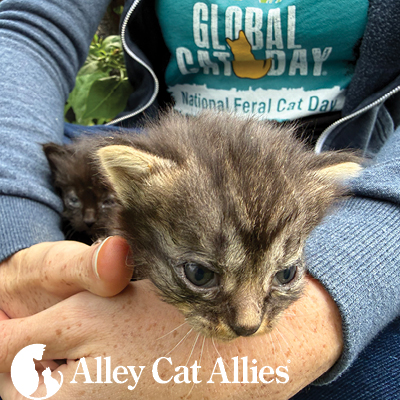
This year’s mobilization demonstrated that protecting cats requires boots-on-the-ground execution. From funding emergency veterinary surgeries and stocking community food banks to successfully overturning cruel wildlife management policies and launching veterinary outreach initiatives, the 2026 campaign delivered tangible, lifesaving results. This report provides a comprehensive examination of the initiatives, regional impacts, strategic partnerships, and future outlooks stemming from the 2026 Global Cat Day celebrations.
Detailed Chronology and Regional Impact
The 2026 Global Cat Day mobilization was characterized by intensive, localized campaigns that addressed the unique challenges faced by community cats and their caregivers in diverse geographic environments. Alley Cat Allies deployment teams worked directly on the ground alongside local shelters, municipal departments, and grassroots advocates across multiple U.S. states and international territories.
Texas: Turning the Tide in Granite Shoals
In Granite Shoals, Texas, October 16 marked a watershed moment for feline welfare. In collaboration with the Hill Country Humane Society, Alley Cat Allies coordinated a specialized Global Cat Day TNR clinic. The organization fully covered the costs of all surgeries, vaccinations, and supplementary medical care required for the incoming community cats. Additionally, substantial shipments of nutritious wet food were distributed to local caregivers to ease the financial burden of daily feeding operations.
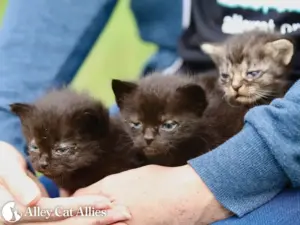
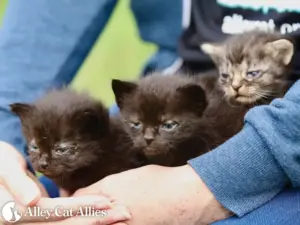
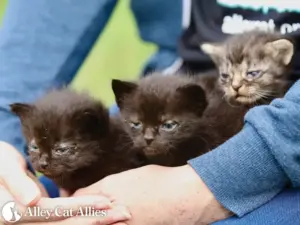
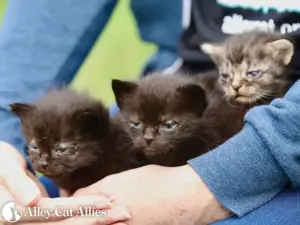
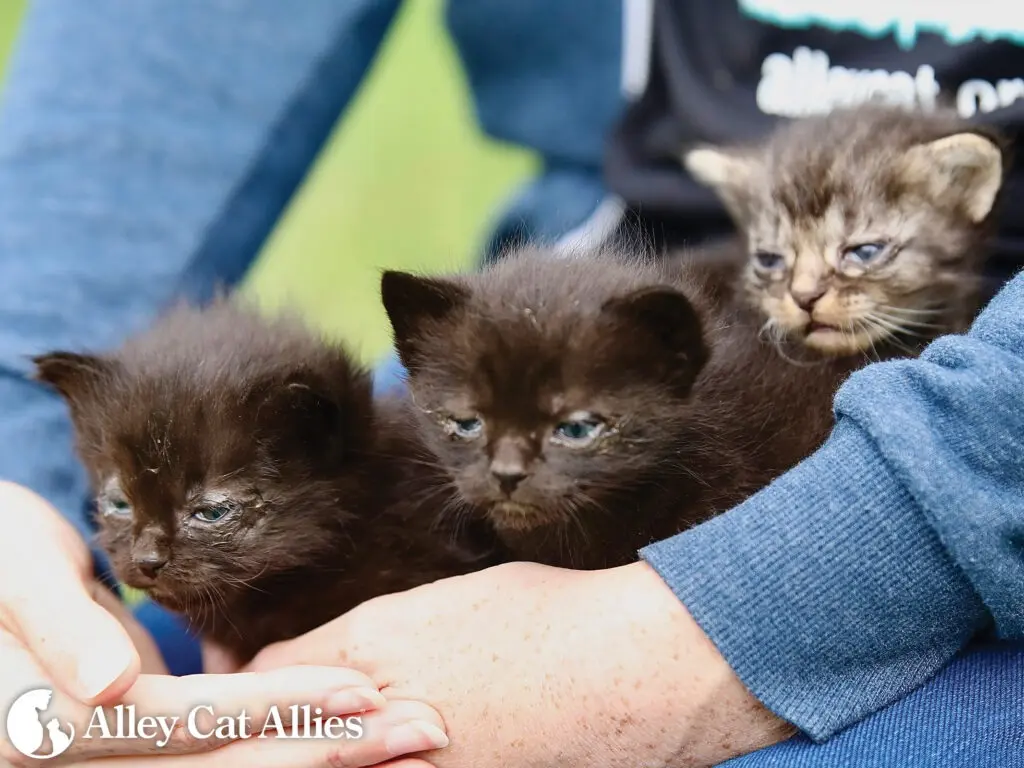
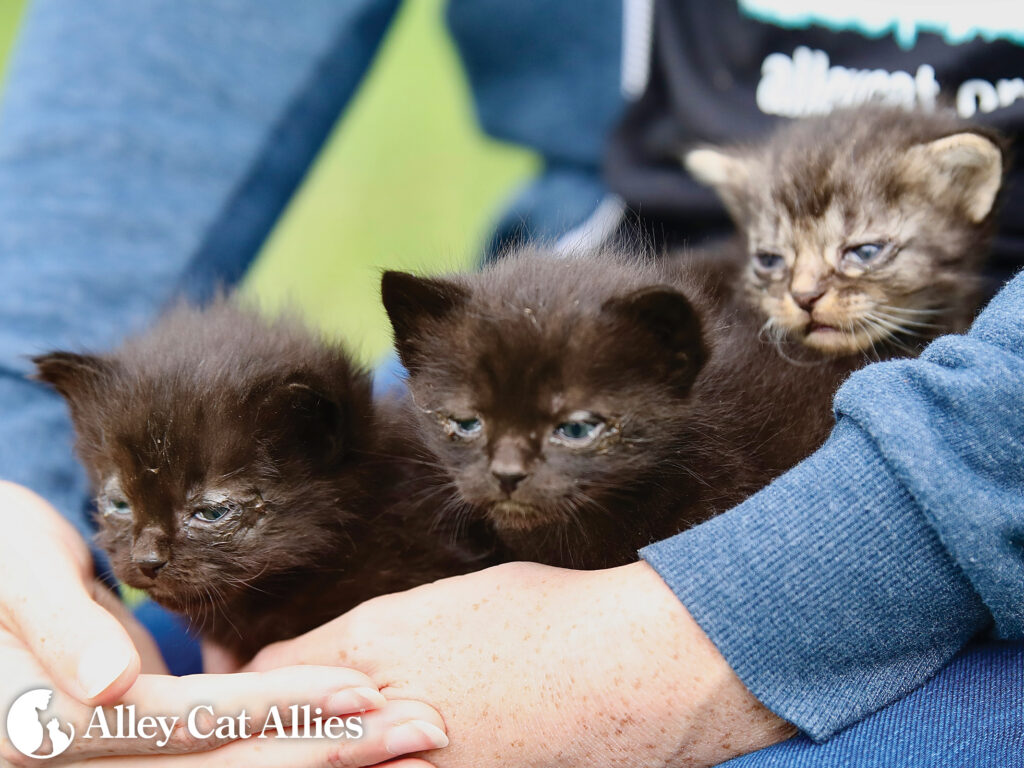
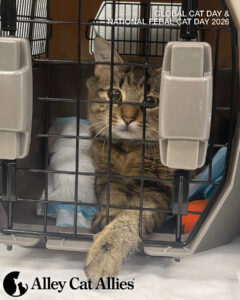
Amidst the clinic operations, field teams made a critical discovery: three tiny, highly vulnerable kittens exposed to an unusually harsh, cold October day. Suffering from acute upper respiratory infections, the kittens required immediate medical intervention. They were integrated directly into the mobile clinic schedule, where veterinary staff provided warmth, specialized nutritional support, and ocular treatments.

This intervention represents a continuation of Alley Cat Allies’ long-standing commitment to Granite Shoals. In 2023, the organization successfully mobilized local opposition—amplifying the voices of the Hill Country Humane Society, the Granite Shoals Police Department, and community caregivers—against proposed lethal control measures. This advocacy culminated in March 2024 when the city formally adopted a progressive, positive TNR ordinance. The 2026 clinic stands as a testament to the enduring fruit of that policy victory, cementing a community-wide infrastructure dedicated to humane population management.
Maryland: Bolstering Support Networks
In Maryland, partnership remained the cornerstone of the Global Cat Day strategy. Alley Cat Allies partnered with A Cat’s Life Rescue to underwrite the complete financial burden of spay and neuter procedures, comprehensive TNR services, microchipping, and essential vaccinations throughout the celebratory week.
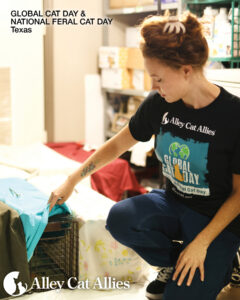
Recognizing that medical care alone is insufficient without sustainable nutrition, the initiative also heavily stocked the rescue group’s community food bank with high-quality wet cat food. By providing these foundational resources, the campaign directly supported the tireless network of volunteers who manage colonies and safeguard neighborhood cats 365 days a year.
Puerto Rico: Defending Vulnerable Populations
The plight of community cats in Puerto Rico has long demanded specialized, resilient advocacy. In San Juan and surrounding regions, the focus on Global Cat Day centered on direct care for vulnerable cats, including notable feline residents like Llorin, Gizmo, and Josie.
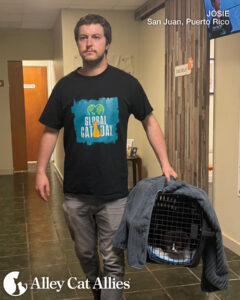
Beyond daily feeding and shelter maintenance, the operational teams prioritized specialized veterinary screenings and treatments. Josie, for instance, was transported directly to a clinical partner for diagnostic testing and targeted medical care, ensuring she receives the long-term support necessary to thrive in her environment.
This direct action occurs against the backdrop of a monumental policy victory. Alley Cat Allies has maintained a continuous presence in Puerto Rico for years, successfully defending community cats against a lethal elimination plan proposed by the U.S. National Park Service. The 2026 actions reaffirm the organization’s dedication to protecting island felines from systemic threats while simultaneously meeting their immediate, individual needs.

Virginia: Expanding Richmond’s Resource Grid
In Richmond, Virginia, outreach efforts on October 16 focused heavily on food security and resource distribution. Teaming up with the Richmond SPCA, Alley Cat Allies deployed personnel to deliver no-cost cat food supplies directly to community cat caregivers. This initiative built upon months of steady, rigorous groundwork in the region, which has seen increased implementation of structured TNR programs and localized caregiver education.
New Jersey: Celebrating Model Programs in Atlantic County
Atlantic County, New Jersey, provided a celebratory backdrop for Global Cat Day, showcasing what is possible when municipal leadership fully embraces feline welfare. The region is internationally renowned for the Boardwalk Cats program—a model community cat initiative that has served as a blueprint for municipalities worldwide.

Operating amidst iconic boardwalk scenery, teams ensured that local cats received their daily rations, vital medical interventions, and ongoing TNR maintenance. The presence of the Boardwalk Cats program on Global Cat Day served as a living demonstration of the efficacy, safety, and public support generated by city-backed TNR policies.
Arizona: Engaging Veterinary Professionals in Tempe
In the Phoenix metropolitan area, particularly in Tempe, the 2026 campaign took a strategic educational approach. While continuing to support local advocates and underwrite TNR costs, Alley Cat Allies launched targeted outreach campaigns directed at regional veterinary practices.
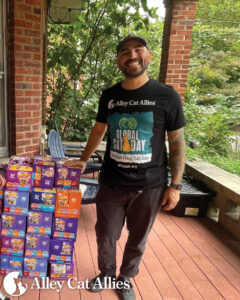
Veterinarians represent the literal and figurative heartbeat of effective TNR programs; their willingness to provide affordable services and welcome community cats into their clinics dictates the success of local welfare efforts. To foster this buy-in, Alley Cat Allies distributed expert educational materials and operational guidelines to veterinary clinics throughout Tempe, encouraging practitioners to actively integrate community cat care into their business models.
Supporting Context and Metrics: The Science of "Cats Are Community"
To fully comprehend the significance of Global Cat Day 2026, one must examine the socio-ecological framework underpinning the modern animal advocacy movement. The philosophy that Cats Are Community™ rejects the false dichotomy that separates indoor pets from outdoor community cats. Felines have co-existed with human settlements for millennia; they are an intrinsic part of our neighborhoods, ecosystems, and social fabric.
The Failure of Lethal Control
For decades, municipal responses to outdoor cat populations relied heavily on "catch-and-kill" policies—the removal and subsequent euthanasia of feral cats in animal shelters. Decades of data compiled by animal behaviorists, ecologists, and welfare organizations have conclusively proven this approach to be ineffective, expensive, and inhumane.
- The Vacuum Effect: When cats are removed from a specific territory, remaining or unsterilized cats quickly migrate into the vacant area to exploit available food sources, leading to a rapid rebound in population density.
- Economic Inefficiency: Euthanasia-based animal control drains municipal budgets on round-the-clock trapping, sheltering, and destruction, whereas TNR is a self-sustaining model largely executed by volunteer networks.
The Triumph of Trap-Neuter-Return (TNR)
TNR is universally recognized by leading humane organizations as the single most effective, humane, and scientifically sound method of managing community cat populations. Through TNR:
- Cats are humanely trapped.
- They are transported to a licensed veterinarian to be spayed or neutered, vaccinated against rabies, and eartipped (the universal sign of a sterilized and vaccinated community cat).
- Upon recovery, they are returned to their outdoor homes where they live out their natural lives without contributing to population growth.
- Colony sizes naturally and humanely stabilize and decline over time, nuisance behaviors (such as howling and spraying) are dramatically reduced, and public health is protected through mandatory rabies vaccinations.
Official Statements and Institutional Perspectives
The success of the 2026 Global Cat Day initiatives was made possible through profound multi-sector collaboration. Leaders from participating organizations emphasized the transformative power of unity and education during this year’s mobilization.
- Alley Cat Allies Leadership: Reflecting on the international reach of the event, organizational spokespersons noted: "From the U.S. to Syria, Puerto Rico to Thailand, people the world over celebrated with us and took action to say loud and clear that Cats Are Community. Whether we are funding emergency surgeries in Texas, stocking food banks in Maryland, or educating veterinary professionals in Arizona, every action taken on Global Cat Day builds a lasting infrastructure of compassion."
- Shelter and Municipal Partners: Representatives from the Hill Country Humane Society and the Richmond SPCA echoed these sentiments, highlighting how national-local partnerships alleviate the immense financial strain typically borne by localized shelters. By covering surgical and nutritional costs, national advocacy groups empower regional entities to expand their operational footprints exponentially.
Future Outlook: Sustaining the Momentum Beyond 24 Hours
While October 16 serves as the focal point of international mobilization, animal welfare organizations stress that advocacy, protection, and care cannot be restricted to a single calendar day. The conclusion of Global Cat Day 2026 marks the beginning of an ongoing, year-round commitment to systemic reform.

Strategic Objectives for the Future
- Legislative Expansion: Advocates are utilizing the momentum from 2026 to lobby state legislatures and municipal councils for the formal codification of TNR ordinances, ensuring that no city relies on outdated, lethal animal control mandates.
- Veterinary Integration: Building on the outreach models deployed in Tempe, Arizona, future campaigns will focus heavily on bridging the gap between private veterinary practices and community cat caregivers, expanding low-cost spay/neuter access nationwide.
- Global Network Strengthening: International coordination—stretching from the Middle East to Southeast Asia—will continue to be cultivated, providing resources, training, and strategic defense to grassroots organizations operating in challenging geopolitical and environmental landscapes.
- Public Education: Dismantling persistent myths regarding feral cats remains a core objective. Continuous community outreach will focus on educating the public on how to coexist peacefully with outdoor cats and how to properly utilize community resources.
As the animal welfare community looks ahead to subsequent campaigns, the foundational truth established in October 2026 remains immutable: through sustained collaboration, evidence-based policies, and unwavering compassion, a world where every cat is valued and protected is entirely achievable.