
Executive Overview
Earth’s waterways are vital lifelines that sustain biodiversity, regulate global climates, and anchor cultural identities. To honor these vital ecosystems, conservationists, Indigenous leaders, and scientists gather annually to celebrate the intrinsic values of our hydrographic networks. In recognition of this global commitment, attention turns north to the province of Quebec, Canada, where one of the most ecologically rich and legally groundbreaking waterways on the planet flows: the Magpie River—known traditionally in the Innu language as Mutehekau Shipu.
Spanning 280 kilometers (174 miles) through the rugged Canadian Shield, the Magpie River is much more than a scenic wonder. It is a roaring, untamed wilderness that holds international renown as one of the top ten whitewater rafting rivers in the world. More importantly, it is an ancestral artery flowing through the Nitassinan—the traditional, unceded territory of two distinct Innu First Nations: the Innu of Ekuanitshit and the Innu of Uashat mak Mani-utenam. In recent years, the river has shattered legal paradigms by becoming the first waterway in Canada to be granted the status of a "legal entity," complete with its own inherent rights, guardian-appointed trustees, and protections against industrial exploitation.
Yet, legal personhood is only the first line of defense in an ongoing battle to shield the watershed from ecological degradation. Behind the breathtaking rapids, plunging waterfalls, and dense boreal forests lies a critical avian highway. The Magpie River and its expansive watershed serve as vital nesting, resting, and feeding grounds for a diverse array of migratory birds, including the Common Merganser (Mergus merganser) and the vulnerable Rusty Blackbird (Euphagus carolinus).
To ensure these avian populations are thoroughly cataloged and defended, a coalition comprising the National Audubon Society, the Society for Nature and Parks (SNAP) Quebec, and the Innu communities of Ekuanitshit and Uashat mak Mani-utenam has launched an ambitious scientific initiative. By deploying a network of state-of-the-art Autonomous Recording Units (ARUs) along the shores of both the Magpie and the nearby Moisie River, researchers are capturing the acoustic fingerprints of the boreal forest. These solar-powered recording devices are strategically programmed to capture birdsongs during peak migration windows, providing researchers with unprecedented data sets to support the long-term conservation of these vital watersheds.
This comprehensive report examines the multifaceted campaign to protect the Magpie River. It details the historical and legal milestones of the watershed, explores the technological methodology behind the bioacoustic surveys, synthesizes expert statements from Indigenous leaders and conservation scientists, and outlines the future outlook for environmental jurisprudence and avian conservation in northern Quebec.
Detailed Chronology: The Journey of Mutehekau Shipu
To understand the current conservation efforts along the Magpie River, one must trace the historical, legal, and ecological timeline that brought this remote northern waterway to the forefront of global environmental jurisprudence.
Pre-Colonial Era to the 20th Century: The Innu Stewardship
For millennia, the Indigenous Innu peoples have inhabited the forested expanses of the Côte-Nord region of Quebec. The Magpie River, or Mutehekau Shipu—which translates roughly to "the river where the water goes between the rocky cliffs"—was never merely a geographic feature to the Innu. It was, and remains, a living relative, a provider of sustenance, and an integral part of their spiritual and cultural heritage. Generations of Innu families traversed the waters by canoe, harvesting fish, hunting terrestrial mammals, and observing the predictable seasonal migrations of birds that marked the shifting of the boreal seasons.
Late 20th Century: Industrialization Pressures
As industrial expansion swept across Canada during the post-war era, northern Quebec’s vast hydroelectric potential caught the attention of provincial developers and state-owned utilities like Hydro-Québec. The Magpie River, with its dramatic drops and immense water volume, was identified as a prime candidate for hydroelectric damming.
While a smaller dam was constructed on the lower reaches of the river in the late 1990s, larger proposals loomed over the pristine upper and middle sections. These industrial plans threatened to flood vast tracts of ancestral land, disrupt the natural flow regimes, and fragment the fragile boreal habitats relied upon by both resident and migratory wildlife.
2000s–2010s: Grasslands, Rapids, and Global Recognition
While utility planners eyed the river for kilowatt output, outdoor enthusiasts and conservationists discovered its world-class whitewater characteristics. By the turn of the 21st century, the Magpie River had earned international acclaim, frequently cited by adventure travel organizations as one of the top ten whitewater rivers globally.
Concurrently, ecological surveys began to underscore the watershed’s immense biodiversity value. Unlike regulated rivers to the west, the Magpie remained largely free-flowing in its upper reaches, acting as a biological corridor connecting the interior boreal forest to the Gulf of St. Lawrence. However, the absence of formal, permanent legal protection left the river vulnerable to shifting political climates and renewed energy demands.
February 2021: A Legal Milestone
The defining moment in the modern history of the Magpie River arrived in February 2021. In a coordinated, historic move, the Municipalité régionale de comté (MRC) de Minganie and the Innu Council of Ekuanitshit passed parallel resolutions granting the Magpie River legal personhood.
Modeled after global movements recognizing the rights of nature—such as the Whanganui River in New Zealand and the Atrato River in Colombia—this joint declaration bestowed upon Mutehekau Shipu nine specific rights. These included the right to flow, the right to maintain its natural biodiversity, the right to fulfill its essential functions within its ecosystem, and the right to be free from pollution. Furthermore, the river was granted the legal capacity to sue and be sued, with designated guardians appointed to speak on its behalf. This landmark decision fundamentally altered Canadian legal history, setting a precedent for Indigenous-led environmental governance.
2022–Present: Bioacoustic Monitoring and Bi-River Collaboration
With legal protections secured, conservationists shifted their focus to active ecological defense. Recognizing that legal personhood must be backed by rigorous scientific data, the National Audubon Society and SNAP Quebec partnered with the Innu communities of Ekuanitshit and Uashat mak Mani-utenam.
Beginning in the mid-2020s, this partnership deployed arrays of Autonomous Recording Units (ARUs) along the shores of the Magpie and Moisie rivers. This ongoing scientific campaign aims to build a robust database of avian presence, providing undeniable biological metrics to reinforce conservation policies, counter industrial threats, and monitor the ecological health of the broader northern Quebec watershed.
Supporting Context & Metrics: The Ecology of the Magpie and Moisie Watersheds
To fully appreciate the scope of the current avian monitoring project, one must examine the ecological parameters, geographic scale, and biological significance of the region.
Geographic and Hydrological Profile
- Total Length: 280 kilometers (174 miles).
- Location: Côte-Nord region of Quebec, flowing south from the Canadian Shield into the Gulf of St. Lawrence.
- Traditional Territory: Nitassinan of the Innu of Ekuanitshit and the Innu of Uashat mak Mani-utenam.
- Designations: Internationally recognized top-10 whitewater recreation river; globally pioneering Canadian river with legal personhood.
The Magpie River basin is characterized by a classic subarctic boreal landscape. Dense stands of black spruce (Picea mariana), balsam fir (Abies balsamea), and paper birch (Betula papyrifera) blanket the undulating terrain, interspersed with vast peatlands, sphagnum bogs, and crystalline lakes. This mosaic of habitats provides critical shelter and breeding grounds for a diverse cross-section of North American wildlife.
Avian Biodiversity: Beyond the Common Merganser and Rusty Blackbird
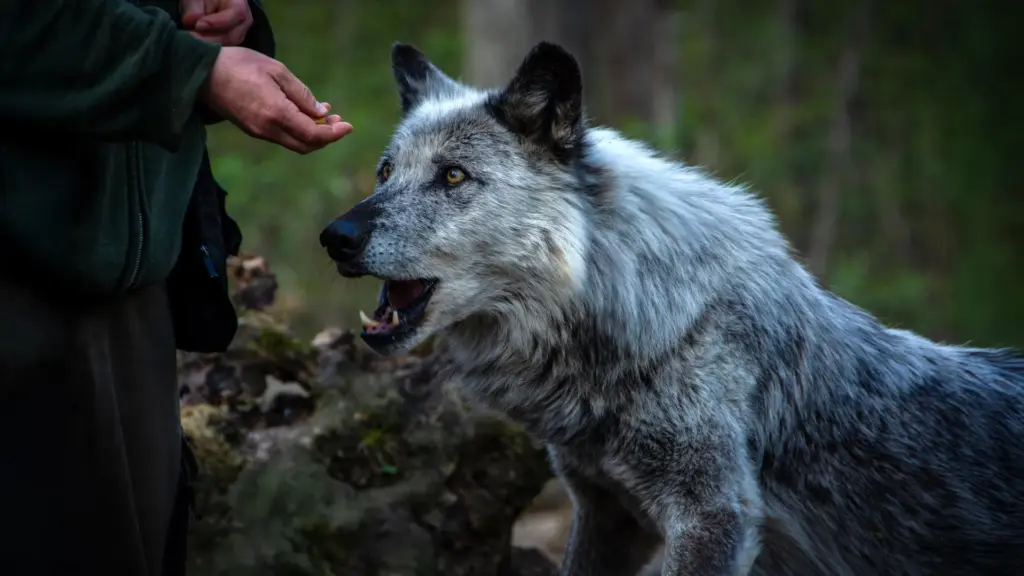
While the Magpie River supports apex predators like wolves and black bears, as well as native fish populations like brook trout and Atlantic salmon, its skies and shorelines are profoundly alive with bird life. Two species serve as key bioindicators for the health of the watershed:
- Common Merganser (Mergus merganser): This large, fish-eating duck relies heavily on clean, unpolluted rivers with abundant aquatic prey and mature shoreline trees featuring natural cavities for nesting. The presence of healthy Common Merganser populations along the Magpie indicates a robust aquatic food web and undisturbed nesting riparian zones.
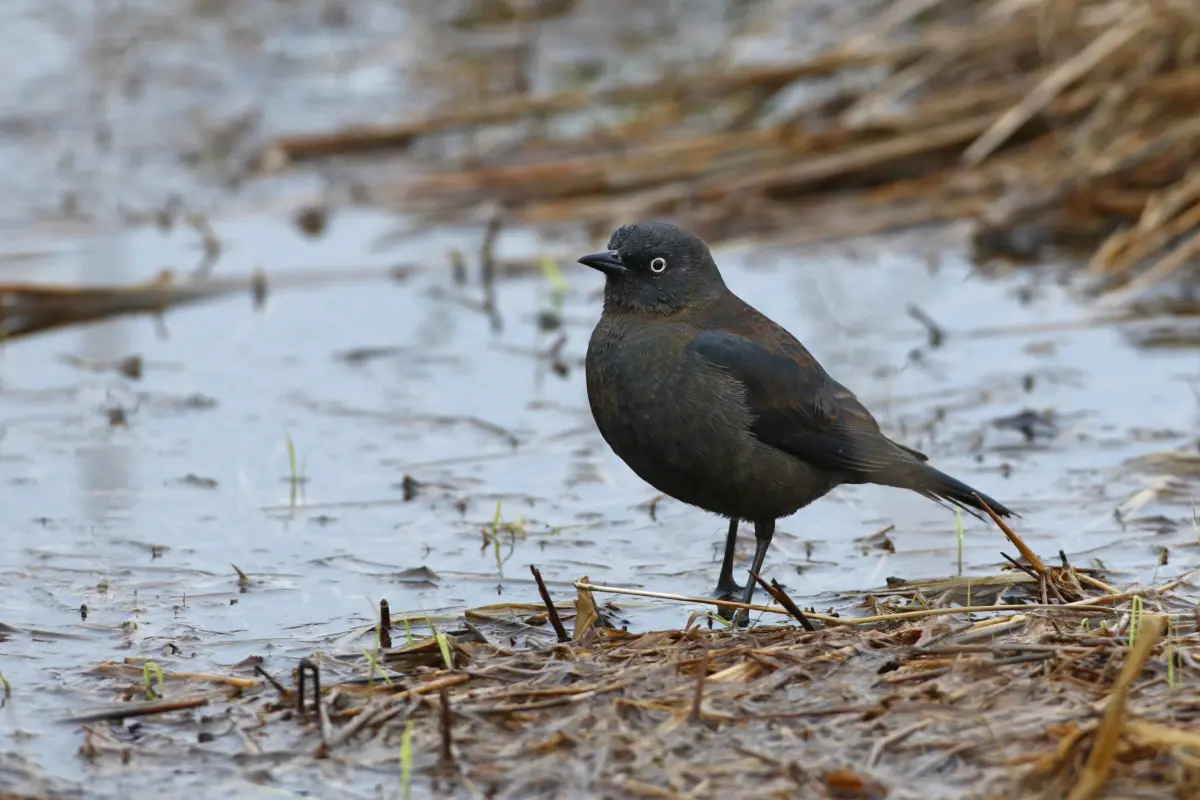
- Rusty Blackbird (Euphagus carolinus): Once considered common, the Rusty Blackbird has experienced one of the steepest population declines of any North American landbird over the past half-century. Heavily reliant on boreal wetlands, bogs, and slow-moving river edges for foraging, the species is acutely sensitive to habitat alteration and climate change. Documenting stable or breeding populations of Rusty Blackbirds along the Magpie and Moisie rivers underscores the critical refuge value these northern watersheds provide for species of high conservation concern.
The Technological Edge: Autonomous Recording Units (ARUs)
Traditional avian surveys in remote northern territories like the Côte-Nord are notoriously difficult. The sheer scale of the landscape, coupled with the lack of road infrastructure and harsh weather conditions, makes continuous human observation logistically impossible and financially prohibitive.
To overcome these barriers, the conservation partnership deployed Autonomous Recording Units (ARUs). These ruggedized acoustic monitors operate on the following principles:
- Programmed Schedules: ARUs are calibrated to activate automatically during peak vocalization windows—typically dawn chorus hours—throughout the spring and summer migration seasons.
- Non-Invasive Data Collection: Unlike mist-netting or visual transects, acoustic recording causes zero disturbance to nesting or migrating birds, preserving the integrity of fragile habitats.
- Massive Data Yield: Each unit stores hundreds of hours of high-fidelity audio data. Upon retrieval, these sound files are processed using advanced bioacoustic software and manual auditing to identify specific species signatures based on their unique vocalizations.
By pairing the data from the Magpie River with parallel monitoring on the neighboring Moisie River, scientists are establishing a comparative baseline that highlights regional migration corridors and habitat connectivity across northern Quebec.
Official Statements and Expert Perspectives
The convergence of Indigenous law, grassroots conservation, and cutting-edge bioacoustics has generated profound commentary from leaders across multiple sectors.
Reflecting on the Legal Rights of Nature:
When the legal personhood of the Magpie River was declared in 2021, representatives from the Innu Council of Ekuanitshit emphasized that the initiative was not merely symbolic, but an absolute necessity for survival. Chief Jean-Charles Piétum, speaking on the cultural bond with Mutehekau Shipu, noted:
"The river is our ancestor, our provider, and our witness. By recognizing its legal personhood, we are not creating a new concept; we are codifying in Western legal terms what our people have known and practiced since time immemorial: that the river has a right to live, to flow, and to be protected from destruction."
The Scientific Imperative:
Conservation biologists involved in the avian monitoring project stress that empirical data is vital for defending the river against future industrial pressures. A spokesperson for SNAP Quebec remarked on the synergy between Indigenous guardianship and Western science:
"We cannot protect what we do not fully understand. While the legal status of the Magpie River provides a formidable shield, our partnership with Audubon and the Innu communities equips us with the acoustic data needed to prove its biological richness. The birds singing along these shores are telling us a story about ecosystem health that resonates far beyond Quebec."
The Role of Audubon in Boreal Conservation:
Representatives from the National Audubon Society highlighted the continental significance of Quebec’s northern watersheds. Because millions of migratory birds funnel through these boreal zones annually after wintering in the United States and Central America, preserving northern habitats is an international responsibility. An Audubon avian ecologist stated:
"The boreal forest is North America’s bird nursery. By deploying ARUs along the Magpie and Moisie rivers, we are listening in on a critical avian highway. The data we gather helps bridge the gap between local habitat protection and continental migratory bird conservation strategies."
Future Outlook: The Next Frontier for Watershed and Avian Protection
As the data from the Autonomous Recording Units continues to stream in and be analyzed, the conservation outlook for the Magpie River enters a dynamic new phase. The intersection of Indigenous jurisprudence, advanced bioacoustics, and climate resilience planning points toward several key trajectories for the future:
1. Strengthening Legal Precedents Across Canada
The successful implementation of legal personhood for the Magpie River is already serving as a blueprint for other Indigenous nations and municipalities across Canada and internationally. As legal guardians test the enforcement mechanisms of Mutehekau Shipu‘s rights in courtrooms and policy forums, the watershed stands as a living test case. Future legal battles will likely center on upstream industrial developments, mining exploratory rights, and climate change adaptation policies, with acoustic biodiversity data serving as key evidentiary support.
2. Expanding Bioacoustic Networks
Building on the success of the initial deployments along the Magpie and Moisie rivers, conservation partners are exploring the expansion of the ARU network. Scaling up acoustic monitoring across a broader swath of the Côte-Nord region will allow researchers to track long-term population trends, assess the impacts of shifting climate patterns on migration timing, and identify micro-habitats requiring strict conservation zoning.
3. Climate Change Resilience and Boreal Protection
The Canadian boreal forest plays an irreplaceable role in global climate regulation, sequestering massive amounts of carbon in its peatlands and soils. Protecting the Magpie River watershed safeguards not only aquatic species and migratory birds but also a vital carbon sink. As warming temperatures alter boreal ecosystems, maintaining connected, free-flowing river corridors will be essential for allowing wildlife to adapt and migrate northward.
Conclusion
The story of the Magpie River (Mutehekau Shipu) is a powerful testament to what can be achieved when ancient Indigenous wisdom aligns with modern ecological science and innovative jurisprudence. From the roaring whitewater rapids celebrated by global adventurers to the quiet, vital songs of the Common Merganser and Rusty Blackbird recorded by solar-powered units in the deep forest, every facet of this watershed is interconnected.
As the world continues to grapple with biodiversity loss and climate instability, the ongoing protection of the Magpie River offers a beacon of hope—proving that rivers can be recognized not as resources to be exploited, but as living entities with the inherent right to exist, thrive, and be heard.