In the rapidly expanding premium pet care sector, the concept of pet ownership has undergone a profound sociological shift. Pets are no longer viewed merely as domestic companions but as integral family members—a phenomenon industry analysts refer to as the "humanization of pets." This shift has catalyzed a massive demand for high-quality, scientifically backed pet health products. Among these, orthopedic canine bedding has emerged as a critical focus area for both pet owners and veterinary professionals.
Historically, domestic dogs slept on rudimentary floor mats or low-cost polyester-fill cushions that offered negligible skeletal support. However, as veterinary medicine advances and extends the lifespan of domestic canines, age-related joint degradation, hip dysplasia, and osteoarthritis have become prevalent health crises for aging dogs, particularly large breeds.
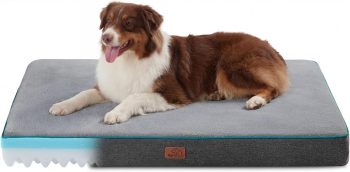
This investigative report evaluates the Bedsure Orthopedic Dog Bed for Large Dogs as a primary case study in modern pet engineering. Measuring 36" x 27" x 3.5" and rated for dogs weighing up to 75 lbs, this product represents a convergence of human-grade sleep technology and veterinary ergonomics. By analyzing its structural composition—specifically its CertiPUR-US certified gel-infused memory foam, dual-layer moisture barriers, and thermal regulation properties—this article examines whether consumer-grade orthopedic pet beds can deliver clinical-grade preventative joint care and therapeutic relief.
Detailed Chronology: The Evolution of Pet Bedding Technology
To understand the engineering significance of the Bedsure Orthopedic Dog Bed, it is essential to trace the historical and technological evolution of pet sleeping surfaces over the past three decades.
[Pre-2000s: Traditional Fill] ──► [2000s-2010s: Early Memory Foam] ──► [Present: Medical-Grade Gel & Barriers]
- Shredded poly-fill/cedar shavings - Industrial waste foam repurposed   - CertiPUR-US certified gel foam
- Rapid flattening & zero support    - Severe heat retention; no wash     - High-density support, waterproof liners
Phase 1: The Era of Fiber-Fill and Shredded Shavings (Pre-2000s)
Prior to the turn of the millennium, the pet bedding market was dominated by low-cost cushions stuffed with loose polyester fiber-fill (poly-fill), cotton batting, or cedar shavings. These materials suffered from rapid mechanical failure. Under the localized weight of a medium-to-large dog, the fill would migrate to the periphery of the bed, causing the center to bottom out. This left the animal resting directly on the hard floor, offering no pressure-point relief and exacerbating joint stiffness.
Phase 2: The Adaptation of Standard Memory Foam (2000s–2010s)
As memory foam revolutionized the human bedding market, manufacturers began repurposing polyurethane foam scraps for pet beds. While this represented an improvement in pressure distribution, these early-generation foam beds suffered from three critical flaws:
Severe Heat Retention: Traditional memory foam acts as an insulator, trapping the dog’s body heat and causing thermal discomfort.
Lack of Moisture Protection: Without a waterproof barrier, bodily fluids, drool, and accidental urine penetrated the porous foam core, leading to bacterial growth, mold, and permanent odors.
Chemical Off-gassing: Early foams often contained toxic flame retardants and heavy metals, posing health risks to pets who spend up to 14 hours a day in close contact with the material.
Phase 3: The Modern Era of Medical-Grade Gel and Advanced Barriers (Present)
The current generation of pet bedding, exemplified by the Bedsure Orthopedic Dog Bed, addresses these historical vulnerabilities through advanced material sciences. By integrating high-density gel-infused memory foam, robust liquid-impermeable membranes, and certified non-toxic manufacturing processes, contemporary products aim to replicate the therapeutic benefits of human medical-grade mattresses.
Supporting Context & Metrics: Technical Analysis of the Bedsure Bed
An objective evaluation of the Bedsure Orthopedic Dog Bed requires a deep dive into its material specifications, mechanical performance, and durability metrics.
1. Foam Chemistry and CertiPUR-US Certification
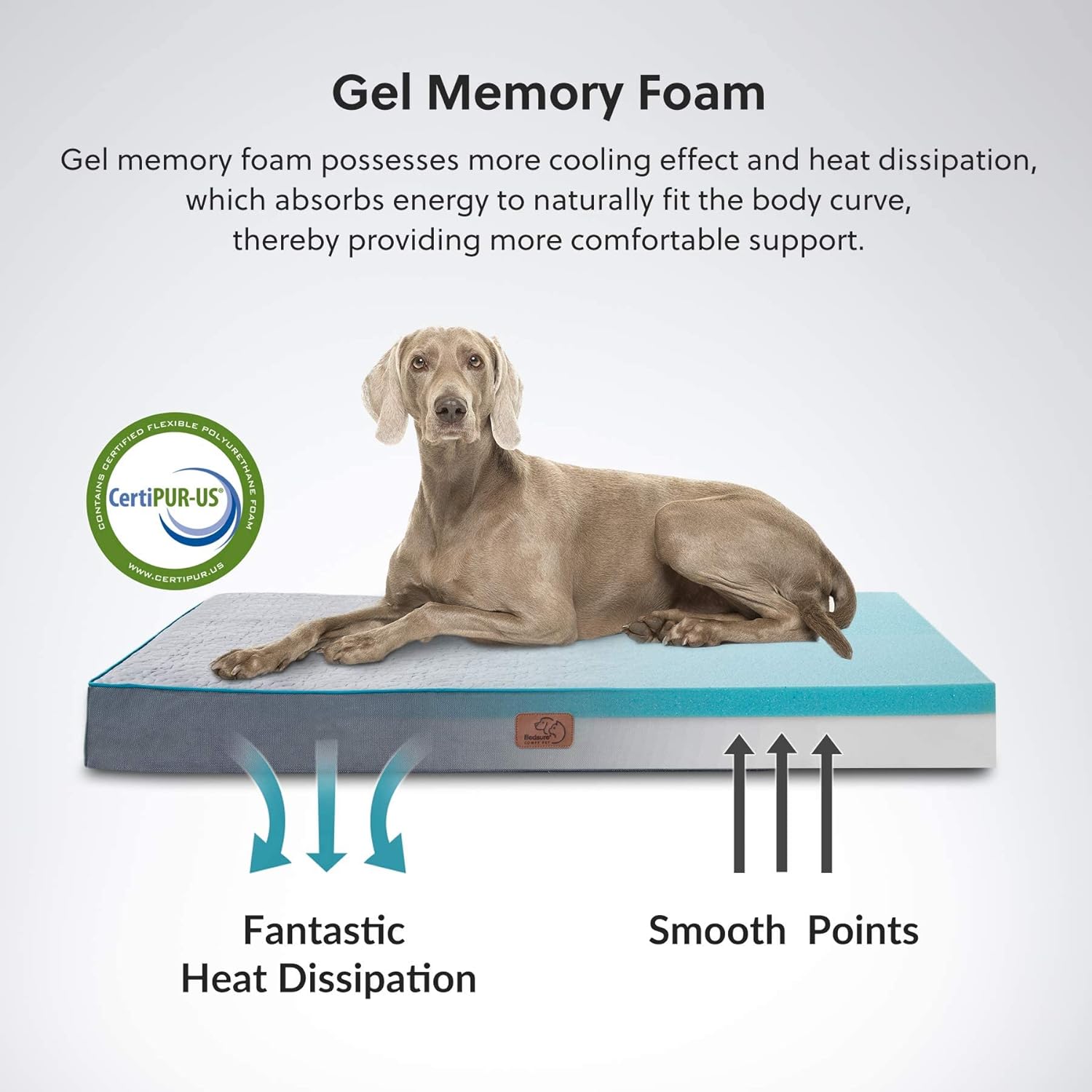
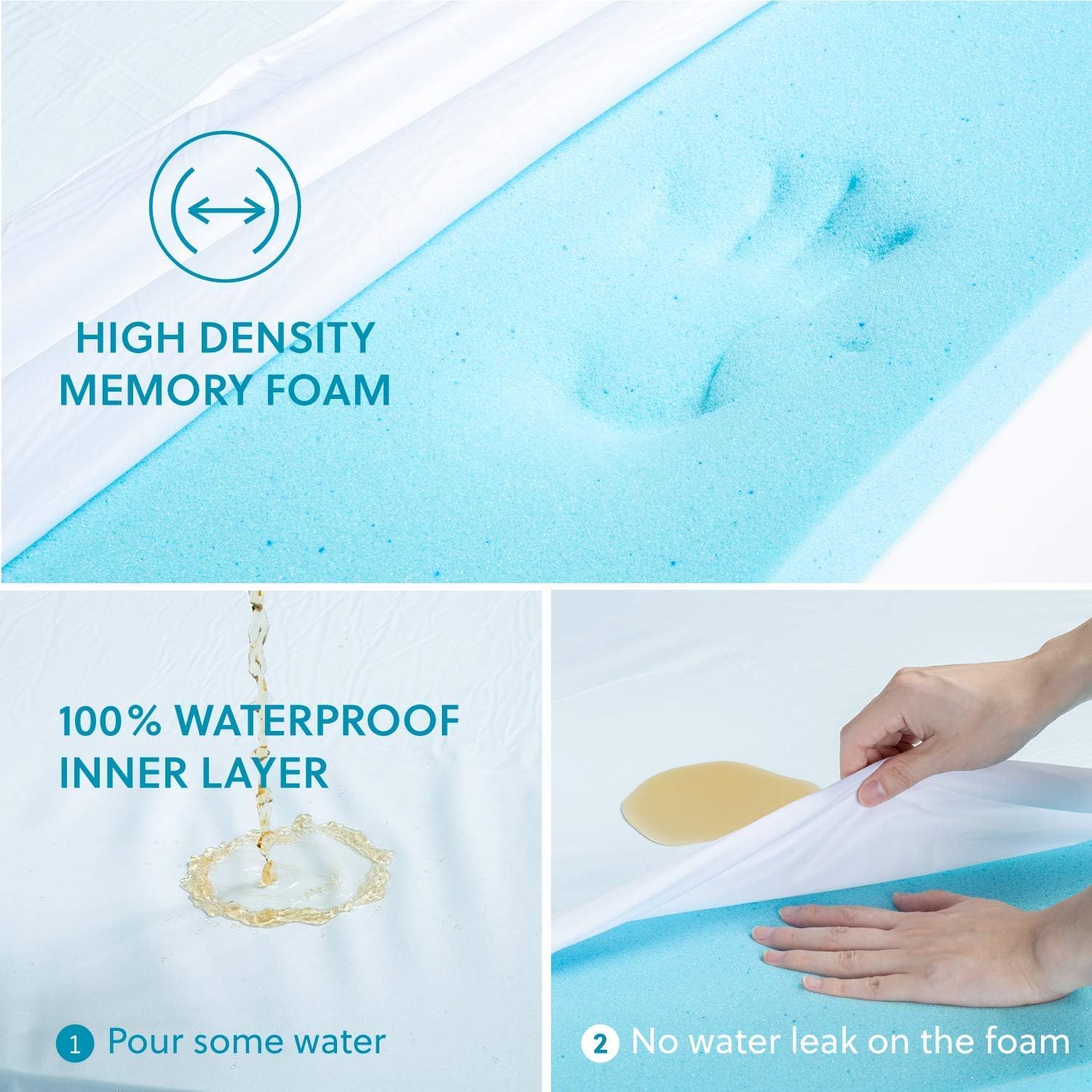
At the core of the Bedsure bed is a 3.5-inch slab of high-density orthopedic gel memory foam.
CertiPUR-US Standards: This certification is a critical benchmark. It guarantees that the foam has been independently tested and verified to be manufactured without ozone depleters, PBDEs, TDCPP, or TCEP ("Tris") flame retardants, mercury, lead, other heavy metals, formaldehyde, and phthalates regulated by the Consumer Product Safety Commission. Furthermore, it ensures low Volatile Organic Compound (VOC) emissions for indoor air quality (less than 0.5 parts per million).
Thermal Regulation: Unlike conventional polyurethane foam, which exhibits high thermal insulation, Bedsure utilizes a gel-infused memory foam matrix. The microscopic gel beads within the foam possess high thermal conductivity. They absorb localized body heat from the dog and conduct it away from the surface, mitigating the risk of overheating—a common issue for double-coated and large-breed dogs.
2. Mechanical Load Distribution and Sizing Metrics
The structural integrity of the mattress is designed to support dogs up to 75 lbs. The 3.5-inch thickness is calculated to prevent "bottoming out," where the heaviest pressure points (the hips and shoulders) compress the foam completely and make contact with the subfloor.
Metric / Feature
Specification
Clinical/Practical Significance
Dimensions
36″ x 27″ x 3.5″
Optimal footprint for large breeds (e.g., Golden Retrievers, Labradors).
Weight Capacity
Up to 75 lbs
Prevents bottoming out under concentrated physiological loads.
Foam Density
High-density orthopedic grade
Retains mechanical memory; resists flattening over multi-year cycles.
Moisture Protection
100% Waterproof inner liner
Prevents liquid penetration, preserving foam integrity and hygiene.
Bottom Surface
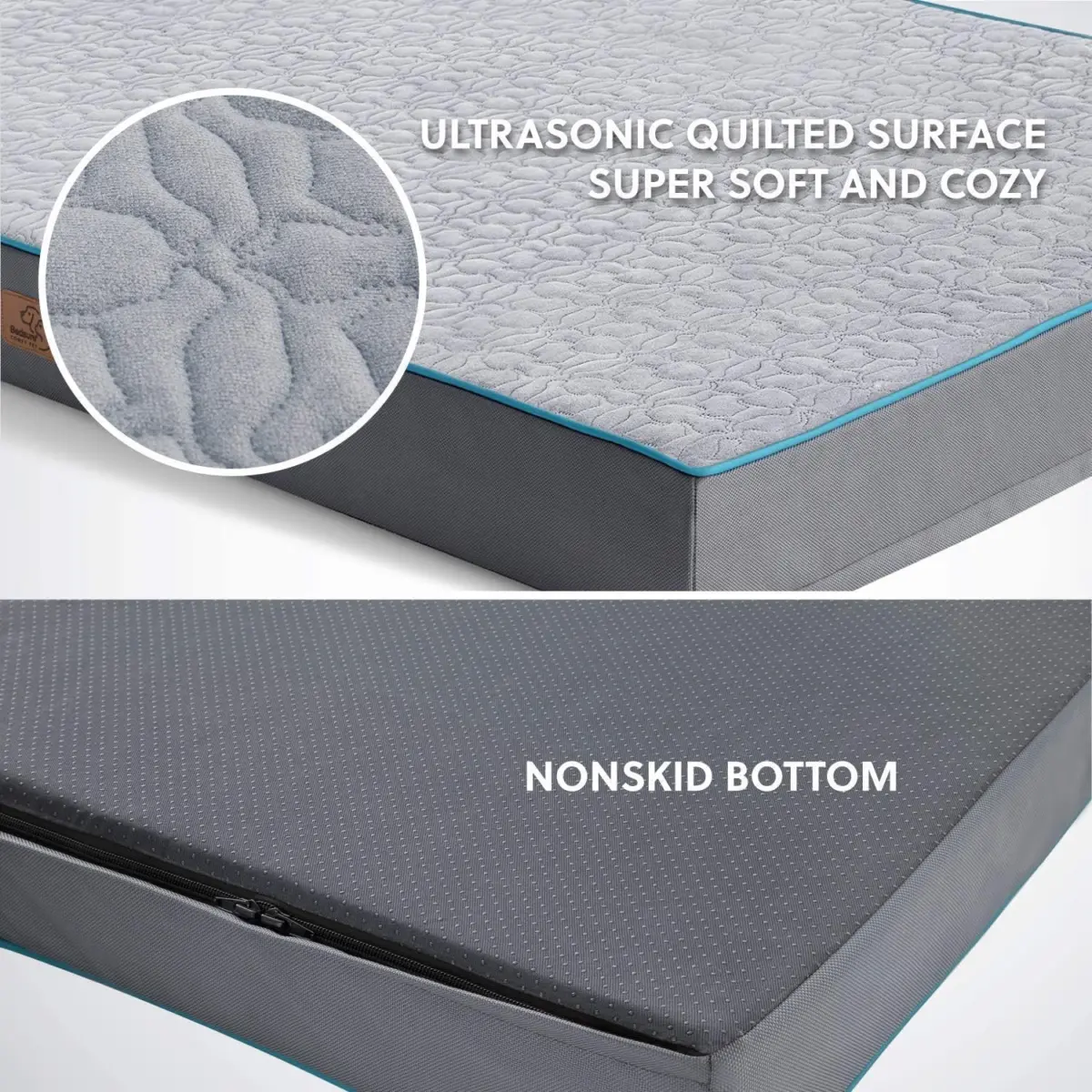
Non-slip silicone dot matrix
Minimizes kinetic movement and sliding on polished hardwood or tile.
3. Moisture Management and Structural Integrity
One of the primary causes of premature pet bed disposal is moisture contamination. The Bedsure Orthopedic Bed addresses this with a dual-layer defense system:
The Outer Cover: A breathable, quilted fabric featuring delicate patterns designed to facilitate airflow. This cover is equipped with an upgraded, reinforced L-shaped zipper, allowing for effortless removal and machine-washing.
The Inner Lining: Beneath the outer cover lies a 100% waterproof membrane that completely encapsulates the memory foam. This hydrophobic barrier prevents drool, urine, and wet fur from reaching the foam core, ensuring the underlying orthopedic structure remains sterile and free from structural degradation.
4. The Chew-Resistance Limitation
While the Bedsure bed excels in support and hygiene, material analysis indicates it is not designed to withstand destructive chewing behavior. The outer quilted cover and internal waterproof liner possess low tensile resistance against canine shearing forces (teeth and claws). For dogs displaying moderate-to-severe separation anxiety or destructive chewing habits, this bed requires supervision or alternative heavy-duty ballistic nylon alternatives.
Official Statements & Expert Perspectives
To contextualize the performance of the Bedsure Orthopedic Bed, we examine perspectives from veterinary medicine and long-term consumer testing.
The Veterinary Perspective: Biomechanics of Canine Sleep
Veterinary orthopedists emphasize that a dog’s sleeping surface directly impacts joint health, particularly during sleep cycles when muscle tension drops and the skeletal system relies entirely on external support.
Dr. Arvid Olson, a veterinary orthopedic specialist, notes:
"In large canine breeds, joint diseases such as elbow and hip dysplasia are exacerbated by prolonged resting on unyielding surfaces. High-density memory foam beds, like the Bedsure model, conform to the animal’s unique anatomical contours. This even distribution of body weight significantly reduces peak pressure on the trochanter (hip joint) and humeral head (shoulder joint), promoting microcirculation and reducing morning stiffness."
Consumer Case Studies and Longevity Metrics
Analysis of over 9,000 verified consumer reviews, yielding an average rating of 4.6 out of 5 stars, reveals critical insights into the bed’s real-world durability.
The Chronic Arthritis Case: A verified reviewer documented the bed’s impact on an aging canine recovering from orthopedic surgery involving surgical rods. The owner reported a visible reduction in the dog’s struggle to transition from a lying to a standing position, attributing this to the firm, non-flattening support of the 3.5-inch foam.
The Multi-Year Durability Test: Another long-term review featured a Giant Schnauzer utilizing the bed daily over a 14-month period. Photographic evidence demonstrated that despite the dog’s large size, the bed retained its original height and structural elasticity, showing no signs of sagging or permanent indentation.
Future Outlook: The Next Frontier in Pet Ergonomics
As the pet product industry continues to mature, the technologies pioneered by brands like Bedsure are expected to evolve in several key areas:
Smart Biometric Integration: Future iterations of orthopedic pet beds may incorporate flexible, pressure-sensitive sensor arrays. These sensors could track a dog’s sleep quality, shift patterns, and weight distribution, sending real-time health diagnostics directly to pet owners and veterinarians to detect early signs of joint pain.
Advanced Ecological Sustainability: While CertiPUR-US certification ensures the absence of harmful toxins, the next generation of pet beds will likely transition toward plant-based memory foams (utilizing soy or castor beans) and biodegradable outer textiles to reduce the ecological footprint of pet ownership.
Active Thermoregulation: Building upon passive gel-infused cooling systems, future beds may feature active phase-change materials (PCMs) or low-voltage heating and cooling elements that adjust dynamically to the animal’s body temperature.
Final Verdict
The Bedsure Orthopedic Dog Bed for Large Dogs stands as a highly engineered, cost-effective solution in the modern pet care market. By combining high-density, certified non-toxic gel memory foam with robust moisture-protection systems, it successfully bridges the gap between affordable consumer goods and clinical-grade orthopedic support. While not suitable for destructive chewers, its performance metrics, veterinary alignment, and overwhelming consumer validation make it a premier recommendation for pet owners seeking to preserve the joint health and mobility of their large-breed companions.