
Executive Overview
As global temperatures continue to climb and intense summer heatwaves become more frequent, pet owners face a critical seasonal challenge: safeguarding the health, comfort, and safety of their companion animals. While humans can easily articulate when they are overheating, domestic pets—spanning heat-sensitive Nordic dog breeds, high-energy working dogs, curious indoor cats, and vulnerable foster kittens—rely entirely on their human caretakers to manage environmental hazards.
Recent inquiries submitted to Wirecutter’s advice column highlight a trio of widespread summer pet-care dilemmas. These include managing outdoor walks for a husky/Australian Shepherd mix sensitive to high temperatures, preventing indoor cats from making dangerous escape attempts through open doors and windows, and determining optimal air conditioning strategies for apartments housing both resident cats and delicate foster kittens.
This comprehensive report synthesizes veterinary insights, behavioral science, expert testing methodologies, and specialized pet-gear evaluations. The goal is to provide a authoritative blueprint for pet safety during peak summer months. By evaluating targeted products—such as pressure-activated cooling mats, UPF-rated cooling vests, protective paw booties, and window-mounted clear-acrylic catios—this guide offers actionable, research-backed strategies to ensure pets remain safe, cool, and comfortable when ambient temperatures spike.
Detailed Chronology: The Evolution of Modern Pet Cooling Gear
The commercial landscape for pet cooling products has undergone a significant transformation over the past decade. Driven by advancements in textile engineering, consumer demand for human-grade pet wellness products, and rising veterinary awareness of heat-related illnesses in companion animals, manufacturers have shifted away from crude DIY solutions toward sophisticated, specialized gear.
Phase One: Early Innovations and Basic Hydration (Pre-2015)
Historically, keeping pets cool during the summer was limited to basic interventions: plastic wading pools, ice cubes dropped into water bowls, and makeshift shade structures. Portable hydration options were largely restricted to heavy ceramic or rigid plastic bowls that were impractical for active outdoor excursions. The introduction of packable, waterproof fabric bowls—such as the Ruffwear Quencher—marked a major turning point. These allowed owners to maintain hydration on the go without carrying excessive weight, establishing a baseline standard for mobile pet care.
Phase Two: The Rise of Specialized Material Science (2015–2020)
As pet humanization accelerated, manufacturers began applying human athletic wear and medical technology to animal products. Pressure-activated cooling mats, which utilize non-toxic cooling gels to absorb and dissipate a pet’s body heat without requiring refrigeration or electricity, became widely adopted. Similarly, canine footwear transitioned from novelty items into functional medical gear. Brands developed specialized booties designed to protect sensitive paw pads from blistering asphalt without causing joint strain or overheating through improper ventilation.
Phase Three: Advanced Thermal Regulation and Environmental Enrichment (2020–Present)
Modern pet gear focuses on holistic thermal regulation and behavioral enrichment. Advanced products now incorporate phase-change materials, evaporative cooling vests with high Ultraviolet Protection Factor (UPF) ratings, and modular architectural solutions for indoor animals. Innovations like window-mounted clear-acrylic "catios" (such as The Purrgola) address a distinct intersection of safety and psychology. They satisfy an indoor cat’s instinctual desire for outdoor stimulation while neutralizing threats to local wildlife and preventing accidental escapes through unfenced hazards.
Supporting Context & Metrics: Understanding Animal Thermoregulation
To effectively protect pets from heat stress, owners must understand the distinct physiological mechanisms governing animal thermoregulation. Unlike humans, who possess extensive sweat glands distributed across the body surface, dogs and cats have limited sweating capabilities—primarily through their paw pads—relying instead on panting and behavioral adjustments to regulate core body temperature.
Canine and Feline Thermal Limits
Veterinary specialists emphasize that animals operate within specific "thermo-neutral zones"—temperature ranges where their bodies do not expend excessive metabolic energy to warm up or cool down.
- Feline Comfort Ranges: Certified applied animal behaviorists note that cats generally prefer warmer ambient environments than humans, given their evolutionary origins as desert-dwelling species. However, exposing cats to unconditioned indoor spaces where temperatures rapidly escalate from a comfortable 72°F (22°C) to 85°F (29°C) or higher can induce significant physiological stress.
- Canine Thresholds: Dogs generally maintain a lower comfort threshold than cats. Breeds with dense double coats (e.g., Huskies, Malamutes, Samoyeds) or brachycephalic facial structures (e.g., French Bulldogs, English Bulldogs, Pugs) are exceptionally vulnerable to heat exhaustion and heatstroke. Brachycephalic breeds suffer from compromised upper airway anatomies, severely limiting the cooling efficiency of panting.
Environmental Hazards: The Asphalt Threat
A primary danger during summer months is ambient heat retention in urban infrastructure. Asphalt absorbs solar radiation efficiently, frequently reaching surface temperatures 40 to 60 degrees Fahrenheit higher than the ambient air.
- The Five-Second Rule: Veterinary consensus dictates that if an owner cannot comfortably hold the back of their hand against pavement for five seconds, the surface is too hot for a dog’s paw pads, risking immediate thermal burns, epidermal separation, and severe blistering.
Official Statements and Expert Guidance
Industry-leading veterinary behaviorists, HVAC specialists, and product researchers have established clear guidelines for maintaining pet safety during periods of extreme heat.
Veterinary Behavioral Insights on Temperature and Acclimation
Dr. Carlo Siracusa, a veterinary behavior specialist and professor at the University of Pennsylvania School of Veterinary Medicine, underscores the importance of gradual environmental transitions:
"Their short-term adaptability depends on the regular temperature at which the house is kept. For example, if the owners are home and the temperature is around 72 degrees, without AC it can quickly jump to 85; then the cat may feel uncomfortable at the highest temperature, which would probably be tolerated if the cat’s body had time to adjust."
Dr. Mikel Delgado, a certified applied animal behaviorist and cat-behavior consultant, highlights the physiological necessity of maintaining balanced indoor climates:
"We know that cats like warmth, and that’s partly because cats have a thermo-neutral zone, which is the temperature range at which their bodies are not exerting a lot of energy trying to either cool off or warm up."
HVAC Efficiency and Continuous Climate Control
Contrary to the common belief that turning off air conditioning units while away from home saves energy, heating, ventilation, and air conditioning (HVAC) professionals advocate for continuous, regulated operation. Thom Dunn, Wirecutter’s HVAC testing expert, notes:
"As it turns out, the most efficient way to keep your home cool and the bills low is to leave the AC running—ideally, with the temperature turned up toward the upper 70s."
Maintaining an indoor temperature consistently below 80°F (26°C)—with lower adjustments for vulnerable brachycephalic or double-coated dogs—prevents dangerous thermal spikes while optimizing energy consumption.
Product Evaluation and Recommendations
Selecting the right cooling gear requires careful balancing of material durability, animal temperament, and specific environmental demands. Wirecutter’s ongoing testing protocol evaluates top-tier products across several key categories:
1. Paw Protection: Wagwear WagWellies Mojave
- Primary Function: Hot-weather canine booties designed to shield paws from blistering asphalt and abrasive terrain.
- Performance Analysis: Constructed with breathable synthetic rubber, these booties prevent heat transfer and protect against minor scrapes. While they offer vital protection during midday urban walks, testing indicates they may experience accelerated wear under heavy, sustained use by high-energy working dogs. Owners are advised to introduce them gradually to secure positive behavioral association.
2. Mobile Hydration: Ruffwear Quencher Packable Dog Bowl
- Primary Function: Lightweight, waterproof fabric bowl designed for field hydration.
- Performance Analysis: Folding down compactly to fit inside a standard pocket or pack, the Quencher solves the logistical challenge of transporting water during warm-weather outings. Its reinforced shell maintains structural integrity when filled, making it an essential companion for extended walks.
3. Indoor Temperature Regulation: The Green Pet Shop Cool Pet Pad
- Primary Function: Pressure-activated cooling gel mat for indoor pet resting areas.
- Performance Analysis: This mat activates automatically under the weight of a resting animal, absorbing body heat and maintaining a surface temperature several degrees cooler than standard foam pet beds. It operates without electricity or pre-chilling, though individual animal preference varies; some pets may bypass the mat in favor of uninsulated tile floors.
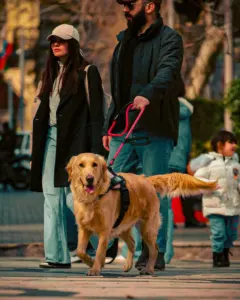
4. Active Cooling Vests: Ruffwear Swamp Cooler Dog Vest
- Primary Function: Full-coverage evaporative cooling harness featuring UPF 50+ sun protection.
- Performance Analysis: Designed for dogs prone to overheating—such as double-coated mixes or heat-sensitive companion dogs—this vest utilizes multi-layer construction that stores water and releases it slowly via evaporation. Covering more surface area than a standard harness, it effectively reduces core temperature during necessary outdoor excursions.
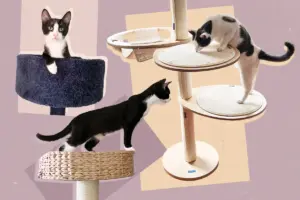
5. Feline Enrichment and Safety: The Purrgola Window Perch
- Primary Function: Renter-friendly, window-mounted clear-acrylic catio.
- Performance Analysis: Providing indoor cats with secure outdoor viewing and sunbathing opportunities, this unit mitigates the psychological stress of confinement without exposing the animal to outdoor predators, traffic, or parasites. Although installation requires patience and a screwdriver, the resulting enclosure delivers a secure platform praised by feline testers and neighborhood observers alike.
Future Outlook
As urban heat islands expand and summer temperatures break historical records, pet care standards must continue to adapt. The future of pet thermal management will likely see deeper integration of smart-home climate monitoring, biometric pet collars capable of tracking core body temperatures in real time, and advanced phase-change materials originally developed for aerospace applications.
For pet owners navigating the summer months, diligence remains paramount. By combining continuous indoor climate control, strategically timed outdoor activities, evidence-based cooling accessories, and secure environmental enrichment, owners can ensure their companion animals remain safe, comfortable, and protected against the growing hazards of seasonal heat waves.