
Executive Overview
In the field of animal rescue and emergency veterinary medicine, physical trauma represents only half of the rehabilitation challenge; emotional recovery often proves equally complex. The recent case of Maple, a severely injured Pit Bull rescued from a municipal shelter by the non-profit organization Molly’s Mutts, offers a compelling case study in canine resilience, behavioral transformation, and the profound impact of positive reinforcement during medical triage.
Initially brought into the rescue system with extensive bodily injuries requiring comprehensive bandaging, Maple faced a daunting prognosis typical of at-risk, injured animals in overcrowded shelters. However, through the swift intervention of field rescuer Zach, the dedicated long-term care of foster guardian Randi, and creative behavioral adjustments by veterinary staff, Maple demonstrated a remarkable capacity for recovery.
This report provides a detailed chronological analysis of Maple’s rescue, examines the systemic challenges facing at-risk pit bull-type dogs in medical crisis, and highlights how innovative care strategies—such as altering public perception through positive sensory cues—can dramatically alter a rescue animal’s behavioral trajectory and adoption prospects.
Detailed Chronology: From Shelter Floor to Recovery
[Shelter Intake] ➔ [Molly's Mutts Intervention] ➔ [Veterinary Triage] ➔ [Foster Placement] ➔ [Behavioral Breakthrough]1. Initial Discovery and Shelter Intervention
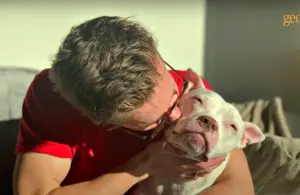
The narrative began when Zach, an experienced animal rescue operative associated with Molly’s Mutts, evaluated a municipal shelter’s high-risk intake list. Among the animals slated for urgent medical review was Maple, a female Pit Bull suffering from extensive, painful injuries that required her entire torso and limbs to be wrapped in heavy medical gauze and bandages.
Upon entering her shelter kennel, Zach observed that despite the severe physical trauma and the high-stress environment of the facility, Maple did not exhibit defensive aggression or shutdown behaviors common in traumatized canines. Instead, she displayed what Zach characterized as an enduring "child-like energy"—an innate curiosity and an eager willingness to interact with humans. Recognizing her strong vital urge and capacity for recovery, Zach initiated an immediate rescue pull to transfer Maple out of the municipal shelter and into specialized veterinary care.
2. Medical Triage and the Transfer of Trust
The initial physical movement of an injured canine carries inherent risks of triggering fear-induced aggression or shock. However, the transfer process for Maple marked a critical psychological turning point. As Zach knelt beside her kennel and offered gentle tactile reassurance, Maple exhibited immediate signs of decompression.

When Zach lifted the heavily bandaged dog to transport her to the transport vehicle, observers noted a complete physiological release of tension:
- Her muscular guarding dissipated.
- Her breathing regulated.
- She rested her weight entirely against her rescuer.
This immediate display of trust underscored the animal’s baseline stability, paving the way for her admission into an intensive veterinary treatment protocol.
       +-------------------------------------------------------+
       |             STAGES OF MAPLE'S RECOVERY                |
       +-------------------------------------------------------+
       | 1. Physical Triage  : Emergency stabilization & gauze |
       | 2. Foster Placement  : In-home intensive medical care |
       | 3. Social Reframe   : Decorative hearts & headband   |
       | 4. Demeanor Shift   : Elevated posture & prancing   |
       +-------------------------------------------------------+
3. Foster Placement with Randi
Following stabilization at the veterinary clinic, Maple required intensive, ongoing medical management—a demand that frequently exceeds the capacity of traditional shelter facilities. A volunteer foster caregiver named Randi reviewed Maple’s case via digital rescue networks and volunteered to provide specialized in-home foster care.
Randi’s home environment was structured to accommodate:
- Frequent, mandatory visits to veterinary specialists.
- Regular, sterile bandage changes and wound debridement.
- Controlled physical therapy sessions to restore mobility.
- A quiet, low-stress recovery area away from high-density animal populations.
Despite the painful nature of her daily treatments, Maple consistently demonstrated high compliance and patience with medical staff and her foster caregiver.
4. The Behavioral Breakthrough: The "Butterfly Makeover"
While Maple’s physical wounds began to close under clinical care, her clinical team recognized that her heavily bandaged appearance elicited pity, hesitation, or anxiety from strangers during outdoor walks and clinic visits. Human interactions were often cautious, with passersby focused on her traumatic injuries.

To reframe public interactions, the veterinary staff initiated a simple yet highly effective behavioral intervention. During a routine bandage change, the clinical team:
- Cut small, bright red hearts out of pet-safe felt and applied them to her white gauze wraps.
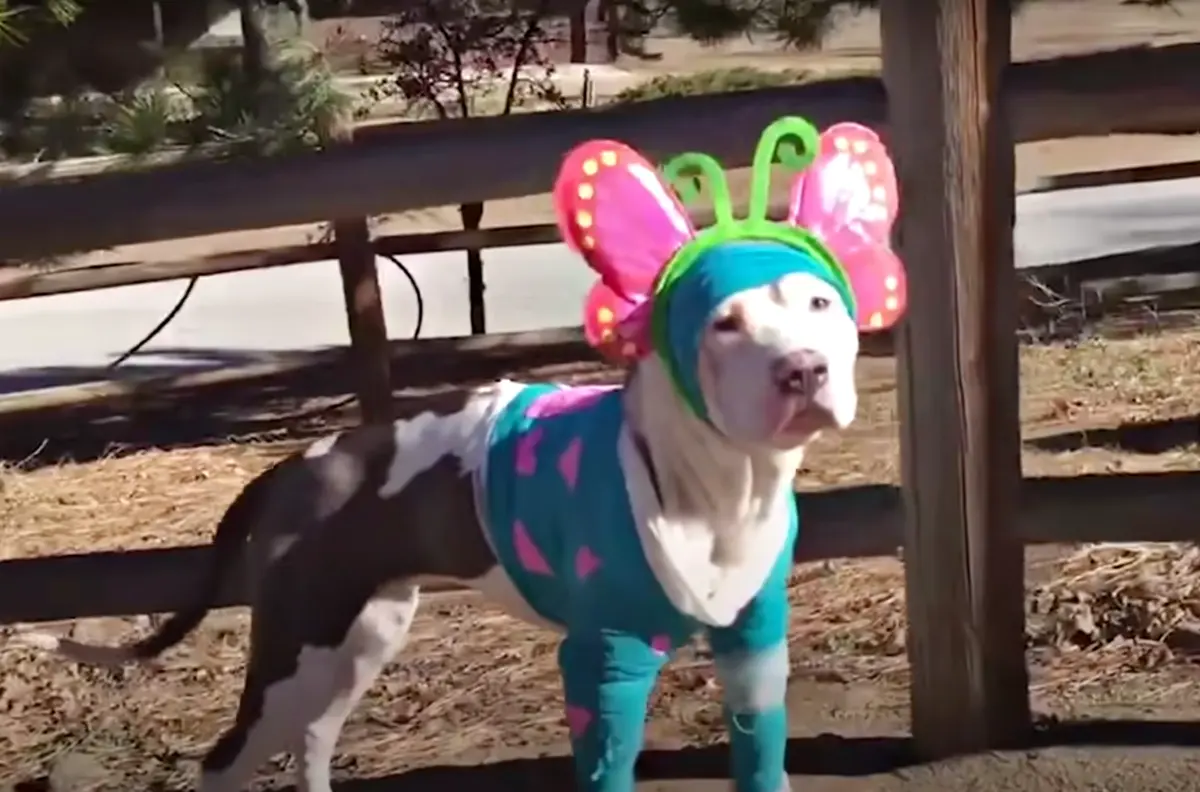
- Adorned her with a lightweight, flexible butterfly headband.
The impact of this minor aesthetic modification was immediate and profound. Randi observed an elevated posture in Maple during her subsequent outings. Rather than walking with a lowered head—a posture often reinforced by cautious, sympathetic human body language—Maple adopted an erect, confident gait, frequently described as a "prance."
By shifting the public’s reaction from hesitant sympathy to delight and affection, the cosmetic modification transformed Maple’s social encounters, validating her emotional security and accelerating her socialization process.
Supporting Context and Rescue System Metrics
Maple’s successful transition highlights broader systemic dynamics within the animal welfare landscape. Rescuing and rehabilitating medically compromised animals requires significant capital, human resources, and strategic foster networks.
+-------------------------------------------------------------------+
|               KEY ANIMAL WELFARE IMPACT METRICS                   |
+-------------------------------------------------------------------+
| Metric Category                   | Quantitative Impact Benchmark |
+-----------------------------------+-------------------------------+
| Shelter Meal Subsidies Delivered  | 50 Million+ Meals Distributed |
| At-Risk Animals Transported      | 1,201+ Dogs Relocated/Flown   |
| Domestic Violence Pet Funding     | $66,782 Direct Aid Funded     |
| Service Veteran Pairings          | $1,881,595 Direct Support     |
+-------------------------------------------------------------------+
Overcoming Breed Stigma and Shelter Overcrowding
Pit bull-type dogs disproportionately represent the majority of long-stay and euthanized populations in public municipal shelters across North America. When a pit bull enters a shelter system with severe physical injuries, the likelihood of euthanasia increases exponentially due to the combined costs of medical treatment and perceived adoptability challenges.
Organizations like Molly’s Mutts utilize targeted interventions to counter these metrics:

- Targeted Pulls: Identifying high-potential, medically urgent cases prior to municipal shelter deadlines.
- Public Re-education: Using media platforms like The Dodo to showcase the true temperament of bully breeds undergoing rehabilitation.
- Community Engagement: Highlighting individual success stories to convert passive viewers into active foster caregivers or donors.
The Role of Foster Networks in Medical Rehabilitation
Shelters provide emergency triage, but foster homes provide the specialized environment necessary for neurological and tissue healing. The cost-efficiency and clinical efficacy of foster care relative to prolonged shelter stays are demonstrated below:
| Care Parameter | Shelter Environment | Specialized Foster Home (e.g., Randi) |
|---|---|---|
| Stress/Cortisol Levels | High (constant noise, barrier frustration) | Low (predictable routine, quiet recovery) |
| Infection Risk | Moderate to High (nosocomial exposures) | Minimal (controlled, disinfected environment) |
| Medical Compliance | Batch-processed by limited staff | Individualized, direct 1-on-1 monitoring |
| Socialization Quality | Fragmented human interaction | Continuous, positive reinforcement |
Stakeholder Statements and Behavioral Insights
Perspective from the Field
Reflecting on the initial rescue, Zach noted the importance of assessing an animal’s core demeanor beneath physical trauma:
"When you look at a dog wrapped in bandages on a shelter floor, it is easy to see only the injury. But with Maple, the moment you knelt beside her, you could feel her spirit. She had a juvenile, trusting energy that immediately communicated her desire to live and connect. Lifting her out of that kennel wasn’t just physical transport—it was an agreement of mutual trust."
The Psychology of Aesthetic Transformation
Randi, Maple’s foster mother, highlighted how public perception directly influences canine body language and emotional state:
"The change in Maple after the veterinary team added the paper hearts and butterfly headband was remarkable. Dogs are hyper-attuned to human body language and emotional tone. When people looked at her before, they felt sorrow or hesitation, and Maple absorbed that tension. Once she was wearing the butterfly ears and hearts, people smiled, spoke softly, and approached her with warmth. She immediately picked up on that positive energy—her head went up, her tail started swinging, and she started prancing down the street."
Clinical Commentary on Canine Posture and Social Feedback
Veterinary behaviorists note that canines operate within complex feedback loops involving human feedback:

- Human Perception: Visually striking or cute accessories reduce human fear and sympathy-induced tension.
- Human Approach Behavior: Humans open their posture, soften their voice, and release oxytocin-driven micro-expressions.
- Canine Reception: The dog interprets these non-threatening signals as safety markers, reducing cortisol and encouraging confident posture (e.g., high tail carriage, head elevation).
Future Outlook and Broader Implications
Long-Term Prognosis for Maple
Maple’s physical recovery continues to progress under the joint supervision of her veterinary care team and foster network. As her tissue healing reaches completion, she will transition from active medical management to full adoption status. Given her stable temperament, high sociability, and positive public exposure via digital feature stories, behavioral analysts project a seamless transition into a permanent adoptive home.
Strategic Takeaways for Animal Welfare Organizations
Maple’s case provides actionable insights for shelters, rescue groups, and animal welfare advocates worldwide:
- Invest in Behavioral Presentation: Minor, thoughtful touches in how an injured animal is presented to the public can eliminate negative stereotypes and increase community engagement.
- Prioritize Mobile Foster Pipelines: Expanding foster capacity directly increases a rescue organization’s capacity to pull medically complex cases from high-kill municipal environments.
- Leverage Media Storytelling: Highlighting individual narratives through video platforms drives broader donor engagement, directly funding broader welfare initiatives such as service dog placements, shelter food drives, and emergency transport flights.
Through the synchronized efforts of field rescuers, veterinary specialists, dedicated foster guardians, and media advocacy, animals like Maple demonstrate that even severe trauma can be converted into a story of recovery, dignity, and triumph.