
ATLANTIC COUNTY, N.J. — September 28, 2026 — In the wake of a ferocious, late-September nor’easter that battered the Mid-Atlantic coastline with hurricane-force gales, relentless downpours, and historic storm surges, vulnerable animal populations faced unprecedented peril. As municipal authorities declared states of emergency and issued mandatory evacuation notices across low-lying coastal enclaves, the specialized Rapid Response Team of Alley Cat Allies—a premier national advocacy and animal defense organization—deployed immediately to the ground in Atlantic County, New Jersey.
Tasked with surveying the wreckage, checking on iconic local colonies, and delivering emergency sustenance, the disaster response unit has worked around the clock. Their mission highlights a critical, often-overlooked dimension of modern crisis management: safeguarding community and companion cats caught in the crosshairs of extreme climate events.
Executive Overview
When a powerful nor’easter stalled off the New Jersey coastline, it brought a devastating combination of astronomical high tides and persistent, heavy rainfall. The resultant coastal flooding submerged roadways, compromised electrical grids, and isolated neighborhoods from emergency services. While human residents faced harrowing evacuations and power outages, countless outdoor cats, managed colonies, and unhoused kittens found themselves trapped by rapidly rising, frigid waters.
Alley Cat Allies’ Rapid Response Team arrived in Atlantic County with a dual-purpose strategy: execute immediate on-the-ground welfare checks for known colonies—such as the famous Atlantic City Boardwalk cats—and establish a robust, collaborative emergency safety net alongside regional partners, including the Humane Society of Atlantic County and local veterinary clinics.
Thanks to decades of foundational infrastructure established in the region, including Trap-Neuter-Return (TNR) initiatives and community cat networks, responders were able to pivot instantly from routine population management to active disaster triage. As waters slowly recede and displaced animals continue to emerge in the coming days, the organization has mobilized specialized disaster relief grants to underwrite emergency veterinary medicine, temporary boarding, and nutritional support, proving once again that preparedness is the ultimate safeguard against natural disasters.
Detailed Chronology: The Storm and the Immediate Response
The Onset of the Crisis
The meteorological event began days prior, as atmospheric pressures dropped and a potent low-pressure system off the coast intensified into a classic, destructive nor’easter. By the time the storm made its presence fully felt in Atlantic County, sustained winds were whipping coastal architecture, and stormwater drainage systems were utterly overwhelmed.
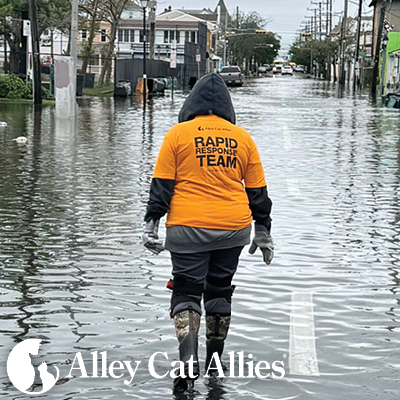
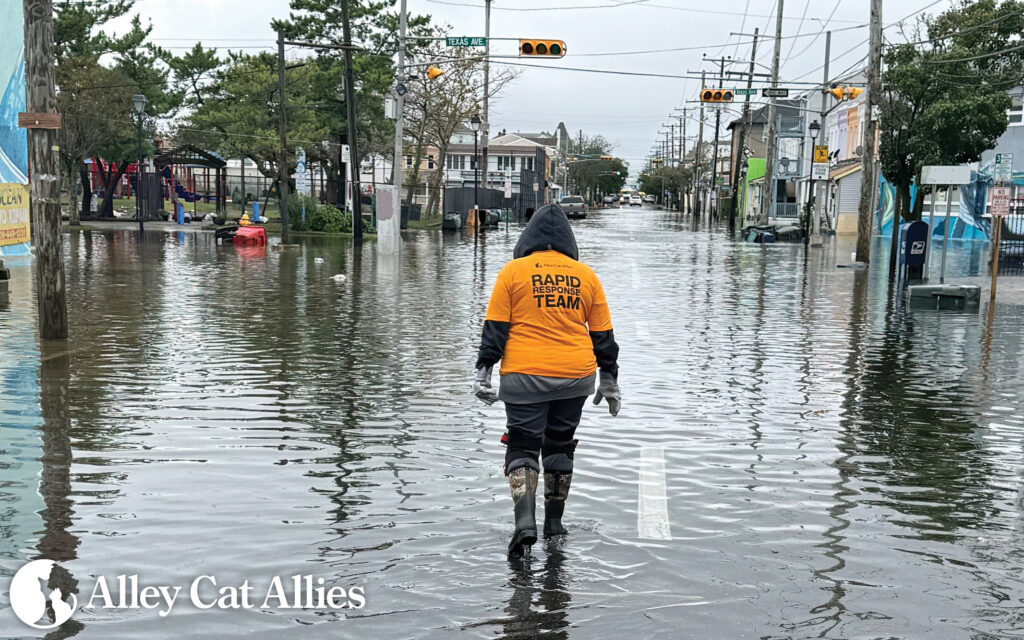
Streets across Atlantic City and surrounding barrier islands quickly transformed into fast-moving tidal rivers. Municipal officials enacted emergency protocols, closing bridges, setting up detour checkpoints, and advising residents in flood-prone zones to seek higher ground immediately. Amid the chaos of sirens, flooded homes, and disrupted utilities, animal welfare advocates turned their attention toward the outdoors, where managed cat colonies and unshielded strays faced imminent danger from hypothermia, drowning, and toxic debris carried by the floodwaters.
Deploying to the Boardwalk
Recognizing the urgency, Alley Cat Allies’ Rapid Response Team bypassed initial staging delays and pushed directly toward the Atlantic City Boardwalk. The boardwalk area—home to resilient cohorts of community cats traditionally cared for by dedicated local volunteers—bore the brunt of the wind-driven surf and airborne salt spray.
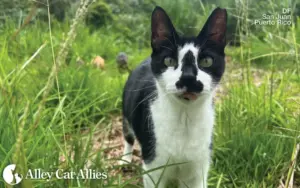
Upon arrival, responders navigated hazardous debris fields to inspect feeding stations and sheltering areas. To the immense relief of the rescue personnel and local caregivers, the iconic Boardwalk Cats demonstrated their remarkable environmental awareness and survival instincts, weathering the tempest successfully. All evaluated cats within the boardwalk zone were confirmed safe, accounted for, and provided with immediate food and fresh water to combat the stress of the storm.
Expanding the Search and Assessing the Damage
With the boardwalk population secured, the Rapid Response Team expanded its radius, deploying mobile units into the deeply flooded residential and commercial neighborhoods of Atlantic County. Navigating water-logged thoroughfares required specialized vehicles and cautious assessment, as submerged hazards posed risks to both responders and animals.
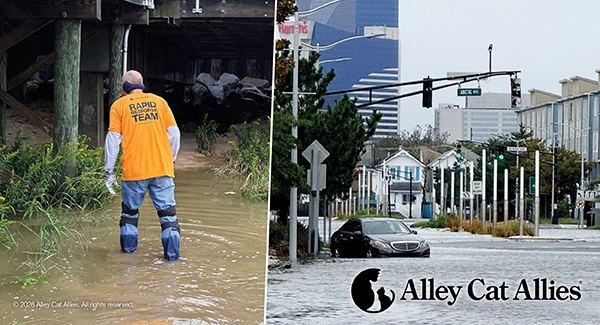
Feline behaviorists and disaster response specialists note that cats possess deeply ingrained survival instincts. When confronted with rising floodwaters, unhoused and community cats will instinctively scramble upward—seeking refuge on elevated porches, car chassis, HVAC units, roofs, and tree limbs. Consequently, many cats successfully evaded drowning during the initial crest of the storm. However, this temporary elevation is far from safe over the long term. Trapped without access to fresh water or shelter, and exposed to dropping temperatures and contaminated industrial runoff, these animals face critical vulnerabilities in the days following a disaster.
Supporting Context & Metrics: Decades of Infrastructure Meet Sudden Crisis
The relative success of the initial emergency response in Atlantic County was not a matter of pure chance; it was the direct result of decades of proactive community infrastructure. For over thirty years, Alley Cat Allies has laid the groundwork in New Jersey by establishing comprehensive welfare networks. These include:
- Trap-Neuter-Return (TNR) Programs: Stabilizing outdoor cat populations humanely, ensuring fewer unmanaged animals are exposed to the elements.
- No-Cost Cat Food Banks: Maintaining reliable nutritional reserves that local caregivers can access during normal operations and mobilize during crises.
- Veterinary Access Partnerships: Fostering long-term relationships with regional clinics and shelters, creating a pre-vetted coalition ready to absorb influxes of trauma cases during emergencies.
When disaster strikes, ad-hoc rescue operations frequently fail due to logistical bottlenecks, lack of local knowledge, and strained resources. Alley Cat Allies circumvented these common pitfalls by plugging directly into pre-existing relationships with the Humane Society of Atlantic County and regional veterinary networks.
To ensure financial barriers do not impede life-saving care, the organization has established a dedicated Disaster Relief Grant. This targeted fund is specifically engineered to absorb the costs of emergency veterinary procedures—such as treating hypothermia, respiratory infections from damp conditions, lacerations, and chemical burns from flood pollutants—as well as emergency boarding for displaced felines whose caretakers cannot immediately return home.
Official Statements and Perspectives
The operation in Atlantic County underscores a broader philosophy championed by animal welfare leaders: disaster preparedness must explicitly include companion and community animals.
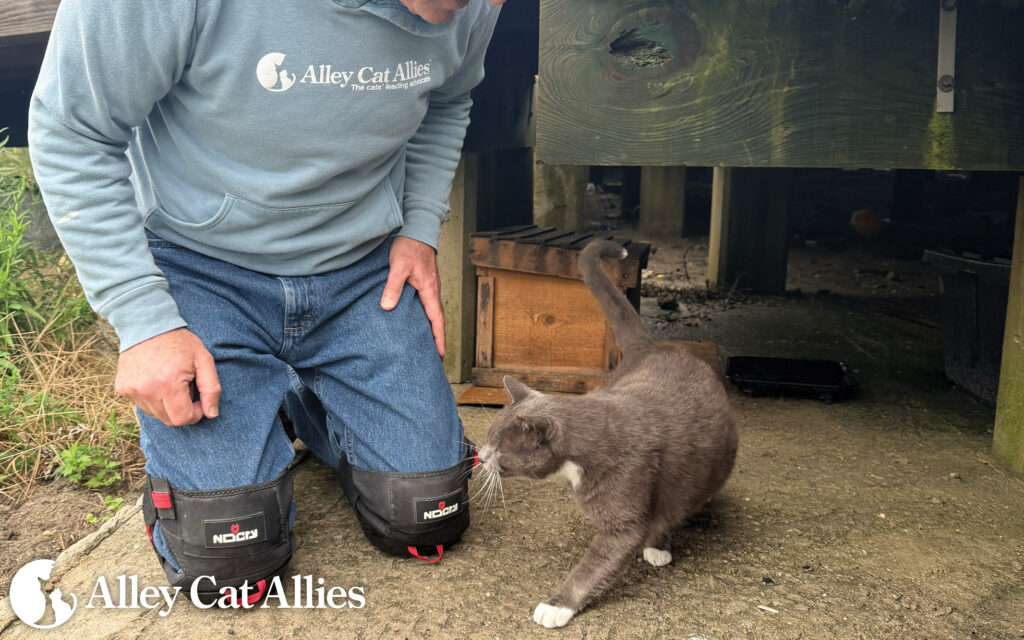
"When a community faces a catastrophic weather event like this nor’easter, the human toll is rightfully the primary focus, but we cannot leave our animal populations to fend for themselves," said a spokesperson for Alley Cat Allies’ Rapid Response Team. "Cats are incredibly resilient, savvy survivors—as we saw with the Boardwalk Cats, who weathered the worst of the storm through sheer instinct. But instinct alone cannot mend injuries, cure storm-induced illnesses, or provide food in a ruined landscape. That is where our intervention becomes vital."
Local shelter partners have echoed this sentiment, emphasizing the importance of cross-agency collaboration during extreme weather events. Representatives from the Humane Society of Atlantic County noted that the pre-established trust between local volunteers and national response units dramatically accelerated the deployment of resources, cutting through bureaucratic red tape at a time when every hour counts.
Furthermore, animal welfare advocates are using this event to highlight the growing frequency of extreme weather anomalies driven by shifting climatic patterns. Coastal regions like New Jersey are experiencing more frequent and severe "hundred-year" storms, making robust, permanent animal rescue infrastructure an absolute necessity rather than an optional community amenity.
Future Outlook: Preparedness, Protection, and the Road Ahead
As the floodwaters slowly recede and residents begin the arduous process of mucking out water-logged properties, Alley Cat Allies anticipates a second wave of animal-related discoveries. Felines that hunkered down in deep crawlspaces, abandoned buildings, or dense thickets during the height of the storm are expected to emerge over the coming week in search of food and water.
The Rapid Response Team remains stationed in the region, monitoring known feeding zones, responding to calls from local caregivers, and coordinating with veterinary partners to treat any late-emerging casualties. However, the organization stresses that long-term mitigation begins long before the storm clouds gather.
Call to Action: Preparing Your Family and Pets
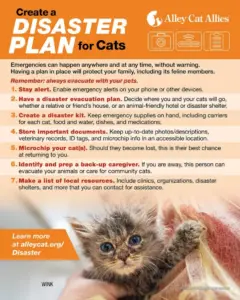
In light of the Atlantic County crisis, Alley Cat Allies is aggressively pushing public education campaigns centered on disaster preparedness. Emergency management experts urge all pet owners and community cat caregivers to integrate animals into their family disaster plans:
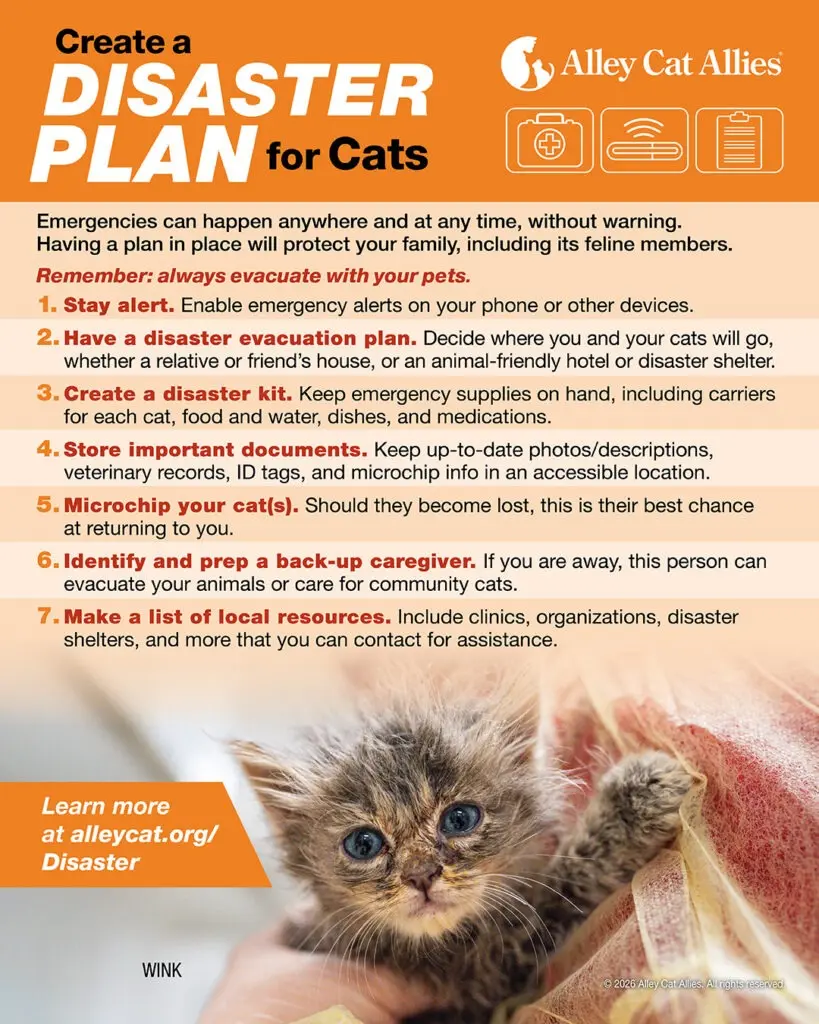
- Build a Pet Emergency Kit: Assemble a portable kit containing a minimum of a one-week supply of food and bottled water, secure carriers, a litter box and litter, medical records, necessary medications, and a secure harness or leash.
- Identify Pet-Friendly Evacuation Routes: Know in advance which local shelters, hotels, and evacuation centers accept animals. Never leave a pet behind tied up or roaming free during a mandatory evacuation.
- Secure Community Cat Colonies: Caregivers should identify elevated areas near established feeding stations where temporary shelters can be placed safely out of reach of storm surges.
By empowering individuals with actionable preparedness information and supporting on-the-ground rescue operations through philanthropic contributions, organizations like Alley Cat Allies aim to build a more resilient future for cats across the United States.
To support Alley Cat Allies’ ongoing disaster relief efforts in New Jersey and across the nation, or to access comprehensive emergency preparedness guides for your pets, visit alleycat.org/disaster.