For the modern professional balancing remote meetings, hybrid schedules, or long hours at an external office, finding the right animal companion is a delicate exercise in compatibility. While the internet is saturated with images of serene felines sleeping gracefully beside computer keyboards, matching a cat’s adult temperament to an owner’s professional lifestyle requires careful, evidence-based planning.
According to breed temperament profiles established by the Cat Fanciers’ Association (CFA) and reinforced by veterinary behaviorists, certain breeds—such as the British Shorthair, Russian Blue, Persian, and Scottish Fold—are uniquely suited to the quiet, independent rhythms of an office worker’s day. These animals typically grow into low-energy adults capable of handling alone time or coexisting peacefully during long hours of intense focus.
However, a critical distinction must be made between adult cats and kittens. Veterinary guidelines from organizations such as the American Society for the Prevention of Cruelty to Animals (ASPCA) and the Cornell Feline Health Center emphasize that no kitten younger than four to six months should be left unsupervised for a standard eight- to ten-hour workday. Feeding frequency, active litter-training needs, and critical socialization windows dictate that young cats require specialized care that cannot be substituted with automatic appliances alone.
This comprehensive report examines the best feline breeds for office workers, explores the biological and behavioral realities of leaving pets unattended, and provides a structured framework for choosing a companion that enhances rather than complicates a busy professional life.
Detailed Chronology: The Evolution of Workplace Pet Ownership
The modern intersection of office work and pet companionship has undergone a dramatic transformation over the past several decades, shifting from a lifestyle luxury to an intentional strategy for stress management and mental well-being.
Pre-2000s: Pets were traditionally viewed as domestic additions meant for family homes rather than individual professionals. Office workers with long commutes or corporate schedules rarely considered cat ownership unless someone else was home during the day. Cats were largely stereotyped as aloof, enigmatic creatures that did not require human presence, leading to mismatched expectations and behavioral issues when high-energy breeds were isolated.
The Remote Work Revolution (2000s–2010s): As remote employment, freelance consulting, and digital nomadism gained traction, the home office became a permanent fixture of urban and suburban architecture. Professionals sought out animals that could provide comforting, non-intrusive companionship during long stretches of solo computer work. Breed profiles from registries like the CFA began emphasizing adaptability, leading to a surge in popularity for calm, human-oriented breeds such as Ragdolls and British Shorthairs.
The Post-Pandemic Landscape (2020s–Present): The normalization of hybrid work models sparked an unprecedented boom in pet adoption. Office workers returning to hybrid or full-time office schedules faced acute challenges regarding pet separation anxiety and developmental setbacks in young animals acquired during lockdown periods. Consequently, veterinary science shifted toward public education emphasizing age-appropriate isolation limits, automatic feeding systems, and the careful selection of independent adult cat breeds tailored to specific professional schedules.
Supporting Context & Metrics: Breed Profiles and Behavioral Realities
Choosing a feline companion for an office environment means understanding the broad spectrum of behavioral traits across different breeds. While individual personalities vary, breed standards provide a reliable baseline for energy levels, vocalization, and tolerance for solitude.
Low-Energy and Independent Contenders
British Shorthair: Renowned for their round, plush appearances and remarkably easygoing personalities, British Shorthairs are the quintessential independent work buddies. The CFA lists low-energy and calm temperaments among their defining traits. They enjoy human presence but rarely demand continuous attention, making them ideal stress-relievers in quiet home offices.
Russian Blue: Striking green eyes and sleek, silvery coats make Russian Blues visually elegant additions to any workspace. Documented by the CFA as low-energy and independent, they are affectionate without being clingy. They adapt quickly to predictable daily routines and tolerate periods of solitude well.
Persian: For workers seeking maximum tranquility, the Persian is an exceptional match. Their quiet demeanor and preference for lounging in cozy spots ensure they will not disrupt workflows with high-energy antics. However, their luxurious double coats require a commitment to daily grooming, as noted by the Cornell Feline Health Center, to prevent painful matting.
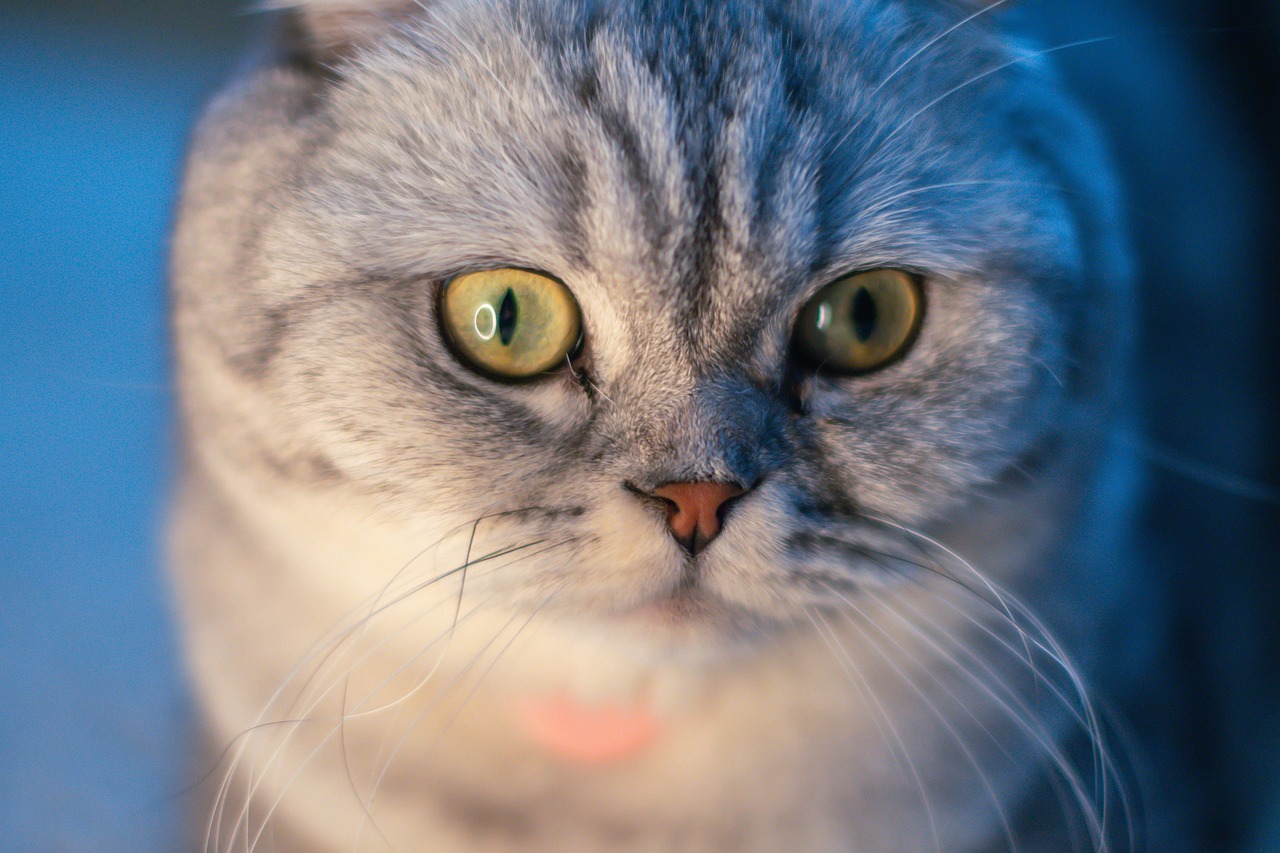
Scottish Fold: Famous for folded ears and sweet dispositions, Scottish Folds offer a balanced mix of affection and autonomy. Possessing a low-to-moderate energy level per CFA guidelines, their soft purring provides soothing background noise that helps mitigate the stress of demanding workdays.
Moderate and Social Companions
Ragdoll: Affectionate yet profoundly relaxed, Ragdolls earn their name from their tendency to go limp when held. They love being around their humans and will happily lounge near a workspace without demanding constant interaction, fitting the CFA profile of a relaxed, people-oriented companion.
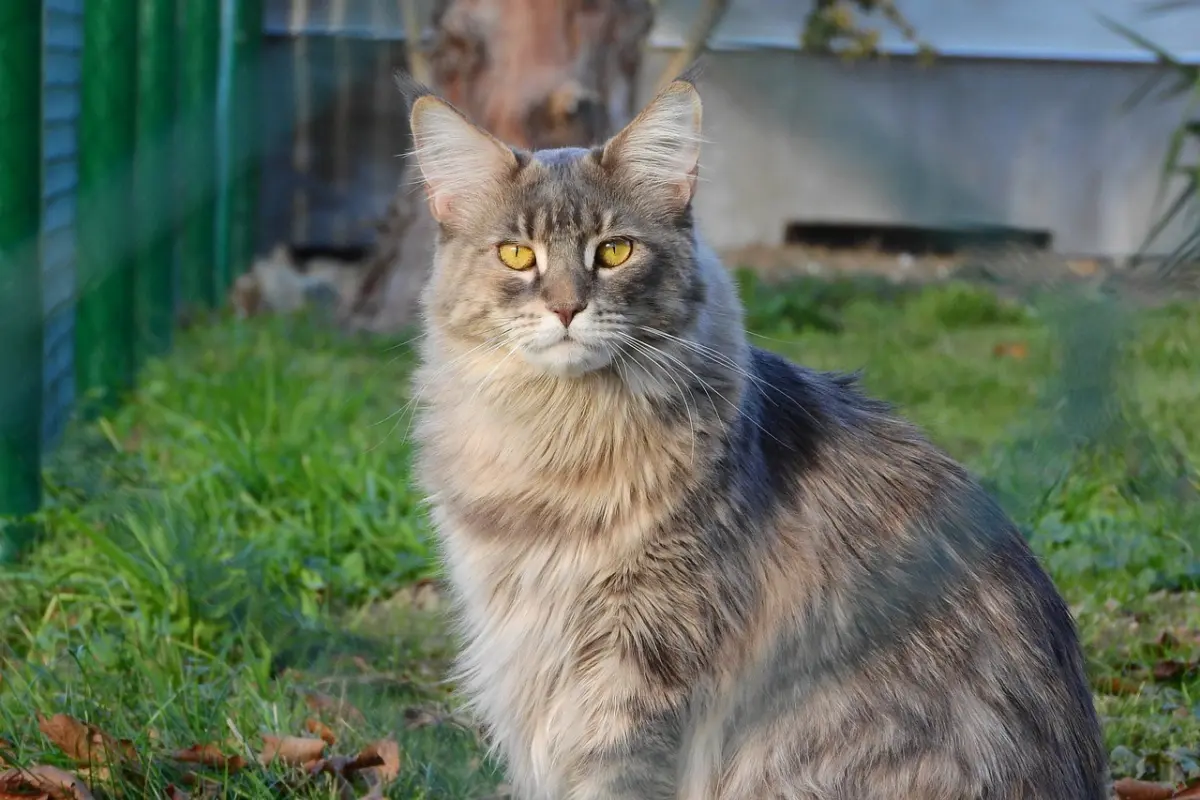
Maine Coon: Despite their impressive size, these "gentle giants" are social and friendly without being overwhelming. Their moderate-energy temperament allows them to sit nearby during long work sessions while respecting personal space.
Birman: Characterized by striking blue eyes and gentle personalities, Birmans offer quiet companionship. They love being around their owners but lack the demanding nature of high-energy breeds, fitting seamlessly into peaceful office environments.
High-Energy and Vocal Breeds (Proceed with Caution)
Abyssinian: Highly active and intelligent, Abyssinians thrive on exploration and play. While independent enough to entertain themselves to a degree, their high-energy profile means they require significant engagement. The ASPCA warns that under-stimulated high-energy cats left alone for long stretches can develop destructive habits such as excessive scratching.
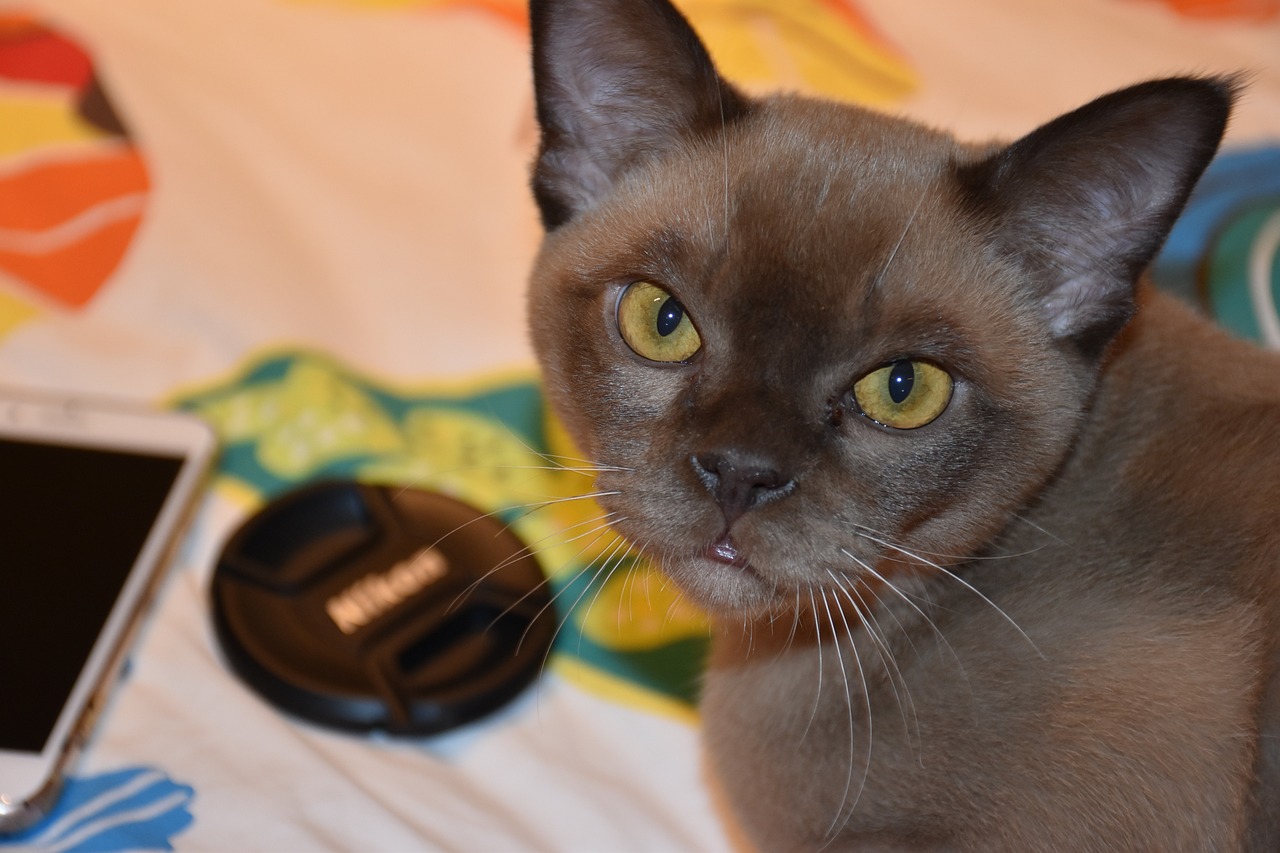
Siamese & Burmese: Highly social, interactive, and vocal, these breeds are wonderful for remote workers who enjoy "talking" to their pets. However, the CFA classifies them as people-oriented and demanding of attention, meaning standard eight-hour workdays spent entirely alone are a difficult fit unless paired with another animal companion.
Devon Rex: Featuring quirky, curly coats that require minimal grooming, Devon Rex cats bring a lively, mischievous energy to a home office. While affectionate, their active nature means they need structured playtime during breaks to remain balanced.
Official Statements and Veterinary Insights
Navigating pet care while maintaining a professional career requires adhering to evidence-based veterinary guidelines. Leading animal welfare organizations provide clear guardrails regarding age, isolation, and environmental enrichment.
"No kitten younger than about 4 to 6 months should be left alone for a full 8 to 10 hour workday, regardless of breed. Feeding frequency, litter-training reinforcement, and critical socialization needs dictate that young animals require attentive oversight during their formative months."
— ASPCA Kitten Care Guidelines
Veterinary behavioral experts emphasize that while adult cats of independent breeds can successfully manage a workday utilizing automatic feeders, puzzle toys, and self-cleaning litter boxes, expecting a young kitten to do the same can stunt its behavioral development.
"Kittens are undergoing rapid neurological and social development during their first half-year of life. Lengthy periods of isolation during this window can lead to behavioral regressions, anxiety, and improper elimination habits. Owners must plan for midday check-ins, pet sitters, or dual-kitten adoption until the animal clears the six-month maturity threshold."
— Cornell Feline Health Center
Furthermore, experts note that environmental enrichment is vital for office workers who must leave adult cats alone during standard business hours. Providing vertical territory (such as cat trees positioned near windows), interactive automated toys, and secure bird-watching perches helps replicate natural stimuli, keeping solitary pets mentally sharp and physically content.
Future Outlook: The Intersection of Feline Welfare and Modern Work
As the global workforce continues to evolve through hybrid models, remote flexibility, and corporate office mandates, the pet care landscape is adapting in tandem. The future of office-friendly feline ownership points toward greater technological integration and heightened awareness of animal behavioral health.
Technological Innovations for Solo Pets
The rise of smart pet technology has revolutionized how office workers manage their pets’ daily needs from afar. Automated microchip pet feeders ensure precise portion control throughout the day, while remote-monitoring interactive cameras allow professionals to check in on their cats, dispense treats, and even speak to them during lunch breaks. Self-cleaning litter boxes have similarly minimized the daily maintenance required for single-owner households, ensuring a pristine environment for independent cats while their humans are away.
Shifting Adoption Paradigms
Animal shelters and rescue organizations are increasingly adopting sophisticated temperament-matching assessments for prospective adopters who work full-time outside the home. Rather than relying on superficial assumptions about species independence, adoption counselors now evaluate individual cats for low-stress profiles, confidence, and adaptability to solo environments. This data-driven approach significantly reduces return rates and ensures that office workers are paired with mature cats that genuinely thrive in quiet, independent settings.
Ultimately, whether an office worker operates from a corporate high-rise or a quiet home study, understanding the unique needs of feline companions ensures a harmonious coexistence. By respecting developmental age milestones, investing in proper environmental enrichment, and choosing breeds whose natural temperaments align with professional schedules, workers can enjoy the profound mental health benefits of a furry assistant without compromising animal welfare.