
Executive Overview
To the average commuter navigating a bustling airport terminal, the patrons sharing a tightly packed restaurant, or the shoppers weaving through a congested commercial center, the presence of a service dog often blends into the background of daily life. These canine companions move with a striking, serene focus, seemingly unbothered by the cacophony of rolling luggage, blaring announcements, shifting crowds, and unpredictable stimuli. Yet, this seamless grace is far from accidental. It represents the pinnacle of an extensive, highly specialized developmental continuum known as Public Access Training.
While task training equips a service dog with specific mechanical interventions—such as retrieving dropped items, providing physical stability for mobility impairment, or executing deep pressure therapy to interrupt a panic attack—public access training governs behavior. It is the comprehensive educational framework that transforms a capable dog into a reliable public partner capable of maintaining absolute composure across high-stress environments. Under federal guidelines, such as the Americans with Disabilities Act (ADA), a service animal must be individually trained to perform tasks directly related to a disability. However, task execution is only half the equation; public safety, impeccable manners, and environmental adaptability are the non-negotiable standards that legally and practically validate a working team’s right to access public accommodations.
This in-depth investigative report explores the multifaceted world of service dog development, examining the step-by-step chronology from early puppyhood socialization to rigorous real-world evaluations. By understanding the science of distraction desensitization, the profound impact of volunteer puppy raisers, and the strict evaluation metrics utilized by elite training organizations like Dogs Inc, we uncover the extraordinary dedication required to forge these life-changing partnerships.
Detailed Chronology: From Neonatal Foundations to Certified Working Partnership
The transformation of a rambunctious puppy into a poised, life-altering service dog does not happen overnight. It follows a meticulously planned, chronological developmental timeline that spans upwards of two years. Each phase is strategically designed to build resilience, cognitive maturity, and emotional stability.
Phase 1: Early Puppyhood Socialization and Foundational Imprinting (Weeks 8 to 16)
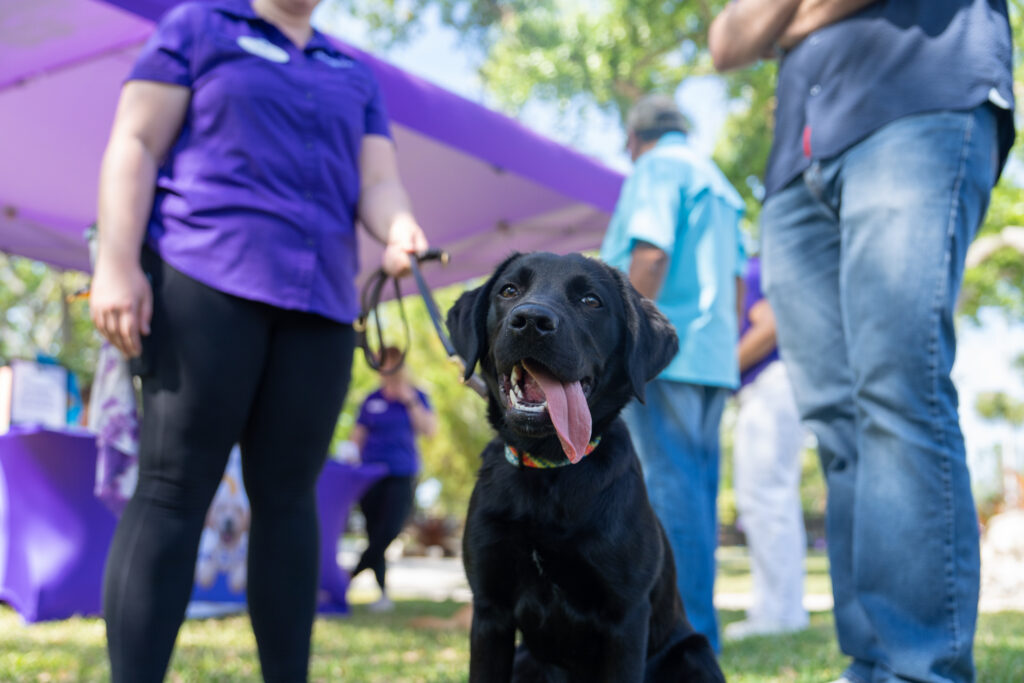
Long before a future service dog sets foot inside a commercial airliner or a bustling shopping mall, its education begins in the home of a volunteer puppy raiser. During this critical neurological window, puppies are systematically introduced to a myriad of sensory inputs.
Puppy raisers utilize positive reinforcement to expose young dogs to novel textures (gravel, metal grates, slick tile), strange auditory stimuli (vacuum cleaners, sirens, construction noise), and diverse human demographics (children, individuals using wheelchairs, people wearing hats or carrying umbrellas). Breeds traditionally selected for this rigorous work—most notably Labrador Retrievers and Golden Retrievers—possess the biddability and cooperative temperament necessary to process these experiences without developing fear-based avoidance behaviors.
Phase 2: Adolescent Exposure and Controlled Community Integration (Months 4 to 12)
As the puppy matures into adolescence, its world expands beyond the residential neighborhood. Trainers and puppy raisers introduce the adolescent candidate to low-stakes public spaces: quiet retail boutiques, municipal parks, suburban office buildings, and outdoor plazas.
During this phase, the core tenets of impulse control are established. The dog learns that environmental stimuli—such as a bouncing tennis ball, a dropped snack, or an unfamiliar dog walking past—are background noise to be ignored rather than invitations to investigate. Instructors use positive reinforcement exclusively, ensuring that challenges are met with successful outcomes that foster natural curiosity and confidence.
Phase 3: Advanced Public Access Training and High-Stimulus Environments (Months 12 to 18)
Once basic obedience and environmental stability are firmly rooted, candidates graduate to high-intensity public access scenarios. This is where the true crucible of training occurs. Dogs are integrated into the most challenging modern environments:
- Airports and Transit Hubs: Navigating security checkpoints, adapting to moving walkways, remaining steady amidst rolling luggage, and processing echoing overhead PA systems.
- Gastronomic Establishments: Practicing the "settle" command beneath cramped restaurant tables, maintaining focus amidst rich food odors, dropped crumbs, and the unpredictable movements of waitstaff.
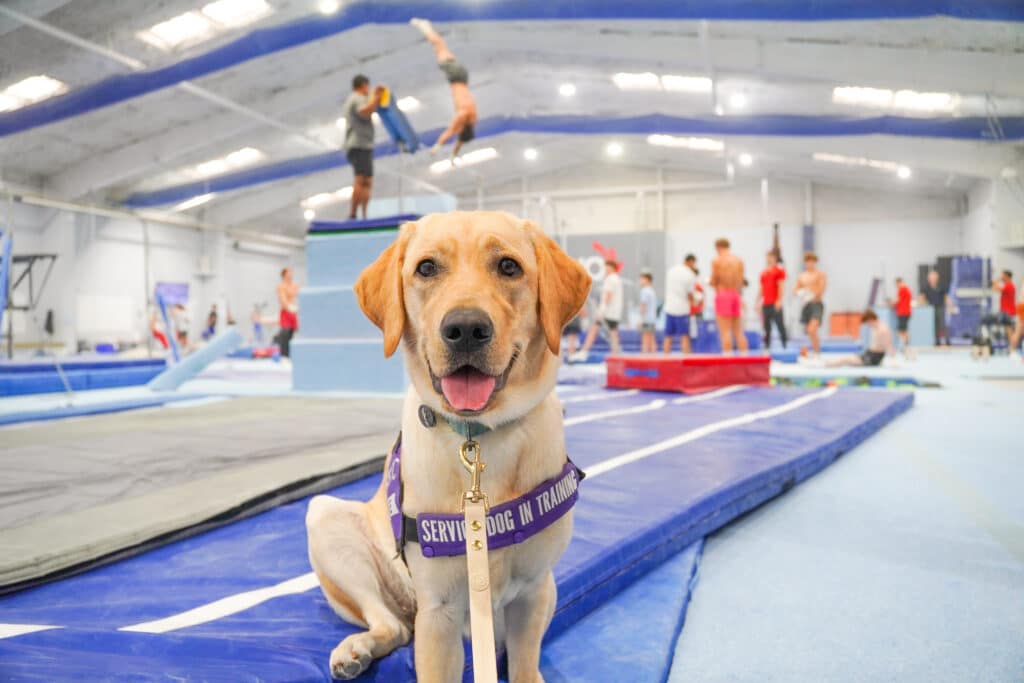
- Dense Public Concourse: Accompanying handlers through crowded shopping malls, sporting events, and academic campuses while maintaining a disciplined heel position.
Phase 4: Final Evaluations and Placement Partnership (Months 18 to 24+)
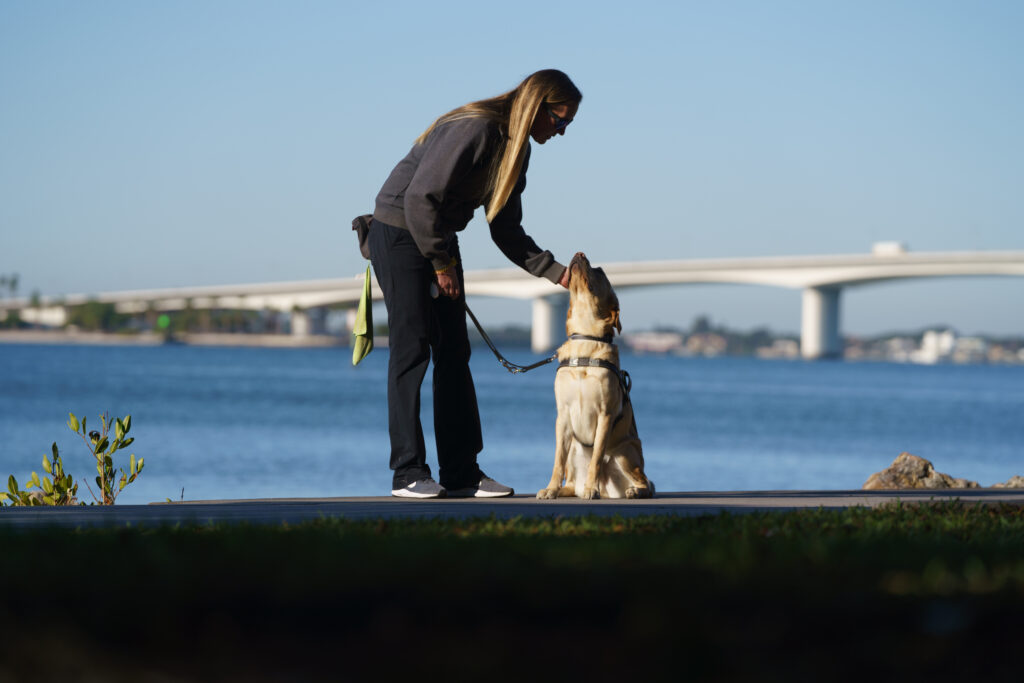
The culmination of the developmental journey involves exhaustive, multi-environment evaluations administered by master trainers. Dogs are tested for consistency, reliability, and emotional resilience under pressure. Once a candidate proves it can perform its required tasks flawlessly while remaining completely neutral and calm in public, it is matched with an individual with a disability. Following intensive team training, the duo embarks on a lifetime of independent navigation and mutual trust.
Supporting Context & Metrics: Navigating High-Stakes Environments
To appreciate the mastery required of a service dog, one must examine the specific hurdles presented by the modern public landscape. Each environment tests a distinct facet of the dog’s neurological processing and impulse control.
The Sensory Gauntlet of Air Travel
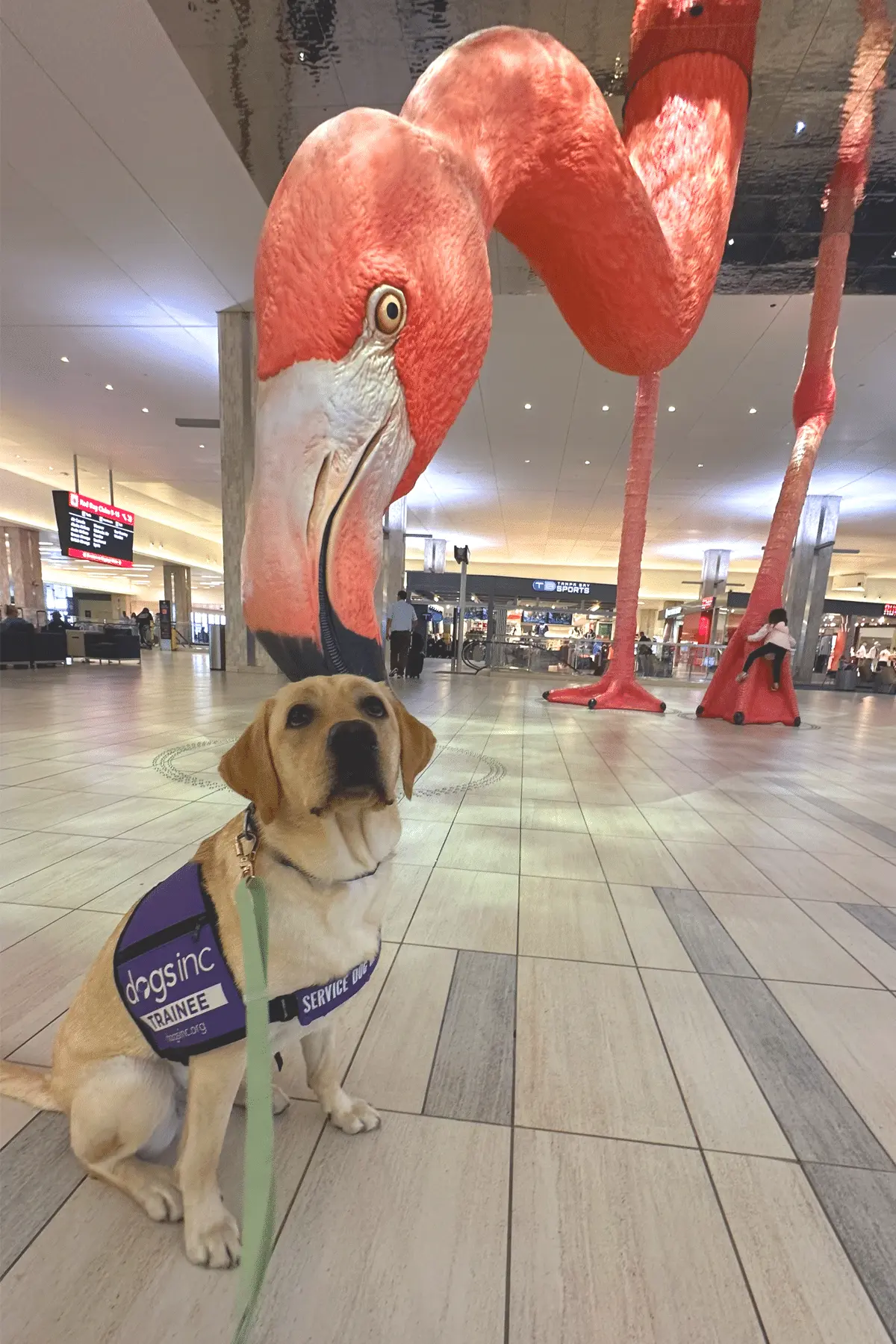
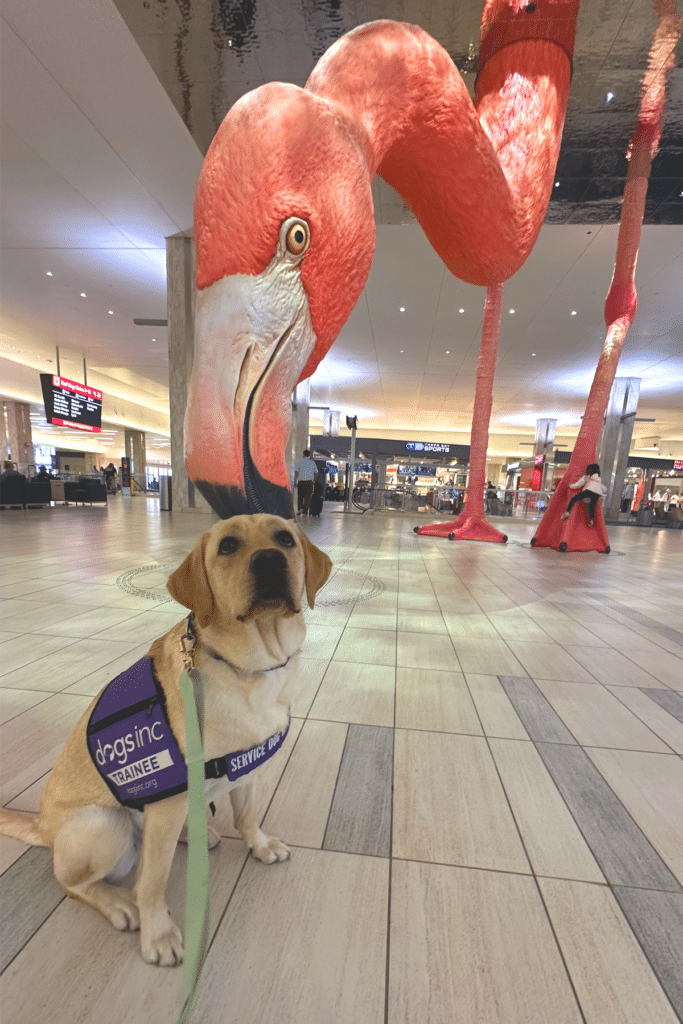
Airports represent one of the most unpredictable sensory landscapes a working dog can encounter. Service dog airport training specifically targets the chaotic variables of modern transit. Dogs must learn to disregard the sudden clatter of metal bins at security screening checkpoints, maintain composure when squeezed into tight aircraft cabin seating, and ignore the presence of other animals or anxious travelers. The metric for success here is absolute: a service dog must never exhibit startle responses, vocalizations, or defensive postures, regardless of flight delays or environmental turbulence.
Mastering Culinary and Retail Spaces
In restaurants and cafes, the physiological temptations are immense. The rich aromas of grilled meats, the clinking of silverware, and accidental food drops create a sensory overload. Restaurant training mandates that a dog can execute a prolonged down-stay (often referred to as a "settle") beneath a table for the duration of a meal. The dog must tuck its tail and limbs safely out of the aisle, remaining completely unobtrusive to passing servers and fellow patrons.
[Sensory Input: Food Odors/Crowds]
       │
       ▼
[Internal Processing: Impulse Control & Focus]
       │
       ▼
[Behavioral Output: Quiet Settle Under Table / Unobtrusive Posture]
Specialized Mitigation: PTSD and Psychiatric Support
Beyond physical mobility assistance, service dogs increasingly serve individuals navigating invisible disabilities, such as Post-Traumatic Stress Disorder (PTSD). A PTSD service dog must be attuned to subtle physiological shifts in its handler—such as accelerated heart rate, rapid breathing, or hypervigilance. In a crowded public space, when an anxiety attack threatens to manifest, the dog must immediately pivot from passive waiting to active intervention. This may involve executing deep pressure therapy (DPT), physically blocking crowds to create personal space, or guiding the handler to a quiet exit. The ability to switch instantaneously from resting composure to targeted task execution requires extraordinary mental agility.
Official Perspectives: Industry Standards and Expert Insights
The meticulous nature of public access training reflects a broader commitment to animal welfare, public safety, and accessibility rights. Leading organizations across the globe emphasize that public access is not merely about obedience; it is about establishing a functional, harmonious working partnership.
Industry experts frequently draw a sharp distinction between true service animals and emotional support animals (ESAs). Under the legal framework of the ADA, ESAs do not possess public access rights because they lack specialized task training and rigorous public behavior conditioning. Organizations underscore that granting public access rights requires absolute public trust—a trust earned only through thousands of hours of intentional socialization and distraction-proofing.
"The confidence and poise you witness in a working service dog are never accidental," notes a senior training coordinator. "They are the direct harvest of a deliberate, empathetic methodology. By pairing systematic environmental exposure with positive reinforcement, we do not suppress a dog’s spirit; we elevate its potential, creating a resilient partner capable of navigating an unpredictable world with total autonomy and grace."
Furthermore, canine behavioral scientists point out that positive reinforcement methodologies yield vastly superior long-term results compared to aversive training techniques. By framing novel environments and startling noises as opportunities for positive engagement, trainers foster intrinsic motivation within the dog. The animal chooses to focus on its handler not out of fear of correction, but out of profound engagement and trust in the partnership.
Future Outlook: The Evolution of Service Dog Access and Community Integration
As society continues to evolve toward greater inclusivity, the role of service dogs in public life is expanding rapidly. However, this growth brings new challenges and responsibilities for the service dog community, educators, and handlers alike.
Technological and Urban Evolution
Modern infrastructure presents novel testing grounds for future generations of service dogs. The rise of multi-modal transit hubs, autonomous vehicle zones, and increasingly dense urban centers means training protocols must constantly adapt. Future public access curricula are incorporating simulated exposures to modern urban noise pollution, digital transit ticketing kiosks, and complex architectural environments to ensure service dogs remain future-proofed against changing cityscapes.
Combating Misrepresentation and Protecting Access Rights
One of the most pressing challenges facing the service dog community is the proliferation of fraudulent service animals and mislabeled pets entering public spaces. When untrained animals exhibit disruptive or aggressive behaviors in places like grocery stores and restaurants, it threatens public safety and undermines the hard-earned credibility of legitimate working teams.
Looking forward, advocacy groups and training institutions are placing a heavier emphasis on public education regarding ADA regulations, the clear definition of service dog tasks versus emotional support, and the necessity of strict public access standards. Protecting the integrity of public access ensures that individuals with disabilities can continue to navigate society safely, independently, and with dignity.
How the Public Can Support the Mission
The journey of a service dog is a community-wide endeavor. From the dedicated puppy raisers who invest countless hours in early socialization, to financial donors and volunteers who sustain training infrastructure, every stakeholder plays a vital role. Organizations such as Dogs Inc continue to pioneer innovative approaches in breeding, veterinary science, and behavioral evaluation to secure the future of the working canine partnership.
For those inspired to become part of this life-changing continuum—whether through volunteering as a puppy raiser, supporting educational initiatives, or simply understanding and respecting the vital work of service dogs in public spaces—the path forward is clear. By championing rigorous training standards and compassionate handling, we help build a world where accessibility, independence, and canine companionship go hand in hand.
To discover more about how elite service dogs are prepared for public life, or to explore opportunities to support the next generation of life-changing teams, visit Dogs Inc.