
Executive Overview
Every year, as the autumn season settles in, animal advocates, rescue workers, and community cat caretakers unite under a singular, powerful banner: Global Cat Day (celebrated concurrently with National Feral Cat Day on October 16). This international movement, spearheaded by organizations like Alley Cat Allies, is built upon a fundamental, uncompromising truth: Cats are community.
Far from being mere household pets or isolated strays, community cats—including feral and free-roaming felines—are an integral fabric of neighborhoods, ecosystems, and human societies the world over. Yet, for decades, these resilient animals have faced systemic policy failures, municipal overreach, and a persistent lack of institutional protection.
The 2024 Global Cat Day campaign represents a major pivot in the global animal welfare landscape. It moves past passive awareness and calls for active, aggressive advocacy. Through actions big and small, the initiative challenges individuals, lawmakers, and community leaders to rewrite the narrative surrounding outdoor cats. The core objective is multifaceted: to establish progressive laws and policies that recognize cats’ natural coexistence with local wildlife, to radically expand access to veterinary care and humane population management, and to enforce zero-tolerance standards against animal cruelty.
As October 16 approaches, the call to action echoes across digital networks, municipal town halls, and backyard colonies. Advocates are urged to step up—not just by watching informational videos or donning commemorative merchandise, but by executing direct, life-saving interventions in their local areas. From Trap-Neuter-Return (TNR) initiatives and winter shelter construction to lobbying local policymakers, this year’s campaign is designed to transform compassionate intent into measurable, enduring protection.
Detailed Chronology: The Evolution of Global Cat Day and Modern Advocacy
To understand the weight of the current Global Cat Day campaign, one must examine the historical trajectory of feline advocacy over the past quarter-century.
The Genesis of a Movement
In the late 20th century, outdoor and feral cats faced bleak prospects in municipal shelters across the globe. Traditional "catch-and-kill" policies dominated animal control operations, resulting in the needless euthanization of millions of healthy, outdoor-dwelling felines. Recognizing this humanitarian and ecological failure, grassroots advocates began organizing to promote humane alternatives.

The establishment of National Feral Cat Day was a watershed moment, creating a dedicated annual touchpoint to shift public perception. Over the years, as international participation swelled, the initiative expanded beyond national borders to become Global Cat Day. This evolution reflected a universal realization: the challenges facing community cats—ranging from climate vulnerabilities to municipal policy gaps—are shared across continents.
The 2024 Campaign Timeline
- Late Summer / Early Fall: Preparation and resource deployment begin. Alley Cat Allies and partner organizations roll out updated educational toolkits, digital media assets, and promotional gear via specialized online shops to help advocates prepare for the October push.
- Early October (The Countdown): Advocates utilize digital platforms, email newsletters, and community network channels to stream informational videos, map out local interventions, and coordinate volunteer rosters. Municipalities are targeted with preliminary informational packets regarding the legal and operational benefits of progressive feline policies.
- October 16 (The Day of Action): The focal point of the year. Communities worldwide execute grassroots actions, including large-scale TNR sweeps, the construction of insulated winter shelters, and public education seminars. Participants flood social media platforms using the designated hashtags #GlobalCatDay and #NationalFeralCatDay to amplify their local efforts onto the global stage.
- Post-October 16 (Sustained Advocacy): The momentum generated on the day of action cascades into year-round policy lobbying, shelter maintenance, and ongoing community education campaigns, ensuring that the protection of community cats remains a persistent legislative and cultural priority.
Supporting Context & Metrics: The Science and Reality of Community Cats
To properly contextualize the urgency of Global Cat Day, one must analyze the data, ecological realities, and operational metrics surrounding outdoor feline populations.
Understanding the Feline Ecosystem
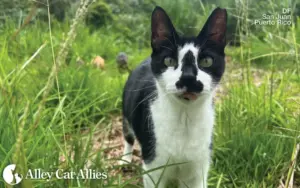
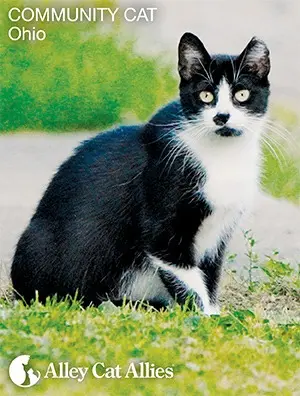
Community cats are uniquely adapted to outdoor life. They live in groups known as colonies, typically centered around a food source and a safe shelter. Contrary to outdated myths that frame them as invasive pests or ecosystem destroyers, scientific literature increasingly demonstrates that community cats have coexisted alongside human and wildlife populations for millennia.

However, their survival relies heavily on human intervention, particularly in urban and suburban environments where natural habitats are fractured by asphalt, traffic, and development. Without humane management, populations can fluctuate, leading to friction with human neighbors and unnecessary strain on local animal control facilities.
The Metrics of Impact: Trap-Neuter-Return (TNR) vs. Traditional Control
Decades of data support Trap-Neuter-Return (TNR) as the only proven, humane, and effective method for managing community cat populations.
- Population Stabilization: TNR instantly halts the reproductive cycle. Sterilized cats no longer contribute to the kitten population, leading to a natural, gradual decline in colony size over time.
- Elimination of Nuisance Behaviors: Spaying and neutering drastically reduces or eliminates behaviors associated with un-sterilized cats, such as yowling, roaming, and spraying. This significantly improves human-cat coexistence within neighborhoods.
- Shelter Decompression: By keeping healthy outdoor cats out of municipal shelters—where they face high rates of euthanasia due to behavioral traits unsuitable for traditional adoption—TNR saves taxpayer dollars and preserves shelter resources for animals that genuinely require indoor rehoming.
Legislative and Policy Gaps
Despite the proven efficacy of TNR and humane policies, many municipalities still rely on outdated ordinances that criminalize cat feeding or rely on ineffective catch-and-kill mandates. Global Cat Day serves as a critical pressure valve, pushing local governments to adopt "feline-friendly" legislation that explicitly legalizes TNR, protects caretakers from legal harassment, and mandates cooperation between animal control agencies and community rescue groups.

Official Statements and Strategic Vision
Organizations driving the Global Cat Day initiative emphasize a holistic, community-centric vision of animal welfare. Leadership voices within the movement continuously stress that protecting cats is fundamentally an exercise in strengthening human communities.
"Cats are community. When we look at an outdoor cat, we are looking at a living creature that belongs to the fabric of our neighborhoods just as much as we do. Protecting them requires a shift in our collective mindset—from viewing them as a problem to be managed through eradication, to recognizing them as neighbors deserving of care, protection, and legal safeguards."
— Advocacy statement from leading community cat protection networks.
Strategic priorities outlined for the campaign focus on three main pillars:

- Expanding Access to Care: Mobilizing veterinary networks to provide low-cost or free spay/neuter surgeries, vaccinations, and emergency medical treatment for free-roaming cats.
- Strengthening Legal Protections: Lobbying regional and national lawmakers to pass stringent anti-cruelty laws that penalize animal abusers with maximum severity, while offering legal protections for registered colony caretakers.
- Grassroots Empowerment: Equipping everyday citizens with the knowledge, physical tools (such as shelters and TNR traps), and educational resources needed to effect immediate change in their own backyards.
Future Outlook: The Road Ahead for Feline Advocacy
As the world looks beyond the immediate horizon of the October 16 day of action, the future of community cat advocacy is marked by both profound opportunity and persistent challenge.
Technological and Logistical Advancements
The modern rescue movement is increasingly leveraging digital infrastructure to coordinate rescue efforts. Platforms that connect independent trappers with veterinary clinics, map colony locations, and streamline volunteer deployment are revolutionizing how grassroots organizations operate. Furthermore, digital advocacy tools allow individuals to instantly lobby municipal officials via email campaigns and virtual town halls, dramatically lowering the barrier to entry for civic participation.
Changing Cultural Norms
Culturally, public perception of feral and stray cats is undergoing a generational shift. Younger demographics increasingly reject archaic notions of animal control in favor of compassionate, science-backed coexistence models. Educational outreach integrated into schools and community centers is fostering a culture of empathy that promises to sustain feline advocacy for decades to come.

The Ongoing Mission
Ultimately, Global Cat Day is not merely a single date on the calendar, but a rallying cry for an ongoing movement. Whether through purchasing commemorative gear to raise public awareness, downloading lifesaving educational resources to distribute in local neighborhoods, or venturing out into the field to perform TNR, every action compounds to create a safer, more humane world.
As advocates continue to monitor updates via official channels such as Alley Cat Allies and Global Cat Day, the mandate remains clear: protect them like community, fight for policies that honor their right to exist, and ensure that every cat—whether curled up on a living room sofa or keeping watch over a neighborhood colony—receives the dignity, care, and respect they deserve.