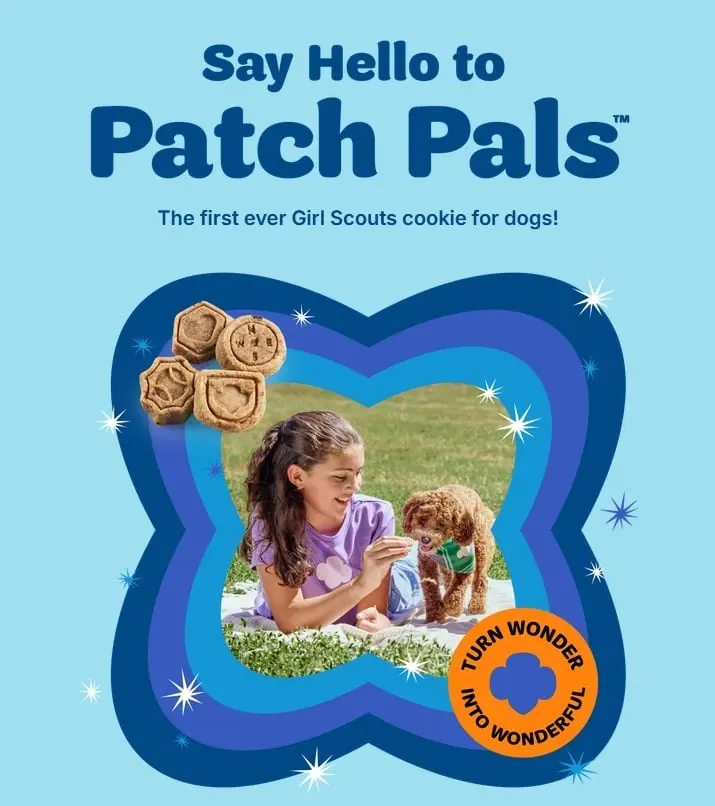
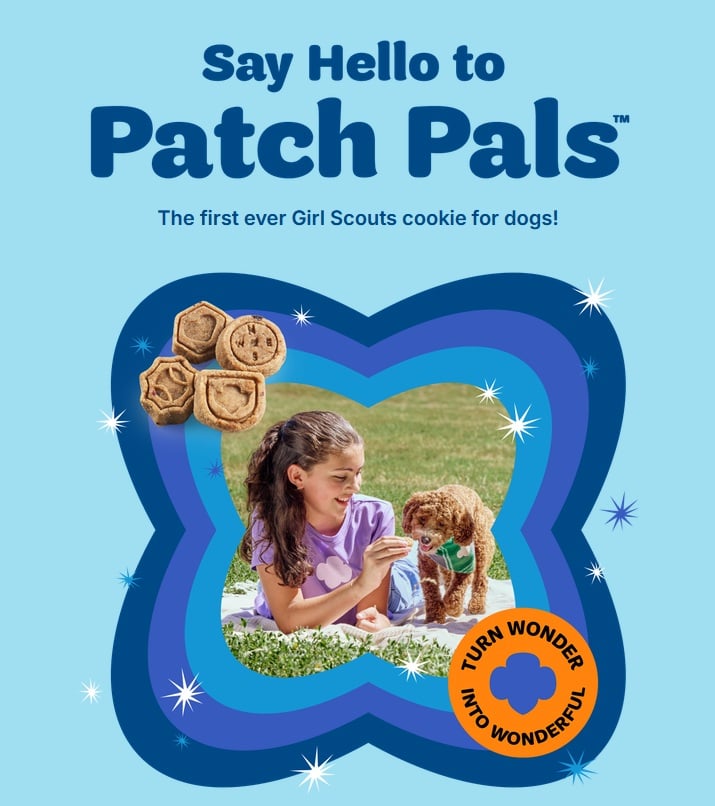
In a strategic expansion of its iconic brand presence, Girl Scouts of the USA recently announced its foray into the rapidly growing canine treat sector with the launch of "Patch Pals"—soft-baked, blueberry muffin-flavored dog cookies. Marketed as a celebratory homage to the historic bond between dogs and their owners, the cookies feature stamped designs replicating classic Girl Scout merit patches. However, behind the nostalgic imagery and wholesome brand messaging lies an alarming commercial reality regarding ingredient selection and sourcing transparency.
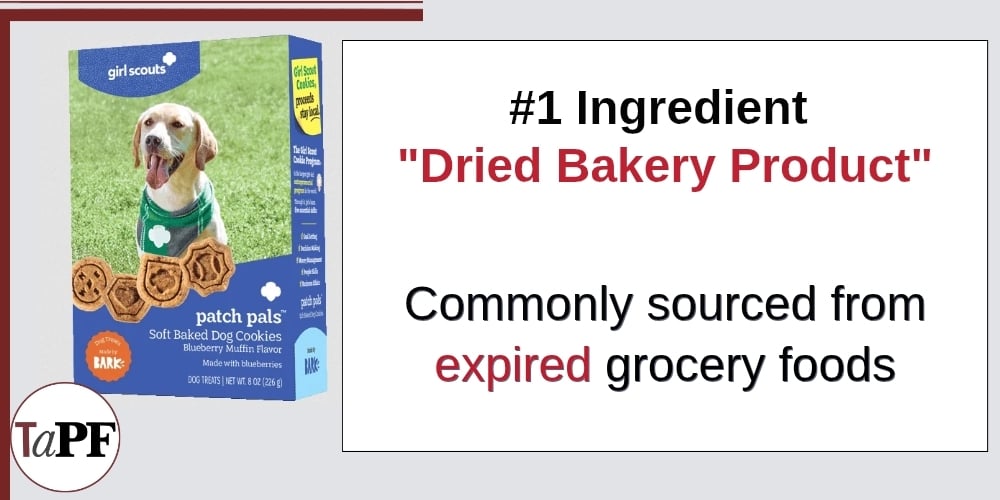
An analysis of the official ingredient panel reveals that the primary component of Patch Pals—representing the largest portion of the formulation by pre-cooked weight—is listed as "Dried Bakery Product." Defined within animal feed regulatory frameworks, Dried Bakery Product is not a wholesome whole-food ingredient, but rather an industrial feed-grade biomass derived from discarded, expired human food waste. Produced by mechanically separating expired breads, cakes, cookies, and doughs from their commercial plastic and paper packaging, this low-cost ingredient is predominantly used in agricultural livestock feed rather than companion animal nutrition.
This investigation examines the gap between public perception and industrial manufacturing in corporate pet product licensing. By scrutinizing official regulatory definitions, mechanical depackaging methodologies, potential contamination risks, and nutritional realities, this report evaluates the systemic implications of utilizing reclaimed commercial food refuse in products targeted at domestic pets.
Detailed Chronology
[Product Announcement]
   └── Girl Scouts USA unveils "Patch Pals" soft-baked dog cookies (Blueberry Muffin Flavor)
          │
[Label Scrutiny]
   └── Pet food consumer advocates analyze ingredient formulation
          │
[Critical Discovery]
   └── "Dried Bakery Product" identified as the #1 primary ingredient
          │
[Regulatory Analysis]
   └── AAFCO definitions confirm ingredient is mechanically separated expired food waste
          │
[Advocacy Action]
   └── Formal inquiry dispatched to Girl Scouts USA regarding sourcing & quality standards
The Product Unveiling
Girl Scouts of the USA issued an official press release introducing "Patch Pals" as an addition to its annual cookie line. The announcement highlighted soft-baked, blueberry muffin-flavored biscuits designed with four distinct patch emblems symbolizing traditional scouting activities. Positioned as a lifestyle alignment product, Patch Pals aimed to leverage the high emotional connection pet owners maintain with the Girl Scout brand.
Ingredient Panel Scrutiny
Following the release of product specification sheets and packaging mock-ups, independent pet food safety advocates—led by Susan Thixton of TruthaboutPetFood.com and the Association for Truth in Pet Food—conducted a routine analysis of the treat’s nutritional label. The investigation immediately identified "Dried Bakery Product" at the top of the ingredient declaration, signifying its status as the highest-quantity constituent prior to processing.
Regulatory Sourcing Determination
Cross-referencing the ingredient list against the official standards established by the Association of American Feed Control Officials (AAFCO), consumer advocates confirmed that the primary ingredient is categorized as a low-cost, feed-grade energy source composed of mixed, processed bakery waste. The definition explicitly permits raw materials that have passed their consumer shelf-life and undergone mechanical depackaging.
Formal Organizational Outreach
Prompted by these findings, consumer advocacy groups initiated formal communication with Girl Scouts USA executive leadership. The inquiries requested immediate clarification regarding supplier vetting protocols, microplastic residue testing, mycotoxin screening, and the rationale behind utilizing agricultural-grade waste streams in a premium-priced canine product.
Supporting Context & Metrics
Defining "Dried Bakery Product": Technical and Legal Scope
To understand the health and quality implications of Patch Pals, one must examine the legal and technical parameters defining "Dried Bakery Product." Under AAFCO Official Publication standards (Ingredient Code 48.1), the item is legally categorized as follows:
"Dried Bakery Product is a mixture of bread, cookies, cake, crackers, flours, and doughs which have been mechanically separated from non-edible material, artificially dried and ground."
Unlike whole-grain flours or pure meat meals, Dried Bakery Product is a highly variable secondary commodity. The raw inputs are pulled directly from industrial bakery waste streams, supermarket returns, and distribution center disposals.
The Mechanical Depackaging Process and Risk Assessment
The primary concern surrounding the use of Dried Bakery Product in companion animal diets centers on the mechanical separation process used to isolate organic material from retail packaging. Industrial depackaging equipment utilizes high-speed hammermills, shredders, and air-separation systems to process fully packaged grocery items—including loaves of bread wrapped in polybags, cardboard-boxed snack cakes, and plastic-wrapped doughs.
+------------------------------------+---------------------------------------------------------------------+
| Risk Category                      | Industrial / Biological Mechanism                                   |
+------------------------------------+---------------------------------------------------------------------+
| Microplastic Contamination         | Mechanical abrasion of polymer films during depackaging             |
| Packaging Adhesive Residues        | Chemical leaching from hot-melt glues and industrial box sealants   |
| Mycotoxin Exposure                 | Fungal proliferation (e.g., Aspergillus) on post-expiration dough   |
| High Glycemic & Sodium Loads       | Concentrated refined sugars, trans fats, and excess table salt      |
| Ingredient Nutritional Variability | Inconsistent baseline nutrient profiles across different waste batches|
+------------------------------------+---------------------------------------------------------------------+
Inert Packaging Foreign Matter: While mechanical separators remove the bulk of outer wrappings, total physical separation is virtually impossible. Trace quantities of flexible plastics, polymer films, aluminum foil, and paper adhesives routinely survive the milling process, ending up in the final ground meal.
Mold and Mycotoxin Exposure: Because the input waste consists of expired grocery materials, raw inputs may sit in transit bins or warehouse staging areas prior to processing. Breads past their shelf-life carry an elevated risk of fungal growth, leading to mycotoxins such as aflatoxin or deoxynivalenol (vomitoxin), which are heat-stable and survive subsequent thermal processing.
Inconsistent Macronutrient Profiles: Because the composition of bakery waste fluctuates based on supply chain disposals (e.g., a batch high in frosted cakes versus a batch high in whole-wheat flour), the ingredient lacks a consistent, predictable nutritional matrix.
Livestock Feed vs. Pet Food Standards
In agricultural economics, Dried Bakery Product serves as an effective, low-cost carbohydrate and fat substitute for livestock—specifically swine and poultry rations. Pigs and poultry possess digestive systems and production lifespans that absorb high-glycemic industrial energy sources differently than domestic dogs.
In companion animal nutrition, however, the humanization of pet food has driven consumer expectations toward human-grade ingredients, single-origin proteins, and recognizable whole foods. The inclusion of an ingredient traditionally reserved for swine feed creates a stark contrast between product marketing and actual nutritional quality.
Official Statements
Corporate Product Announcement
In its official promotional rollout, Girl Scouts of the USA emphasized the emotional resonance and brand alignment of the product line, stating:
"…the soft-baked, blueberry muffin-flavored dog cookies celebrate the bond between people and their pups. Each dog cookie has been baked to feature one of four ‘patch’ designs, representing iconic Girl Scout experiences.”
— Girl Scouts USA Press Release
Consumer Advocacy Analysis
In response to the product launch and label disclosures, Susan Thixton, founder of TruthaboutPetFood.com and representative at the Association for Truth in Pet Food, issued a critical critique regarding ingredient selection:
*"The Girl Scouts press release did not tell the public that the first ingredient in their dog cookie is a waste food ingredient: ‘Dried Bakery Product.’… Dried Bakery Product is little more than recycled grocery garbage. It is an inexpensive feed-grade ingredient.
We assume the decision makers at Girl Scouts USA did not investigate the ingredients in their new dog cookie, did not ask what is Dried Bakery Product? But they should have."*
— Susan Thixton, Pet Food Consumer Advocate
At the time of publication, formal inquiries dispatched to Girl Scouts USA regarding supplier oversight, quality control measures, and batch-testing protocols for packaging contaminants remain unanswered.
Future Outlook
Implications for Brand Licensing and Co-Branded Pet Products
The controversy surrounding the "Patch Pals" launch underscores a growing challenge in brand licensing. Non-profit organizations and heritage lifestyle brands frequently enter licensing agreements with third-party co-packers to enter the lucrative pet care market. When parent organizations fail to exercise strict oversight over formulation standards, they risk brand equity damage if consumer watchdogs uncover sub-standard ingredient choices.
Moving forward, corporate licensing divisions will face increasing pressure to enforce ingredient standards that align with public perception. Formulations relying on low-cost waste streams risk immediate public scrutiny and pushback from pet owners who closely read labels.
Regulatory Trends and Label Literacy
This incident highlights a broader shift in pet food literacy. Historically, pet food manufacturers relied on non-descriptive ingredient terms to incorporate feed-grade bypass commodities into retail formulations. However, the modern pet owner is equipped with immediate access to regulatory databases, AAFCO definition manuals, and real-time advocacy networks.
[Consumer Literacy Growth] ────► [Increased Ingredient Label Scrutiny]
                                              │
                                              ▼
[Regulatory Pressure on AAFCO/FDA] ◄──── [Demand for Label Transparency]
As digital watchdog groups continue to monitor product launches, the pet industry faces a clear choice: proactive formulation reform or systemic reputation risks. For Girl Scouts USA, resolving the contradiction between a wholesome public image and the use of mechanically depackaged waste ingredients will require clear communication, strict quality control assurances, or a complete reformulation of the "Patch Pals" product line.