
Executive Overview
To share a home with a domestic cat is to accept that human language is secondary to the subtle, and sometimes deafening, nuances of feline vocalization. While some felines communicate through silent body language or an occasional, polite chirp, others are relentless conversationalists, capable of keeping a household engaged from dawn until dusk. These talkative companions greet their humans at the door, critique the speed at which breakfast is served, demand immediate access to closed doors, and narrate every passing event with an impressive repertoire of trills, yowls, meows, and clicks.
While environmental factors, individual personality, age, and learned behaviors play significant roles in shaping a cat’s talkativeness, genetics remain the foundational blueprint. Across the feline kingdom, certain breeds have been selectively cultivated—or naturally evolved—to possess a heightened predisposition for social interaction and vocal expression. From the unmistakable, gravelly opera of the Siamese to the quiet, melodic trills of the Japanese Bobtail, these chatty companions transform quiet apartments and suburban homes into bustling hubs of cross-species dialogue.
This investigative report examines the psychological, genetic, and behavioral drivers behind the world’s most vocal cat breeds, exploring the top eleven chatty breeds, the mechanics of learned feline vocalization, and what it truly means to live with a cat that has plenty to say.
Detailed Chronology: The Evolution of Feline-Human Vocalization
Understanding why certain cats are exceptionally talkative requires a look back at the evolutionary history of the domestic cat (Felis catus) and its divergence from solitary wild ancestors.
- Pre-Domestication Era (Roughly 10,000+ years ago): Wild feline ancestors, such as the African wildcat (Felis lybica), relied primarily on scent marking, body posturing, and low-frequency close-range sounds to communicate. Adult wild cats rarely vocalized with meows, reserving such sounds primarily for mother-kitten communication. Silent stalking was a matter of survival and successful predation.
- The Agricultural Revolution (8,000–4,000 BCE): As cats naturally gravitated toward early human agrarian settlements to hunt rodents, a fascinating evolutionary shift occurred. Felines that were more tolerant of human presence—and more capable of expressing their desires in ways humans could understand—formed closer symbiotic relationships.
- Selective Breeding and Breed Development (19th and 20th Centuries): As cat fancier societies formalized distinct breeds in Victorian England and later across the globe, breeders often selected for traits linked to high sociability, intense human-orientation, and heightened activity levels. Breeds like the Siamese were imported from royal courts in Asia, where their striking appearance was matched by an equally striking, demanding voice that commanded attention from their human keepers.
- Modern Behavioral Understanding (Present Day): Today, ethologists recognize that the domestic cat’s prolific use of the "meow" is an evolutionary adaptation specifically targeted at humans. While cats communicate with each other through scent, touch, and silent signals, they quickly learn that vocalizing at humans yields high-value currency: food, play, warmth, and affection.
Supporting Context & Metrics: The Anatomy of a Chatty Cat
Feline vocalization is not a monolithic sound; it is a sophisticated acoustic toolkit. Ethologists have cataloged dozens of distinct vocalizations produced by domestic cats, ranging from purrs and growls to chirps, chatters, snorts, and yowls.
The Acoustic Spectrum of Talkative Breeds
- The Meow: Primarily directed at humans rather than other cats. Its pitch, volume, and cadence can be modified to manipulate human behavior.
- The Trill/Chirp: A high-pitched, rolling sound often used by mother cats to summon kittens. In chatty breeds, it serves as a friendly greeting or an expression of excitement.
- The Yowl/Alley-Cat Call: A deeper, more prolonged vocalization common in breeds like the Siamese and Oriental Shorthair, often used to express urgency, frustration, or territorial presence.
Breeds at a Glance: Voice Profiles
| Breed | Typical Voice Volume | Primary Motivation for Vocalizing | Social Disposition |
|---|---|---|---|
| Siamese | High / Piercing | Attention, anticipation of meals, social connection | Exceptionally high |
| Oriental Shorthair | Moderate to High | Food, play, general commentary | Demands active inclusion |
| Burmese | Soft to Moderate | Participation in routines, affection | People-oriented |
| Balinese | Moderate | Greeting, interactive play | Highly inquisitive |
| Tonkinese | Moderate to High | Exploration, learned attention-seeking | Playful and persistent |
| Bengal | High / Energetic | Boredom, excitement, demanding engagement | Athletic and intense |
| Turkish Angora | Moderate | Asserting presence, expressing expectation | Confident and interactive |
| Japanese Bobtail | Soft / Musical | Social games, greetings | Outgoing and melodic |
| Ocicat | Moderate | Investigating, opening doors, starting games | Confident and bold |
| Sphynx | Moderate | Seeking warmth, demanding lap space | Clinging and affectionate |
| Singapura | Soft / Gentle | Inquiring, requesting minor assistance | Inquisitive and petite |
The Eleven Most Vocal Cat Breeds Explored
1. Siamese: The Unrivaled Maestro of Vocalization
Few breeds possess a vocal reputation that rivals the Siamese. Famous for their distinctive, sometimes startlingly powerful voices that bear little resemblance to a standard meow, these social cats view conversation as a fundamental pillar of existence. A Siamese will vocalize when greeting familiar people, requesting attention, anticipating dinner, or reacting to unusual household events. Their exceptional intelligence and people-oriented nature ensure that communication is woven into every interaction, particularly because vocalizing consistently yields a swift human response.
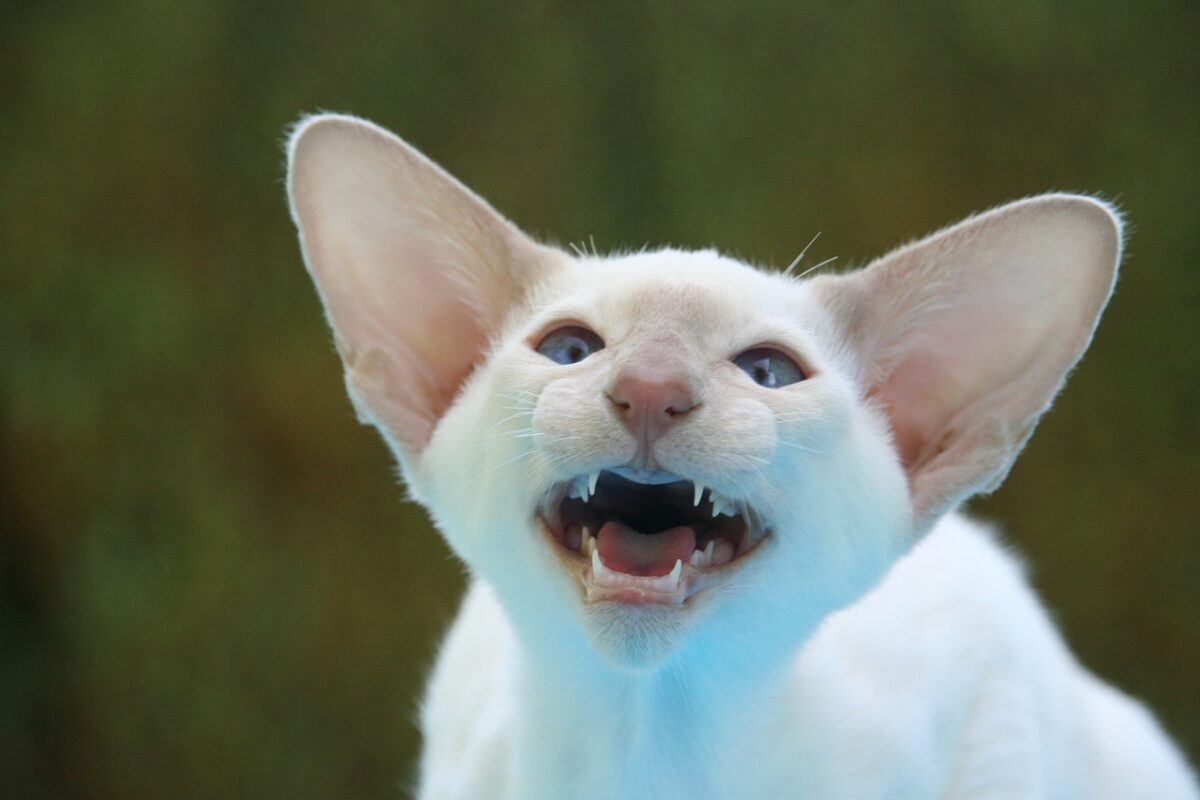
2. Oriental Shorthair: The Persistent Commentator
Closely related to the Siamese, the Oriental Shorthair shares much of that breed’s enthusiasm for social interaction and expressive communication. Their voices range from soft, melodious conversational sounds to persistent, demanding meows when they believe something requires immediate attention. Intelligent and endlessly curious, these sleek cats frequently involve themselves in household activities rather than observing from a quiet corner. If an Oriental Shorthair wants companionship, play, food, or access to a closed room, you will hear about it.
3. Burmese: The Gentle Conversationalist
The Burmese combines an intensely social personality with an eager, collaborative approach to communication. Their vocalizations are typically described as softer than the famously piercing voice of their Siamese relatives, but this does not render them quiet companions. Many Burmese enjoy interacting closely with familiar people, using meows, rumbles, and gentle coos to participate in daily routines. Their people-oriented temperament keeps them close at hand, creating frequent opportunities for sweet, melodic vocal exchanges.
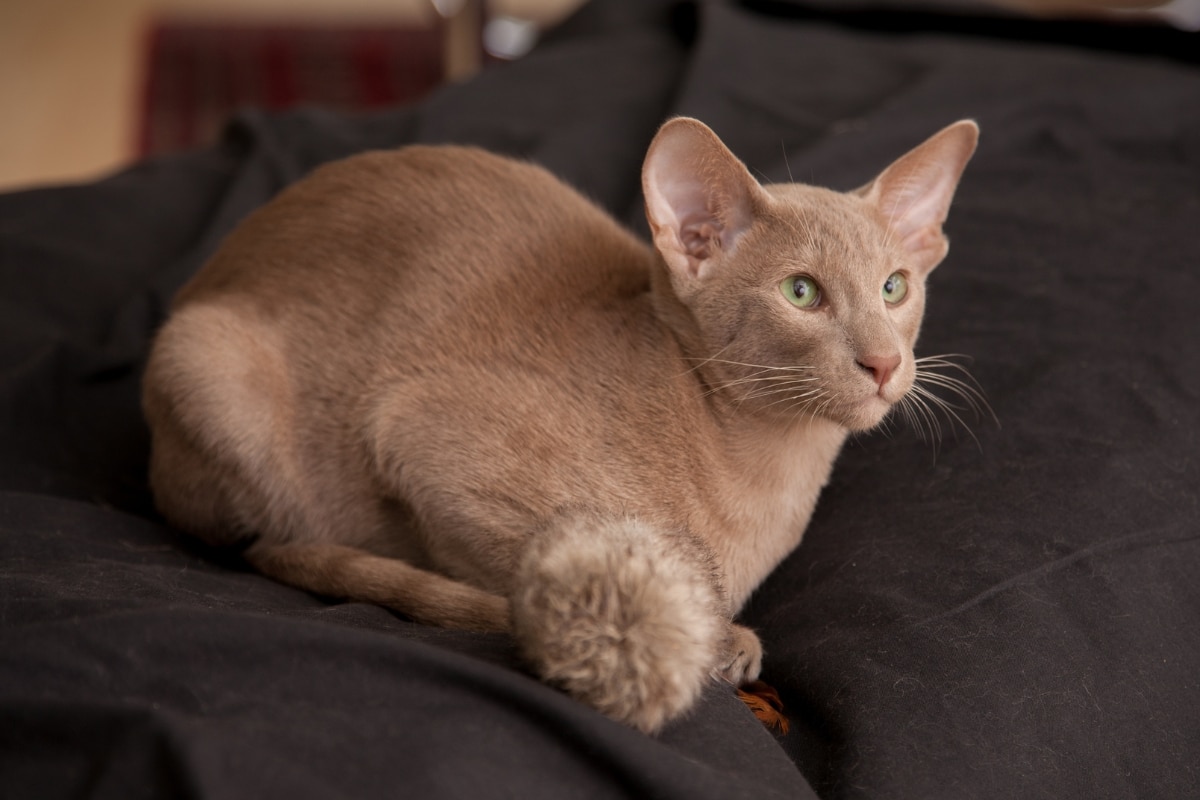
4. Balinese: The Long-Haired Chatterbox
The elegant Balinese may appear graceful and reserved at first glance, but absolute silence is rarely part of their profile. Closely related to the Siamese, this long-haired breed is fiercely social, intelligent, and communicative. Many Balinese use their voices to greet familiar people, request interaction, or respond directly when spoken to, turning ordinary moments into genuine back-and-forth conversations. Their motivation stems from a deep-seated desire to be involved in every aspect of family life.
5. Tonkinese: The Learned Conversationalist
Boasting both Siamese and Burmese ancestry, the Tonkinese inherited an abundance of traits associated with chatty, people-loving cats. Many enjoy staying close to familiar humans, utilizing their voices during greetings, play sessions, and meal preparations. While their vocalizations may lack the raw intensity of the most outspoken Siamese, they remain persistent conversationalists. Furthermore, their high intelligence allows them to quickly master associative learning: a Tonkinese that receives a treat or attention after a specific meow will readily add that sound to their permanent repertoire.
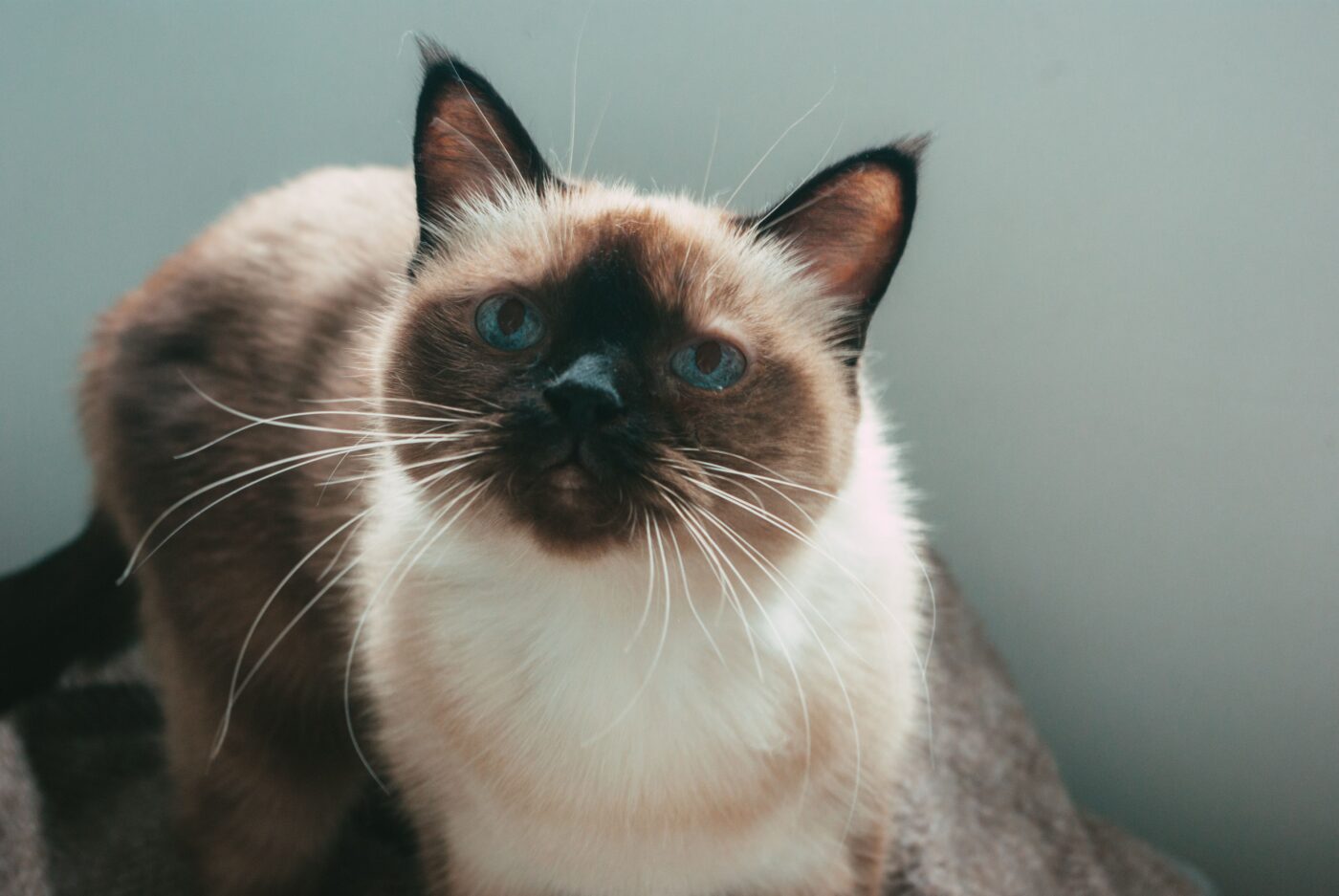
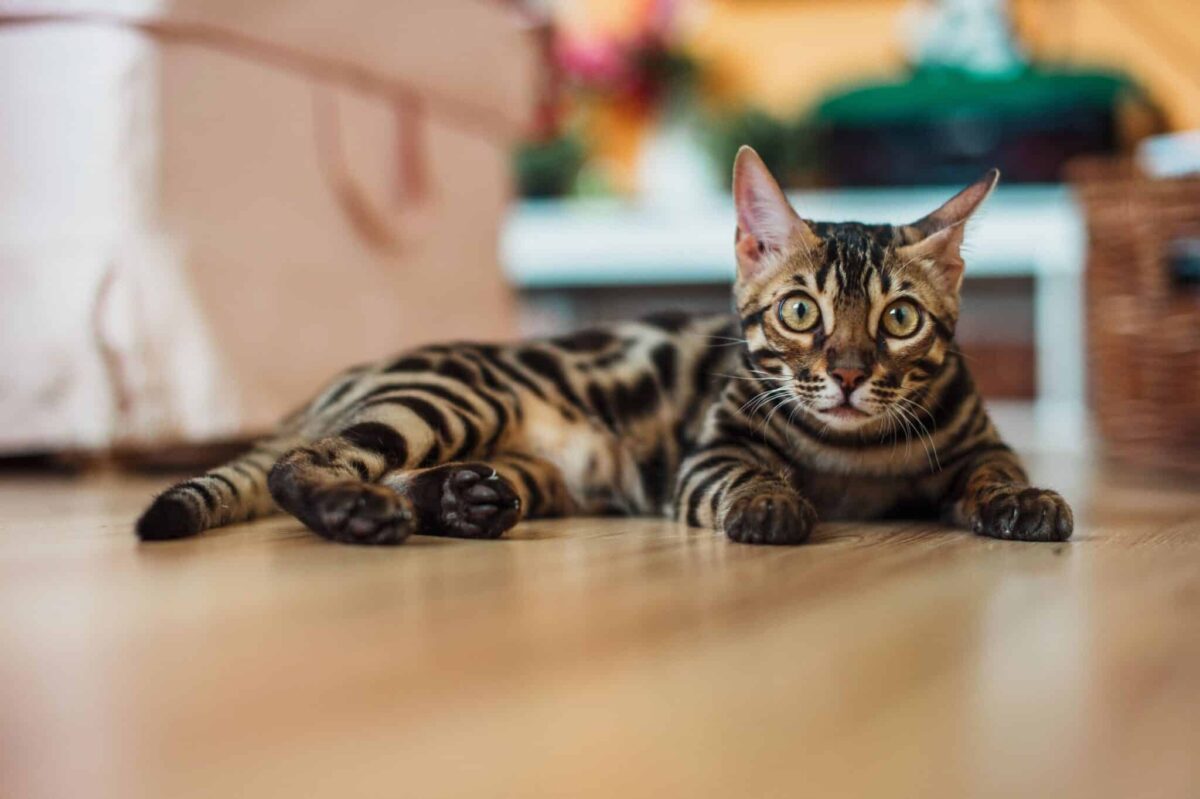
6. Bengals: High-Energy Soundtracks
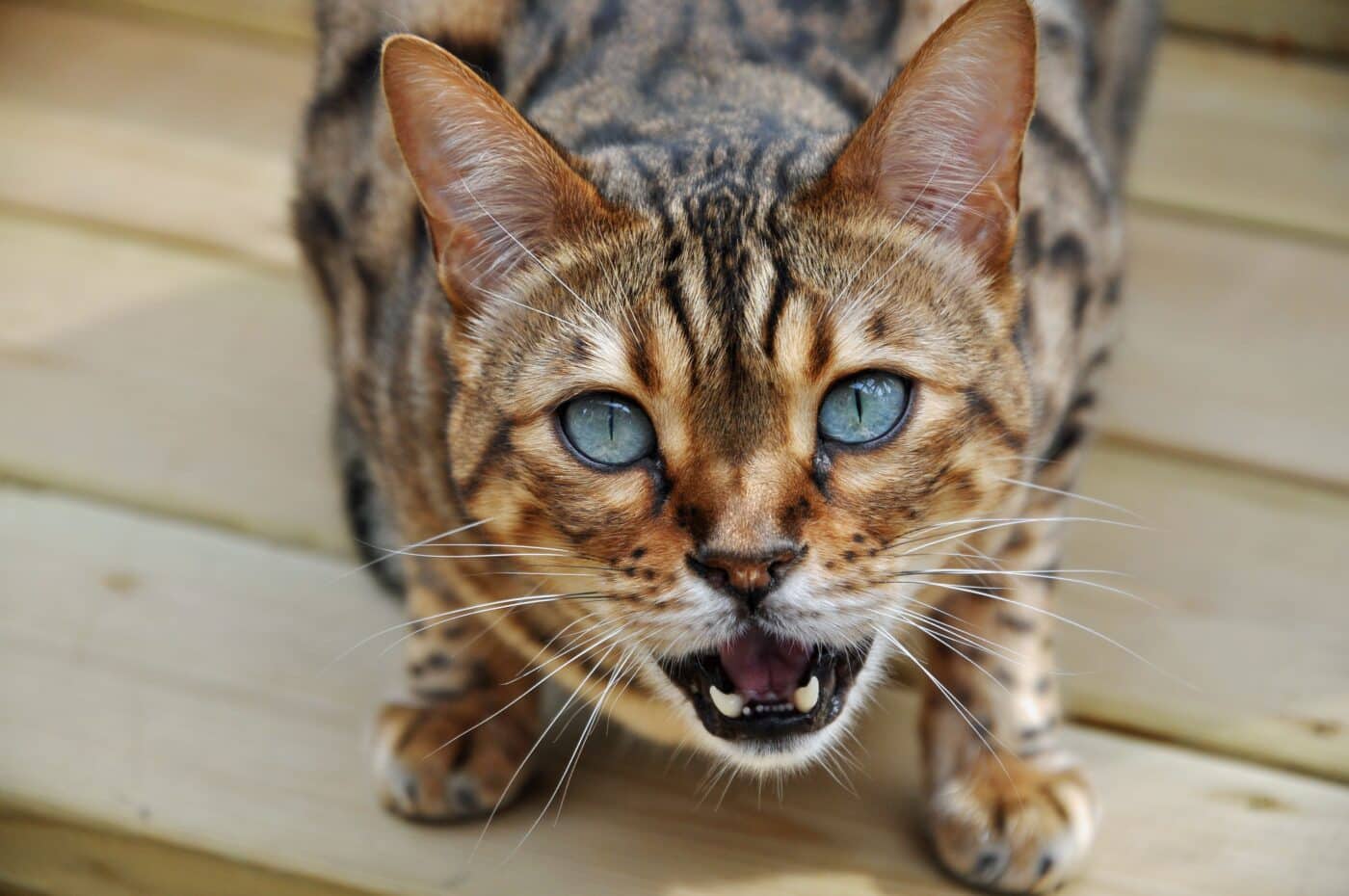
Bengals bring tremendous athletic energy to a household, frequently accompanied by an equally impressive acoustic soundtrack. These intelligent cats communicate through meows, chirps, trills, and distinctive vocalizations, particularly when excited or intrigued by their environment. Because Bengals require substantial mental and physical enrichment, persistent vocalizing can sometimes serve as an indicator of boredom or a demand for interactive engagement, ensuring their presence is never overlooked.
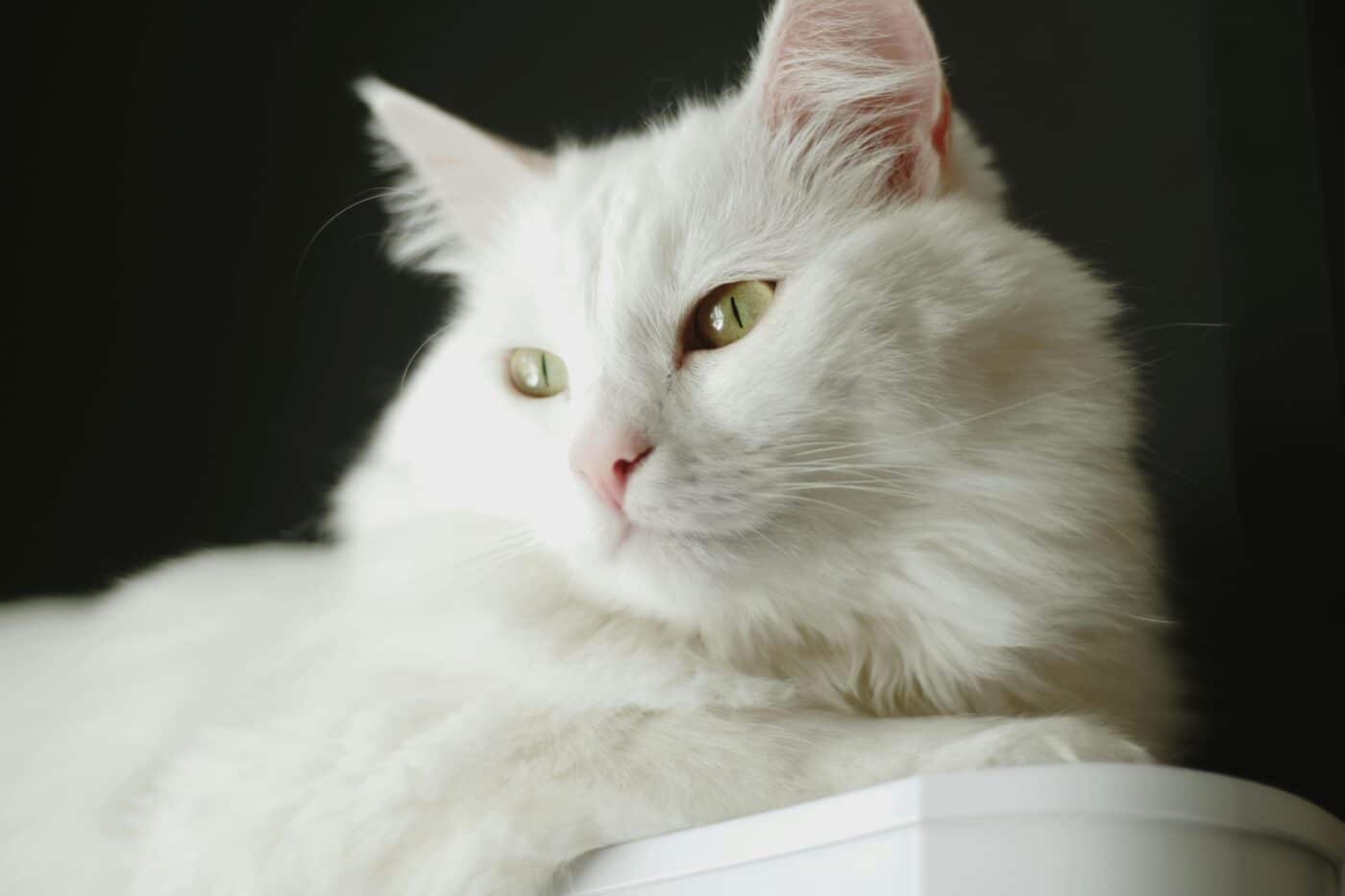
7. Turkish Angoras: Confident and Expressive
Turkish Angoras are intelligent, active cats that develop a passionate interest in everything occurring within their domain. Many are highly communicative with familiar people, pairing meows and chirps with expressive body language to request attention or oversee household routines. Their confidence makes them surprisingly persistent when they desire something. Whether expressing excitement, expectation, or simple curiosity, a socially engaged Turkish Angora develops a rich vocabulary that household members quickly learn to decode.
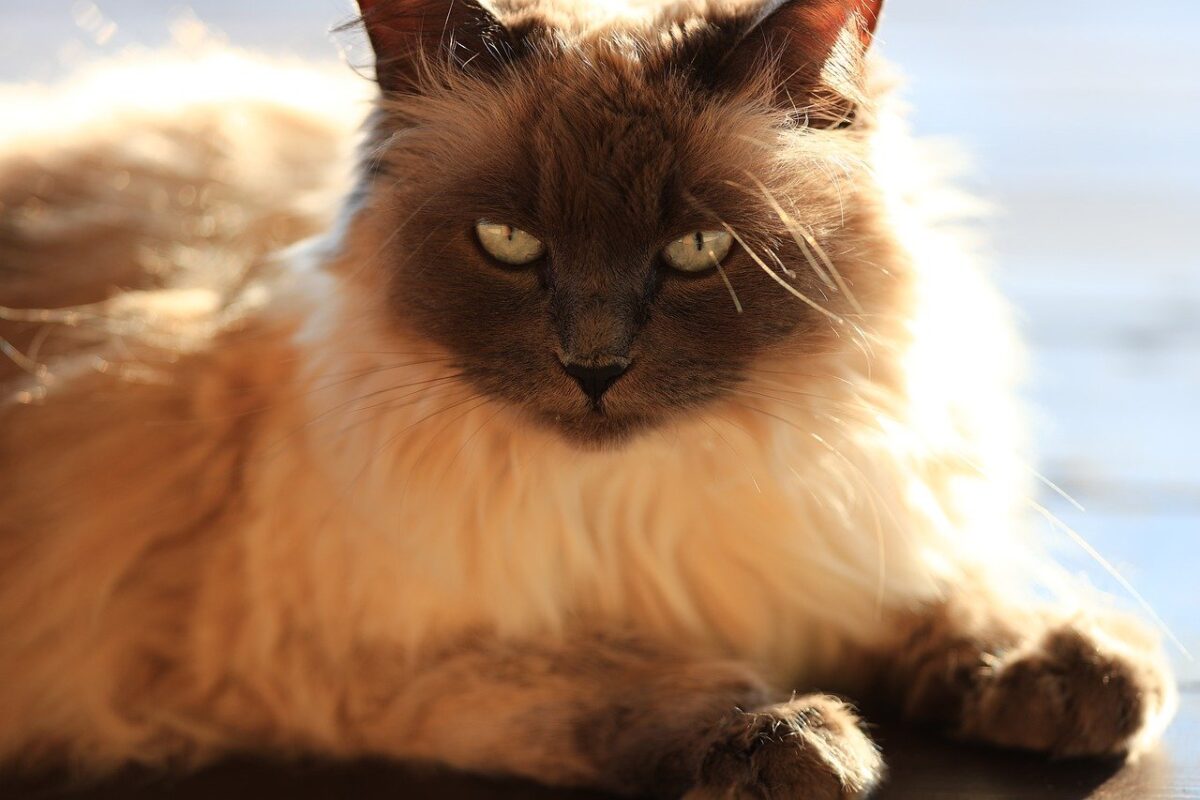
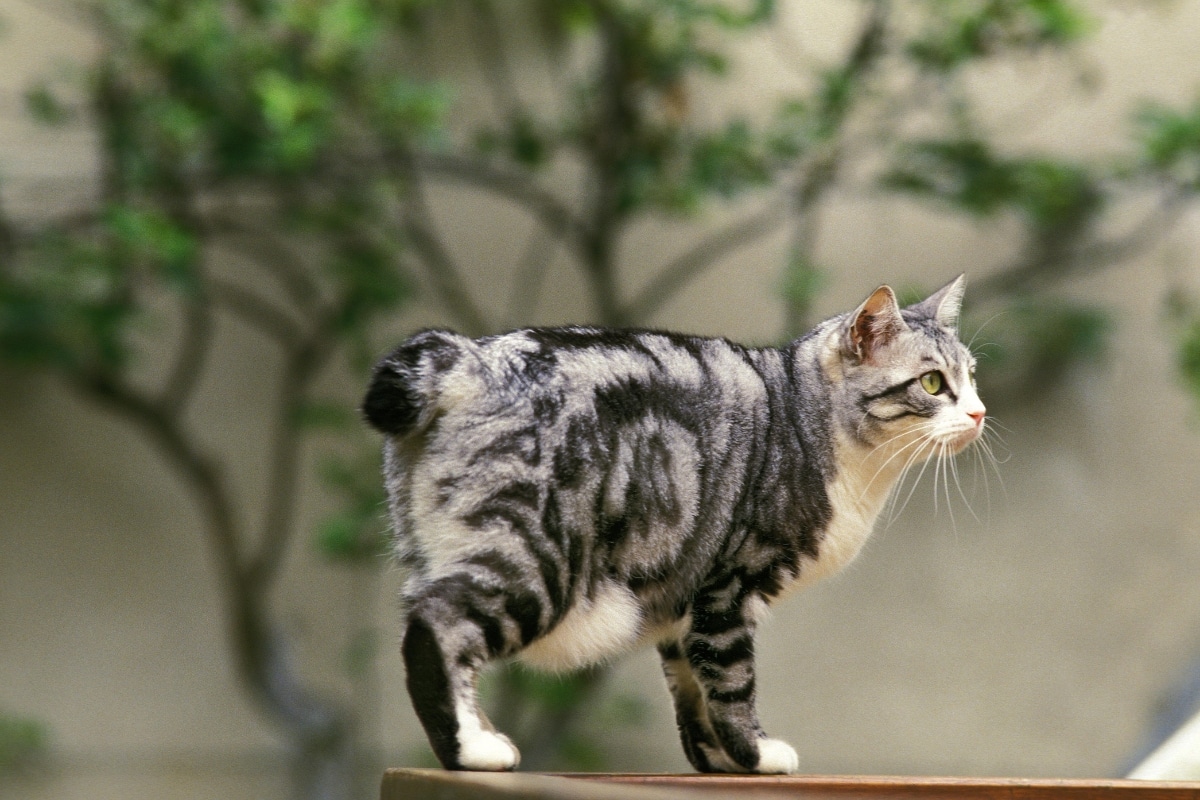
8. Japanese Bobtail: The Musical Communicator
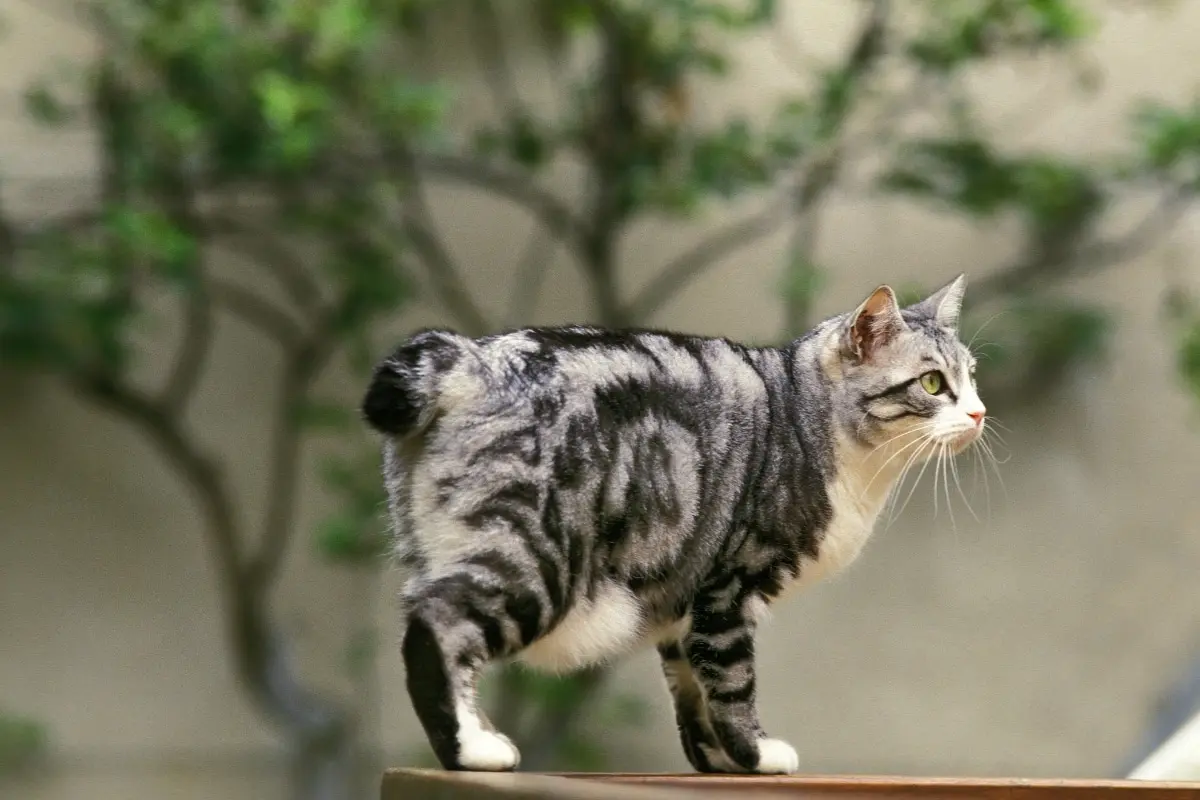
Japanese Bobtails possess a sterling reputation for being outgoing and communicative, with voices frequently characterized as soft and musical. Rather than relying on a single, repetitive meow, many individuals produce varied chirps, trills, and trilling warbles during interactions. Their playful, socially engaged personalities make these musical exchanges a standard feature of daily life, particularly during games, greetings, or moments of intense feline curiosity.
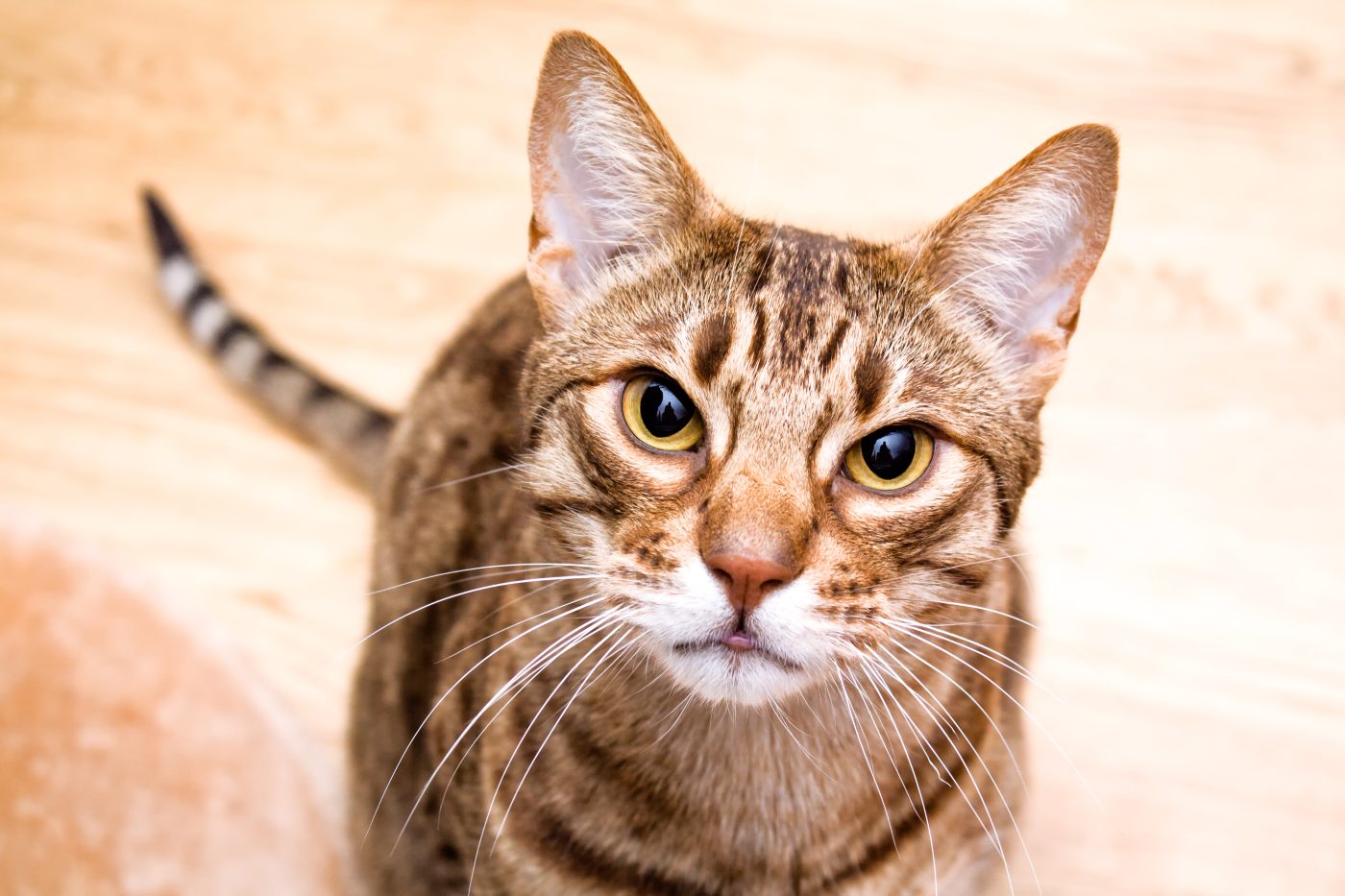
9. Ocicats: The Bold Investigators
Despite sporting a wild, spotted coat reminiscent of an ocelot, Ocicats are entirely domestic felines with warm, confident, and interactive personalities. Many enjoy staying deeply involved in household affairs, using vocalizations to navigate their relationships with human family members. Their voices emerge during greetings, play sessions, or when they want to investigate spaces beyond their reach. Their energetic intellect means they quickly learn which behaviors—and sounds—produce desired results, such as opening a door or initiating a toy chase.
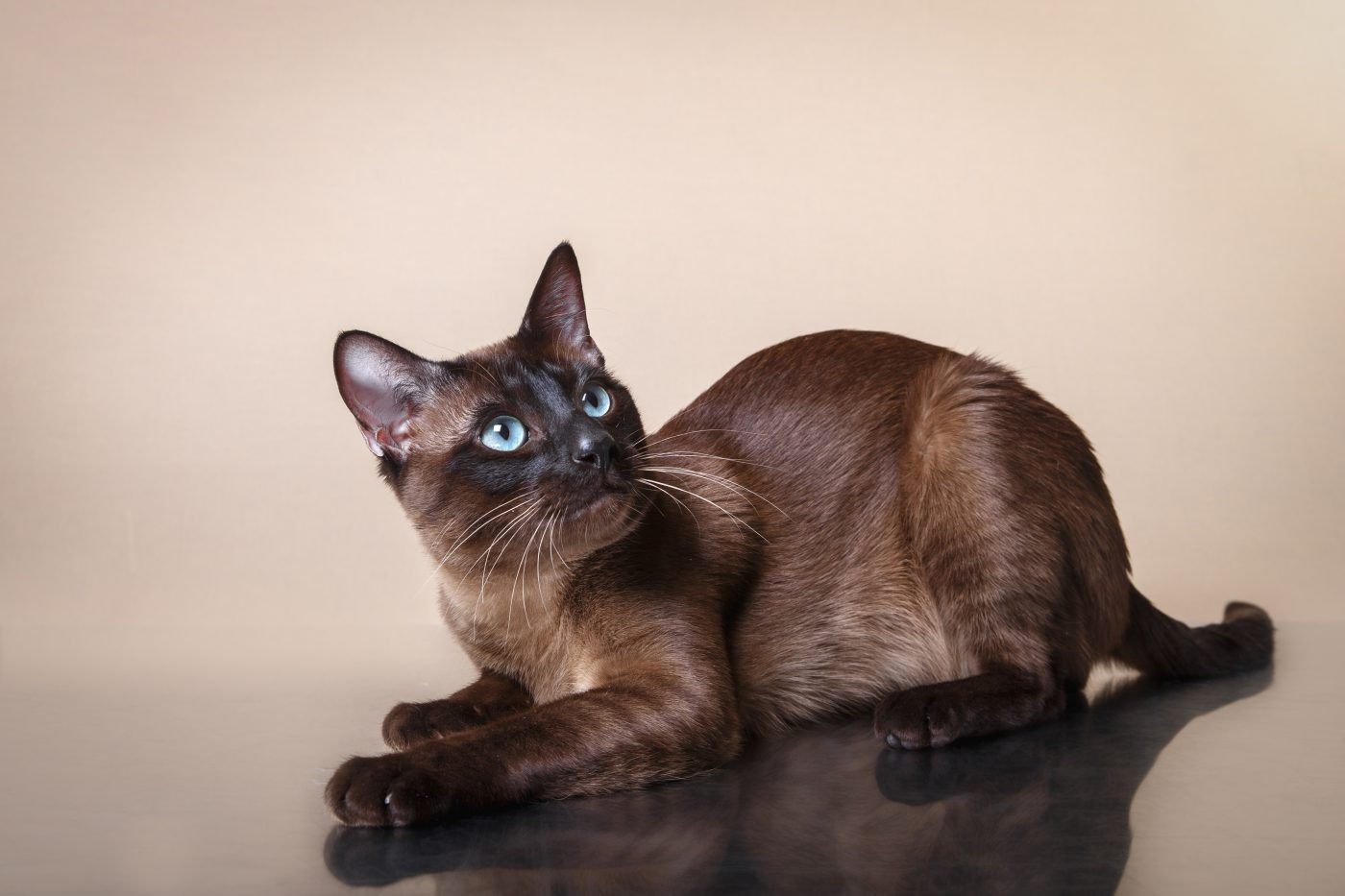
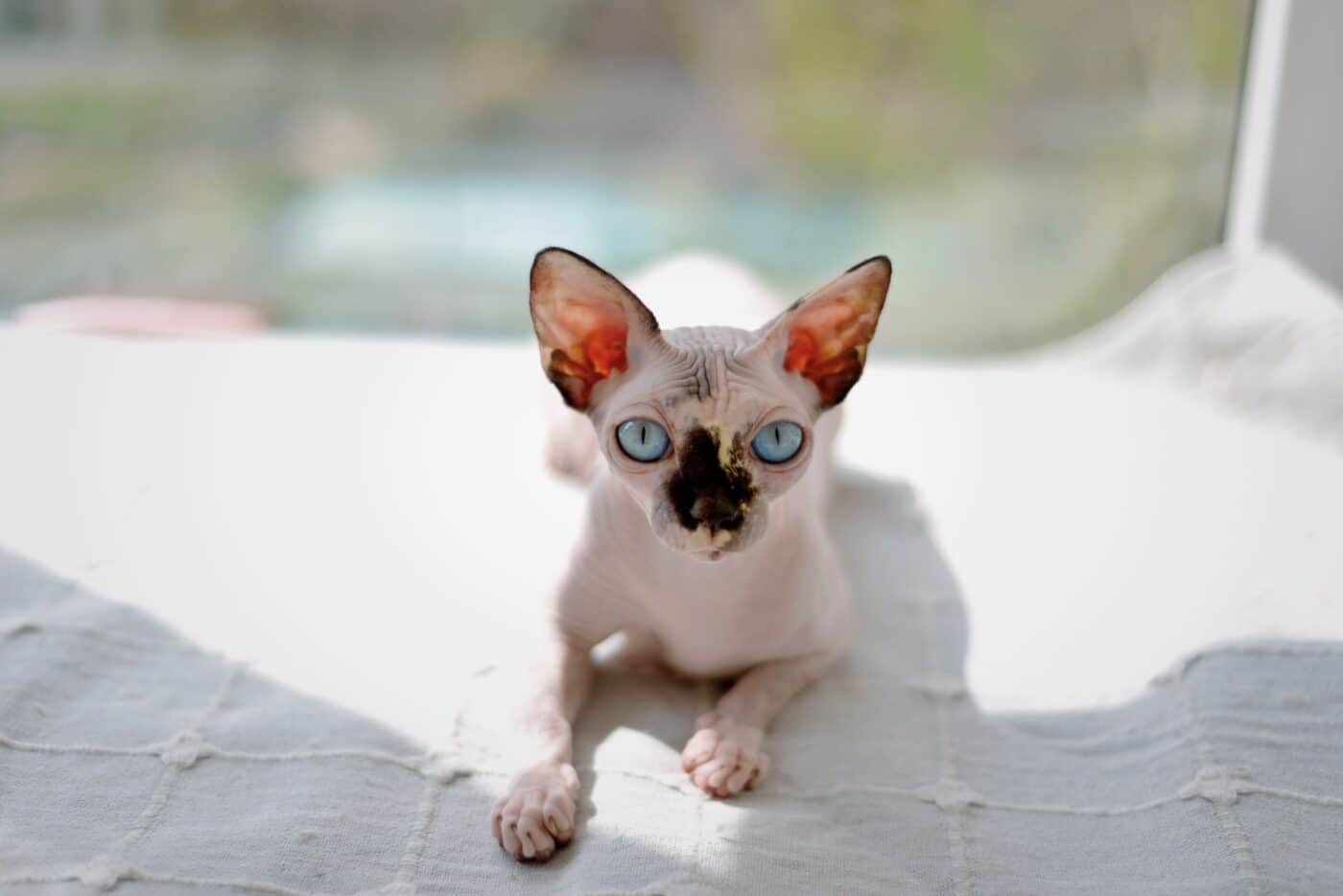
10. Sphynx: The Warmth-Seeking Persuader
The Sphynx is famous for far more than its nearly hairless appearance. Many are exceptionally social cats that thrive on physical contact, with vocal communication serving as a primary tool for securing attention. They may meow, chirp, or chatter when seeking affection, anticipating meals, or attempting to negotiate access to a warm lap or cozy blanket. Their playful, curious nature ensures that vocalization accompanies exploration just as frequently as it does requests for cuddles.
11. Singapura: The Petite Chatterbox
The petite Singapura packs an oversized personality into a tiny frame. These curious, socially driven cats enjoy observing household activities closely and interacting with familiar people. Some utilize gentle meows and soft chirps to communicate when they desire attention, companionship, or involvement in nearby tasks. While their vocal style is less forceful than larger breeds, their active and inquisitive nature creates frequent opportunities for delightful, expressive communication throughout the day.
Official Statements & Expert Perspectives
Animal behaviorists and veterinary researchers emphasize that excessive or persistent vocalization in cats must be evaluated through both a behavioral and medical lens.
Dr. Elena Vance, a prominent feline ethologist, notes:
"When we classify breeds as ‘talkative,’ we are observing centuries of human-cat co-adaptation. Breeds like the Siamese and Oriental Shorthair have been rewarded—intentionally or unintentionally—for maintaining kitten-like vocal communication into adulthood. However, owners must always listen to the context. A cat’s voice is a finely tuned instrument of negotiation. Understanding the subtle shifts between a demanding yowl and a polite chirp is key to maintaining a harmonious multi-species household."
Veterinary associations also issue an important cautionary note regarding sudden changes in vocalization:
"While genetic predisposition accounts for naturally chatty cats, a sudden increase in vocalizing, especially in normally quiet breeds, can signal underlying medical distress, cognitive dysfunction syndrome in senior cats, hyperthyroidism, or pain. Owners should always consult a veterinarian if a cat’s vocal patterns change abruptly."
Future Outlook: The Intersection of Feline Communication and Human Living
As human lifestyles shift toward urban apartment living and remote work environments, the demand for emotionally responsive, highly interactive pets has surged. Chatty cat breeds have experienced a corresponding rise in popularity among pet owners who actively seek out companions that offer interactive engagement rather than silent independence.
Looking ahead, advances in animal behavior science and technology—such as AI-driven pet translation tools and smart home monitoring systems—may soon allow humans to decode feline vocal nuances with unprecedented precision. Yet, long before technology bridges the gap, the timeless bond between a talkative cat and its attentive human remains built on mutual listening. For those who share their homes with a Siamese, Bengal, or Japanese Bobtail, the conversation never truly ends; it merely evolves into a lifelong dialogue between two species sharing a single roof.