
By Tyler Carmack, DVM, CVA, CVFT, CTPEP, CHPV, CVPP
Executive Overview
When a senior dog turns its head away from a lifelong favorite kibble, or a geriatric cat no longer manages the journey to its food bowl, the reaction from pet owners and clinicians alike is too often chalked up to simple behavioral pickiness. However, within the realms of geriatric and palliative veterinary medicine, inappetence is rarely about calories alone. Instead, it serves as a critical clinical signal—a manifestation of underlying pain, systemic nausea, physical distress, or emotional fatigue that demands the exact same rigorous diagnostic scrutiny as any other medical finding.
Treating the underlying driver of anorexia, rather than chasing the symptom of appetite loss in isolation, marks the profound operational difference between a veterinary patient that merely survives an extended timeline and one that genuinely enjoys the quality of the time it has left.
Modern veterinary hospice care requires shifting our perspective on nutrition. We must transition away from aggressive caloric tracking and forced feeding targets, focusing instead on patient comfort, physiological dignity, and holistic home-environment management. By synthesizing targeted pharmacotherapy, nutritional science, evidence-based complementary modalities like acupressure, and proactive environmental modifications, veterinary teams can radically transform the end-of-life experience for aging pets and their caregivers.
Detailed Chronology & Pathophysiology: Why Aging and Dying Pets Stop Eating
To effectively address inappetence in geriatric patients, clinicians must first understand the complex biological and biochemical cascades that suppress appetite at the end of life. Appetite regulation is not merely a matter of an empty stomach; it is governed by a sophisticated interplay of hypothalamic signaling, gastrointestinal motility, and disease-related systemic biochemistry.
The Biochemical Drivers of Cachexia
In cancer patients and those battling advanced systemic disease, weight loss and anorexia are frequently driven by cancer cachexia—a complex metabolic syndrome characterized by progressive skeletal muscle wasting. This wasting cannot be reversed simply by increasing caloric intake. Cachexia is propelled by inflammatory cytokines, primarily Interleukin-1 (IL-1) and Interleukin-6 (IL-6), alongside emerging mediators such as Growth Differentiation Factor-15 (GDF-15) and activin A. These biochemical signals act centrally within the hypothalamus to suppress hunger signals while simultaneously accelerating peripheral muscle catabolism.
Multiorgan Pathology and Chronic Discomfort
Beyond oncology, chronic illnesses impose their own distinct barriers to nutritional intake:
- Chronic Kidney Disease (CKD): Uremic toxins accumulate in the bloodstream, triggering severe, persistent nausea and alterations in taste perception (dysgeusia).
- Osteoarthritis and Degenerative Joint Disease (DJD): The physical act of walking to the feeding station, lowering the head and neck, or maintaining a stable posture while eating becomes an exercise in chronic pain.
- Dental Disease and Gastrointestinal Ulceration: Unresolved oral pain, periodontal disease, and mucosal ulceration turn the tactile experience of eating into a source of acute suffering.
Consequently, the initial protocol for any appetite workup in a senior or hospice patient must bypass the reflex of immediately prescribing an appetite stimulant. The clinical priority must be the systematic identification, ruling out, and targeted management of pain, nausea, dental pathology, and gastrointestinal irritation. A cat suffering from unaddressed joint pain or a dog with severe dental disease will show negligible, fleeting responses to pharmacologic appetite support until the foundational discomfort is brought under control.
Supporting Context & Metrics: Pharmaceutical, Nutritional, and Complementary Strategies
Once reversible pathological causes of inappetence are addressed and managed, clinicians have access to a multifaceted toolkit designed to safely encourage voluntary intake.
Pharmaceutical Interventions
Evidence-based pharmacotherapy plays a vital and structured role in managing chronic inappetence:
- Mirtazapine: Placebo-controlled crossover trials in cats suffering from chronic kidney disease have demonstrated measurable improvements in appetite, sustained weight gain, and a reduced frequency of vomiting. These benefits have been validated for both compounded transdermal preparations and oral formulations, leading to the development of FDA-approved transdermal products specifically labeled for weight loss associated with feline CKD. In canine patients, the appetite-stimulating effects of mirtazapine are typically milder yet clinically quantifiable; dogs treated with the medication show a significantly higher likelihood of resuming voluntary eating and exhibit reduced overall weight loss compared to untreated control cohorts.
Nutritional and Supplement Strategies
Dietary adjustments must be tailored to the sensory and metabolic deficits of the aging patient:
- Omega-3 Fatty Acids (EPA/DHA): These compounds offer proven anti-inflammatory and anti-cachectic properties, assisting in the preservation of lean muscle mass in oncological patients, though veterinary oncology data remains an active area of clinical evolution.
- Sensory Enhancement: Calorically dense, highly palatable recovery or renal diets can be gently warmed to amplify their aromatic profile. This is crucial for older and sick pets experiencing age-related hyposmia (diminished sense of smell).
- B-Vitamin Supplementation: Prolonged periods of inappetence can induce secondary vitamin deficiencies that further blunt the appetite drive, making targeted B-vitamin support a rational intervention in anorectic cats.
- Palatability and Hydration Tools: Meal toppers, low-sodium warmed broths, and lickable purees serve as low-effort appetite motivators. Their high moisture content and minimal chewing requirements make them ideal for senior and hospice cats, while simultaneously acting as effective vehicles for masking oral medications. While independent efficacy data for commercial lickable treats is sparse, they offer high utility in lowering the barrier to voluntary intake.
- Gastrointestinal Support via Probiotics: While probiotics do not directly stimulate the appetite center, randomized, placebo-controlled trials in shelter animals demonstrate that probiotic supplementation significantly improves stool quality and reduces episodes of diarrhea. By mitigating ongoing gastrointestinal discomfort, probiotics indirectly support more consistent, reliable eating habits in patients with concurrent GI disease.
The Limits of Assisted Feeding
Assisted feeding techniques—such as syringe feeding or the placement of feeding tubes—warrant extreme caution in a hospice context. Forcing food into an actively dying, severely nauseated, or exhausted animal frequently induces severe food aversion, aspiration pneumonia, and psychological distress. This practice ultimately undermines the patient’s remaining quality of life rather than supporting it. The primary objective in palliative nutrition is voluntary intake and sensory comfort, not the strict adherence to an arbitrary caloric target.
Complementary Techniques: Acupressure and Acupuncture
Integrative palliative protocols increasingly incorporate acupuncture and acupressure. While many complementary modalities lack robust data, specific points possess documented clinical trials in veterinary patients:
- Stomach 36 (ST-36): Located on the lateral hind limb just distal to the stifle, ST-36 is traditionally regarded as the master point for the stomach and gastrointestinal tract. It is widely employed to support digestion and restore appetite in debilitated patients, though its veterinary evidence base remains largely observational.
- Pericardium 6 (PC-6): Situated on the palmar forelimb just proximal to the carpus, PC-6 boasts the strongest controlled-trial support of any acupuncture point utilized for nausea and vomiting. A randomized clinical trial involving 222 dogs demonstrated that electroacupuncture at PC-6 reduced morphine-induced nausea and vomiting as effectively as maropitant or acepromazine—and significantly outperformed sham acupoints and saline controls. However, this antiemetic efficacy is specific to opioid-triggered nausea; targeted acupuncture at PC-6 and ST-36 failed to reduce nausea during intravenous lidocaine infusions, and PC-6 aquapuncture did not reduce dexmedetomidine-induced emesis in cats. Clinicians should understand that PC-6 is most reliable for opioid-induced nausea rather than generalized systemic emesis.
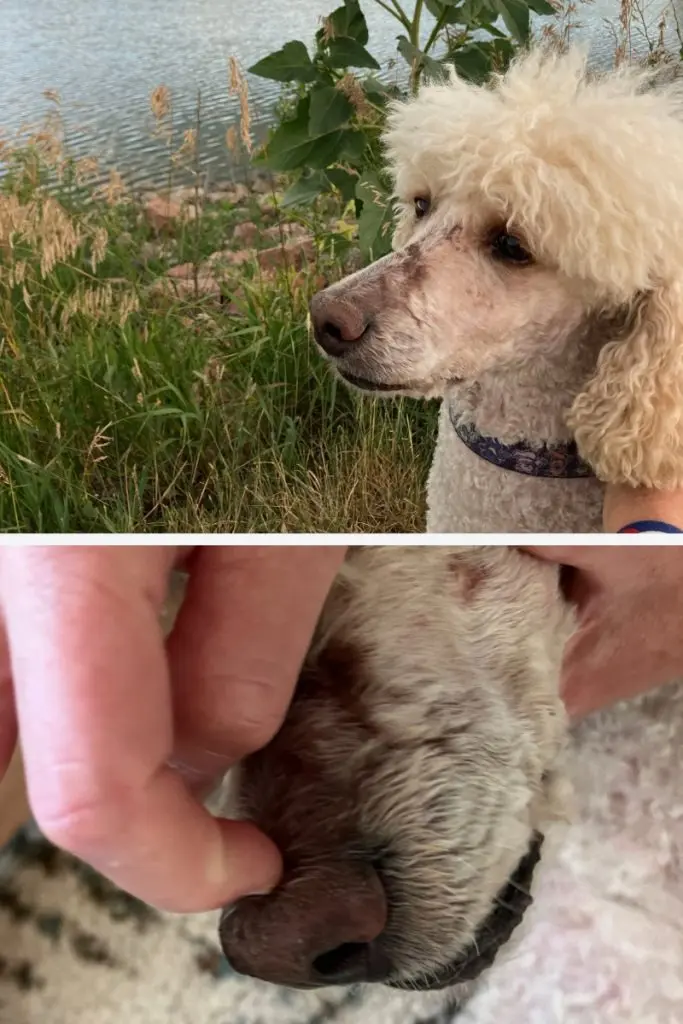
- Shan Gen: Located on the midline of the nasal bridge at the junction of the haired skin and the nasal planum, Shan Gen is a calming point utilized by practitioners to encourage reluctant patients to take their first bite. While controlled trial data specific to appetite is lacking, it is non-invasive, entirely safe, and easily taught to caregivers as an at-home comfort measure involving 20 to 30 seconds of gentle, sustained digital pressure.
Environmental Modifications
Physical accessibility is frequently the primary barrier preventing an aging pet from eating.
- Feline Considerations: Degenerative joint disease (DJD) affects an estimated 20% to 92% of older cats, yet it remains drastically under-recognized due to the feline instinct to mask pain. Feline life-stage guidelines recommend elevating food and water stations off the floor, locating dining areas away from stairs and jumping zones, and installing low-sided, accessible litter boxes on every level of the home. Distributing multiple feeding stations throughout the living space minimizes travel distance for arthritic cats, encouraging small, frequent meals.
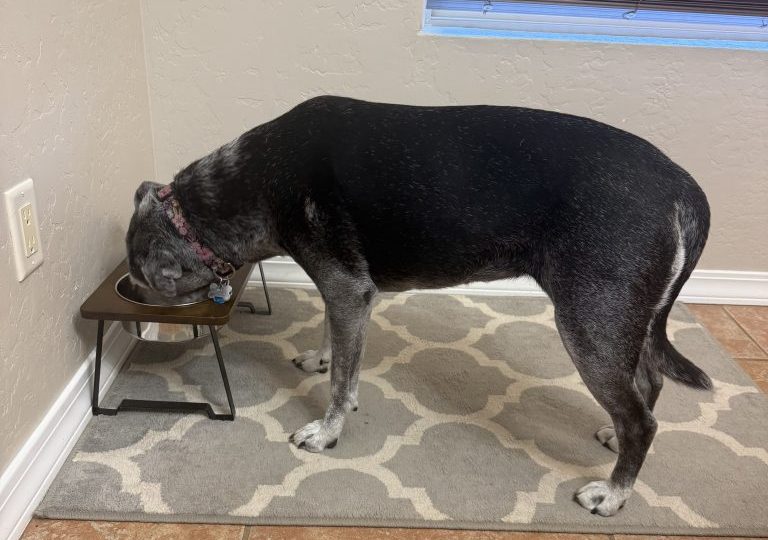
- Canine Considerations: Elevated bowls can provide substantial relief for senior dogs suffering from cervical arthritis, megaesophagus, or thoracic limb pain by removing the need to repeatedly lower the head and neck. For large-breed seniors, a non-slip mat paired with a moderately raised bowl tailored to the dog’s specific height serves as a safe and practical standard.
Official Statements & Professional Insights
Addressing the complex realities of end-of-life nutrition requires deep clinical wisdom and clear communication between veterinary teams and pet caregivers. Dr. Tyler Carmack, Director of Hospice and Palliative Care for the Caring Pathways family of practices and former president of the International Association for Animal Hospice and Palliative Care (IAAHPC), emphasizes that hospice nutrition must be viewed through the lens of the "unit of care"—the patient and the caregiver functioning as a single dynamic entity.
"Treating the underlying driver, rather than the loss of appetite in isolation, is what separates a pet that merely survives longer from one that genuinely enjoys the time it has left," notes Dr. Carmack. "Success in hospice nutrition is not measured solely in grams of food consumed, but in comfort, communication, and the quality of the time that remains."
Veterinary experts stress that complementary modalities like acupressure should always be presented as deliberate adjuncts to diagnosis-driven medical management, rather than standalone replacements. Transparency regarding the variable nature of clinical evidence empowers pet owners to make informed, compassionate decisions tailored to their pet’s unique disease trajectory.
Future Outlook: Teaching Acceptance Early and Preserving Dignity
The future of geriatric veterinary care lies in preventative preparation. Much of the friction encountered when attempting to medicate or feed a failing senior pet traces back to a lifetime of dietary and handling rigidity.
Veterinary practices should actively counsel the owners of healthy puppies and kittens to introduce diverse food textures, temperatures, and formats—spanning wet, dry, pâté, shredded, and broths. Furthermore, clinics should encourage owners to periodically practice low-stress "mock" medicating sessions, such as hiding an empty pill capsule inside a palatable treat, performing gentle handling exercises of the mouth and paws, and pairing these routines with positive food rewards.
This proactive, cooperative-care and Fear-Free methodology builds resilient adult and senior animals that adapt seamlessly when illness eventually narrows their food preferences or necessitates daily oral medication. A cat that has consumed a single flavor of dry kibble for 12 consecutive years presents a formidable clinical challenge during an inappetence crisis compared to a cat conditioned from youth to embrace dietary variety.
Ultimately, supporting dignity throughout the course of a terminal disease requires a comprehensive framework. Clinicians must rule out pain and nausea as primary culprits, apply pharmaceutical and nutritional assets judiciously, integrate supportive complementary techniques thoughtfully, adapt the physical environment to the pet’s declining mobility, and honor the foundation built during the animal’s youth. Through this holistic paradigm, veterinary medicine can ensure that our aging companions experience not merely longevity, but comfort, peace, and grace until the very end.
References
- Cachexia-related inflammatory cytokine pathways in veterinary oncology: Mechanisms of IL-1 and IL-6 mediated muscle catabolism. Journal of Veterinary Internal Medicine.
- Emerging mediators of cancer cachexia: The role of GDF-15 and activin A in central appetite suppression. Veterinary Pathology.
- Efficacy of transdermal and oral mirtazapine in feline chronic kidney disease: A placebo-controlled crossover evaluation. Journal of Feline Medicine and Surgery.
- Retrospective evaluation of appetite stimulant efficacy in canine palliative care patients. American Journal of Veterinary Research.
- Anti-inflammatory and anti-cachectic properties of omega-3 fatty acids (EPA/DHA) in veterinary patients. Veterinary Clinics of North America: Small Animal Practice.
- Impact of probiotic supplementation on gastrointestinal comfort and stool consistency in shelter dogs and cats: A randomized, placebo-controlled trial. Frontiers in Veterinary Science.
- Controlled evaluation of electroacupuncture at Pericardium 6 (PC-6) for the reduction of opioid-induced emesis in canine patients. Veterinary Anaesthesia and Analgesia.
- Evaluation of targeted acupuncture at PC-6 and ST-36 during intravenous lidocaine infusions in dogs. Journal of Veterinary Emergency and Critical Care.
- Evaluation of PC-6 aquapuncture on dexmedetomidine-induced emesis in cats. Journal of Feline Medicine and Surgery.
- Prevalence and under-recognition of degenerative joint disease in geriatric feline populations. Journal of Feline Medicine and Surgery.
- AAHA/IAAHPC Feline Life-Stage and Senior Care Guidelines: Environmental modifications and mobility support. Journal of the American Animal Hospital Association.
- Cooperative care and desensitization protocols for lifelong resilience in veterinary patients. Veterinary Nursing Journal.
- Global consensus guidelines for veterinary hospice and palliative care: Defining the unit of care. International Association for Animal Hospice and Palliative Care (IAAHPC).