
Executive Overview
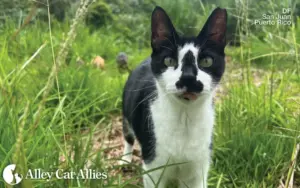
Every year on October 16, animal welfare advocates, community organizers, and compassionate citizens unite for Global Cat Day—a movement originally founded as National Feral Cat Day. This international day of awareness serves as a powerful reminder of a fundamental truth: cats are community. They are deeply embedded in the social fabric of neighborhoods worldwide, sharing our urban, suburban, and rural spaces.
However, despite their integration into human society, community cats—including stray, feral, and unhoused outdoor felines—continually face systemic challenges, municipal policy hurdles, and threats of animal cruelty. Global Cat Day is not merely a celebration of felines; it is a strategic, highly coordinated call to action. It challenges individuals and organizations to reshape local laws, expand access to humane veterinary care, protect the delicate coexistence between cats and wildlife, and champion robust enforcement against animal cruelty.
As the October 16 date approaches, animal advocates are mobilizing through various initiatives, ranging from Trap-Neuter-Return (TNR) programs and the construction of winter shelters to grassroots political advocacy and community education. This comprehensive report examines the core tenets of Global Cat Day, the evolution of community cat management, the practical ways advocates can participate, and the long-term future outlook for feline welfare policies across the globe.
Detailed Chronology: From Grassroots Advocacy to a Global Movement
The journey toward modern community cat advocacy has been marked by decades of shifting paradigms in animal control, public policy, and veterinary science. Understanding how Global Cat Day evolved provides essential context for the vital actions taken by advocates today.
The Era of Eradication (Late 20th Century and Earlier)
For generations, municipal animal control policies relied almost exclusively on catch-and-kill approaches to manage outdoor cat populations. Stray and feral cats were trapped and brought to local shelters, where the vast majority faced euthanasia due to high intake volumes and the inherently un-socialized nature of feral felines. This system proved not only inhumane but also profoundly ineffective. It failed to address the underlying biological reality known to ecologists as the "vacuum effect"—when cats are removed from a specific territory, surviving or incoming cats quickly move in to exploit available resources, resulting in a rapid rebound of the local population.
The Paradigm Shift and the Birth of National Feral Cat Day
As the limitations of traditional animal control became clear, animal advocates and progressive veterinarians pioneered alternative solutions, most notably Trap-Neuter-Return (TNR). TNR proved that outdoor cats could be humanely trapped, sterilized, vaccinated against rabies, ear-tipped for easy visual identification, and returned to their outdoor homes.

To elevate public awareness around outdoor cats and shift the narrative from extermination to coexistence, organizations like Alley Cat Allies spearheaded the establishment of National Feral Cat Day. What began as a localized push to educate the public about the efficacy of TNR quickly gained momentum, resonating with shelters, rescue groups, and independent caretakers across the United States.
Expansion into Global Cat Day
Recognizing that the challenges faced by outdoor cats transcend national borders, National Feral Cat Day eventually expanded into Global Cat Day. This evolution broadened the scope of the movement, connecting American advocates with international animal welfare groups. Today, Global Cat Day unites voices from every continent, addressing systemic issues such as municipal policy reform, veterinary resource deserts, and the criminalization of animal abuse on a truly global scale.
Supporting Context & Metrics: The Science and Impact of Community Cat Care
To fully appreciate the urgency of Global Cat Day, one must examine the data, policies, and ecological studies surrounding community cat populations.

The Scale of the Community Cat Population
Estimating the exact number of unowned cats globally is impossible, but experts agree that millions of community cats reside in close proximity to human settlements. In urban environments especially, these cats serve a historical role as natural rodent controllers, though their primary need is human protection, compassion, and humane management.
The Efficacy of Trap-Neuter-Return (TNR)
Decades of programmatic data confirm that TNR is the single most effective, humane, and fiscally responsible method for stabilizing outdoor cat populations. Unlike lethal removal, which triggers the population vacuum effect, TNR stabilizes population levels immediately by halting reproduction. Furthermore, sterilization drastically reduces nuisance behaviors associated with unspayed and unneutered cats, such as yowling, fighting, and marking territory.
- Public Health Benefits: Vaccinating community cats against rabies during the TNR process creates a vital health barrier, protecting both the feline population and the human communities in which they live.
- Shelter Decompression: By keeping healthy outdoor cats in their outdoor homes rather than surrendering them to overcrowded municipal shelters, TNR prevents unnecessary euthanasia and preserves shelter resources for animals that truly require adoption or medical rehabilitation.
The Policy Deficit
Despite the proven success of TNR and progressive cat protection policies, many local governments still maintain outdated municipal codes. Outdated ordinances may penalize caretakers for feeding outdoor cats, fail to recognize TNR as official municipal policy, or lack strict penalties for animal cruelty. Global Cat Day serves as the annual catalyst to overturn these archaic laws and replace them with progressive, life-saving ordinances that protect both cats and the communities that care for them.

Official Statements and Framework for Action
Organizations championing Global Cat Day, including Alley Cat Allies, emphasize that protecting cats requires a multi-faceted approach combining grassroots activism, legislative engagement, and public education.
Core Principles of Global Cat Day
- Recognition of Coexistence: Acknowledging that cats are an established part of our ecosystem and that human communities can successfully coexist with wildlife and felines alike.
- Expansion of Access to Care: Ensuring that low-cost spay/neuter services, emergency veterinary care, and food resources are accessible to all community cat caretakers, regardless of socioeconomic barriers.
- Zero Tolerance for Cruelty: Pushing for strict legal protections, rigorous investigations, and severe penalties for individuals who commit acts of violence or neglect against animals.
How Advocates Can Take Action Before and On October 16
The organizers of Global Cat Day provide a clear roadmap for individuals and groups wanting to make an impact. Action items span several key categories:
- Plan and Execute Local TNR Initiatives: Use October 16 as a springboard to humanely trap, fix, and vaccinate a colony of cats in your neighborhood. Document your efforts using the hashtags
#GlobalCatDayand#NationalFeralCatDayto inspire a worldwide audience. - Construct Winter Shelters: As colder weather approaches, building safe, insulated outdoor shelters provides vital protection for community cats weathering the elements.
- Engage and Educate Local Officials: Reach out to city council members, animal control directors, and local lawmakers. Share educational resources on why TNR is superior to catch-and-kill policies and advocate for official municipal recognition of community cat caretakers.
- Utilize Educational Resources: Download and distribute lifesaving literature provided by organizations like Alley Cat Allies. Educating neighbors dispels myths about outdoor cats and builds community-wide support.
- Wear the Cause: Supporters can acquire official Global Cat Day merchandise—including t-shirts, tote bags, and water bottles—to wear while out in the field doing TNR or educating the public, helping to spark conversations and raise visibility for the cause.
Future Outlook: The Next Frontier in Feline Welfare
As we look toward the future of animal advocacy, the landscape of community cat protection is evolving rapidly. Several key trends will define the coming years:

1. Mainstreaming "Shelter-Neuter-Return" (SNR) and Return-to-Field (RTF)
Modern animal shelters are increasingly adopting progressive diversion programs. Instead of intake and potential euthanasia, healthy stray or feral cats brought into shelters are sterilized, vaccinated, and returned to the outdoor location where they were found. This operational shift has revolutionized shelter live-release rates across the globe.
2. Strengthening Legal Protections Against Animal Cruelty
The link between animal abuse and violence against humans is well-documented in criminological research. Future legislative efforts championed during Global Cat Day and similar initiatives are increasingly focused on strengthening felony animal cruelty laws, establishing robust animal abuse registries, and ensuring law enforcement agencies take crimes against cats and other animals seriously.
3. Fostering Global Solidarity and Resource Sharing
The transition from National Feral Cat Day to Global Cat Day reflects the borderless nature of animal welfare challenges. Digital connectivity allows grassroots rescuers in remote rural towns to share strategies with metropolitan coalitions, accelerating the adoption of best practices worldwide. From establishing veterinary clinics in underserved international regions to lobbying national governments for progressive animal welfare acts, the global network of cat advocates is stronger, more organized, and more vocal than ever before.

Conclusion
Global Cat Day is much more than a date on the calendar; it is a profound affirmation of our collective responsibility toward the vulnerable animals sharing our world. By committing to humane community cat management, educating our neighbors, reforming outdated municipal policies, and standing firmly against animal cruelty, we honor the truth that cats are community.
As October 16 approaches, advocates everywhere are called to step up—whether through direct TNR fieldwork, building winter shelters, writing to local officials, or simply spreading the word. Together, we can ensure a safer, more compassionate world for cats, today and for generations to come.