
Executive Overview
The modern veterinary practice operates at the intersection of high-science medicine and deeply emotional client relationships. While advanced surgical techniques, cutting-edge diagnostics, and intensive emergency interventions save countless animal lives every day, the operational mechanics of a clinic can inadvertently fracture the emotional bond built during a pet’s medical crisis.
Consider a common scenario: A pet owner walks out of a veterinary hospital cradling a recovering dog. In one arm, they juggle a fragile animal; in the other, a cascade of prescription bottles, home-care instruction sheets, and an oversized purse. As they attempt to extract a credit card at a bustling front desk to settle a substantial bill—often numbering in the thousands of dollars—the administrative transaction abruptly replaces the clinical compassion that saved their pet’s life. To compound the stress, the client still has to navigate heavy exit doors, secure leashes, and load the animal into a vehicle with no free hands.
According to veterinary communication expert Wendy S. Myers, CVJ, this moment exposes a critical vulnerability in the patient-client lifecycle. In an industry where the final impression often dictates client retention, reviews, and lifetime loyalty, veterinary practices must rethink how patients leave the building. The solution is not merely a courtesy; it is a comprehensive operational strategy known as exam-door-to-car-door service.
By shifting from traditional, transactional checkouts to a holistic, in-room discharge process coupled with hands-on logistical support, clinics can ensure that clients leave remembering the profound medical care and empathy their pet received—not just the bottom-line cost of the invoice.
Detailed Chronology: Anatomy of a Compassionate Discharge
Transforming the discharge experience requires a systematic re-engineering of the workflow from the moment a veterinarian clears a patient for release to the second the owner closes their car door in the parking lot. Industry best practices suggest breaking this down into a structured, multi-step chronology.
Phase 1: In-Room Settlement and Comprehensive Review
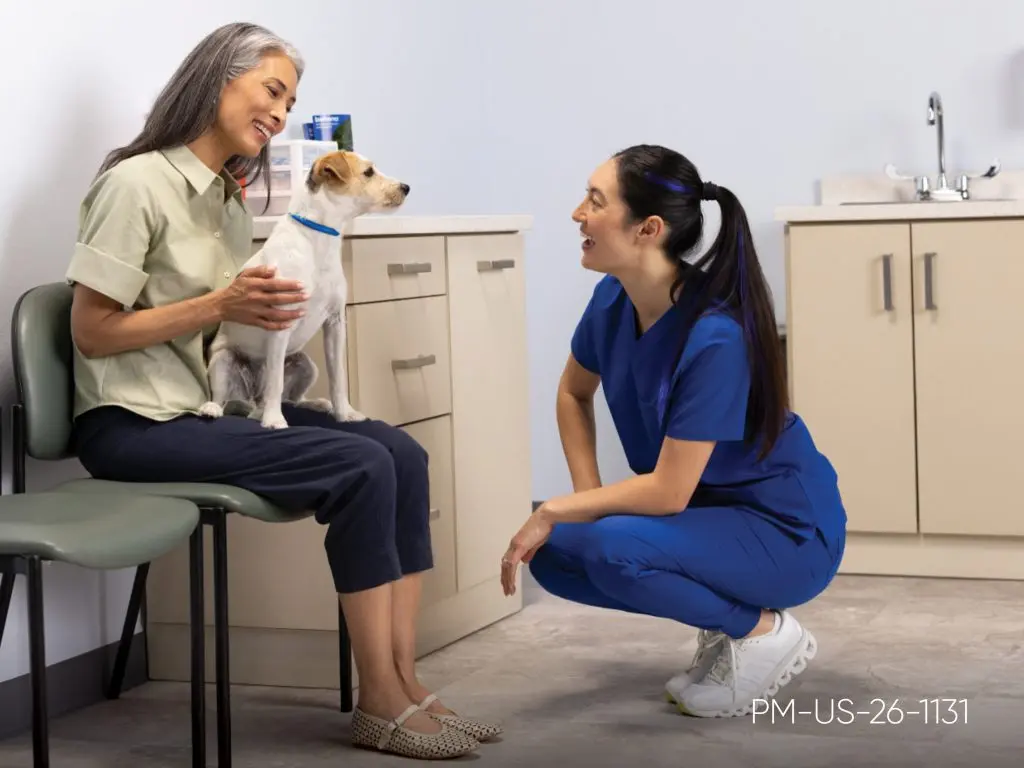
The discharge process should never take place in a crowded, high-traffic lobby where phones ring continuously and other clients wait anxiously with sick animals. Instead, the final medical wrap-up and financial transaction must occur within the quiet, controlled environment of the exam room.
- Financial Processing Before the Exit: Settling accounts inside the exam room allows the veterinary technician or client service representative to review the itemized invoice calmly, answer billing questions in private, and process payments securely via mobile checkout technology.
- Dual-Format Instructions: Because emotionally overwhelmed clients frequently forget verbal medical advice, teams must provide both printed hard copies and digital versions of home-care instructions. Digital formats allow the primary owner to instantly text or email care sheets to co-owners, pet sitters, or family members at home.
- Guiding the Next Steps: Clinicians must move away from closed-ended inquiries such as, "Do you have any questions?"—a phrase that instinctively triggers a polite "no" from stressed clients. Instead, veterinary professionals should use open-ended framing: "What questions can I answer for you right now?" This subtle shift invites a genuine, collaborative dialogue, ensuring the client feels entirely confident in administering medications and monitoring recovery signs before they step outside.
- Establishing Direct Lines of Trust: Providing the attending doctor’s professional business card acts as an immediate psychological anchor for the client. It communicates accessibility, accountability, and genuine personal investment in the animal’s continued recovery.
Phase 2: Forward-Booking and Continuity of Care
Too often, post-operative rechecks are treated as an afterthought, left for the client to schedule "when they have time." In reality, proactive scheduling during the initial discharge appointment drastically improves patient outcomes and practice efficiency.
- Leveraging the Yes-or-Yes Technique: When scheduling follow-up care, staff should eliminate open-ended delays by offering two concrete options. For example: "Dr. Smith needs to examine Max 10 days post-surgery to check incision healing, remove sutures, and clear him for increased activity. We have openings available on Tuesday at 10:00 AM or Thursday at 2:30 PM. Which of those works better for your schedule?"
- Automated Integration: Booking the follow-up appointment before leaving the exam room ensures that the reminder immediately prints directly onto the day’s receipt, while automated text and email confirmations are logged into the practice management software.
Phase 3: The Exam-Door-to-Car-Door Transition
Once administrative tasks and medical briefings are complete, the physical exit must be managed with the same precision as the clinical procedure.
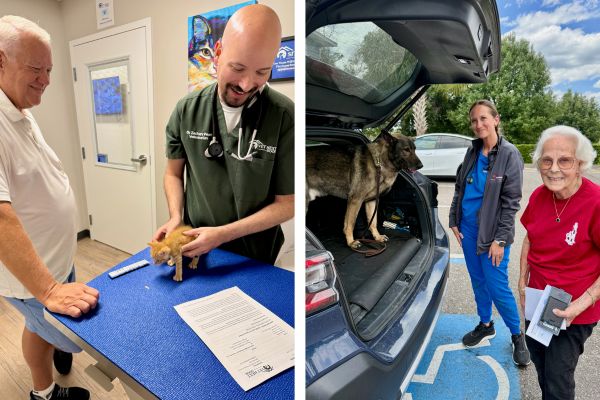
- Hands-Free Assistance: A designated staff member assists the client by carrying medical supplies, holding doors, navigating heavy equipment, and escorting the owner directly to their vehicle.
- Loading Support: Team members can assist in safely settling the animal into a crate, backseat harness, or carrier, ensuring that the client never has to struggle with balancing a recovering pet and personal belongings simultaneously.
Phase 4: The 24-Hour Post-Discharge Touchpoint
The continuum of care does not end in the parking lot. A proactive follow-up within 24 hours cements the practice’s commitment to the patient’s recovery.
- Multi-Channel Outreach: Recognizing that modern consumers rarely listen to long voicemails, progressive clinics rely on quick, direct text messages or emails to check on the patient’s status. With SMS open rates soaring as high as 98 percent compared to the low engagement of traditional phone messages, text-based follow-ups ensure high response rates and rapid intervention if complications arise.
Supporting Context & Metrics: The Economic and Emotional Impact
To understand why exam-door-to-car-door service matters, veterinary leadership must analyze consumer psychology, retention data, and the economics of veterinary medicine.
The Psychology of the Final Impression
In behavioral psychology, the recency effect dictates that human beings remember the most recent items or experiences in a series far more clearly than those in the middle. When a pet owner experiences a harrowing medical crisis, followed by days of worry and a high-cost bill, the final 10 minutes of their interaction with the clinic form the anchor of their brand perception.
- From Transactional to Relational: When a client is left to wrestle an oversized purse, a medicated animal, and an invoice at a front desk, the overriding emotion upon leaving is frustration and financial burden.
- The Value Equation: Conversely, when a team member takes the physical burden off the client’s shoulders, walks them to their car, and checks in the following day, the overriding emotion is profound gratitude. The financial cost of care is reframed as an investment in exceptional, end-to-end service.
Digital Communication Metrics in Veterinary Care
Data from client communication studies underscore why multi-channel, modern discharge strategies yield superior results:
- Voicemail Attrition: Approximately 67 percent of modern consumers ignore or fail to listen to traditional phone voicemails, rendering phone-tag callbacks an inefficient tool for post-operative care monitoring.
- SMS Engagement: Text messaging boasts an open rate of up to 98 percent, with the vast majority of messages read within three minutes of receipt. Integrating text-based discharge sheets and follow-ups dramatically bridges the gap between clinic instructions and home execution.
- Reputation Economics: In the era of online review platforms (Google, Yelp, and specialized veterinary boards), small gestures of hospitality—like carrying a bag to a car or providing crystal-clear medication schedules—are frequently highlighted in five-star reviews. These organic reviews serve as the primary engine for new client acquisition in competitive urban and suburban markets.
Official Statements and Expert Insights
Industry leaders emphasize that operational empathy is no longer an optional luxury in veterinary medicine—it is a core pillar of modern clinical excellence.
"When a client walks out of your clinic juggling a recovering pet, medications, instructions, and a purse, the final step shifts the experience from compassionate to transactional," notes Wendy S. Myers, CVJ, founder of Communication Solutions for Veterinarians. "This is where exam-door-to-car-door service becomes more than a courtesy—it is your final impression. A simple walk to the car can lead to five-star reviews, validate the high value of your care, and cement lifelong client loyalty."
Veterinary practice management consultants point out that staff training must evolve to treat administrative handoffs with the same clinical gravity as anesthesia monitoring or surgical prep. When front-desk, technician, and veterinary teams are synchronized around a white-glove discharge protocol, internal bottlenecks decrease, front-desk congestion clears, and employee satisfaction rises because team members witness direct client appreciation firsthand.
Future Outlook: The Evolution of Veterinary Hospitality
As veterinary medicine continues to consolidate—with corporate hospital groups and independent practices alike competing fiercely for client loyalty—the differentiator will increasingly lie in the customer experience rather than clinical capability alone. Most pet owners assume that any licensed veterinarian possesses the medical skill to treat an illness; therefore, the quality of care is often judged by how the clinic makes the human client feel during moments of vulnerability.
Looking ahead toward the next decade, forward-thinking veterinary hospitals are integrating several emerging practices into their discharge workflows:
- Mobile Payment Integration: Completely eliminating stationary front-desk checkout points by outfitting all exam rooms with wireless, tablet-based payment terminals that securely handle credit cards, pet insurance direct-pay platforms, and third-party financing like CareCredit in total privacy.
- App-Based Post-Op Portals: Transitioning digital discharge instructions into interactive smartphone apps where medication reminders trigger push notifications directly to the owner’s phone, minimizing human error in home-care administration.
- Dedicated Client Concierge Roles: Larger specialty and emergency hospitals are beginning to introduce dedicated "Client Concierge" personnel whose sole job is to manage the physical flow of clients from exam rooms to parking lots, ensuring that medical staff remain free to handle incoming emergencies while clients receive white-glove personal attention.
Ultimately, the goal of veterinary medicine is twofold: to heal the animal and to reassure the human. By bridging the gap between clinical excellence and compassionate logistical support through comprehensive discharge strategies like exam-door-to-car-door service, veterinary teams can ensure that clients drive away remembering the healing hands that saved their pet—long after the receipt has been filed away.