
By Sebastian Sindermann
Published: February 7, 2020
Executive Overview
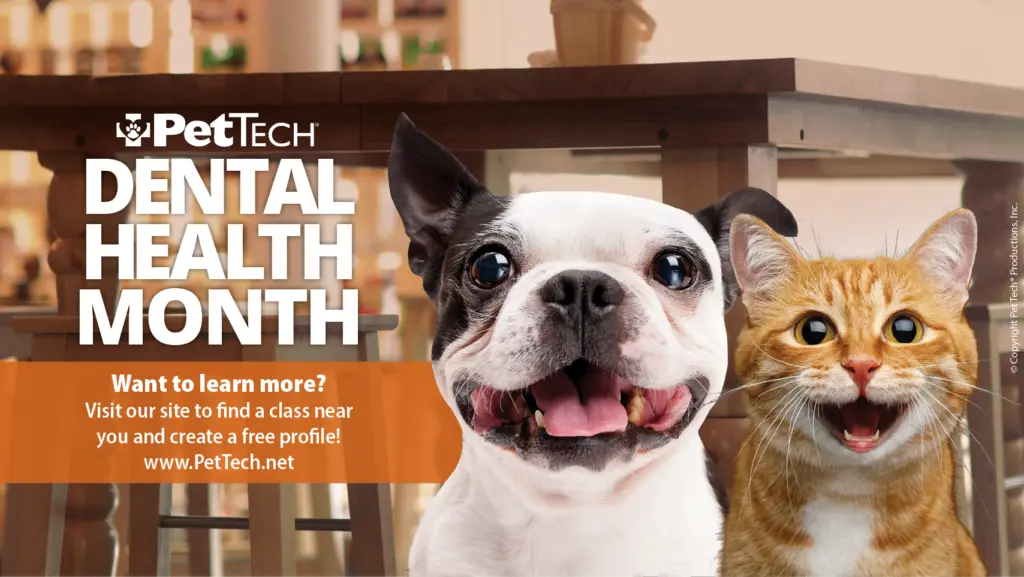
Every February, the veterinary community unites to observe National Pet Dental Health Month, an annual campaign designed to shed light on a deeply neglected aspect of domestic animal care. While millions of pet owners diligently invest in premium nutrition, designer leashes, and regular grooming sessions, oral hygiene frequently falls by the wayside. This oversight is more than just an aesthetic concern; it represents a profound threat to the overall well-being and longevity of our four-legged family members.
Data compiled by veterinary organizations reveals a staggering reality: by the tender age of three, the vast majority of dogs and cats exhibit active signs of periodontal disease. What begins as an invisible film of plaque rapidly hardens into tartar, instigating chronic gum inflammation, agonizing tooth loss, and systemic infections that can quietly ravage vital internal organs.
This comprehensive report explores the anatomy of pet oral disease, examines the systemic health risks associated with untreated periodontal infections, and provides actionable, expert-backed strategies for modern pet parents. By bridging the gap between home-based preventive care and professional veterinary interventions, owners can step into the role of the "Ultimate Pet Parent"—ensuring their companions lead pain-free, vibrant lives.
Detailed Chronology: The Progressive Stages of Periodontal Decline
To truly understand the necessity of proactive dental care, one must examine how oral disease develops and progresses within the canine and feline body. The timeline of dental degradation is silent, swift, and relentless if left unchecked by human intervention.
Phase One: The Formation of Plaque (Hours 0 to 48)
Immediately following a meal, a complex ecosystem of bacteria, saliva, and food particles begins to adhere to the surfaces of a pet’s teeth. This soft, sticky matrix is known as dental plaque. Within just 24 to 48 hours, if this film is not mechanically disrupted by brushing or aggressive chewing, it begins to mineralize.
Phase Two: Mineralization and Tartar Accretion (Weeks 1 to 2)
As minerals present in the pet’s saliva bind with the existing plaque, it calcifies into calculus, commonly referred to as tartar. Unlike soft plaque, tartar is intensely abrasive and adheres stubbornly to the enamel. Its rough surface provides an ideal breeding ground for even more bacteria to accumulate, pushing beneath the gumline and initiating the inflammatory response known as gingivitis.
Phase Three: Gingivitis and Early Periodontitis (Months to Years 1 to 3)
At this stage, owners may notice the first visible—and olfactory—indicators of trouble. Gums transition from a healthy, bubble-gum pink to a dark, angry red or purple hue. They swell and bleed easily. Bacteria begin to destroy the periodontal ligament—the connective tissue anchoring the tooth to the jawbone. According to the American Veterinary Dental Society (AVDS), more than 80% of dogs and over 70% of cats cross this threshold into full-scale periodontal disease by their third birthday.
Phase Four: Advanced Periodontal Destruction and Systemic Risk (Years 3 and Beyond)
Without intervention, pockets form between the gums and teeth, trapping anaerobic bacteria that thrive in oxygen-poor environments. Bone resorption occurs, causing teeth to loosen and eventually fall out or require extraction. More dangerously, the compromised gum tissue acts as an open gateway. Bacteria routinely breach the micro-vasculature of the mouth, entering the bloodstream and embarking on a destructive journey throughout the entire body.
Supporting Context & Metrics: The Anatomy of an Unhealthy Mouth
The myth of "doggie breath" or "kitty breath" has perpetuated poor pet health for generations. Far too many owners accept foul-smelling breath as an inevitable byproduct of pet ownership. Veterinary professionals emphasize a crucial paradigm shift: a healthy mouth has virtually no offensive odor.
Decodifying the Symptoms of Oral Distress
Recognizing the early warning signs of dental disease requires vigilance. Because animals instinctively mask pain to protect themselves from perceived predators in the wild, they rarely yelp or whine from a toothache. Instead, owners must look for behavioral and physical cues:
- Halitosis (Chronic Bad Breath): The primary and most common indicator of bacterial overgrowth and volatile sulfur compounds in the oral cavity.
- Color Discoloration: Teeth should be a clean, off-white shade. Yellowish-brown crusts near the gumline signify heavy tartar accumulation.
- Gingival Changes: Healthy gums are firm and bubble-gum pink. Gums that are bleeding, receding, or intensely inflamed indicate active disease.
- Behavioral Adjustments: Reluctance to eat hard kibble, dropping food from the mouth while chewing, favoring one side of the mouth, or a sudden disinterest in favorite chew toys.
- Excessive Drooling and Pawing: Pets may paw frantically at their mouths or drool excessively due to oral pain and nausea.
The Multifactorial Nature of Pet Periodontal Disease
While age is a primary catalyst—as older pets have had more time for cumulative wear and tear—periodontal disease is accelerated by a convergence of biological, environmental, and lifestyle factors:
- Diet and Nutrition: Modern commercial diets vary widely in texture. Soft, canned, or mushy foods lack the mechanical scraping action required to help strip away soft plaque during mastication. Conversely, hard, dense kibble designs can offer mild abrasive benefits, though they are rarely a substitute for direct brushing.
- Genetics and Conformation: Brachycephalic breeds (such as Pugs, Bulldogs, and Persian cats) feature crowded teeth and misaligned jaws due to selective breeding. This creates tight spaces where plaque and food debris accumulate exponentially faster than in dolichocephalic (long-nosed) breeds.
- Chewing Habits and Enrichment: Toys play a dual role in animal health. High-quality rubber chew toys and veterinary-approved dental chews stimulate saliva production—nature’s mouthwash—while providing mechanical friction against the tooth surfaces.
Official Statements and Veterinary Insights
The veterinary community has long campaigned to elevate dental care from an optional cosmetic service to an indispensable pillar of preventative medicine.
Dr. Sarah Jenkins, a prominent veterinary dentist and board advisor, notes the systemic fallout of neglected oral hygiene:
"When we look at advanced periodontal disease, we aren’t just treating a localized infection in the mouth. We are looking at a permanent, low-grade sepsis. The bacteria swimming in those infected periodontal pockets don’t stay in the jaw; they hitch a ride in the bloodstream and set up secondary infections in distant organs."
Medical literature strongly supports this perspective. Clinical studies indicate a direct correlation between advanced periodontal disease and pathological changes in major internal organs:
- The Cardiovascular System: Bacteria entering the bloodstream can damage the endothelial lining of blood vessels, contributing to endocarditis—an infection of the heart valves—and worsening existing heart murmurs.
- The Kidneys: The filtration units of the kidneys are exceptionally vulnerable to circulating bacterial toxins and micro-emboli, which can accelerate chronic kidney disease over time.
- The Liver: As blood flows from the compromised oral cavity directly through the portal venous system, the liver is constantly bombarded with inflammatory mediators and bacteria, potentially leading to reactive hepatopathy.
The American Veterinary Dental Society (AVDS) reiterates that preventative strategies deployed at home, when paired with professional veterinary cleanings under general anesthesia, can add years of healthy, pain-free life to a companion animal.
Future Outlook: Becoming the Ultimate Pet Parent
The landscape of pet care is undergoing a profound transformation. Modern pet parents are no longer content with reactive medicine; they demand proactive, educational frameworks that empower them to protect their animals before disease takes root.
Achieving optimal oral health requires a dual-pronged tactical approach:
1. Home-Based Maintenance
- Daily Teeth Brushing: Utilizing pet-safe enzymatic toothpastes (never human toothpaste, which contains toxic foaming agents and fluoride) and soft-bristled toothbrushes designed specifically for animals. Introducing this gradually through positive reinforcement transforms a chore into a bonding experience.
- Dental Additives and Diets: Incorporating Veterinary Oral Health Council (VOHC)-accepted water additives, powders, and specialized dental diets that have undergone rigorous clinical testing to prove their efficacy in reducing plaque and tartar.
- Appropriate Chew Toys: Providing durable, safe chew toys that satisfy an animal’s natural instinct to gnaw while cleaning their teeth organically.
2. Professional Veterinary Partnerships
- Annual Veterinary Evaluations: Integrating a comprehensive oral exam into every yearly wellness checkup.
- Under-Anesthesia Cleanings: Recognizing that true, deep-cleaning scaling and subgingival polishing cannot be performed safely or effectively on an awake animal. Modern veterinary anesthesia utilizes advanced monitoring equipment, making prophylactic dental procedures safer than ever before.
Taking the First Step
Elevating your pet care regimen does not require a veterinary degree. By refusing to ignore stinky breath, investing in daily preventative habits, and educating yourself on foundational animal wellness, you step securely into the role of the Ultimate Pet Parent.
To expand your expertise further and prepare for every facet of animal stewardship, consider enrolling in specialized certification courses covering Pet CPR, First Aid, and comprehensive daily care. Your pets give you their unconditional love; ensuring their oral health is one of the most profound ways you can return the favor.